Source Adult Makeup Removal Towel for Home, Hotel, and Spa
Find 30 options for Adult Makeup Removal Towel products suitable for home, hotel, and spa use. Compare materials like cotton and non-woven fabrics, sizes, and OEM capabilities to select the right supply for your business needs.
Key considerations
Products List


Ultra Soft Microfiber Cleaning Cloth Makeup Remover Towel for All Skin Types
$0.38 - $0.39
MOQ: 5000 Pieces


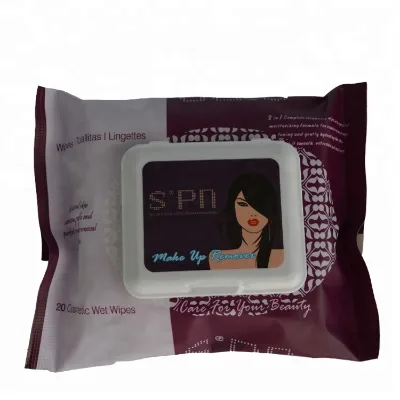


Microfiber Beauty Cleansing Face Wash Cloth Facial Towels Makeup Remover Towel
$0.25 - $0.50
MOQ: 500 Pieces


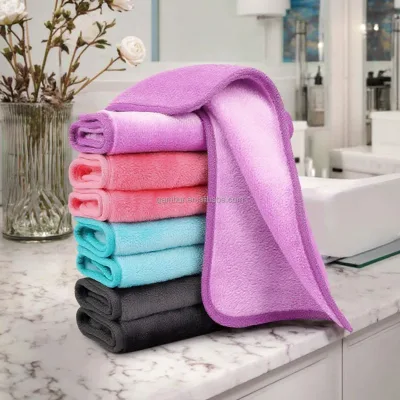
Colorful Makeup Remover Cloth 100more Colors Custom Makeup Remover Towel
$0.25 - $0.40
MOQ: 500 Pieces







Comprehensive Sourcing Guide
Adult Makeup Removal Towel Sourcing Guide
Sourcing high-quality makeup removal towels for adult consumers requires a careful balance between material performance, hygiene standards, and commercial viability. These disposable or reusable textile products are designed to gently dissolve and remove cosmetics without the need for harsh chemical cleansers, making them a popular choice for home use, hotels, spas, and beauty salons. The market offers a diverse range of options, from simple non-woven sheets to more sophisticated microfiber or cotton blends, each catering to different skin types and usage scenarios. Buyers must navigate this variety by focusing on specific product attributes that directly impact user experience and brand reputation.
The procurement process involves verifying technical specifications, ensuring compliance with safety regulations, and negotiating favorable commercial terms. With observed price ranges as low as $0 to $3.50 USD and minimum order quantities (MOQs) varying significantly from 100 to 200,000 units, buyers have flexibility in scaling their orders. However, low prices do not always equate to value; the material composition, absorbency, and softness are critical factors that determine customer satisfaction. This guide provides a structured approach to evaluating suppliers and products, ensuring that the final selection aligns with both quality expectations and budget constraints.
Product Scope and Observed Listing Signals
The product landscape for adult makeup removal towels includes a variety of materials, with 100% cotton, plant fibers, non-woven fabrics, spiral cloth, soft microfiber, and silk being commonly observed. These materials are selected for their ability to provide a soft, comfortable, and eco-friendly experience while maintaining high absorbency and fine removing ability. The towels are typically available in white, pink, black, or light blue, and are often folded for compact packaging. Some products are designed for single-use applications, while others may be reusable, depending on the material and construction. Buyers should pay close attention to the binding fabric and sheet size, as these factors influence the towel’s effectiveness and user comfort.
Observed listing signals indicate that many suppliers offer customization options, including OEM services, custom fragrances, and tailored packaging. Standard sizes such as 15x15cm, 18x18cm, 18x40cm, and 20x20cm are widely available, with some suppliers supporting fully customized dimensions. The products are often packaged in PE bags, cartons, or boxes, with packing details like 25 pieces per bag or 36 bags per carton. These signals suggest a mature supply chain capable of meeting diverse buyer needs, from small boutique orders to large-scale retail distributions. Buyers should leverage these customization options to differentiate their products in the market.
Technical Specifications to Verify
When evaluating technical specifications, buyers should prioritize material composition, sheet size, and weight per piece. For instance, some products are specified as 18cm x 40cm with a weight of 30g or 40g per piece, while others are smaller, such as 15x15cm or 20x18cm. The material type, whether non-woven, cotton, or microfiber, directly impacts the towel’s absorbency and softness, which are key selling points. Buyers should verify these specifications against their target market’s preferences, as different skin types and cosmetic removal needs may require specific material properties. Additionally, the folded state of the towel can affect packaging efficiency and shelf appeal, so this detail should be confirmed with the supplier.
Shelf life is another critical technical specification, with observed ranges of 2 to 5 years depending on the material and packaging. Buyers should ensure that the shelf life aligns with their inventory turnover rates to minimize waste. Furthermore, the product model numbers, such as MDFT 20210730, CC-18401, or CC-M010, can serve as reference points for consistency in future orders. Buyers should request samples to test the towel’s performance, including its ability to remove makeup without leaving residue or irritating the skin. This hands-on verification is essential to ensure that the product meets quality expectations before committing to large orders.
Compliance and Safety Documentation
Compliance with international standards is crucial for makeup removal towels, especially those marketed for sensitive skin or used in professional settings like spas and beauty salons. Buyers should verify that suppliers hold relevant certifications, such as ISO9001, ISO13485, GMPC, and BSCI, which indicate adherence to quality management, medical device standards, good manufacturing practices, and social compliance. These certifications provide assurance that the products are manufactured in a safe and ethical environment, reducing the risk of contamination or quality issues. Buyers should request copies of these certificates and confirm their validity with the issuing bodies.
In addition to certifications, buyers should inquire about the product’s safety features, such as the absence of harmful chemicals, fragrances, or allergens. While some suppliers offer custom-made fragrances, buyers should ensure that these additives are safe for adult skin and comply with local regulations. The product’s intended use, whether for home, hotel, spa, or beauty salon, should also be clearly defined to ensure that it meets the appropriate hygiene and safety standards. Buyers should document these compliance requirements in their purchase agreements to protect against potential liabilities.
Cost Drivers and Commercial Terms
Cost drivers for makeup removal towels include material quality, production volume, customization requirements, and packaging complexity. Suppliers with higher supply abilities, such as 50,000 bags per day, may offer more competitive pricing for large orders, while smaller MOQs may come at a premium. Buyers should negotiate based on their order volume and frequency, seeking discounts for long-term contracts or bulk purchases. The observed price range of $0 to $3.50 USD suggests significant variation, so buyers should compare quotes from multiple suppliers to identify the best value. It is important to consider the total cost of ownership, including shipping, duties, and potential returns, rather than just the unit price.
Commercial terms such as payment methods, lead times, and return policies should be clearly defined in the purchase agreement. Buyers should verify the supplier’s port of dispatch, such as Ningbo, to estimate shipping costs and delivery times. Customization options, including OEM branding and custom packaging, may incur additional costs, so buyers should factor these into their budget. Additionally, buyers should establish clear quality acceptance criteria and dispute resolution mechanisms to handle any issues that arise during production or delivery. Transparent communication with suppliers is key to ensuring smooth transactions and maintaining a positive business relationship.
Supplier Qualification and Quality Control
Supplier qualification is a critical step in the sourcing process, requiring buyers to assess the supplier’s manufacturing capabilities, quality control systems, and track record. Buyers should request detailed information about the supplier’s production facilities, including equipment, workforce, and quality assurance processes. Suppliers with certifications like ISO9001 and GMPC are likely to have robust quality control systems in place, but buyers should still conduct on-site audits or third-party inspections to verify these claims. Additionally, buyers should review the supplier’s customer references and case studies to gauge their reliability and performance.
Quality control measures should be implemented throughout the production process, from raw material inspection to final product testing. Buyers should specify their quality requirements in the purchase agreement, including acceptable defect rates, packaging standards, and labeling requirements. Regular communication with the supplier during production can help identify and address potential issues early, reducing the risk of delays or rejections. Buyers should also establish a sample approval process to ensure that the final product meets their expectations before mass production begins. This proactive approach to quality control helps minimize risks and ensures consistent product quality.
Long-Term Procurement Checks
Long-term procurement success depends on continuous monitoring of supplier performance, market trends, and product quality. Buyers should establish key performance indicators (KPIs) to track supplier reliability, such as on-time delivery rates, defect rates, and responsiveness to issues. Regular performance reviews with suppliers can help identify areas for improvement and strengthen the business relationship. Additionally, buyers should stay informed about market trends, such as emerging materials or customization options, to keep their product offerings competitive. This ongoing evaluation ensures that the sourcing strategy remains aligned with business goals and customer expectations.
Buyers should also consider the sustainability and ethical aspects of their procurement practices, as these factors are increasingly important to consumers. Suppliers with BSCI certification demonstrate a commitment to social responsibility, which can enhance the buyer’s brand reputation. Buyers should encourage suppliers to adopt eco-friendly practices, such as using biodegradable materials or reducing waste, to align with global sustainability trends. By prioritizing long-term relationships and ethical sourcing, buyers can build a resilient supply chain that supports their business growth and meets the evolving needs of their customers.
FAQs
What materials are used for the Adult Makeup Removal Towel?
The towels are made from 100% cotton, plant fiber, or non-woven materials. Some variants feature binding fabrics like spiral cloth, soft microfiber, or silk to ensure softness and high absorbency for effective makeup removal.
Can I customize the size and packaging of the product?
Yes, customization is available for dimensions such as 15x15cm, 18x40cm, or 22x20cm. Packaging options include bagged units, PE bags within cartons, or boxes, with specific quantities like 25 pieces per bag.
What is the shelf life of the makeup remover towels?
The shelf life varies between 2 years and 5 years depending on the specific product model. Buyers should verify the exact duration for their selected item to ensure proper storage and usage planning.
Which certifications do the manufacturers hold for production?
Manufacturers hold ISO9001, ISO13485, GMPC, and BSCI certifications. These standards ensure quality management and safety compliance for products intended for home, hotel, or spa usage in the beauty industry.
How is the product supplied in terms of capacity and location?
The supply ability reaches 50,000 bags per day with dispatch from Ningbo, China. This capacity supports bulk orders for various clients while maintaining consistent availability for global sourcing needs.
What are the available color options for the towels?
Towels come in white, pink, black, and light blue colors. Buyers can select from these standard options or request custom colors to match specific branding or aesthetic requirements for their business.