Source Adult Islamic Wrap Shawl for Camping, Hunting, and Fishing
Compare 30 listings of Adult Islamic Wrap Shawl from verified Chinese manufacturers. Buyers can evaluate seasonal options, fabric types like chiffon and silk, and customization features for Muslim women; compare the available evidence and request quotations based on your requirements.
Key considerations
Products List


Women Muslim Satin Scarf Wrap Hijab Long Scarves Headwear Solid Color Scarves
$0.95 - $2.50
MOQ: 100 Pieces


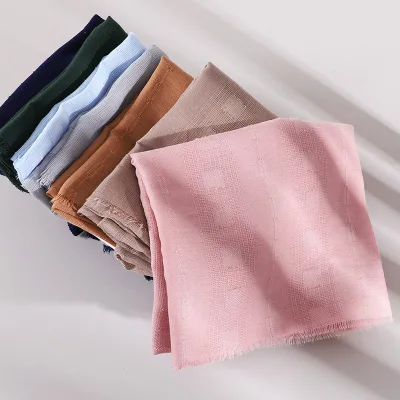

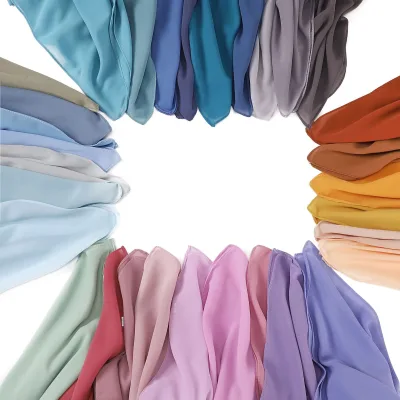
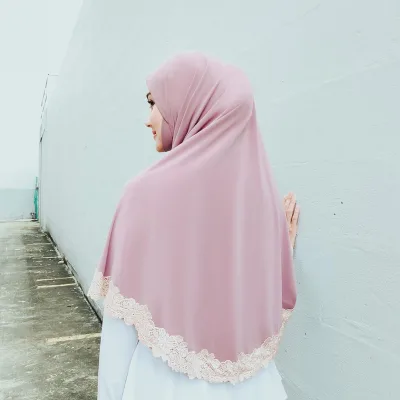
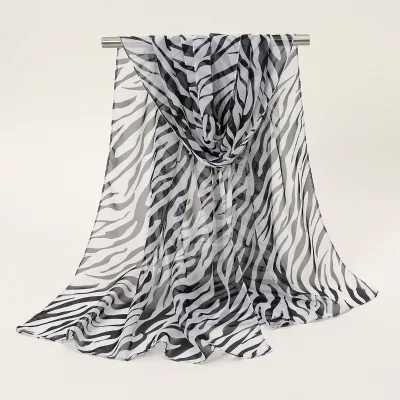
Muslim Male Headscarf with Intricate Animal Pattern Stylish Arab Headband
$2.20 - $2.35
MOQ: 10 pieces
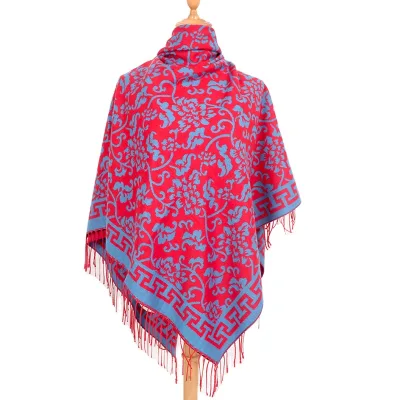
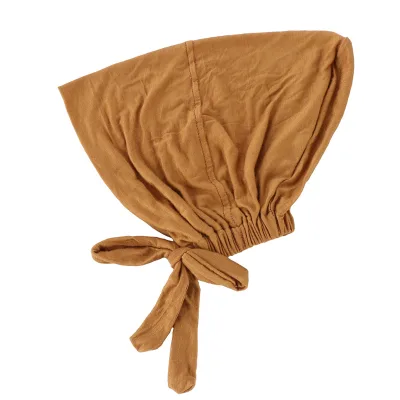
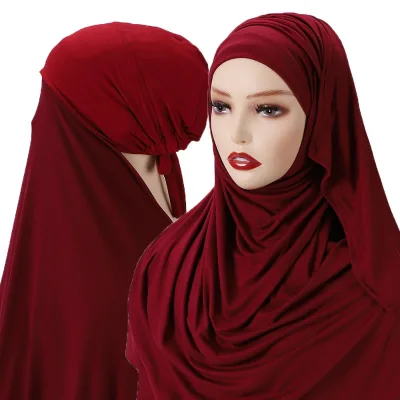
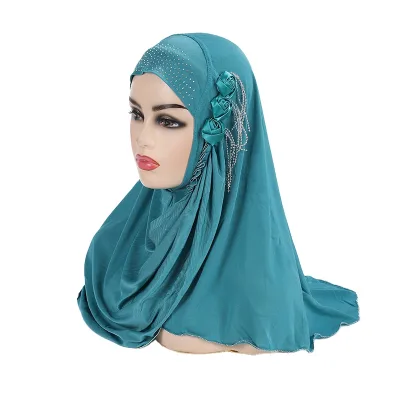
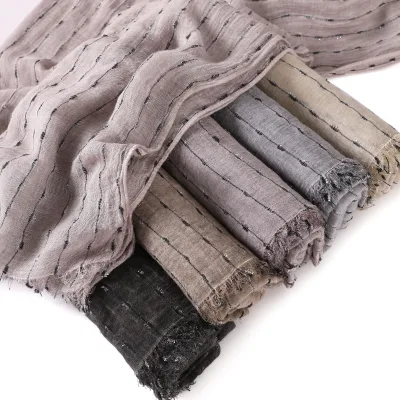
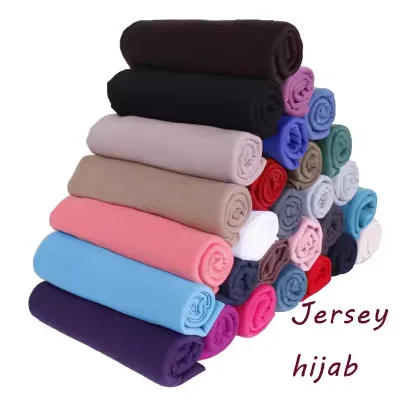
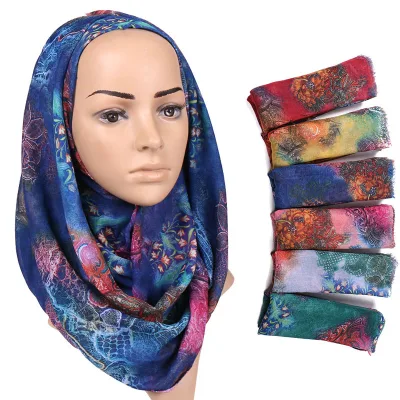
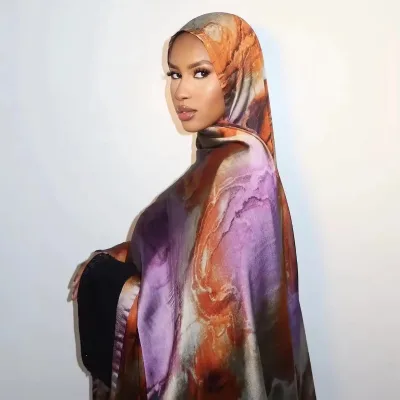
Comprehensive Sourcing Guide
Adult Islamic Wrap Shawl Sourcing Guide
Sourcing adult Islamic wrap shawls requires a nuanced understanding of both religious modesty standards and global fashion trends. These garments serve as essential accessories for Muslim women, functioning as hijabs, headscarves, or general outerwear that aligns with cultural and religious expectations. The market offers a diverse range of styles, from plain, solid-color wraps to those featuring intricate digital prints or embroidered logos. Buyers must recognize that the term "wrap" encompasses various forms, including rectangular scarves, square hijabs, and pre-sewn tunics, each requiring distinct manufacturing approaches. Understanding these variations is critical for selecting the right product mix for your target demographic, whether it be conservative markets in the Middle East or fashion-forward regions in Europe and North America.
The procurement process involves balancing aesthetic appeal with functional durability. Products are often designed for multi-functional use, serving as shawls, neckwear, beach towels, or headbands, which expands their utility and marketability. Buyers should focus on suppliers who offer customization options, such as custom designs, logos, and specific fabric textures, to differentiate their offerings in a competitive landscape. The ability to tailor products to specific seasonal trends or cultural preferences can significantly enhance brand loyalty. Additionally, considering the elasticity and fit type, such as loose fits or non-stretch materials, ensures that the final product meets the comfort and modesty requirements of the end-user.
Product Scope and Observed Listing Signals
The current market for adult Islamic wrap shawls exhibits a wide price range, typically observed between $0.70 and $6.40 USD, reflecting variations in material quality, design complexity, and order volume. Minimum Order Quantities (MOQs) vary significantly, ranging from as low as one piece for sampling or small boutique orders up to 1,000 pieces for bulk commercial shipments. This flexibility allows buyers of all sizes to enter the market, though larger volumes generally unlock better pricing tiers. The diversity in pricing and MOQs suggests a fragmented supplier base, where some manufacturers specialize in high-volume, low-cost production while others focus on premium, low-volume custom designs. Buyers must carefully evaluate these signals to align their procurement strategy with their sales channel and inventory capacity.
Product attributes observed in listings highlight key differentiators such as fabric type, color options, and design techniques. Common fabrics include chiffon, simulated silk, and satin, each offering distinct textures and drapes. Colors range from standard options like white, black, grey, and blue to custom shades that align with seasonal fashion trends. Design elements such as printed, embroidered, jacquard, or plain dyed finishes allow for extensive customization. Additionally, specifications like dimensions (e.g., 80x180cm or 90x90cm) and edge hemming techniques, such as hand rolling, indicate the level of craftsmanship involved. These details are crucial for buyers to specify in their requests for quotation to ensure they receive products that match their quality expectations and brand identity.
Technical Specifications to Verify
Verifying technical specifications is paramount to ensuring product consistency and customer satisfaction. Buyers should confirm the exact dimensions of the shawls, as sizes vary from standard rectangular wraps like 85x180cm to square formats like 90x90cm. The fabric type must be clearly defined, whether it is chiffon, high-quality simulated silk, or 12mm silk satin, as this impacts the drape, weight, and perceived value of the product. Additionally, the elasticity of the material, such as non-stretch properties, should be verified to ensure it meets the desired fit and comfort standards. These specifications directly influence the manufacturing process and the final user experience, making them non-negotiable elements in the procurement agreement.
Packaging and labeling requirements also require strict verification to prevent damage during transit and ensure brand consistency. Common packaging methods include individual polybags, OPP bags, zipper bags, or custom boxes, with carton dimensions varying based on the product type. For instance, some products are packed in brown cartons with specific dimensions like 60x40x40cm, while others use plastic bags combined with cartons. Buyers should specify whether they require eco-friendly packaging or custom branding on the packaging. Furthermore, the dyeing process, such as the use of eco-friendly dyes, and the washing process involving environmental protection additives, should be confirmed to ensure the product meets both quality and sustainability expectations.
Compliance and Safety Documentation
Compliance with international safety and environmental standards is increasingly important for global apparel procurement. Buyers should verify that suppliers use eco-friendly dyes and reach-compliant materials to ensure the products are safe for skin contact and meet regulatory requirements in target markets. The use of environmental protection additives in the washing process further indicates a commitment to sustainable manufacturing practices. These certifications and processes not only mitigate legal risks but also appeal to environmentally conscious consumers. Buyers must request documentation or test reports from suppliers to confirm adherence to these standards, ensuring that the products can be legally sold and marketed in their respective regions without compliance issues.
In addition to environmental compliance, buyers should assess the supplier's ability to provide necessary safety documentation for textile products. This includes verifying that the fabrics do not contain harmful substances and that the printing techniques, such as digital or silk-screen printing, use non-toxic inks. The presence of OEM/ODM capabilities suggests that suppliers can adapt to specific compliance requirements, such as custom labeling or packaging instructions. Buyers should also consider the lead time for samples, which typically ranges from 7 to 15 days, allowing for adequate time to review product quality and compliance before committing to large orders. This proactive approach to compliance helps build a trustworthy and sustainable supply chain.
Cost Drivers and Commercial Terms
Several factors influence the cost of adult Islamic wrap shawls, with fabric quality and design complexity being primary drivers. High-quality simulated silk or chiffon fabrics command higher prices due to their superior texture and durability. Similarly, intricate designs, such as hand-drawn patterns or digital prints, require more advanced printing techniques and labor, increasing production costs. Buyers should also consider the impact of customization, such as custom logos or specific color shades, which may incur additional setup fees or higher per-unit costs. Understanding these cost drivers allows buyers to negotiate more effectively and allocate their budget efficiently across different product lines.
Commercial terms, including payment methods, shipping arrangements, and return policies, significantly impact the overall procurement cost. Buyers should negotiate clear terms regarding sample costs, which may be refundable upon bulk order placement, and bulk pricing tiers based on volume. Shipping costs can vary depending on the weight and dimensions of the packaging, so buyers should request detailed freight quotes. Additionally, understanding the supplier's lead times for production and delivery is crucial for inventory planning. Buyers should also clarify any potential hidden costs, such as customs duties or handling fees, to avoid unexpected expenses. Transparent commercial terms help in building a stable and predictable supply chain.
Supplier Qualification and Quality Control
Qualifying suppliers involves assessing their manufacturing capabilities, quality control processes, and reputation in the market. Buyers should verify the supplier's experience in producing Islamic apparel and their ability to handle custom orders. Requesting references or case studies from previous clients can provide insights into the supplier's reliability and product quality. Additionally, buyers should inquire about the supplier's quality control measures, such as pre-production samples, in-line inspections, and final random inspections. These steps ensure that the products meet the specified standards and reduce the risk of receiving defective goods. A robust quality control process is essential for maintaining brand integrity and customer satisfaction.
Furthermore, buyers should evaluate the supplier's responsiveness and communication skills, as these factors are critical for a smooth procurement process. Suppliers who provide timely updates and are willing to address concerns promptly are more likely to deliver a positive experience. Buyers should also consider the supplier's flexibility in handling changes or issues, such as production delays or quality discrepancies. Establishing a clear communication channel and setting expectations for regular updates can help mitigate risks. By thoroughly qualifying suppliers, buyers can build long-term partnerships that support their business growth and ensure consistent product quality.
Long-Term Procurement Checks
Long-term procurement success depends on continuous monitoring and evaluation of supplier performance. Buyers should establish key performance indicators (KPIs) to track metrics such as on-time delivery, product quality, and responsiveness to issues. Regular audits and feedback sessions with suppliers can help identify areas for improvement and strengthen the partnership. Additionally, buyers should stay updated on market trends and consumer preferences to ensure their product offerings remain relevant. This proactive approach allows buyers to adapt to changes in the market and maintain a competitive edge. Continuous improvement is essential for sustaining long-term success in the apparel industry.
Moreover, buyers should diversify their supplier base to mitigate risks associated with single-source dependencies. Maintaining relationships with multiple suppliers provides flexibility in case of supply chain disruptions or quality issues with a primary supplier. Buyers should also invest in building strong relationships with suppliers, fostering trust and collaboration. This can lead to better pricing, priority production, and access to new innovations. By implementing robust long-term procurement checks, buyers can ensure a resilient and efficient supply chain that supports their business objectives and customer needs.
FAQs
What sizes are available for Adult Islamic Wrap Shawl?
Standard dimensions include 80x180cm and 85x180cm for full coverage. Custom sizes such as 90x90cm are also supported. Buyers can request tailored measurements to fit specific styling preferences or regional requirements. These dimensions ensure versatility for various wearing styles while maintaining structural integrity and drape quality.
Can I customize the design and logo on the shawl?
Yes, OEM and ODM services are available for branding needs. Options include printed, embroidered, jacquard, or plain dyed finishes. Digital printing and screen printing techniques allow for detailed botanical or abstract patterns. Buyers can submit hand drawings or photos for unique designs, ensuring the final product aligns with their brand identity.
What fabric types are used for these shawls?
Materials range from chiffon to high-quality simulated silk fabric. The texture is typically soft, smooth, and lightweight for comfort. Some variants feature 12mm silk satin for a luxurious feel. These fabrics are selected for their durability and ability to hold vibrant colors, making them suitable for both casual and formal occasions.
What is the typical lead time for samples?
Sample production generally takes 7 to 15 days. This timeframe allows for quality checks and design verification before bulk manufacturing. Buyers should account for this period when planning inventory. Expedited options may be available depending on supplier capacity and design complexity, ensuring timely delivery for urgent sourcing needs.
Are the dyes used in production eco-friendly?
Yes, eco-friendly dyes are used in the manufacturing process. The production complies with Reach standards for safety and environmental protection. Environmental protection additives are applied during washing to minimize ecological impact. This ensures the final product is safe for wearers and aligns with sustainable sourcing practices preferred by modern buyers.
How are the shawls packaged for shipping?
Packaging includes polybags, OPP bags, or custom boxes. Individual pieces are often packed in one polybag for protection. Bulk shipments use carton boxes with dimensions like 60x40x40cm or 40x40x5cm. Customizable packing methods are available to meet specific logistics requirements, ensuring products arrive in pristine condition.