Find Aerodynamic SK5 Wiper Blade for Cars, Buses, and Trucks
Source 30 listings for the Aerodynamic SK5 Wiper Blade designed for cars, city buses, and trucks. Buyers can compare driving types, sizes, and customization options to find suitable parts for various vehicle applications.
Key considerations
Products List


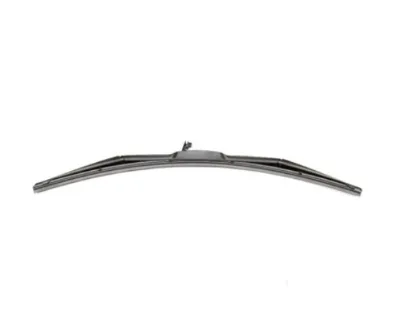
Multi-Function Silicon Wiper Blade for Auto Part - Package Size: 55X7X2.5cm
$1.15 - $1.65
MOQ: 1000 Pieces



Comprehensive Sourcing Guide
Strategic Sourcing Guide for Aerodynamic SK5 Wiper Blades
Understanding the Technical Landscape of Wiper Blade Systems
When sourcing components described as aerodynamic SK5 wiper blades, buyers must first distinguish between the specific material properties and the functional design of the blade itself. The term "SK5" typically refers to a high-carbon steel grade often utilized in the structural framework or the internal skeleton of wiper blades to ensure rigidity and durability. However, the supplied product data indicates a diverse range of materials, including Full Rubber, Carbon Metal, and Zinc Alloy. This suggests that the market offers various configurations where the steel skeleton may be paired with different rubber compounds or frameless designs.
The driving mechanisms observed in the available inventory are varied, ranging from Electrical and Mechanical systems to Vacuum-driven units. This diversity implies that the "aerodynamic" aspect of the blade must be evaluated in the context of the specific vehicle's wiper motor and linkage system. A blade designed for a vacuum-driven system may not function optimally on a mechanical linkage without specific adapter considerations. Furthermore, the sweep angles provided in the data vary significantly, with observations of 80°, 120°, and 135°. These angles are critical for ensuring the blade covers the intended windshield area without leaving blind spots. Buyers must verify that the selected blade's sweep angle matches the vehicle's specific wiper arm geometry to prevent uneven wiping or motor strain.
The physical dimensions are another primary constraint. The observed product standards range from 11 to 28 inches, with specific models listed as 22 inches and 24 inches. The "SK5" designation might imply a specific hardness or tensile strength in the steel component, but without explicit certification data in the current context, buyers should treat this as a material specification to be verified against the manufacturer's technical data sheet. The absence of a bone in some models (Without Bone) versus the presence of one (With Bone) indicates a choice between frameless aerodynamic designs and traditional framed designs. Frameless blades often offer better aerodynamic performance at high speeds by reducing wind lift, whereas framed blades provide more consistent pressure distribution on older vehicle models.
Compliance Verification and Material Standards
In the B2B procurement of automotive parts, verifying compliance with international and regional standards is non-negotiable. While the supplied facts mention that OEM acceptance is available and origins include China, specifically Zhejiang and Ningbo, the specific regulatory certifications (such as ISO 9001 or specific automotive safety standards) are not explicitly detailed in the provided text. Therefore, buyers must conduct due diligence to confirm that the supplier holds valid quality management system certifications. The lack of explicit certification data in the source material necessitates a proactive verification step where the buyer requests proof of compliance with standards relevant to their target market, such as ECE R10 for electromagnetic compatibility or specific rubber durability standards.
Material composition is a critical compliance factor. The data lists materials such as Full Rubber, Carbon Metal, and Zinc Alloy. The "SK5" reference in the keyword suggests a high-carbon steel component, which must be free from hazardous substances like lead or cadmium if the product is destined for markets with strict environmental regulations like the EU or North America. Buyers should request a Material Safety Data Sheet (MSDS) or a Declaration of Conformity to ensure the rubber compounds used in the blade do not contain ozone-depleting substances or heavy metals. Additionally, the transportation methods listed (by Sea, by Air) imply that the packaging must withstand long-haul logistics without degrading the material integrity of the rubber or the steel skeleton.
The origin locations of Zhejiang and Ningbo are significant hubs for automotive manufacturing in China. While these regions are known for robust supply chains, the specific standards applied by factories in these locations can vary. Buyers should not assume that all products from these regions meet the same quality threshold. It is essential to verify if the supplier adheres to specific automotive industry standards for wiper blades, such as those defined by SAE International or ISO standards regarding abrasion resistance and thermal stability. Without explicit mention of these standards in the provided facts, the procurement strategy must include a requirement for the supplier to provide test reports validating the material's performance under extreme temperatures and UV exposure.
Cost Drivers and Pricing Dynamics
The observed price range for the products in the dataset spans from $0.30 to $17.86 USD. This wide variance indicates that the cost is heavily influenced by the specific configuration, material quality, and order volume. The lower end of the price spectrum likely corresponds to basic traditional batch types with standard rubber compounds and simple packaging, while the higher end may reflect specialized aerodynamic designs, premium materials like Zinc Alloy or Carbon Metal, and customized packaging solutions. The "Aerodynamic SK5" designation, if it implies a high-performance steel skeleton and advanced rubber formulation, would likely position the product toward the mid-to-high end of this price range.
Minimum Order Quantity (MOQ) is a significant cost driver in this sector. The observed MOQ ranges from 1 to 100,000 units. For buyers seeking to test the market or fulfill small-scale replacement needs, an MOQ of 100 PCS or even lower is advantageous. However, for large-scale fleet procurement, negotiating an MOQ closer to the 10,000 to 100,000 range can significantly reduce the unit cost. The data shows a specific listing with an MOQ of 100 PCS, which serves as a baseline for smaller buyers. Buyers must calculate the total landed cost, which includes the unit price, shipping fees (by Sea or Air), and any customs duties, to determine the true cost efficiency.
Lead times also impact the overall cost structure. The observed delivery times vary from 15-20 days upon receipt of advance payment to 30-35 days, with some listings indicating a 20 to 30-day window. Longer lead times may require buyers to hold higher inventory levels, increasing carrying costs. Conversely, faster delivery options might come at a premium. The "Prompt" installation attribute suggests that the design facilitates quick fitting, which can reduce labor costs during installation, indirectly affecting the total cost of ownership for fleet operators. Buyers should factor in the potential for price fluctuations due to raw material costs, particularly for steel and rubber, which are subject to global market volatility.
Typical Applications and Vehicle Compatibility
The application data reveals that these wiper blades are designed for a broad spectrum of vehicles, including Cars, City Buses, Coaches, Trucks, and Engineering Vehicles. This versatility suggests that the "Aerodynamic SK5" product line is intended to serve both light-duty and heavy-duty markets. The specific mention of "Engineering Vehicle" and "Coach" indicates that the blades must withstand the harsh operating conditions associated with heavy machinery and long-distance travel, where high speeds and varying weather conditions are common.
The sweep angle and size are critical for compatibility. The observed sizes range from 12 to 28 inches, with specific models at 22 and 24 inches. Buyers must match these dimensions to the specific vehicle requirements. For instance, a 24-inch blade might be suitable for the driver's side of a large truck, while a 12-inch blade could be appropriate for a passenger car. The "Double Side" and "Single Side" range attributes further complicate compatibility, as some vehicles require blades that wipe on both sides of the windshield, while others use a single-sided design. The "Without Bone" and "With Bone" options also dictate compatibility; frameless blades are often preferred for modern cars with curved windshields, while framed blades are common in older or heavy-duty vehicles.
The driving type compatibility is another crucial factor. The presence of Electrical, Mechanical, and Vacuum driving types in the data means that buyers must ensure the wiper blade is compatible with the vehicle's wiper motor system. A blade designed for a vacuum-driven system may not function correctly on an electric motor without modification. The "Prompt" installation feature suggests that the mounting mechanism is standardized or easily adaptable, which is beneficial for fleet maintenance. However, buyers should verify the specific mounting interface (e.g., J-hook, bayonet, or side lock) to ensure a secure fit that prevents the blade from detaching during high-speed operation.
Supplier Evaluation and Quality Assurance Protocols
Evaluating suppliers in the automotive parts sector requires a rigorous approach to quality assurance. The supplied facts indicate that customization is available, which is a positive sign of a flexible manufacturing capability. However, the availability of customization does not guarantee quality. Buyers should prioritize suppliers who can demonstrate a consistent track record of meeting OEM standards. The fact that OEM acceptance is listed as "Acceptable" suggests that the suppliers are capable of producing parts that meet original equipment specifications, but this should be verified through third-party audits or sample testing.
Quality control protocols should focus on the durability of the materials and the consistency of the manufacturing process. Given the materials listed (Full Rubber, Carbon Metal, Zinc Alloy), buyers should request samples to test for tensile strength, abrasion resistance, and flexibility. The "No Noise, Clear, Perfect Performance" feature listed in the data is a claim that must be validated through independent testing. Buyers should not rely solely on marketing statements but should require test reports that demonstrate the blade's performance under various conditions, including high speeds, heavy rain, and extreme temperatures.
The packaging details, which include Color Box, Bare Packing, Blister Card, and Carton, offer insights into the supplier's attention to detail. Proper packaging is essential for protecting the blade during transit and ensuring that the product arrives in pristine condition. Buyers should evaluate the supplier's ability to provide customized packaging solutions that meet their branding or logistical requirements. The "Individual Packing" in a Color Box suggests a retail-ready product, while "Carton" packing is more suitable for bulk industrial distribution.
Long-Term Procurement and Supply Chain Resilience
Long-term procurement strategies for wiper blades must account for supply chain resilience and the potential for product evolution. The observed lead times of 20 to 35 days indicate that buyers should plan for a buffer in their inventory management to avoid stockouts. The ability to transport goods by Sea or Air provides flexibility in logistics, but buyers should consider the trade-offs between cost and speed. For critical fleet maintenance, air freight might be necessary to ensure rapid replacement, whereas sea freight is more cost-effective for bulk replenishment.
The "Performance Delivery Detail" of 15-20 days upon receipt of advance payment highlights the importance of financial terms in the procurement process. Buyers should negotiate favorable payment terms that align with their cash flow while ensuring the supplier has the capital to maintain production levels. The availability of customization allows buyers to adapt the product to specific market needs over time, but this requires a close working relationship with the supplier to ensure that changes do not compromise quality.
Sustainability is an emerging consideration in the automotive industry. Buyers should inquire about the environmental impact of the materials used, particularly the rubber compounds and the steel skeleton. The use of recyclable materials and eco-friendly packaging can enhance the brand value of the final product. Additionally, the "SK5" steel component should be sourced from suppliers who adhere to sustainable mining and manufacturing practices.
In conclusion, sourcing aerodynamic SK5 wiper blades requires a comprehensive understanding of the technical specifications, material properties, and supply chain dynamics. By carefully evaluating the provided data and conducting thorough due diligence, buyers can identify suppliers that offer high-quality, reliable products that meet the specific needs of their target markets. The wide range of applications, from cars to engineering vehicles, underscores the importance of selecting the right configuration to ensure optimal performance and safety.
FAQs
What materials are used for aerodynamic sk5 wiper blades?
Materials include Full Rubber, Carbon Metal, and Zinc Alloy. Buyers should verify the specific composition against their vehicle requirements and request Material Safety Data Sheets to ensure compliance with environmental regulations.
Which driving types are compatible with these wiper blades?
Compatible driving types include Electrical, Mechanical, and Vacuum systems. Ensure the selected blade matches the vehicle's wiper motor and linkage geometry to prevent uneven wiping or motor strain during operation.
How do sweep angles affect wiper blade performance?
Observed sweep angles range from 80° to 135° depending on the model. Buyers must verify that the blade's angle matches the vehicle's windshield geometry to ensure complete coverage without leaving blind spots.
Can I customize the packaging for aerodynamic sk5 wiper blades?
Customization is available for packaging options like Color Box, Blister Card, or Carton. This allows buyers to choose retail-ready individual packing or bulk industrial distribution based on their specific logistics needs.
What is the typical lead time for these wiper blades?
Lead times typically range from 15 to 35 days depending on the supplier and order specifics. Buyers should plan inventory buffers to account for variations in delivery windows and potential raw material cost fluctuations.
Which vehicle types can use these wiper blades?
Applications include Cars, City Buses, Coaches, Trucks, and Engineering Vehicles. The broad compatibility requires matching specific blade sizes and driving types to ensure optimal performance across light-duty and heavy-duty fleets.