Source Aerosol Bag Valves for Oil, Nasal, and Cosmetic Sprays
Source 30 Aerosol Bag valve options for oil, nasal, and cosmetic sprays. Compare materials like aluminum-plastic and aluminum foil, along with specifications such as 1-inch mounting cups and OEM customization. Review pricing, MOQs, and lead times to find suitable suppliers.
Key considerations
Products List


Customized Size Male Aerosol Bag on Valves for Aerosol Aluminum Spray Cans
$0.16 - $0.17
MOQ: 50000 Pieces


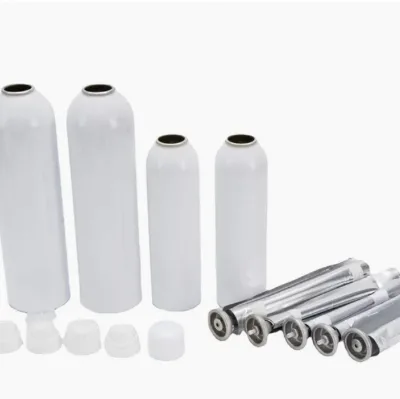
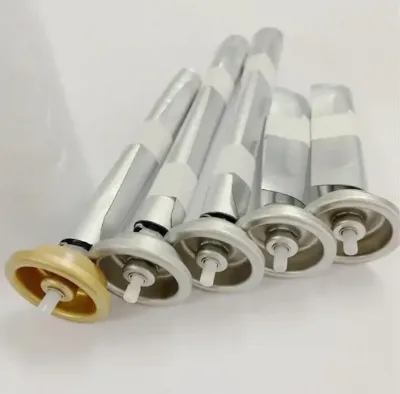
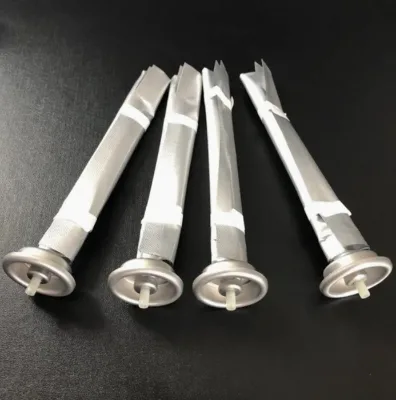


Aerosol Bag on Valve Cans Filling Manufacturer Use Environmental Protection Bov
$0.08 - $0.20
MOQ: 10000 Pieces


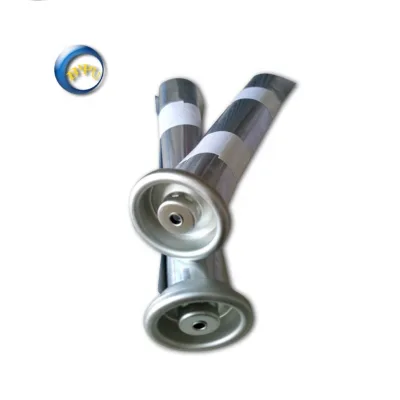
Comprehensive Sourcing Guide
Aerosol Bag Sourcing Guide
Procurement professionals must first distinguish between the specific Aerosol Bag-on-valve systems and general packaging pots when evaluating listings. The market data indicates a primary focus on aluminum-plastic laminated bags designed for 1-inch mouth aerosol cans, often paired with nylon stems and stainless steel springs. Buyers should verify that the listed product explicitly matches the "Aerosol Bag on Valve" designation rather than generic containers, as the functional integration with the valve cup is critical for performance.
Understanding the material composition is the second essential step, as the observed listings frequently specify aluminum foil or aluminum-plastic laminated materials for the bag itself. This construction is vital for maintaining product integrity in applications like oil sprays, nasal sprays, and cosmetics. Sourcing teams must confirm that the bag material aligns with the intended chemical compatibility of the product being packaged, ensuring that the aluminum foil layer provides the necessary barrier properties against moisture and oxygen.
Product Scope and Observed Listing Signals
The observed product range includes specific models such as BOV-114, BOV-116, and various ET-series units, all designed to function with 1-inch aluminum mounting cups. These listings signal a standardized interface where the bag size can be customized to fit the specific volume requirements of the aerosol can. Buyers should look for these model identifiers to ensure they are sourcing components that are mechanically compatible with their existing filling lines and canister specifications.
Listing signals also reveal a diversity in customization options, with many suppliers offering OEM design services and adjustable bag dimensions. The presence of free samples and a wide range of minimum order quantities suggests a flexible market capable of accommodating both prototype development and large-scale production runs. However, buyers must carefully cross-reference the stated application, such as nasal or cosmetic sprays, with the specific valve and bag configuration to avoid mismatches in performance or regulatory compliance.
Technical Specifications to Verify
Verification of the valve assembly components is paramount, as the observed data highlights specific materials like Buna gaskets, PE diptubes, and nylon stems. These individual parts must be checked for compatibility with the product formulation, as the gasket material determines chemical resistance while the stem material affects flow dynamics. Procurement teams should request detailed component breakdowns to ensure that the stainless steel spring and other internal mechanisms meet the pressure requirements of the specific aerosol application.
The physical dimensions and mounting standards require strict adherence to the 1-inch specification observed across multiple product models. Buyers must confirm that the mounting cup is made of aluminum or metal as listed, and that the bag size corresponds to the 50ml to 500ml range indicated in the product scope. Any deviation from these standard dimensions could lead to sealing failures or improper fitment within the aerosol can, necessitating a rigorous review of the technical drawings provided by the supplier.
Compliance and Safety Documentation
Documentation review should prioritize the presence of recognized certifications such as ISO, CE, CIQ, and SGS, which are frequently cited in the product listings. These certifications indicate that the supplier has undergone specific quality and safety audits, which is crucial for products intended for cosmetic or medical applications like nasal sprays. Buyers must request valid, current certificates for each batch or production run to ensure ongoing compliance with international safety standards.
In addition to general certifications, specific material safety data sheets and eco-friendly claims require validation against the actual product composition. While some listings mention eco-friendly attributes, buyers should verify the specific environmental standards met by the aluminum-plastic laminated materials. Ensuring that the packaging meets the regulatory requirements of the destination market is essential, particularly when the product involves direct contact with sensitive areas like the skin or nasal passages.
Cost Drivers and Commercial Terms
Pricing in this sector is heavily influenced by the complexity of customization and the volume of the order, with observed minimum order quantities ranging from 10 to 50,000 pieces. The cost structure often reflects the specific material choices, such as the use of aluminum foil versus standard plastic, and the level of OEM design required. Buyers should anticipate that lower MOQs may come with a higher unit price, while larger orders typically unlock more competitive pricing tiers.
Lead times and production schedules are another significant commercial factor, with delivery windows varying from 10 to 15 days for standard items and extending to 25-35 days for customized runs. The sample time of 5-7 days is a critical milestone for validating the product before committing to a full production order. Procurement planners must account for these timelines when scheduling production, ensuring that the supply chain remains resilient against potential delays in material sourcing or manufacturing.
Supplier Qualification and Quality Control
Supplier qualification should begin with a thorough assessment of their manufacturing location, with many observed listings originating from Guangdong, China. This region is known for its concentration of packaging manufacturers, but buyers must verify the specific factory capabilities and quality control processes in place. Requesting a facility audit or a detailed quality assurance plan is essential to ensure that the production environment meets the required standards for medical or cosmetic packaging.
Quality control protocols must include rigorous testing of the valve assembly and bag integrity under simulated usage conditions. Buyers should insist on pre-shipment inspections that verify the gasket seal, spring tension, and overall structural integrity of the aluminum-plastic bag. Establishing clear acceptance criteria for defects and implementing a robust sampling plan will help mitigate the risk of receiving non-conforming products that could compromise the final aerosol can performance.
Long-Term Procurement Checks
Establishing a long-term partnership requires regular performance reviews that track consistency in material quality and delivery reliability over time. Buyers should monitor the supplier's ability to maintain the specified 1-inch standard and aluminum cup compatibility across multiple production batches. Consistent adherence to these technical specifications is vital for maintaining the integrity of the final product and ensuring that the supply chain remains stable.
Continuous improvement initiatives should be encouraged, focusing on the supplier's ability to adapt to changing market demands or regulatory updates. Buyers should engage in periodic discussions regarding potential material innovations or process improvements that could enhance the eco-friendly attributes of the packaging. Maintaining an open line of communication and setting clear expectations for future orders will foster a collaborative relationship that supports long-term procurement success.
FAQs
What materials are used in Aerosol Bag valves?
Aerosol Bag valves typically use aluminum-plastic laminated materials for the bag itself, ensuring product integrity. The valve components include a nylon stem, Buna gasket, and stainless steel spring. The mounting cup is often made of aluminum or metal. These materials work together to provide durability and compatibility with various aerosol can types.
Can I customize the size of the Aerosol Bag?
Yes, customization is available for the Aerosol Bag size. The standard specification is a 1-inch valve cup, but the bag dimensions can be tailored to specific needs. This flexibility allows for medium-sized packaging pots ranging from 50ml to 500ml. Buyers should confirm exact dimensions with suppliers to ensure proper fit within their aerosol cans.
What is the typical MOQ for Aerosol Bag valves?
The minimum order quantity varies by supplier and product model. Some models require an MOQ of 10,000 pieces, while others may start at 30,000 pieces. Certain listings indicate a lower entry point of 10 pieces for sampling or small batches. Buyers should verify the specific MOQ for their chosen model and customization requirements before placing orders.
How long is the delivery time for these valves?
Delivery times generally range from 10 to 15 days for standard production runs. Some suppliers indicate a production time of 25 to 35 days for larger or customized orders. Sample times are typically shorter, around 5 to 7 days. Lead times depend on order volume, customization complexity, and current factory capacity.
Which certifications are common for Aerosol Bag suppliers?
Common certifications include ISO, CE, CIQ, and SGS. Some suppliers also hold Fed and Fad certifications. These credentials indicate compliance with international quality and safety standards. Buyers should request valid certification documents to verify that the manufacturer meets regulatory requirements for their target markets and product applications.
What applications are suitable for Aerosol Bag valves?
These valves are suitable for oil spray, nasal spray, and cosmetic spray applications. They are designed to work with 1-inch mouth aerosol cans. The aluminum foil bag helps preserve product freshness and prevents contamination. This makes them ideal for sensitive formulations in personal care, health, and industrial sectors.