Source LPG Gas Cylinder for Cooking and Camping Solutions
Find reliable LPG Gas Cylinder for Cooking and Camping applications among 30 available options. Compare specifications including water capacity, working pressure, and material standards to select the right vessel for your needs; compare the available evidence and request quotations based on your requirements.
Key considerations
Products List


10kg 24.5L Portable Composite LPG Gas Cylinder for Camping and Cooking
$29.00 - $32.00
MOQ: 100 Pieces

Wholesale Promotional Cooking Camping Portable Composite LPG Gas Cylinder
$29.00 - $32.00
MOQ: 100 Pieces


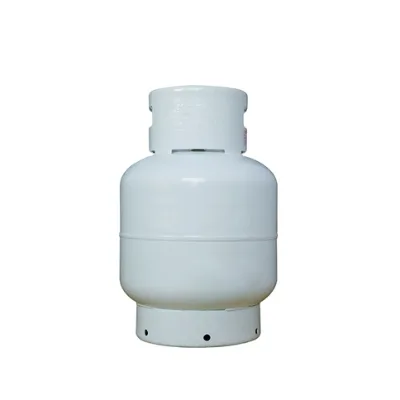
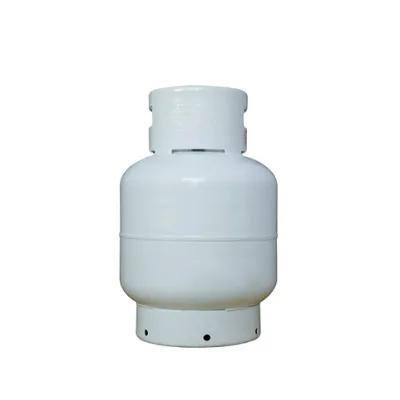


Hot Sale Cooking Gas Cylinder 3kg 7.2 Liters Camping Liquefied Gas Bottle
$7.00 - $9.80
MOQ: 500 Pieces


ISO9001 Certified Africa 6kg Camping Household 6kg Liquefied Gas Cylinder
$8.20 - $9.80
MOQ: 500 Pieces


Comprehensive Sourcing Guide
LPG Gas Cylinder for Cooking and Camping Sourcing Guide
Procuring LPG gas cylinders for cooking and camping requires a careful balance between portability, safety, and regulatory compliance. Buyers must first distinguish between industrial storage vessels and consumer-grade cylinders, as the latter are subject to stricter design and testing standards. The observed market signals indicate a wide range of capacities, from small 3kg units to larger 15kg and 19kg models, each serving distinct use cases. Small cylinders are ideal for portable camping stoves, while larger units are better suited for fixed outdoor cooking setups or residential backup power. Understanding these distinctions is crucial for selecting the right product for your specific operational needs.
The sourcing landscape is dominated by manufacturers in China, with many suppliers offering customization options for color, branding, and specific valve configurations. Observed listings highlight various models, including those adhering to ISO4706 and EN12245 standards, which are critical for international trade. Buyers should note that while many products are labeled as "new," verifying the manufacturing date and storage conditions is essential to ensure the integrity of the steel and internal coatings. Additionally, the availability of different steel grades, such as HP295, suggests that material quality varies, necessitating thorough due diligence before placing bulk orders.
Product Scope and Observed Listing Signals
The current market offers a diverse array of LPG cylinders tailored for both domestic and recreational use. Listings frequently feature models with water capacities ranging from 12 liters to 30.5 liters, corresponding to propane capacities of approximately 5kg to 12.5kg. These variations allow buyers to match cylinder size with expected consumption rates, ensuring efficiency for both short camping trips and long-term residential use. The presence of specific model numbers, such as LPG-24.5L and LPG-30.5L, indicates a standardized approach to sizing, which simplifies inventory management for distributors and retailers.
In addition to capacity, the physical dimensions and weight of the cylinders are key differentiators. For instance, the 24.5L model has a length of 580mm and a tare weight of around 10kg, while the 30.5L variant measures 680mm in length. These specifications are vital for logistics planning, as they determine packaging density and shipping costs. Buyers should also pay attention to the packing configurations, such as 40HQ containers, which can significantly impact the overall landed cost. Understanding these physical attributes helps in optimizing supply chain efficiency and ensuring that the product fits the intended retail or usage environment.
Technical Specifications to Verify
When evaluating technical specifications, pressure ratings are a primary concern for safety and performance. Observed data indicates that many cylinders operate at a medium pressure level, with working pressures around 20 bar and hydrostatic test pressures up to 30 or 34 bars. These ratings must align with the intended application, as higher pressures are required for certain industrial uses but may be unnecessary for standard cooking and camping scenarios. Buyers should verify that the selected cylinder meets the pressure requirements of their specific appliances, ensuring compatibility and safe operation under varying ambient temperatures, which can range from -40 to 60 degrees Celsius.
Material composition and wall thickness are equally critical factors that influence durability and safety. The use of 20# steel for spuds and bungs, along with HP295 steel for the main body, suggests a focus on structural integrity. However, buyers must confirm the exact wall thickness, as observed listings show variations such as 1.5mm for certain models. Thicker walls generally offer better resistance to corrosion and physical damage, which is particularly important for camping equipment that may be subjected to rough handling. Additionally, verifying the thread specifications, such as the 25e standard, ensures that the cylinder will properly connect to regulators and valves, preventing leaks and ensuring a secure fit.
Compliance and Safety Documentation
Compliance with international standards is non-negotiable for LPG cylinders, especially those intended for export. The observed listings reference standards such as ISO4706 and EN12245, which provide guidelines for the design, manufacturing, and testing of LPG cylinders. Buyers must ensure that the supplier can provide valid certification documents proving adherence to these standards. For markets in Europe, EN12245:2009 is particularly relevant, while ISO4706 is widely recognized globally. Without proper documentation, cylinders may be rejected at customs or deemed unsafe for use, leading to significant financial and reputational risks.
Safety features and testing procedures are another critical aspect of compliance. Cylinders must undergo rigorous hydrostatic testing to verify their ability to withstand pressure without failure. Buyers should request test reports and certificates of conformity from the manufacturer, ensuring that each batch has been inspected and approved. Additionally, the presence of safety devices, such as pressure relief valves, is essential to prevent accidents in case of over-pressurization. Verifying that these components are installed correctly and meet the required specifications is a vital step in the procurement process, as it directly impacts the safety of the end-user.
Cost Drivers and Commercial Terms
Several factors influence the final cost of LPG cylinders, with raw material prices being a primary driver. Steel prices fluctuate based on global market conditions, directly impacting the manufacturing cost of the cylinders. Buyers should monitor these trends and consider locking in prices through long-term contracts if possible. Additionally, the level of customization, such as specific colors or branding, can add to the cost. While customization is available, it may require higher minimum order quantities (MOQs), which can affect cash flow and inventory management for smaller buyers.
Commercial terms, including MOQs and payment conditions, also play a significant role in the overall cost structure. Observed MOQs range from as low as 3 units to as high as 50,000 units, offering flexibility for different buyer sizes. However, higher MOQs often come with better unit prices, making them attractive for large-scale distributors. Payment terms, such as letters of credit or advance payments, can also impact the financial risk and cash flow. Buyers should negotiate terms that align with their financial capabilities and risk tolerance, ensuring a smooth transaction process.
Supplier Qualification and Quality Control
Selecting a reliable supplier is crucial for ensuring the quality and safety of LPG cylinders. Buyers should conduct thorough due diligence, verifying the supplier’s manufacturing capabilities, quality control processes, and track record. Requesting samples before placing bulk orders is a recommended practice, allowing buyers to inspect the physical quality, finish, and compliance of the product. Additionally, checking for relevant certifications and audits, such as ISO9001, can provide assurance of the supplier’s commitment to quality management.
Quality control should extend beyond the initial sample approval to include ongoing monitoring of production batches. Buyers should establish clear quality standards and inspection criteria, which can be enforced through third-party inspection services if necessary. Regular communication with the supplier regarding any changes in materials or manufacturing processes is also essential to maintain consistency. By implementing a robust quality control system, buyers can minimize the risk of receiving defective products and ensure that the cylinders meet the required safety and performance standards.
Long-Term Procurement Checks
Long-term procurement success depends on continuous monitoring of supplier performance and market dynamics. Buyers should regularly review supplier delivery times, product quality, and responsiveness to issues. Establishing key performance indicators (KPIs) can help in objectively assessing supplier performance and identifying areas for improvement. Additionally, staying informed about changes in regulations and standards is crucial, as non-compliance can lead to legal and operational challenges. Buyers should maintain open lines of communication with suppliers to stay updated on any regulatory changes that may affect their products.
Building a resilient supply chain involves diversifying suppliers and maintaining strategic relationships with key partners. This approach can mitigate risks associated with supply disruptions, such as raw material shortages or geopolitical issues. Buyers should also consider the environmental impact of their procurement decisions, exploring options for sustainable materials and manufacturing processes. By adopting a proactive and strategic approach to procurement, buyers can ensure the long-term availability of high-quality LPG cylinders while minimizing risks and costs.
FAQs
What pressure levels are available for these LPG cylinders?
These cylinders operate at medium pressure levels ranging from 1.6MPa to under 10.0MPa. Specific models support working pressures of 20bar with hydraulic test pressures reaching 30bar or 34bars depending on the specific unit configuration and intended application.
Which standards do the LPG gas cylinders meet?
The products comply with ISO4706 and EN12245 standards for LPG cylinders. Some units are explicitly certified as CE Standard LPG Gas Cylinders, ensuring they meet international safety and manufacturing requirements for liquefied gas storage and transport applications.
Can I customize the color and specifications of the cylinder?
Yes, customization is available for color and various product specifications. Buyers can request specific packing arrangements based on their needs, and the cylinders are designed to accommodate different capacities like 3kg, 12.5kg, or 15kg depending on the model selected.
What is the maximum filling quality for the 12-liter cylinder?
The maximum filling quality for the 12-liter water capacity cylinder is 5kg. This specific model is designed for applications such as cooking or camping, utilizing HP295 steel or equivalent materials to ensure safety and durability during operation.
How long is the cylinder without the valve attached?
The length without the valve varies by model, with some measuring 680mm and others 580mm or 570mm. These dimensions correspond to different water capacities like 30.5L or 24.5L, ensuring the physical size matches the intended gas storage volume requirements.
What ambient temperature range can the cylinder withstand?
The cylinders are rated to function safely within an ambient temperature range of -40 to 60 degrees Celsius. This wide operational range ensures reliability for both indoor cooking and outdoor camping scenarios across various climatic conditions and seasonal changes.