Source Agricultural Tricycle for Cargo, Farm Work, and City Transport
Find 30 Agricultural Tricycle models with diesel or gasoline power options for cargo, farm work, and city transport. Compare specifications including displacement, wheel distance, and body types from verified suppliers in China.
Key considerations
Products List


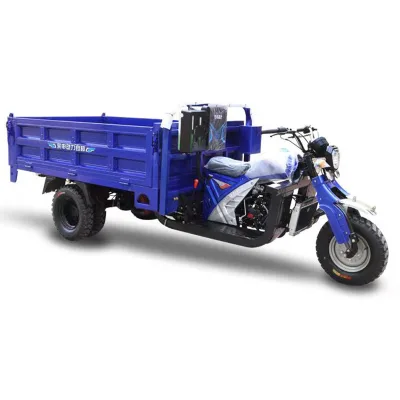


250cc Tricycle Popular Agricultural Gasoline Tricycle Cargo Motorcycle Tricycles
$1399.00 - $3299.00
MOQ: 1 Pieces


Hot Selling Tricycle Freight Agricultural Tricycle Three Wheels Tricycle
$2300.00 - $2400.00
MOQ: 1 Sets

Hot Selling Tricycle Freight Agricultural Tricycle Three Wheels Tricycle
$2300.00 - $2400.00
MOQ: 1 Sets


Three Wheeled Tricycle Motorcycle Cargo Agricultural Tricycle 150cc Motorized Tricycle
$1100.00 - $1200.00
MOQ: 100 Sets
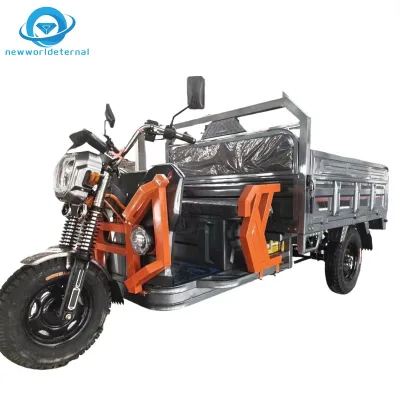


Comprehensive Sourcing Guide
Agricultural Tricycle Sourcing Guide
The Agricultural Tricycle market presents a diverse range of utility vehicles designed specifically for farm work and rural cargo transport. Based on observed listings, these units are frequently categorized by their power source, with options available in both diesel and gasoline configurations, alongside electric variants. Buyers must distinguish between models intended for heavy cargo hauling and those optimized for passenger transport, as the structural design and load-bearing capacities vary significantly between these use cases. The observed product attributes indicate a strong focus on multifunctional applications, with specific models tailored for rescure operations and general city transport, though the primary market signal remains firmly rooted in agricultural utility.
When evaluating potential inventory, procurement teams should note the variation in engine displacement, which ranges from compact 110CC units to robust 300CC and larger configurations. This variance directly impacts the vehicle's suitability for different terrain types and load requirements, necessitating a clear definition of operational needs before engaging with suppliers. The observed data highlights that while some units are marketed with high safety levels and high performance keywords, the actual specifications such as wheel distance and bucket capacity must be verified against the specific demands of the intended farming environment. Understanding these distinctions is critical for selecting a vehicle that balances power, efficiency, and durability for long-term agricultural deployment.
Product Scope and Observed Listing Signals
The product scope for agricultural tricycles in the current market is defined by a mix of closed and open body types, catering to different weather protection and cargo access needs. Listings indicate that these vehicles are available in various colors, including red, blue, and orange, and can be customized to specific buyer requirements. The core components typically include the engine and motor, with displacement options spanning from 111-150CC up to 250CC and beyond, allowing for a tailored approach to power delivery. Buyers should observe that the wheel configuration is consistently three-wheel, which offers a compact footprint suitable for narrow farm paths while maintaining stability under load.
Commercial signals from the market reveal a wide range of selling units, often starting from single items, with minimum order quantities (MOQ) observed between 1 and 100 units. This flexibility suggests that the market accommodates both individual farm purchases and larger fleet acquisitions. The observed bucket capacity ranges from 400kg to 800kg, providing a clear metric for evaluating the hauling potential of different models. Additionally, the presence of specific model numbers such as TT250ZH-A and various displacement codes like 150cc or 200cc indicates a standardized naming convention that buyers can use to cross-reference technical data and ensure they are ordering the correct configuration for their specific agricultural tasks.
Technical Specifications to Verify
Engine displacement and power type are the primary technical variables that determine the operational efficiency of an Agricultural Tricycle. Buyers must verify whether the unit is powered by diesel, gasoline, or electric systems, as this choice affects fuel availability, maintenance requirements, and operating costs in rural settings. The observed data shows displacement ranges from ≤110CC to >250CC, with specific models offering 150, 175, 200, 250, 300, and 350CC options. It is essential to match the engine size to the expected load and terrain; for instance, heavier cargo operations may require the higher displacement engines, while lighter transport tasks might be adequately served by the smaller 110CC or 150CC units.
Physical dimensions and structural integrity are equally critical for ensuring the vehicle fits within operational constraints and can withstand the rigors of farm work. The wheel distance is a key specification, with observed values ranging from 1040mm to over 1110mm, influencing the vehicle's stability and turning radius. Buyers should also verify the bucket size, which is noted as available in a variety of sizes, and confirm the exact dimensions against the standard measurements provided, such as 347513001460mm or 3.851.451.50m. Additionally, the weight of the unit, observed at 430kg, and the speed capability, typically around 40km/h, must be assessed to ensure they align with local road regulations and the specific speed requirements of the agricultural workflow.
Compliance and Safety Documentation
Certification status is a non-negotiable aspect of sourcing agricultural tricycles, particularly when importing or operating in regulated markets. The observed listings frequently cite certifications such as CCC, CE, ISO 9001, EPA, DOT, and RoHS, indicating that manufacturers are adhering to various international and domestic safety and environmental standards. Buyers must request and verify the validity of these certificates for the specific model being purchased, as the presence of a certification on a general listing does not guarantee that every unit in a batch meets the same rigorous criteria. The combination of these certifications suggests a focus on both environmental compliance and mechanical safety, which is vital for long-term operational reliability.
Safety documentation should also include machinery test reports, which are noted as provided in several listings. These reports offer empirical evidence of the vehicle's performance under stress and can reveal critical data regarding braking efficiency, structural strength, and engine durability. For applications involving rescure or heavy cargo transport, the "High Safety Level" selling point must be substantiated by these test results rather than accepted as a marketing claim. Procurement teams should ensure that the test reports are current and specific to the model number and engine configuration being ordered, as safety standards can vary significantly between different production batches and engine types.
Cost Drivers and Commercial Terms
The pricing structure for agricultural tricycles is influenced by a combination of engine displacement, body type, and the level of customization required. Observed price ranges in the market span from $330 to $3,299, reflecting the vast difference between basic utility models and more complex, high-displacement units with advanced features. Buyers should anticipate that higher displacement engines, such as those exceeding 250CC, and specialized body types like closed cabins will command a premium over standard open-body cargo models. Additionally, the availability of customization options, including color and specific bucket sizes, can introduce variable costs that need to be factored into the total budget.
Commercial terms regarding packaging and shipping are also significant cost drivers that affect the final landed cost of the vehicle. The observed data indicates that products are available in various packing formats, including spraying bare packaging, CBU (Complete Built Unit), SKD (Semi-Knocked Down), and CKD (Completely Knocked Down). The choice of packaging impacts shipping volume and assembly requirements at the destination; for example, SKD and CKD options may reduce shipping costs but require local assembly capabilities and labor. Buyers must clarify the Incoterms and ensure that the supplier's packing method aligns with their logistical capabilities and budget constraints to avoid unexpected expenses during the import process.
Supplier Qualification and Quality Control
Supplier qualification for agricultural tricycles requires a thorough vetting of the manufacturer's origin and production capabilities. The observed data points to suppliers primarily located in Shandong and Henan, China, regions known for their manufacturing infrastructure. Buyers should verify the specific place of origin for the unit they are purchasing, as production standards can vary between different factories even within the same province. It is crucial to confirm that the supplier has a proven track record in producing the specific model number and engine configuration required, rather than relying on general company reputation alone.
Quality control processes must be rigorously defined to ensure that the delivered vehicles meet the promised specifications. The presence of a machinery test report and core component warranties, such as the observed 1-year warranty, indicates a baseline level of quality assurance. However, buyers should establish clear protocols for inspecting the engine, motor, and structural components upon delivery to verify that they match the ordered specifications. Given the variation in wheel distance and bucket capacity, a pre-shipment inspection or a third-party quality audit is recommended to confirm that the physical attributes of the tricycle align with the technical data provided in the product listing.
Long-Term Procurement Checks
Sustaining a reliable supply chain for agricultural tricycles involves monitoring the consistency of product attributes over time. Buyers should regularly verify that the displacement, wheel distance, and bucket capacity remain consistent with the initial order, as manufacturers may alter specifications to reduce costs or adapt to supply chain constraints. The observed range of model numbers and engine options suggests a dynamic market where product lines are frequently updated; therefore, maintaining open communication with the supplier to confirm that the specific model numbers, such as TT250ZH-A, are still in production is essential for long-term planning.
Finally, the long-term viability of the procurement strategy depends on the availability of spare parts and after-sales support. The core components, including the engine and motor, are critical to the vehicle's operation, and buyers must ensure that the supplier can provide a steady supply of replacement parts for the specific engine models ordered. The 1-year warranty period is a starting point, but buyers should negotiate extended support terms or establish a local inventory of critical components to minimize downtime. By focusing on these long-term checks, procurement teams can ensure that their Agricultural Tricycle fleet remains operational and efficient throughout its intended service life.
FAQs
What certifications do these agricultural tricycles have?
These tricycles hold CCC, ISO 9001, and CE certifications. Some models also include EPA, DOT, and RoHS compliance. Buyers should verify specific certification lists for each model number before ordering to ensure regulatory compliance in their target regions.
Which engine displacement options are available for cargo use?
Available displacements range from 111-150CC up to over 250CC. Specific models include 150cc, 175cc, 200cc, 250cc, 300cc, and 350cc engines. Diesel and gasoline power options exist, allowing selection based on fuel availability and performance needs for farm work.
Can I customize the color and body type of the vehicle?
Customization is available for colors like red, blue, and orange, as well as body types. Buyers can choose between closed or open body configurations. The product supports customization requests, ensuring the vehicle meets specific operational or branding requirements for agricultural transport.
What is the maximum bucket capacity for transporting goods?
The bucket capacity ranges from 400kg to 800kg depending on the specific model. This capacity supports efficient transport of goods for farm work and city transport. Buyers should confirm the exact capacity for their chosen model number to ensure it meets their load requirements.
Where are these agricultural tricycles manufactured and shipped from?
Products originate from Shandong and Henan provinces in China. The manufacturing location is explicitly stated as China for various models. Buyers should note the origin when calculating shipping costs and lead times for international orders to ensure accurate logistics planning.
What warranty period is provided for the engine and motor?
A standard one-year warranty covers the core components including the engine and motor. This warranty applies to the machinery test report provided with the product. Buyers should review the specific warranty terms for their selected model to understand coverage limits and conditions.