Find Agricultural Thermal Fogger Machine for pest control, disinfection, and cooling
Source 30 Agricultural Thermal Fogger Machine listings with varying capacities and power sources. Buyers can compare features like nozzle types, fuel options, and spray shapes to select the right unit for pest control, disinfection, or cooling applications.
Key considerations
Products List

Thermal Fogging Machine Agricultural Pesticide Mosquito Sprayer Fogger Sprayer
$132.00 - $145.00
MOQ: 10 pieces


Thermal Fogger Ulv Cold Fogger Machine Agriculture Disinfectant Thermal Fogger
$110.00 - $125.00
MOQ: 20 Pieces


Mist Machine Pesticide Fumigation Thermal Water Fog Fogging Fogger Sprayer Machine
$150.00 - $155.00
MOQ: 5 Pieces


Agriculture Thermal Fogger Machine Fumigation Sprayer Pest Control Mist Fogging Machine
$100.00 - $120.00
MOQ: 10 Pieces


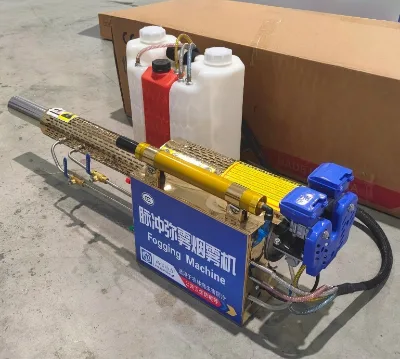
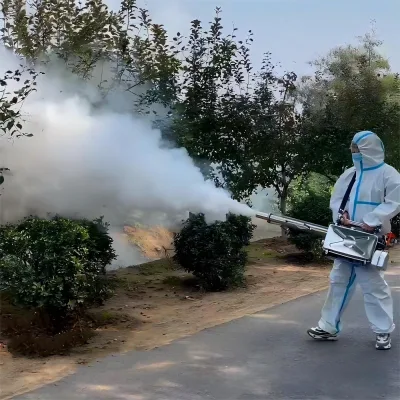
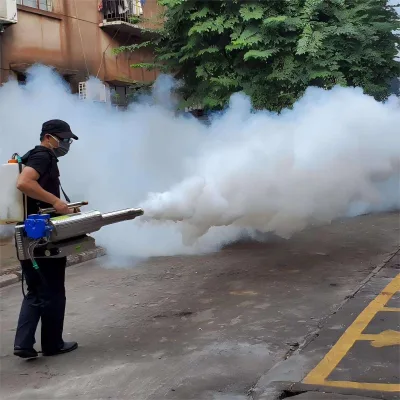
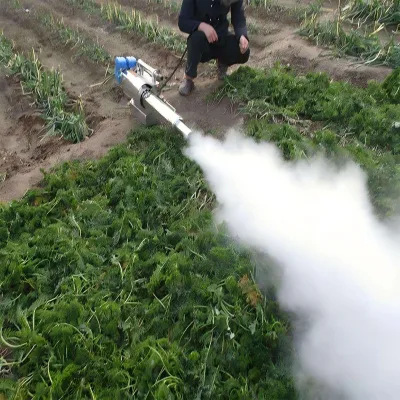
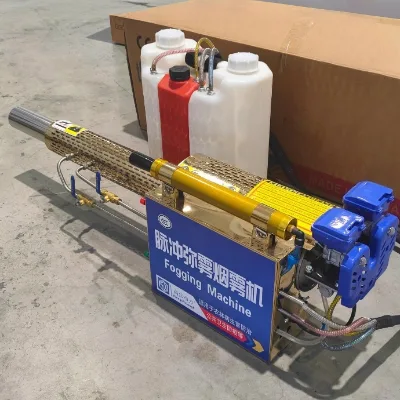
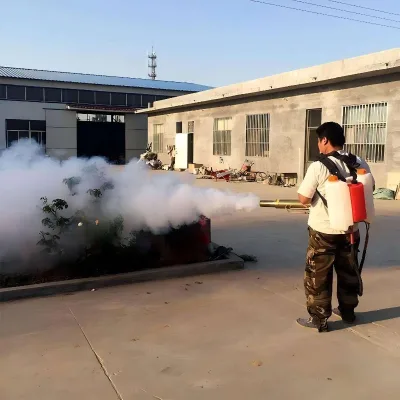
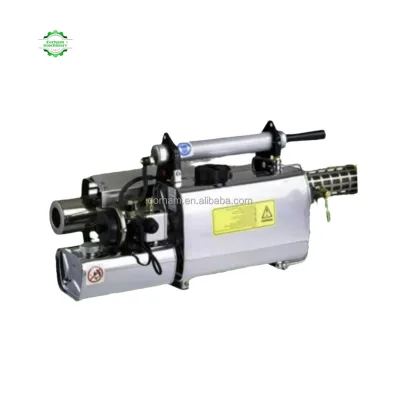

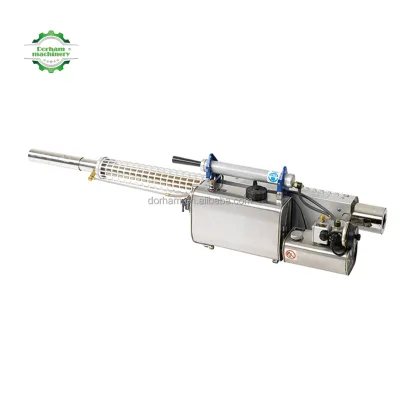
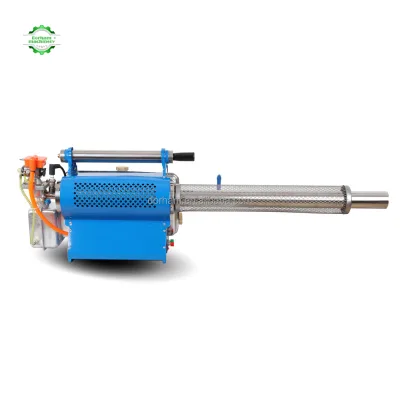

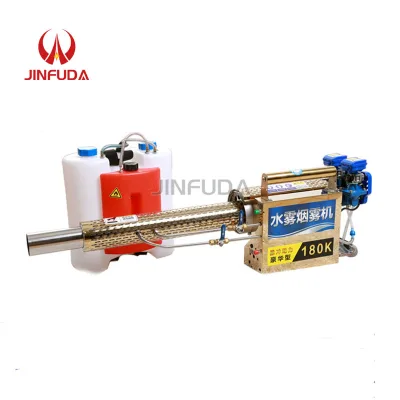

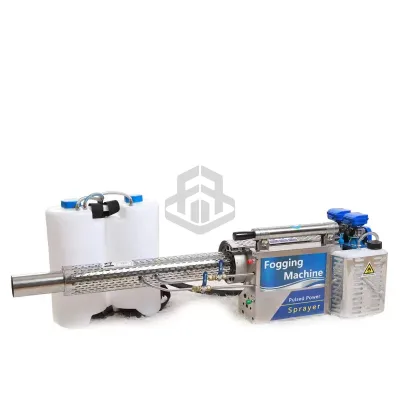
Comprehensive Sourcing Guide
Strategic Sourcing Guide for Agricultural Thermal Fogger Machines
Understanding Core Technical Specifications and Variants
When sourcing agricultural thermal fogger machines, buyers must first distinguish between the specific operational mechanisms and physical configurations available in the current market. The product landscape for this core keyword reveals a diverse array of units, ranging from knapsack-style portable devices to larger stationary or vehicle-mounted systems. A critical observation from current listings indicates that "Knapsack" type units are prevalent, often designed for manual operation in dense crop canopies or hard-to-reach areas. These units frequently utilize a "Gasoline Engine" as their primary power source, ensuring independence from electrical grids in remote agricultural zones.
The technical architecture of these machines varies significantly regarding nozzle configuration and spraying patterns. Some models are equipped with "Three Nozzles" to achieve a "Full Cone" spraying shape, which is essential for uniform coverage in large-scale field applications. In contrast, other listings highlight "Trigger Sprayer" types or "Sprayer Parts" that may serve different, more localized functions. The liquid containment capabilities also differ; observed specifications include capacities such as "2*8L" or "8lx2," suggesting dual-tank configurations for extended operational hours without refueling. Additionally, the material composition of the tanks and structural components is a key differentiator, with "Stainless Steel" and "PE" (Polyethylene) being the most commonly cited materials. Stainless steel offers superior durability against corrosive agricultural chemicals, while PE provides a lightweight alternative for smaller capacity units.
The following table summarizes the observed technical attributes found in current market listings to assist buyers in categorizing potential suppliers:
| Attribute Category | Observed Specifications | Application Implication |
|---|---|---|
| Power Source | Gasoline Engine, Electric Start | High mobility; requires fuel logistics |
| Tank Capacity | 2*8L, 15L, 2L, >500ml | Determines operational duration per fill |
| Spray Type | Smoke / Mist, Liquid Column | Fogging for pests vs. liquid for foliar feeding |
| Nozzle Config | Three Nozzles, External/Internal Thread | Coverage width and connection flexibility |
| Material | Stainless Steel, PE | Corrosion resistance vs. weight reduction |
| Weight | 8.5kg (Knapsack) | Ergonomics for manual carrying |
Buyers must verify that the specific model number, such as "NTS180K," "180," "120," or "UW120Q," aligns with the intended application. The "Flow Rate" is another critical metric, with observed values around "2.0(L/Min)" indicating the volume of liquid or fog dispensed per minute. This directly impacts the speed of treatment and the concentration of the active ingredient delivered to the crop.
Compliance, Certification, and Safety Standards
Navigating the compliance landscape for agricultural machinery requires a disciplined approach to verifying safety and environmental standards. While many suppliers may claim adherence to international frameworks, buyers must rely on verifiable documentation rather than marketing assertions. The supplied data does not confirm specific certification statuses for all listed units, though general industry knowledge suggests that certifications like ISO 9001, CE, and ISO 14001 are common benchmarks for quality and environmental management. However, these should not be assumed for any specific product without explicit proof from the supplier.
Safety is paramount when dealing with gasoline-powered engines and chemical dispensing systems. Buyers should prioritize suppliers who can demonstrate compliance with local emission standards and machine safety directives. The "Gasoline Oil" fuel requirement necessitates that the machine is designed to handle volatile liquids safely, with proper ventilation and spark arrestor mechanisms. Furthermore, the "Disinfector" and "Medicine" applications imply that the machine must be compatible with a wide range of chemical viscosities and corrosive agents. The "Stainless Steel" construction is often a prerequisite for meeting hygiene and chemical resistance standards in these contexts.
When evaluating a supplier, request specific test reports that validate the machine's performance under load. Do not accept generic statements about "compliance." Instead, ask for the specific standard numbers referenced in the product documentation. For instance, if a supplier claims a "prod_standard" of "70cm*38cm" or "210cc," these are dimensional or volumetric specifications that must be physically verified. Similarly, the "130" or "15L" standards listed in some entries require clarification on whether they refer to engine displacement, tank capacity, or a specific regulatory code. Without explicit confirmation, these values should be treated as observations that require validation during the sampling phase.
Cost Drivers and Pricing Structure Analysis
The pricing of agricultural thermal fogger machines is influenced by a complex interplay of factors, including material costs, engine quality, and manufacturing complexity. The observed price range in the market spans from approximately $41.39 to $3,000 USD. This wide disparity indicates that buyers are not purchasing a single product category but rather a spectrum of equipment ranging from simple hand-held sprayers to heavy-duty knapsack foggers with advanced engine systems.
Several key drivers contribute to the final cost. First, the engine type is a significant factor; units with "Electric Start" capabilities and robust "Gasoline Engines" command higher prices than manual start counterparts. Second, the material of construction plays a vital role. Machines constructed with "Stainless Steel" tanks and components are generally more expensive than those using "PE" or plastic composites due to the raw material costs and manufacturing processes involved. Third, the capacity of the tank, such as the "2*8L" configuration versus a "2L" unit, directly impacts the price. Larger capacities require more material and often necessitate stronger structural supports and more powerful pumps.
The "MOQ" (Minimum Order Quantity) also affects the unit cost structure. Observed MOQs range from 1 to 50 units, with a specific listing noting an MOQ of "10PCS." Buyers purchasing at the lower end of the volume spectrum may face higher per-unit costs but benefit from lower capital outlay. Conversely, bulk purchases can leverage economies of scale, though the specific discount structures are not universally standardized. The "Packing" method, whether "Carton" or "Box," can also influence logistics costs, especially for international shipments where volume and weight are critical. The "Total Volume" of a shipment, noted as "0.5cbm" in some contexts, is a crucial figure for freight calculations.
Buyers should be wary of prices that seem abnormally low, as they may indicate compromised quality in the engine or tank materials. Conversely, the highest-priced units should be scrutinized to ensure that the added cost corresponds to tangible benefits, such as extended warranty, superior corrosion resistance, or higher flow rates. The "Customization" availability is another cost variable; requests for "Customzied" colors or specific technical modifications will invariably increase the unit price and potentially the lead time.
Typical Applications and Operational Scenarios
The versatility of agricultural thermal fogger machines allows them to serve a multitude of functions beyond simple pest control. The primary application observed is "Disinfecting," where the machine generates a fine "Smoke / Mist" to penetrate dense foliage or enclosed spaces. This is particularly effective for controlling airborne pathogens or insects that are difficult to reach with standard liquid sprayers. The "Full Cone" spraying shape ensures a wide coverage area, making these machines ideal for orchards, greenhouses, and large field crops.
In addition to disinfection, these machines are utilized for the application of "Medicine" and other agricultural chemicals. The ability to handle various liquid viscosities, facilitated by the "Injection Molding" or "Bottle Blowing" manufacturing techniques used in component production, allows for the dispensing of fertilizers, herbicides, and insecticides. The "Knapsack" design is specifically tailored for scenarios where mobility is essential, such as navigating through narrow rows of crops or working in uneven terrain where larger machinery cannot operate.
The "Three Nozzles" configuration suggests an application where high-volume, rapid coverage is required. This is often used in emergency pest control scenarios or large-scale sanitation efforts. The "Liquid Column" spraying shape, observed in some listings, may be more suitable for targeted application on specific plants or areas where drift is a concern. The "External Thread Connection" and "Internal Threaded Connection" options provide flexibility in attaching different types of nozzles or hoses, allowing the machine to adapt to various operational needs.
For buyers, understanding the specific application is crucial for selecting the right model. A machine designed for "Disinfector" use in a confined space may differ significantly from one intended for open-field "Medicine" application. The "Flow Rate" of 2.0 L/Min is a critical parameter here; it determines how quickly the chemical is applied. For large-scale operations, a higher flow rate reduces the time required to treat a given area, thereby increasing operational efficiency.
Supplier Evaluation and Verification Protocols
Evaluating suppliers for agricultural thermal fogger machines requires a rigorous due diligence process that goes beyond simple price comparison. Buyers must verify the supplier's ability to deliver consistent quality and technical support. The "prod_origin" of "China" is a common origin for these products, but this does not guarantee uniform quality across all manufacturers. Buyers should request detailed company profiles, including production capacity, quality control processes, and after-sales service capabilities.
One of the most critical aspects of supplier evaluation is the verification of product attributes. The "Customization" feature is a strong indicator of a supplier's flexibility and manufacturing capability. However, buyers must ensure that the customization process does not compromise the structural integrity or safety of the machine. For instance, changing the color to "Customzied" should not affect the UV resistance or chemical compatibility of the tank material.
Suppliers should also be able to provide clear documentation regarding the "prod_model" and "prod_standard." For example, a model labeled "UWSS200" or "UW120Q" should have a corresponding technical datasheet that details the engine specifications, tank capacity, and flow rate. The "Piece" count, such as "2 PCS," may refer to the number of nozzles or components included in the standard package, which needs to be clarified to avoid confusion.
Communication is another key factor. Suppliers who can respond promptly to technical queries and provide detailed information about the "Installation" process (e.g., "Internal Threaded Connection" vs. "External Thread Connection") are more likely to be reliable partners. Buyers should also inquire about the "Packing" standards, such as "Carton Packing" or "Box," to ensure that the products will arrive in good condition. The "Weight" of the unit, such as "8.5kg," is a practical consideration for logistics and handling, and suppliers should be transparent about these figures.
Quality Control and Long-Term Procurement Considerations
Ensuring the long-term reliability of agricultural thermal fogger machines requires a proactive approach to quality control and maintenance planning. The "Technics" used in manufacturing, such as "Injection Molding" or "Bottle Blowing," directly impact the durability of the components. Buyers should request samples or conduct factory audits to verify that the manufacturing processes meet the required standards. The "Material" composition, particularly the use of "Stainless Steel" versus "PE," should be verified through material certification or third-party testing.
Maintenance is a critical component of long-term procurement. The "Gasoline Engine" requires regular servicing, including oil changes, filter replacements, and spark plug maintenance. Buyers should ensure that the supplier provides a comprehensive maintenance manual and has a supply chain for spare parts. The "Nozzle" configuration, with "Three Nozzles" being a common setup, should be designed for easy replacement or cleaning to prevent clogging, which can significantly reduce efficiency.
The "Flow Rate" and "Spraying Shape" are performance metrics that should be monitored over time. A decline in flow rate or a change in the spraying pattern may indicate wear and tear or a need for component replacement. Buyers should establish a schedule for regular inspections and performance testing to catch issues early. The "Total Volume" of the shipment and the "Packing" method should also be considered in the context of storage and transportation to prevent damage during transit.
Finally, buyers should consider the "Customization" options as a long-term strategy. If the initial order requires specific modifications, the supplier should be able to replicate these changes for future orders. This ensures consistency in the equipment fleet and simplifies training and maintenance. By focusing on these quality control and long-term considerations, buyers can secure a reliable supply of agricultural thermal fogger machines that meet their operational needs and provide a strong return on investment.
FAQs
Can I customize the color of the Agricultural Thermal Fogger Machine?
Yes, customization is available for the color of the machine. You can request specific colors like orange or other custom options depending on the supplier's capabilities and production requirements.
What is the minimum order quantity for these fogger machines?
The minimum order quantity varies by supplier but typically starts at 10 pieces. Some listings allow for smaller orders of just one unit, while others may require up to 50 units for bulk pricing.
Which power source is used for the knapsack type fogger machine?
The knapsack type fogger machine primarily uses a gasoline engine as its power source. Some models also feature an electric start mechanism to facilitate easier ignition during operation.
How much liquid can the tank hold in the standard model?
Standard models often feature a dual-tank capacity of 2 times 8 liters, totaling 16 liters. Other variations may include capacities of 2 liters or 15 liters depending on the specific product model selected.
What material is used to construct the tank of the fogger?
The tank is constructed from either stainless steel or polyethylene (PE). Stainless steel offers superior durability against corrosive chemicals, while PE provides a lightweight alternative for smaller units.
Can the machine spray both smoke and liquid columns?
Yes, the machine is capable of producing both smoke mist and liquid column spray shapes. The specific output depends on the nozzle configuration, such as the three-nozzle setup for full cone coverage.
What is the typical flow rate for this agricultural fogger machine?
The typical flow rate observed for these machines is 2.0 liters per minute. This rate determines the volume of disinfectant or medicine dispensed per minute during the spraying operation.