Source Agricultural Towed Machinery for lawn, garden, and farm use
Find 30 Agricultural Towed Machinery units with varying specifications for lawn, garden, and farm applications. Buyers can compare models like FM1204 and XL704, noting differences in drive type, engine, and dimensions to select the right equipment.
Key considerations
Products List


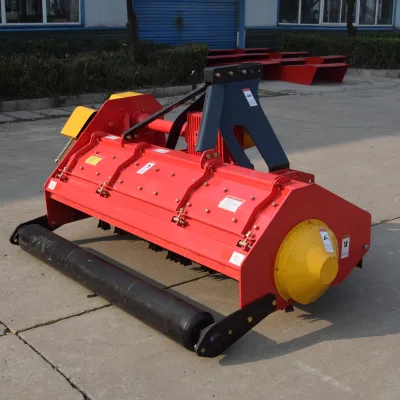
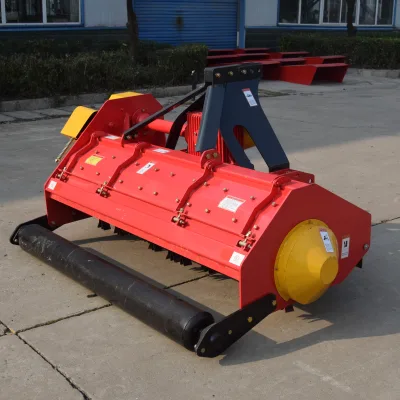
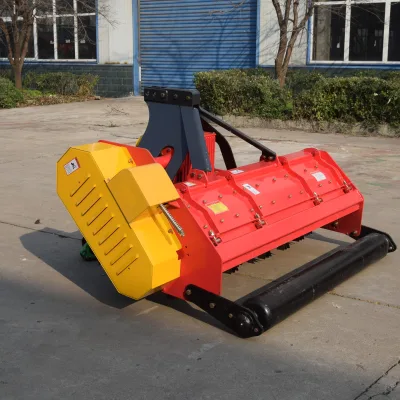
Small Scale Farmland Gearbox Driven Tractor Suspended Straw Returning Machine
$306.59 - $510.99
MOQ: 1 sets
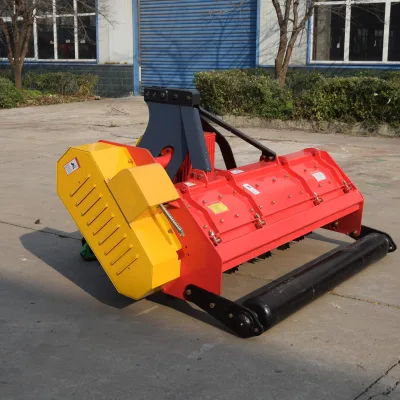
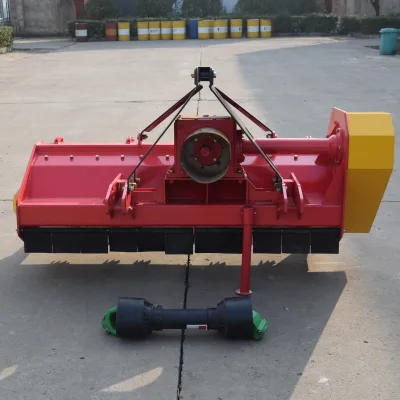
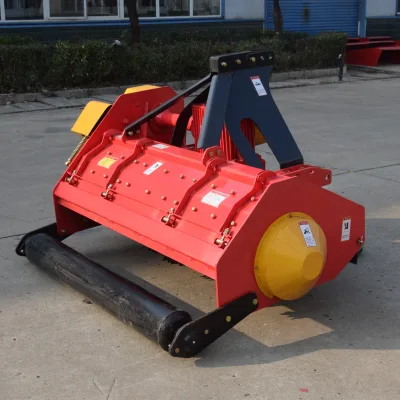


Leaf - Stripping Machine with Low Cost and Good Leaf - Stripping Effect
$1588.00 - $1688.00
MOQ: 1 Pieces


Field Mower Agruiculture Machine
$800.00 - $1000.00
MOQ: 1 Pieces
Shandong Liying Agricultural Technology Development Co., Ltd.


Efficient 90HP 4WD Agricultural Machinery for Modern Farming Techniques
$15600.00 - $15900.00
MOQ: 1 Pieces

Comprehensive Sourcing Guide
Agricultural Towed Machinery Sourcing Guide
When evaluating Agricultural Towed Machinery, buyers must first distinguish between self-propelled units and implements designed to be pulled by a tractor. The provided data highlights a significant overlap in the market, where listings for wheel tractors—such as the FM1204, FL1604, and XL704 models—are often categorized under broader agricultural equipment searches. These units are classified as wheel tractors with specific drive types, such as 4WD, and are intended for lawn, garden, and farm applications. Understanding this distinction is critical because the procurement strategy for a self-propelled tractor differs fundamentally from that of a towed implement like a plow or harrow. Buyers should verify whether the supplier is offering a power unit or a passive implement, as the technical verification steps, compliance requirements, and maintenance protocols vary significantly between the two categories.
The observed market signals indicate a diverse range of product sizes and configurations, from small-sized units to medium-sized tractors with substantial dimensions. For instance, the FM1204 model exhibits an overall dimension of 459322402810 mm, while the FL1604 is listed with a standard of 3970MM1620MM2577MM. These physical constraints directly impact logistics, storage, and operational compatibility with existing farm infrastructure. Procurement teams must assess whether the machinery’s footprint aligns with their facility’s gate widths, shed dimensions, and field accessibility. Furthermore, the presence of optional features, such as air conditioning, and varying cabin configurations, including ROPS and cabin options labeled as Ec and Oecd, suggests that buyers need to define their operational environment clearly before finalizing specifications.
Product Scope and Observed Listing Signals
The current listing landscape reveals a price range spanning from $200 to $126,800 USD, indicating a broad spectrum of equipment quality and capability. This wide variance suggests that the market includes both basic, entry-level implements and high-specification, heavy-duty tractors. Buyers should not assume that all products within this range are comparable in durability or performance. The minimum order quantity (MOQ) ranges from 1 to 5 units, which implies flexibility for small-scale farmers or cooperatives but may require bulk negotiation for larger agricultural enterprises. Understanding the MOQ structure is essential for budgeting, as purchasing a single unit may incur higher per-unit costs compared to bulk orders, while also affecting shipping logistics and inventory management strategies.
Product origins are predominantly listed as China, with various packing methods observed, including Iron Package, SKD (Semi-Knocked Down), CBU (Completely Built Unit), and Sea Transportation. These packing details are crucial for calculating landed costs and assessing the risk of transit damage. For example, SKD packages may reduce shipping volume and costs but require local assembly, which introduces additional labor and quality control steps. Conversely, CBU units offer immediate usability but occupy more container space. Buyers must evaluate their local assembly capabilities and supply chain resilience when choosing between these packing formats. Additionally, the mention of specific brands like "Si Da" and engine manufacturers like "Quanchai" provides insight into the component sourcing, which can influence parts availability and long-term maintenance support.
Technical Specifications to Verify
Engine and powertrain specifications are primary determinants of machinery performance. The observed data includes models with rated powers of 89 kW and rated speeds of 2300-2400 R/Min, utilizing engines such as Quanchai. Buyers must verify the engine’s torque curve and fuel efficiency, as these factors directly impact operational costs in field applications. The gearbox configurations, ranging from Shuttle Shift with 12 forward and 12 reverse gears to Engagement Sleeve Shift, dictate the ease of operation and suitability for different tasks. For instance, a shuttle shift gearbox is advantageous for frequent direction changes in tight spaces, while a sleeve shift may be preferred for consistent, high-speed field work. Procurement teams should match these transmission types to their specific operational workflows to ensure optimal efficiency.
Dimensional and weight specifications are equally critical for compatibility and stability. The wheelbase measurements, such as 2195 mm for the FM1204 and 2045 mm for the XL704, influence the machine’s turning radius and stability on uneven terrain. Ground clearance, observed at 379 mm for one model, determines the machinery’s ability to navigate rough fields without undercarriage damage. Additionally, tire sizes, such as 9.5-24 for the front and 14.9-30 for the rear on the XL704, affect traction and soil compaction. Buyers should verify that the tire specifications match their soil conditions and crop requirements. The hydraulic output, listed as 2 groups for some models, is essential for operating attached implements, and buyers must ensure the hydraulic flow and pressure meet the requirements of their existing or planned attachments.
Compliance and Safety Documentation
Regulatory compliance is a non-negotiable aspect of agricultural machinery procurement, particularly when importing equipment. The observed certifications include ISO, CE, EEC, EPA, CCC, and ISO/TSXQC. Buyers must verify that these certifications are valid for their target market, as standards vary significantly between regions. For example, EPA certification is critical for sales in the United States, while CE marking is mandatory for the European Union. The emission standards, listed as Euro II and Euro III, indicate the environmental impact of the machinery and may affect eligibility for subsidies or tax incentives in certain jurisdictions. Procurement teams should request current, valid certification documents from suppliers and cross-reference them with local regulatory requirements to avoid customs delays or legal penalties.
Safety features are another vital consideration, especially regarding operator protection. The listings mention ROPS (Roll Over Protective Structure) and cabins, with references to Ec and Oecd standards. Buyers must ensure that the ROPS and cabin structures meet the specific safety standards of their operating region, as these structures are designed to protect operators in the event of a rollover. Additionally, braking systems, such as the wet brakes observed in some models, require regular maintenance and inspection to ensure reliable performance. Buyers should verify the availability of safety-related spare parts and the supplier’s support for safety audits. Understanding the safety documentation requirements helps in developing comprehensive training programs for operators and maintaining a safe working environment on the farm.
Cost Drivers and Commercial Terms
The total cost of ownership extends beyond the initial purchase price, encompassing shipping, assembly, and maintenance expenses. The observed price range of $200 to $126,800 USD reflects differences in specifications, brand, and included features. Buyers should conduct a detailed cost analysis that includes freight charges, insurance, and customs duties. The packing method, whether Iron Package, SKD, or CBU, significantly impacts shipping costs and handling requirements. For instance, SKD packages may reduce freight costs but increase local assembly expenses. Buyers should negotiate clear terms regarding who bears the risk and cost of damage during transit, especially for complex machinery that requires careful handling.
Commercial terms also include payment structures, warranty provisions, and after-sales support. The observed MOQ of 1-5 units suggests that suppliers may offer flexible payment terms for smaller orders, but larger orders might require deposits or letters of credit. Buyers should clarify the warranty period and coverage, particularly for critical components like the engine, gearbox, and hydraulic system. The service life, estimated at 6-10 years for some models, indicates the expected durability, but this can vary based on maintenance practices. Procurement teams should inquire about the availability of spare parts and the supplier’s response time for technical support. Understanding these commercial terms helps in budgeting for long-term operational costs and ensuring minimal downtime during critical farming seasons.
Supplier Qualification and Quality Control
Supplier qualification is essential to mitigate risks associated with manufacturing defects and delivery delays. Buyers should verify the supplier’s production capacity, quality management systems, and track record in the agricultural machinery sector. The observed certifications, such as ISO and CE, provide some assurance of quality standards, but buyers should conduct additional due diligence, including factory audits or third-party inspections. The mention of specific brands and engine manufacturers suggests that suppliers may have established relationships with reputable component providers, which can be a positive indicator of quality. Buyers should request references from previous clients and review case studies to assess the supplier’s reliability and customer satisfaction levels.
Quality control processes should be clearly defined and agreed upon before production begins. Buyers should specify inspection points, such as pre-production, during-production, and pre-shipment inspections. The observed product attributes, such as engine type, gearbox configuration, and dimensions, should be verified against the purchase order specifications during these inspections. Buyers should also establish clear criteria for acceptance and rejection of goods, including procedures for handling non-conforming products. The availability of customization options, as noted in some listings, allows buyers to tailor machinery to their specific needs, but this requires close collaboration with the supplier to ensure that modifications do not compromise quality or compliance. Establishing a robust quality control framework helps in maintaining consistent product quality and reducing the risk of costly errors.
Long-Term Procurement Checks
Long-term procurement success depends on continuous monitoring of supplier performance and market trends. Buyers should establish key performance indicators (KPIs) to evaluate suppliers on metrics such as delivery timeliness, product quality, and responsiveness to issues. Regular reviews of these KPIs help in identifying potential problems early and fostering a collaborative relationship with suppliers. The observed service life of 6-10 years suggests that machinery requires periodic maintenance and potential part replacements. Buyers should develop a long-term maintenance plan that includes regular inspections, lubrication, and component replacements to extend the machinery’s lifespan and maintain optimal performance.
Market dynamics and technological advancements in agricultural machinery also require ongoing attention. Buyers should stay informed about emerging trends, such as increased automation, precision farming technologies, and stricter emission regulations. These trends may influence future purchasing decisions and the need for machinery upgrades. Additionally, changes in trade policies, tariffs, and logistics costs can impact the total cost of ownership. Buyers should diversify their supplier base to mitigate risks associated with single-source dependencies and ensure supply chain resilience. By maintaining a proactive approach to supplier management and market analysis, buyers can optimize their procurement strategies and achieve long-term value from their agricultural machinery investments.
FAQs
What are the key specifications for the FM1204 tractor?
The FM1204 model features a 4WD drive type with an overall dimension of 4593 by 2240 by 2810 mm. It has a wheelbase of 2195 mm and a rated power of 89 kW at 2300 RPM. The unit includes a Quanchai engine and offers ISO, CE, and EEC certifications for compliance.
Which certifications are available for these agricultural tractors?
Available certifications include ISO, CE, EEC, EPA, CCC, and ISO/TSXQC. These standards ensure the machinery meets international quality and safety requirements. Buyers can verify specific certification lists for each model, such as the FL1604 or XL704, to ensure regulatory compliance in their target regions.
Can the tractors be customized for specific farming needs?
Yes, customization is available for certain models like the FL1604. Options may include air conditioners and specific cabin configurations. Buyers should consult suppliers directly to confirm the extent of customization, including packaging types like SKD or CBU, and specific hydraulic or gearbox adjustments for their operations.
What is the typical service life of these farm tractors?
The typical service life is estimated at 6 to 10 years. This duration depends on usage intensity, maintenance practices, and operating conditions. Models like the FL1604 are designed for durability in farm tractor applications, ensuring long-term reliability for Agricultural Towed Machinery operations.
How many gears are available in the gearbox systems?
The FM1204 model features a Shuttle Shift gearbox with 12 forward and 12 reverse gears. Other models may use engagement sleeve shifts. These configurations provide versatile speed control for various agricultural tasks, from lawn mowing to heavy farm work, ensuring efficient power delivery across different terrains.
What are the emission standards for these diesel tractors?
Emission standards vary by model, with options including Euro II and Euro III. The FM1204 meets Euro II standards, while the FL1604 meets Euro III. These standards ensure environmental compliance for Agricultural Towed Machinery, allowing buyers to select models that fit local regulatory requirements for diesel engine emissions.