Source Agriculture Grade Magnesium Oxide for Fertilizers, Soil, and Feed
Find 30 listings for Agriculture Grade Magnesium Oxide from suppliers in China. Buyers can compare purity levels, mesh sizes, and packaging options to select the right material for soil treatment, animal feed, and fertilizer applications.
Key considerations
Products List

$110.00 - $350.00
MOQ: 1 Tons


MGO Fertilizer Grade / Feed Grade Magnesium Oxide From China Supplier CAS:
$10.00 - $180.00
MOQ: 10 Tons




Comprehensive Sourcing Guide
Sourcing Guide for Agriculture Grade Magnesium Oxide
Understanding Product Classification and Technical Specifications
When sourcing magnesium oxide (MgO) for agricultural applications, the primary distinction lies in the grade standard and the specific chemical composition required for soil amendment or livestock feed. The product falls under the classification of an alkaline oxide, characterized by its high pH levels, typically ranging between 9 and 12. This alkalinity is crucial for neutralizing acidic soils, making it a vital nutrient source for magnesium in crop production. The core chemical identifier is the CAS number 1309-48-4, which ensures the substance is chemically consistent with magnesium oxide rather than a carbonate or hydroxide variant.
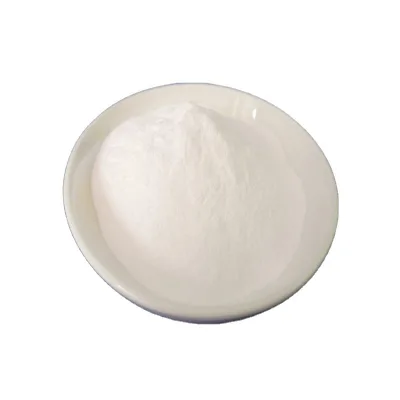
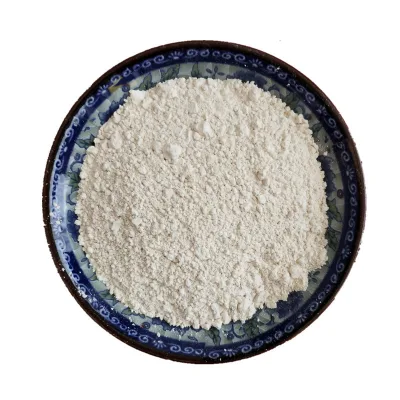
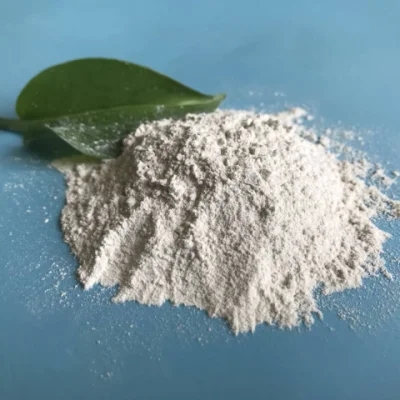
The physical state of the product is consistently observed as a powder, appearing in shades of white or yellow. The density of the material is a critical physical property for logistics and application rates, with a standard value of 3.58 g/cm³. Buyers must verify the purity levels, as agricultural specifications often require high concentrations of active magnesium. Market observations indicate purity ranges spanning from 80% to 99%, with specific grades available at 90%, 95%, 96%, and 99.9%. The magnesium content (Mg) itself is often specified with a minimum threshold of 54%, ensuring the material delivers the necessary elemental magnesium to the target crop or animal feed formulation.
Reactivity is another technical parameter that influences how quickly the oxide dissolves in soil moisture. Observed reactivity values typically fall between 60 and 75, which dictates the rate of nutrient release. Loss on Ignition (L.O.I) is a measure of volatile content, with acceptable ranges observed between 0.3% and 6.5%. Additionally, the presence of acid-insoluble substances must be controlled, with a maximum limit of 2% to prevent soil contamination or clogging in application equipment. The product is often available in various mesh sizes, including 100 mesh, 200 mesh, and 325 mesh, allowing buyers to select the particle size that best suits their specific soil type or mixing requirements.
Compliance, Grade Standards, and Regulatory Verification
Navigating the regulatory landscape for agricultural magnesium oxide requires a clear understanding of the different grade standards available. While industrial grade is common for general chemical use, agricultural applications demand stricter adherence to safety and purity protocols. The market offers products classified under Agriculture Grade, Food Grade, Industrial Grade, and Medicine Grade. For agricultural sourcing, the Agriculture Grade designation is the primary focus, though Food Grade may be relevant for livestock feed supplements.
Compliance verification begins with the EINECS number, 215-171-9, which confirms the substance's registration in the European inventory of existing commercial chemical substances. This number is essential for import and export documentation, particularly when shipping between regions with strict chemical regulations. The HS Code 25199090 is the standard classification for magnesium oxide in international trade, determining the tariff structure and customs procedures applicable to the shipment.
Buyers must also consider the origin of the product, as regional manufacturing standards can vary. Products are observed originating from major industrial hubs in China, specifically Liaoning and Hebei provinces. While these regions are known for mineral processing, the specific certification status of the supplier, such as ISO 9001:2015, should be treated as a background observation rather than a guaranteed attribute of every listed product. It is imperative for the buyer to request current, valid certification documents directly from the supplier to ensure the manufacturing facility meets international quality management standards.
Furthermore, the shelf life of the product is a critical compliance factor for inventory management. A standard shelf life of 2 years is observed, after which the product may degrade or absorb moisture, affecting its reactivity and pH levels. Buyers should verify that the packaging integrity remains intact throughout the storage period to maintain the product's efficacy.
Cost Drivers and Pricing Dynamics
The pricing of agricultural grade magnesium oxide is influenced by a complex interplay of purity levels, particle size, and packaging specifications. The observed price range in the market is extensive, spanning from $0.80 to $4,000 USD per unit. This wide variance is not indicative of a single product but rather reflects the spectrum from bulk raw materials to highly refined, specialized grades. High-purity variants, such as those with 99.9% purity, command a significantly higher price point compared to standard agricultural grades with 80% or 90% purity.
Packaging is a major cost driver. The product is commonly supplied in 25kg polypropylene (PP) bags, ton bags, or 50kg bags. The choice of packaging affects the unit cost due to material expenses and handling efficiency. For instance, single-item selling units with a gross weight of 25.100 kg in a 25kg bag are standard for smaller shipments, while bulk ton bags are more economical for large-scale agricultural operations. The single package size is often standardized at 110x110x120 cm for palletized shipments, which impacts freight costs and container utilization.
Minimum Order Quantity (MOQ) also plays a role in the final cost structure. The observed MOQ range is between 1 and 100 units, offering flexibility for both small-scale farmers and large agribusinesses. Lower MOQs may result in a higher per-unit cost due to fixed logistics and handling fees, whereas larger orders typically benefit from economies of scale. Buyers should note that customization is available, which can introduce additional costs for specific mesh sizes or tailored packaging requirements.
Typical Applications in Agriculture and Livestock
The primary application of magnesium oxide in the agricultural sector is as a nutrient supplement. Magnesium is a central component of the chlorophyll molecule, essential for photosynthesis in plants. Applying magnesium oxide to acidic soils helps raise the pH to a level more conducive to crop growth while simultaneously providing a slow-release source of magnesium. The product's alkaline nature makes it particularly effective for correcting soil acidity without the immediate shock associated with stronger alkalis.
In the context of livestock, magnesium oxide serves as a vital feed additive. It is used to prevent hypomagnesemia, a condition known as grass tetany, which affects grazing animals. The high reactivity of the product ensures that the magnesium is bioavailable to the animals. The specific mesh size is critical here; finer powders like 325 mesh are often preferred for feed mixing to ensure uniform distribution and prevent segregation in the feed stream.
Beyond direct application, the product's properties make it suitable for various industrial-agricultural interfaces, such as the manufacturing of specialized fertilizers or soil conditioners. The water solubility is minimal, which is a desirable trait for preventing rapid leaching from the soil, thereby ensuring a sustained release of nutrients over the growing season. This characteristic distinguishes it from more soluble magnesium salts that might wash away quickly after heavy rainfall.
Supplier Evaluation and Quality Control Protocols
Evaluating suppliers for agricultural grade magnesium oxide requires a rigorous approach to quality control. Buyers should prioritize suppliers who provide detailed test reports for key parameters such as Mg content, pH, L.O.I, and acid-insoluble substances. The observed specifications indicate that Mg content should be at least 54%, and acid-insoluble substances should not exceed 2%. Deviations from these thresholds can indicate impurities that may harm crops or soil health.
Quality control should also extend to the physical appearance and consistency of the product. The product should appear as a uniform white or yellow powder. Variations in color or the presence of clumping can indicate moisture absorption or contamination. Buyers must verify the "First Class" quality designation, which suggests a high standard of manufacturing, but should not rely on this label alone without supporting documentation.
Supplier evaluation should include a review of their production capabilities and customization options. The availability of customization allows buyers to tailor the product to specific agricultural needs, such as specific mesh sizes or packaging formats. However, buyers must ensure that the customization process does not compromise the chemical integrity of the product. The origin of the product, whether from Liaoning or Hebei, should be verified against the supplier's documentation to ensure transparency and traceability.
Long-Term Procurement and Logistics Considerations
Sourcing magnesium oxide for agriculture is a long-term endeavor that requires careful planning regarding logistics and inventory management. The shelf life of 2 years necessitates a procurement strategy that aligns with crop cycles and storage capabilities. Buyers should avoid overstocking unless they have controlled storage environments that prevent moisture ingress, which could degrade the product's reactivity.
Packaging integrity is paramount for long-term storage. The standard 25kg PP bag or ton bag must be robust enough to withstand handling and transportation without tearing. For international shipments, the single package size of 110x110x120 cm is a critical dimension for container loading optimization. Buyers should calculate the optimal number of units per container to minimize freight costs while ensuring the product arrives in optimal condition.
Lead times and production capacity are also essential factors. While specific lead times are not provided in the general data, buyers should establish clear communication channels with suppliers to understand production schedules, especially for customized orders. The ability to source from multiple origins, such as China's Liaoning and Hebei provinces, can provide supply chain resilience against regional disruptions.
Finally, buyers should consider the total cost of ownership, which includes not just the unit price but also freight, insurance, and potential customs duties based on the HS Code 25199090. Establishing a long-term relationship with a reliable supplier can mitigate risks associated with price volatility and supply shortages, ensuring a steady flow of high-quality magnesium oxide for agricultural operations.
Summary of Key Product Attributes
| Attribute | Observed Range / Value | Relevance |
|---|---|---|
| Grade Standard | Agriculture, Food, Industrial, Medicine | Determines regulatory compliance |
| Purity | 80% - 99.9% | Affects pricing and application efficacy |
| Mg Content | Min 54% | Core nutrient specification |
| pH Level | 9 - 12 | Indicates alkalinity for soil correction |
| State | Powder | Physical form for application |
| Color | White / Yellow | Visual quality indicator |
| Mesh Size | 100, 200, 325 Mesh | Determines solubility and mixing |
| Packaging | 25kg/Bag, Ton Bag, 50kg/Bag | Logistics and handling efficiency |
| Origin | Liaoning, Hebei, China | Traceability and supply chain |
| Shelf Life | 2 Years | Inventory management planning |
FAQs
What grade standards are available for magnesium oxide?
Products are available under Agriculture Grade, Food Grade, Industrial Grade, and Medicine Grade standards. Buyers must verify the specific grade required for their application, as regulations vary significantly between soil amendment and feed supplement uses.
How is the purity of magnesium oxide specified?
Purity levels range from 80% to 99.9% depending on the specific product model. The magnesium content is typically a minimum of 54%, ensuring sufficient nutrient delivery for agricultural applications while maintaining cost efficiency.
Which mesh sizes are offered for agricultural use?
Standard mesh sizes include 100 mesh, 200 mesh, and 325 mesh. Selecting the correct particle size is critical for uniform mixing in livestock feed or effective dispersion in soil amendment applications.
Can the product be customized for specific needs?
Customization is available for packaging, mesh size, and purity specifications. Buyers should confirm specific requirements with the supplier, as tailored options may affect lead times and unit pricing compared to standard inventory.
What is the typical shelf life of the product?
The standard shelf life is two years from the date of manufacture. Proper storage in sealed packaging is essential to prevent moisture absorption, which could degrade the product's reactivity and pH levels over time.
How is the product packaged for shipment?
Packaging options include 25kg PP bags, 50kg bags, and ton bags. The choice of packaging affects logistics costs, with smaller bags suitable for small-scale farmers and bulk bags preferred for large agricultural operations.
What is the origin of the magnesium oxide products?
Products originate from major industrial hubs in China, specifically Liaoning and Hebei provinces. Buyers should verify the specific place of origin on the product documentation to ensure traceability and compliance with regional standards.