Source Agriculture Grade Zinc Sulphate for fertilizer, feed, and water
Find 30 listings for Agriculture Grade Zinc Sulphate to compare purity levels, packaging options, and supplier certifications. Buyers can evaluate industrial and agricultural grade variants from multiple Chinese manufacturers.
Key considerations
Products List
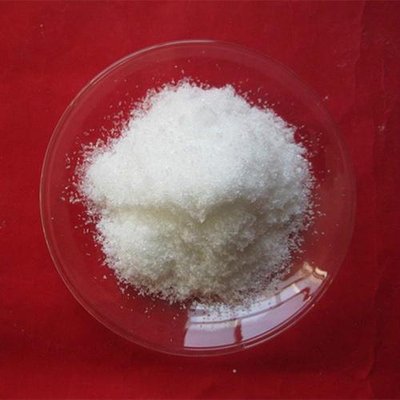


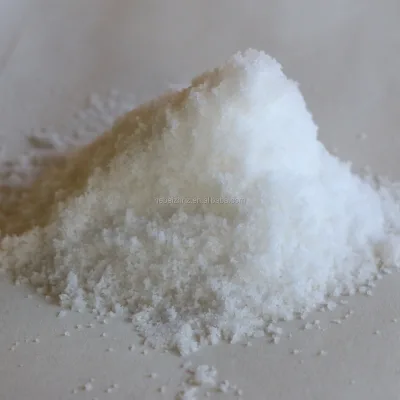
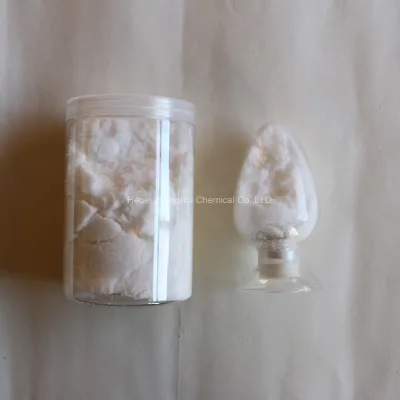
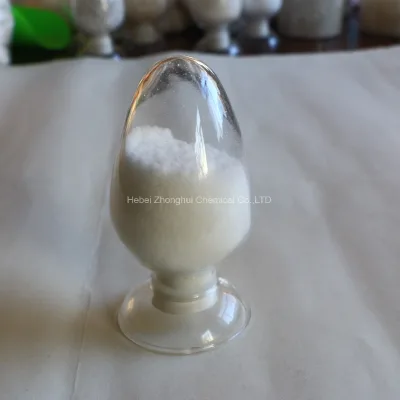
Zinc Fertilizer During the Top Dressing Period Zinc Sulfate for Corn Planting
$630.00 - $645.00
MOQ: 27 tons
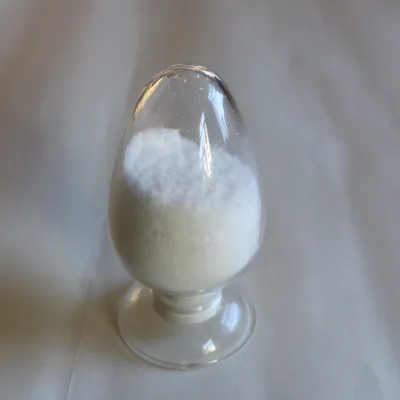
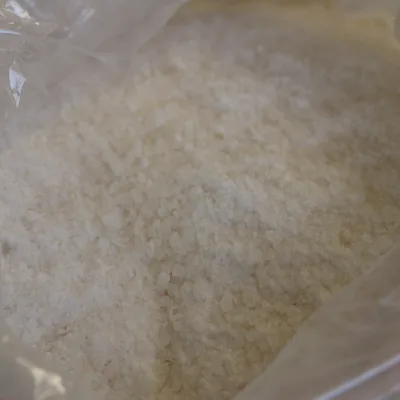
Industrial Grade High Purity Zinc Sulfate Heptahydrate Dissolved Flocculent Free
$630.00 - $640.00
MOQ: 27 tons


Comprehensive Sourcing Guide
Strategic Sourcing Guide for Agriculture Grade Zinc Sulphate
Procuring agricultural grade zinc sulphate requires a disciplined approach that balances technical specifications, regulatory compliance, and supply chain reliability. As a critical micronutrient in modern farming, zinc sulphate serves as a vital fertilizer additive, soil amendment, and feed supplement. Buyers must navigate a market where product attributes vary significantly between industrial, agricultural, and food-grade classifications. This guide outlines the essential parameters for sourcing this commodity, ensuring that procurement decisions are grounded in verified data and industry best practices rather than unverified marketing claims.
Technical Specifications and Chemical Variants
The first step in sourcing is defining the precise chemical form required for the intended agricultural application. Zinc sulphate exists primarily in two hydrated forms, each with distinct physical properties and solubility profiles. The supplied data indicates the presence of Zinc Sulphate Monohydrate (ZnSO4·H2O) and Zinc Sulphate Heptahydrate (ZnSO4·7H2O). The heptahydrate form is often preferred for liquid fertilizer applications due to its high solubility, while the monohydrate is frequently utilized in solid granular formulations.
When evaluating product listings, buyers must scrutinize the Molecular Formula (MF) and CAS numbers to ensure the correct variant is being sourced. The data shows CAS numbers such as 7733-02-0 and 7446-20-0 associated with different hydration states. A critical observation in the market is the variance in purity claims. Some listings specify a purity of 98% minimum, while others indicate ranges between 30% and 50%, or values as high as 99%. For agricultural grade applications, a purity of 98% minimum is a common benchmark, but buyers must verify if the lower purity ranges are suitable for specific soil amendment needs or if they represent industrial by-products.
The physical appearance is another key specification. The product is consistently described as a white crystalline powder or white powder. However, the particle size and crystalline structure can vary based on the manufacturing process. Buyers should request detailed particle size distribution data if the product is intended for foliar spray applications, where solubility and particle suspension are paramount. The standard classification for these products often includes "Industrial Chemicals" and "Agricultural Chemicals," but the specific grade standard must be confirmed as "Agriculture Grade" or "Industrial Grade" depending on the purity requirements of the end-use.
Compliance, Certification, and Regulatory Standards
Navigating the regulatory landscape is essential for international trade in agricultural chemicals. The supply chain for zinc sulphate is subject to various certification requirements that vary by destination market. The provided data highlights several certifications that suppliers may claim, including ISO, CIQ (China Inspection and Quarantine), CCIC, and RoHS. For agricultural applications, the presence of CIQ and CCIC certifications is particularly relevant as they indicate compliance with Chinese export standards and quality inspection protocols.
Grade standards are another critical compliance factor. The market data distinguishes between "Industrial Grade," "Food Grade," and "Agriculture Grade." While some listings mention "Food Grade" with standards like FCC VII (Food Chemicals Codex) or GB standards, these are typically reserved for animal feed additives or nutritional supplements. For direct agricultural soil application, the "Agriculture Grade" or "Industrial Grade" standard is the primary focus. Buyers must ensure that the supplier explicitly states the grade standard applicable to the specific batch. Confusion between food-grade and agricultural-grade specifications can lead to regulatory non-compliance in the destination country.
Furthermore, the EINECS number (231 793 3) and CAS numbers serve as unique identifiers for regulatory tracking. When sourcing, buyers should verify that the product documentation matches these identifiers to prevent the receipt of incorrect chemical variants. The standard "POWDER" designation in product specifications should be cross-referenced with the actual physical form required. If the application demands a specific granular form, the buyer must confirm if the supplier can customize the physical form, as the data indicates that customization is available in the market.
Cost Drivers and Pricing Dynamics
The pricing of agricultural grade zinc sulphate is influenced by a complex interplay of raw material costs, production location, and packaging requirements. The observed price range in the market spans from $0.40 to $3,250 per unit, a variance that reflects differences in purity, quantity, and packaging. The lower end of the spectrum likely corresponds to bulk industrial grades or lower purity variants, while the higher end may reflect specialized food-grade or high-purity agricultural formulations with specific packaging.
Packaging is a significant cost driver. The data lists several packaging options, including plastic woven bags, kraft paper bags, and lined kraft paper bags with PE (polyethylene) liners. The choice of packaging affects both the unit price and the logistics cost. For instance, a 25kg kraft paper bag with a PE liner offers better moisture protection, which is crucial for zinc sulphate's hygroscopic nature, but may carry a higher cost than a standard woven bag. Buyers should evaluate the total landed cost, including packaging, rather than focusing solely on the unit price.
Minimum Order Quantity (MOQ) is another critical factor in cost management. The observed MOQ range spans from 1 unit to 5,000 units. For small-scale farmers or testing purposes, suppliers offering low MOQs are valuable, but the unit cost will likely be higher. Conversely, large-scale agricultural operations can leverage economies of scale by ordering near the upper end of the MOQ range. Buyers must balance their inventory needs with cash flow constraints, recognizing that the optimal order size depends on the specific storage capabilities and usage rates of the farm or distribution center.
Typical Applications in Agriculture
Understanding the specific application of zinc sulphate is vital for selecting the correct product grade. The data identifies several key uses, including fertilizer additives, water treatment, and animal feed supplements. In the context of agriculture, the primary application is as a micronutrient fertilizer. Zinc is an essential element for plant growth, involved in enzyme activation, protein synthesis, and chlorophyll formation. Deficiency in soil zinc can lead to stunted growth and reduced crop yields.
The product is also noted for use in water treatment, which may be relevant for irrigation systems where zinc levels need to be managed or where specific water quality parameters must be met. Additionally, the mention of "animal feed" and "nutritional supplement" indicates that the product serves a dual purpose in integrated farming systems, where crop residues or by-products are used as feed, or where livestock require zinc supplementation.
The distinction between "Food Grade" and "Agriculture Grade" is particularly important in these applications. While the chemical composition is similar, the impurity limits and heavy metal content may differ. For direct soil application, agricultural grade is sufficient, but if the product is intended for feed additives, the stricter food-grade standards (such as FCC VII) must be met. Buyers must align the product specification with the end-use to avoid regulatory issues or performance failures.
Supplier Evaluation and Origin Verification
Evaluating suppliers requires a careful analysis of their geographical origin and production capabilities. The data indicates that zinc sulphate is sourced from various regions in China, including Shandong, Shanxi, Jiangsu, Hebei, and Lianyungang. Each region may have different industrial clusters and supply chain efficiencies. For example, Shandong and Hebei are known for their chemical industries, while Jiangsu may offer more advanced processing capabilities.
Brand names such as "WALTON" and "Hebei Zhonghui" appear in the data, but buyers should not rely solely on brand recognition. Instead, they should verify the supplier's ability to provide consistent quality and reliable logistics. The "Place of Origin" field is a critical data point for verifying the authenticity of the product. Buyers should request proof of origin documentation to ensure the product is sourced from the claimed location, as this can impact shipping times and tariffs.
Customization capabilities are another factor in supplier evaluation. The data notes that customization is available, which is a significant advantage for buyers with specific requirements regarding particle size, packaging, or purity. Suppliers that offer flexible production lines can better accommodate the unique needs of agricultural operations. However, buyers must ensure that customization does not compromise the product's compliance with relevant standards.
Quality Control and Long-Term Procurement
Implementing a robust quality control (QC) protocol is essential for maintaining the integrity of agricultural inputs. Given the variability in purity and appearance observed in the market, buyers should establish clear acceptance criteria. Key QC parameters include verifying the purity level (e.g., 98% minimum), checking the physical appearance for consistency, and confirming the absence of contaminants. The storage conditions specified as "Cool and Dry places" are critical, as zinc sulphate is hygroscopic and can degrade if exposed to moisture.
For long-term procurement, buyers should consider the stability of the supply chain. The data shows a wide range of selling units, from single items to bulk orders. Establishing a long-term contract with a supplier who can guarantee consistent supply and quality is preferable to ad-hoc purchasing. Buyers should also monitor the market for changes in standards, such as updates to FCC VII or GB standards, to ensure ongoing compliance.
Finally, buyers should maintain a clear record of all product specifications, certifications, and test results. This documentation is vital for troubleshooting any performance issues and for demonstrating compliance during regulatory audits. By adhering to a disciplined sourcing strategy that prioritizes verified data and clear specifications, buyers can secure a reliable supply of agricultural grade zinc sulphate that meets the demands of modern farming.
Comparison of Product Attributes
| Attribute | Industrial / Ag Grade Variant | Food / Feed Grade Variant |
|---|---|---|
| Typical Purity | 98% MIN or 30%~50% | ≥99% or 98% |
| Grade Standard | Industrial Grade, Agriculture Grade | Food Grade, FCC VII, GB |
| CAS Number | 7733-02-0, 7446-20-0 | 7446-19-7 (Processing Aid) |
| Primary Application | Fertilizer additive, Soil amendment | Animal feed, Nutritional supplement |
| Packaging | Plastic Woven Bag, Kraft Paper Bag | 25kg Kraft Paper Bag with PE Line |
| Certifications | ISO, CIQ, CCIC | ISO, RoHS, CIQ, CCIC |
| Origin Locations | Shandong, Hebei, Shanxi | Jiangsu, Lianyungang |
This comparison highlights the critical distinctions buyers must make when sourcing. While the chemical base is similar, the grade standards and intended applications dictate the necessary purity levels and packaging requirements. Selecting the wrong variant can lead to regulatory non-compliance or ineffective performance in the field. Buyers must rigorously verify these attributes against their specific operational needs before finalizing any procurement decision.
FAQs
What purity levels are available for Agriculture Grade Zinc Sulphate?
Purity levels range from 30% to 99% depending on the specific grade and manufacturer. Listings show options as low as 30% to 50% for industrial use, while food grade variants often reach 98% minimum or 99% purity.
Which certifications do suppliers typically provide for this chemical?
Suppliers commonly provide ISO, CIQ, CCIC, and RoHS certifications for their zinc sulphate products. These documents verify compliance with quality and safety standards required for international trade and agricultural applications.
How is the product packaged for shipping and storage?
The product is typically packed in 25kg plastic woven bags or kraft paper bags with PE liners. This packaging protects the hygroscopic powder from moisture during transport and storage in cool, dry places.
Can buyers find suppliers offering customization for this product?
Yes, customization is available for specific requirements regarding particle size or packaging. Buyers can request tailored solutions from manufacturers to meet distinct agricultural or industrial application needs.
What are the common origins for sourcing this chemical?
Zinc sulphate is sourced from multiple Chinese provinces including Shandong, Hebei, Jiangsu, and Shanxi. These regions host established chemical industries capable of producing both industrial and food-grade variants.
Which grade standard applies to animal feed applications?
Food Grade standards such as FCC VII or GB FCC VII apply to animal feed and nutritional supplements. These grades ensure the product meets stricter impurity limits compared to general industrial or agriculture grades.