Source Air Deflector for Trucks, AC Units, and Homes
Find 30 Air Deflector options for truck aerodynamics, split air conditioner parts, and home applications. Compare customized polyester FRP and plastic models with ISO certifications from Chinese suppliers to match your specific size and packaging needs; compare the available evidence and request quotations based on your requirements.
Key considerations
Products List


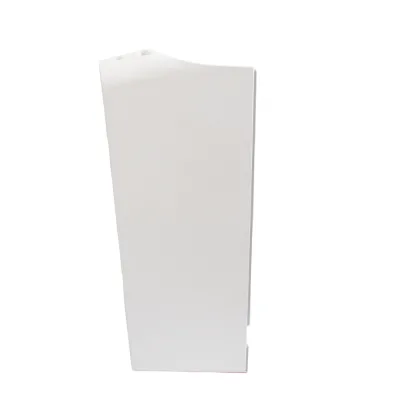

API Manufacturer Oil Sidetracking Deviator Casing Whipstock Window Deflector
$1100.00 - $1800.00
MOQ: 1 Pieces




Comprehensive Sourcing Guide
Air Deflector Sourcing Guide
Sourcing air deflectors requires a nuanced understanding of both aerodynamic function and material durability, particularly when integrating these components into commercial vehicle fleets or specialized industrial applications. The market presents a diverse array of options, ranging from simple plastic variants to complex fiberglass-reinforced polyester structures, each serving distinct environmental and performance needs. Buyers must first clarify whether the primary objective is fuel efficiency through drag reduction, cabin noise mitigation, or protection against road debris and weather elements. This initial definition dictates the subsequent selection of materials, mounting configurations, and aesthetic finishes.
The procurement landscape is heavily influenced by regional manufacturing hubs, with significant production capacity located in provinces such as Hebei, Zhejiang, and Jiangsu in China. These regions offer varying degrees of customization, from standard off-the-shelf models to fully bespoke designs tailored to specific truck models or industrial machinery. Understanding the origin of supply is critical for assessing logistics costs, lead times, and the reliability of after-sales support. Furthermore, the availability of OEM and ODM services allows buyers to align the product closely with their brand identity or specific engineering requirements, ensuring seamless integration into existing vehicle architectures.
Product Scope and Observed Listing Signals
The observed product listings reveal a wide spectrum of material compositions, prominently featuring fiberglass, polyester FRP, and plastic variants, often combined with mirror-like finishes for aesthetic appeal. These materials are selected for their balance of weight, strength, and resistance to environmental degradation, with E-Glass being a common reinforcement type in composite structures. The surface treatment is typically described as smooth, which not only enhances visual quality but also contributes to aerodynamic efficiency by minimizing air turbulence. Buyers should note that while some products are marketed for home applications, the majority are engineered for robust outdoor use, including automotive and industrial settings.
Packing methods vary significantly across suppliers, ranging from palletized shipments and wooden cases to carton and export-standard neutral packaging, reflecting the fragility and size of the deflectors. The observed model numbers, such as "Deflector" or specific codes like "E0304," suggest a mix of generic and proprietary designs, with some items explicitly linked to specific truck models like the Cascadia. This variability indicates that buyers must carefully cross-reference part numbers and physical dimensions to ensure compatibility. The presence of free samples and low minimum order quantities for certain items suggests that prototyping and small-batch testing are feasible strategies for validating product fit before committing to larger orders.
Technical Specifications to Verify
Thickness and dimensional accuracy are paramount for air deflectors, as even minor deviations can compromise aerodynamic performance and mounting integrity. Buyers should verify that the thickness is customized to meet specific load-bearing requirements and aerodynamic profiles, rather than relying on generic standards. The material composition, whether it is pure plastic, fiberglass-reinforced polyester, or a composite with mirror elements, must be confirmed against the intended operating environment, considering factors such as UV exposure, temperature fluctuations, and impact resistance. Standard sizes are available, but custom specifications are often necessary for specialized vehicles or unique installation points.
Mounting hardware and interface compatibility are critical technical aspects that are not always explicitly detailed in initial listings. Buyers must ensure that the deflector’s mounting points align with the vehicle’s existing structure or that appropriate adapters are included. The single package size and gross weight, such as the observed 70x18x27 cm dimensions and 3.460 kg weight for certain items, provide essential data for logistics planning and storage considerations. Additionally, the condition of the product, typically listed as new, should be verified to ensure no transit damage has occurred, and the brand name, such as LGP, may indicate a specific manufacturer’s quality tier or design lineage.
Compliance and Safety Documentation
Certification requirements for air deflectors often extend beyond basic product safety to include environmental and manufacturing quality standards. The observed listings frequently cite ISO 9001 and IATF 16949 certifications, indicating that the supplier adheres to rigorous quality management systems, particularly in the automotive sector. These certifications are crucial for buyers who need to ensure that their supply chain meets international quality benchmarks. Additionally, RoHS and CE certifications suggest compliance with environmental regulations regarding hazardous substances and safety standards for products sold in the European market, which is vital for exporters targeting these regions.
CCC certification, also observed in some listings, points to compliance with Chinese compulsory product certification requirements, which may be relevant for domestic sales or sourcing from Chinese manufacturers. Buyers should request copies of these certificates to verify their validity and scope, ensuring they cover the specific product models being procured. Beyond certifications, buyers should inquire about any specific testing protocols used to validate the deflector’s durability, such as wind tunnel testing or impact resistance tests. While specific test results are not provided in the listings, understanding the supplier’s testing methodology can provide insight into the product’s reliability and performance under real-world conditions.
Cost Drivers and Commercial Terms
The price range for air deflectors is broad, reflecting the diversity in materials, customization levels, and order volumes. Observed prices span from low-cost plastic variants to higher-priced fiberglass and composite options, with minimum order quantities (MOQs) ranging from as low as five pieces to thousands. This variability allows buyers to align their procurement strategy with their budget and volume requirements, whether they are seeking small batches for testing or large-scale production runs. The availability of free samples is a significant commercial term that reduces the risk of initial procurement, allowing buyers to evaluate quality and fit before committing to larger orders.
Customization is a key cost driver, with many suppliers offering tailored solutions for thickness, material, and design. While customization adds value, it may also increase the unit price and extend lead times. Buyers should clarify whether the quoted price includes tooling costs for custom molds or if these are separate. Additionally, the warranty period, often stated as more than five years, is a critical factor in the total cost of ownership, as it reduces long-term maintenance and replacement costs. Understanding the terms of the warranty, including what is covered and the process for claims, is essential for making an informed purchasing decision.
Supplier Qualification and Quality Control
Supplier qualification should begin with a thorough review of their manufacturing capabilities and quality control processes. The presence of ISO and IATF certifications is a strong indicator of a supplier’s commitment to quality, but buyers should also assess their production capacity and flexibility to handle custom orders. Suppliers located in Hebei, Zhejiang, and Jiangsu offer access to a robust supply chain and manufacturing infrastructure, but buyers should verify their ability to maintain consistent quality across large production runs. Requesting references or case studies from previous clients can provide additional insight into the supplier’s reliability and performance.
Quality control measures should be explicitly defined in the procurement agreement, including inspection points during production and pre-shipment checks. Buyers should inquire about the supplier’s defect rate and their process for handling non-conforming products. The use of export-standard packing is a positive sign, indicating that the supplier takes care to protect the product during transit. However, buyers should also consider implementing their own incoming quality control checks to ensure that the received goods meet their specifications. Establishing a clear communication channel with the supplier for addressing quality issues promptly is crucial for maintaining a smooth procurement process.
Long-Term Procurement Checks
Long-term procurement success depends on establishing a sustainable relationship with suppliers who can consistently deliver high-quality products. Buyers should regularly review supplier performance metrics, such as on-time delivery rates, product quality, and responsiveness to issues. The warranty period of more than five years suggests a long-term commitment from the supplier, but buyers should verify the terms and conditions of this warranty to ensure it remains valid over time. Regular audits or site visits, if feasible, can provide valuable insights into the supplier’s operational practices and help identify potential areas for improvement.
As market conditions and product technologies evolve, buyers should stay informed about new materials and design innovations that could enhance the performance of air deflectors. Engaging in ongoing dialogue with suppliers about future product developments can help buyers stay ahead of industry trends and maintain a competitive edge. Additionally, buyers should periodically reassess their sourcing strategy to ensure it aligns with their evolving business needs and market demands. Building a diversified supplier base can mitigate risks associated with single-source dependencies and provide greater flexibility in responding to market changes.
FAQs
What certifications are available for air deflectors?
Air deflectors are available with ISO, ISO 9001, IATF16949, RoHS, CE, and CCC certifications. These credentials ensure compliance with international quality and safety standards. Buyers can select products based on specific regulatory requirements for their target markets, ensuring reliable sourcing of certified components.
Can air deflectors be customized for specific applications?
Yes, customization is available for air deflectors, including tailored thickness and standard specifications. Manufacturers offer OEM services to meet unique design needs. This flexibility allows buyers to source products that precisely fit their operational requirements, ensuring optimal performance and integration into existing systems or structures.
What is the typical MOQ for air deflectors?
The minimum order quantity for air deflectors ranges from 5 pieces to 5000 units, depending on the supplier. Some vendors offer low MOQs for samples, while others require larger volumes for production. Buyers should verify specific MOQ requirements with suppliers to align with their procurement volume and budget.
How are air deflectors packaged for shipping?
Air deflectors are packaged using pallets, wooden cases, cartons, or export-standard neutral packaging. This ensures safe transit and protection against damage. Buyers can choose packaging options that suit their logistics needs, ensuring efficient handling and storage upon arrival at the destination port or warehouse facility.
Where are air deflectors typically manufactured?
Air deflectors are primarily manufactured in China, with origins in regions like Hebei, Zhejiang, Jiangsu, and Ningbo. These locations offer robust manufacturing capabilities and supply chain efficiency. Buyers can source products from these hubs, leveraging local expertise and infrastructure to ensure timely delivery and competitive pricing.
What warranty is provided for air deflectors?
Many air deflectors come with a warranty of more than 5 years, ensuring long-term reliability. This warranty covers defects and performance issues, providing buyers with peace of mind. It reflects the manufacturer's confidence in product durability and quality, supporting sustained operational efficiency for end-users.