Source Air Dent Puller with 3 Suction Pads for Auto Repair, Body Work, and Paintless Dent Removal
Compare 30 available Air Dent Puller with 3 Suction Pads from verified suppliers. Buyers can evaluate specifications, pricing, and customization options for professional auto body repair applications.
Key considerations
Products List


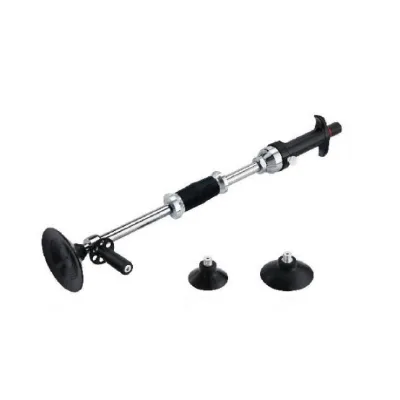
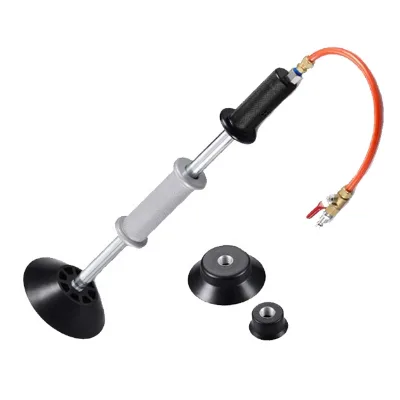
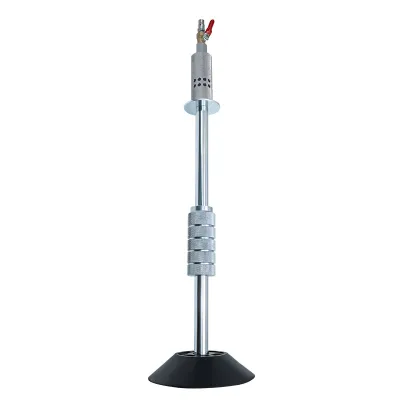
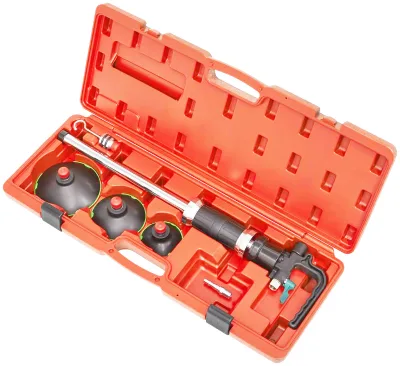


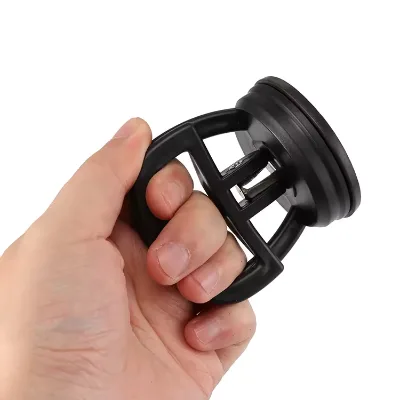
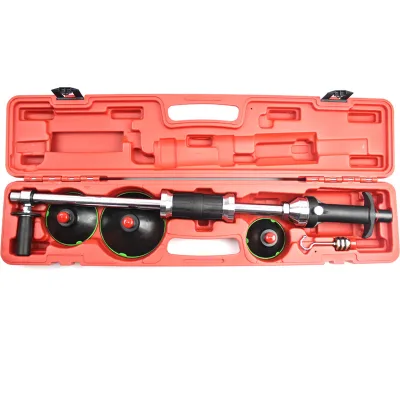
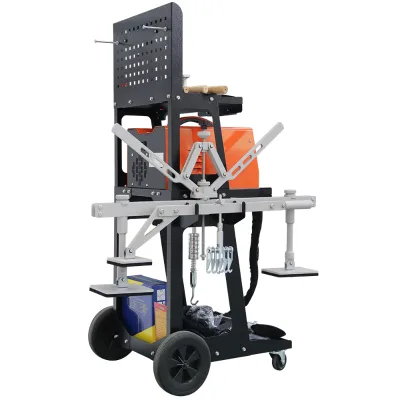
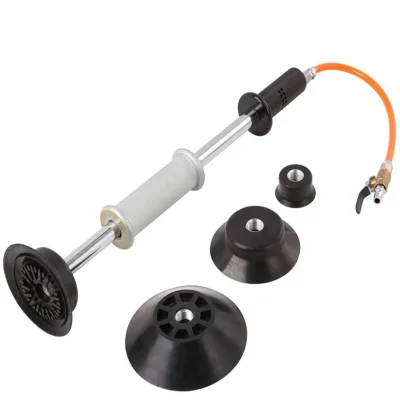
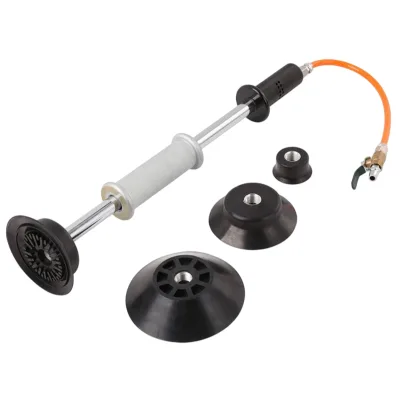
Multi-Purpose Adjustable Handle Puller Dent Lifter Removal Repair Lifter Car Dent Lifter
$35.00 - $45.00
MOQ: 100 Pieces








Comprehensive Sourcing Guide
Strategic Sourcing Guide for Air Dent Pullers with Three Suction Pads
The automotive repair industry relies heavily on precision tools to restore vehicle body integrity without compromising paintwork. Among the most versatile instruments in this domain is the air dent puller equipped with three suction pads. This specific configuration offers a unique balance of surface area coverage and maneuverability, making it suitable for a wide range of dent sizes and panel curvatures. For procurement professionals, sourcing these tools requires a disciplined approach that distinguishes between generic suction devices and specialized pneumatic systems designed for professional auto body repair. This guide outlines the critical technical, compliance, and operational factors necessary for a successful procurement strategy.
Technical Specifications and Functional Mechanics
Understanding the mechanical architecture of an air dent puller is the first step in defining procurement requirements. The core functionality of these devices relies on pneumatic pressure to create a vacuum seal, allowing the tool to lift dented metal panels. The "three suction pads" configuration is a distinct technical feature. Unlike single-point pullers that concentrate force on a small area, a three-pad system distributes the lifting force across a broader surface. This distribution is critical for preventing the tearing of thin sheet metal or the creation of new stress points on the panel.
When evaluating product specifications, buyers must verify the dimensions of the suction cups. Available data indicates specific models feature a cup size of 2.5 inches, which is a standard dimension for medium-sized dent repair. The material composition is equally vital; high-quality units typically utilize a combination of steel and plastic. The steel components provide the structural rigidity required to withstand the force of the pull, while the plastic elements often serve as the suction cup interface or housing to prevent damage to the vehicle's finish.
The pneumatic connection is another critical specification. Standard industrial tools often utilize a 1/4-inch air plug, ensuring compatibility with most shop air compressors. However, the presence of a brass shut-off valve is a significant differentiator. This component allows the operator to control the vacuum release precisely, preventing the sudden snap-back that can occur if the vacuum is released too abruptly. Some product listings also reference a sliding hammer mechanism integrated with the vacuum system, which adds a manual impact force to assist in pulling out stubborn dents. Buyers should confirm whether the specific model includes this dual-action capability or relies solely on pneumatic suction.
Compliance, Certification, and Safety Standards
In the B2B procurement of automotive tools, compliance with international safety and quality standards is non-negotiable. While specific test results vary by manufacturer, reputable suppliers for professional-grade tools often hold certifications such as TUV and GS. These certifications indicate that the product has undergone rigorous testing for electrical safety, mechanical integrity, and material safety. For air-powered tools, the GS mark (Geprüfte Sicherheit) is particularly relevant in European markets, signifying that the product meets German safety standards.
It is important to note that certification status is not universal across all listed products. Some items may be marketed as "neutral" or generic, lacking specific third-party validation. Procurement teams must explicitly request proof of certification before placing large orders. The absence of a certification does not necessarily imply poor quality, but it does shift the burden of verification to the buyer. In the context of the supplied data, specific models are noted to carry TUV and GS certifications, suggesting a higher tier of quality assurance for those specific SKUs.
Furthermore, buyers should verify the origin of the product. The supply chain for these tools often originates from manufacturing hubs in China and Taiwan. While these regions are known for robust manufacturing capabilities, the specific factory location can influence quality consistency. Products originating from Taiwan are sometimes associated with stricter quality control protocols in the automotive tool sector, though this is a general market observation rather than a guaranteed standard for every unit.
Cost Drivers and Pricing Structures
The pricing of air dent pullers with three suction pads is influenced by several variables, including material quality, certification status, and packaging. The observed market price range is extensive, spanning from $0.31 to $2,799. This wide disparity reflects the difference between basic, single-item suction cups and comprehensive, professional-grade kits that include multiple tools, specialized cases, and advanced pneumatic components.
For a standard air dent puller set, the cost is driven by the inclusion of high-durability materials like brass valves and steel housings. A unit priced in the lower range might be a single suction cup or a basic manual tool, whereas the higher end of the spectrum likely includes a full kit with a blow-mold case, multiple suction sizes, and a pneumatic handle. The packaging also plays a role in the final cost. Products listed with "Neutral Inner Box + Outer Carton" are typically priced differently than those packaged in a "Blow Mold Case," which offers superior protection during shipping and storage but adds to the unit cost.
Buyers must also consider the Minimum Order Quantity (MOQ) in their cost calculations. The observed MOQ range spans from 1 to 1,000 units. For small repair shops or initial procurement trials, an MOQ of 1 or a single set is ideal, allowing for cost-effective testing of the product's performance. However, for distributors or large fleet maintenance operations, negotiating an MOQ closer to 1,000 units may unlock significant volume discounts. The "Selling Units" field often indicates whether the product is sold as a single item or as a set, which directly impacts the per-unit economics.
Typical Applications and Operational Versatility
The primary application for air dent pullers with three suction pads is auto body repair, specifically for removing dents from vehicle panels. The three-pad design makes these tools particularly effective for larger, shallow dents that are difficult to address with single-point tools. The broad surface area of the three pads allows for a more even distribution of force, reducing the risk of stretching the metal. This makes them ideal for repairing dents on hoods, doors, and trunk lids where maintaining the original factory shape is crucial.
These tools are also versatile enough for use in general auto maintenance and repair scenarios. The "Car Fitment" is generally listed as "Other," indicating that the tool is not limited to a specific vehicle make or model but is compatible with a wide variety of automotive bodies. The material composition, typically steel and plastic, ensures the tool can withstand the rigors of a busy repair shop environment.
In addition to standard dent removal, some models are designed for "repair used" applications, suggesting they can be utilized on older vehicles or parts that may have varying degrees of metal fatigue. The inclusion of a sliding hammer function in some kits allows for a more aggressive approach to dent removal, combining the gentle vacuum pull with the mechanical impact of the hammer. This versatility makes the tool a staple in professional garages that handle a diverse range of repair jobs.
Supplier Evaluation and Selection Criteria
Selecting the right supplier requires a thorough evaluation of their product offerings, customization capabilities, and logistical support. The data indicates that many suppliers offer OEM (Original Equipment Manufacturer) services, allowing buyers to brand the tools with their own logos or specifications. This is a valuable feature for distributors looking to build a private label product line. Additionally, customization of the product color and packaging is often available, providing flexibility in meeting specific market demands.
When evaluating suppliers, buyers should prioritize those who provide clear documentation regarding the product's origin and certification. The presence of TUV and GS certifications is a strong indicator of a supplier's commitment to quality. Furthermore, the supplier's ability to handle customized packaging, such as the transition from a neutral box to a branded blow-mold case, demonstrates their logistical flexibility.
It is also essential to verify the supplier's lead times and shipping capabilities. While specific lead times are not provided in the general data, the existence of a "Single package size" of 60x60x60 cm suggests that the tools are shipped in substantial boxes, which may impact freight costs. Buyers should inquire about the Single Gross Weight, which can vary significantly between models, from 1.36 kg for a sliding hammer to 650 kg for a full industrial kit. This weight variance will directly influence shipping logistics and cost estimates.
Quality Control and Long-Term Procurement Considerations
Ensuring consistent quality is paramount when sourcing industrial tools. The warranty period is a key indicator of the manufacturer's confidence in their product. Some listings indicate a warranty of 0 months, which suggests that the product is sold as-is or that the warranty is handled through a separate agreement. Buyers should clarify the warranty terms before purchasing, as a lack of warranty coverage can increase the total cost of ownership if the tool fails prematurely.
For long-term procurement, buyers should consider the availability of spare parts and the durability of the components. The use of brass shut-off valves and steel components suggests a focus on longevity, but the plastic suction cups may require periodic replacement due to wear and tear. Establishing a relationship with a supplier who can provide replacement parts or offer a bulk discount on consumables is a strategic move for maintaining operational efficiency.
Finally, the "Customization" attribute offers a pathway for buyers to tailor the product to their specific needs. Whether it is modifying the suction cup size, changing the color, or adjusting the packaging, the ability to customize allows buyers to create a product that stands out in the market. However, customization often comes with higher MOQs and longer lead times, so buyers must balance the desire for a unique product with the practicalities of inventory management and cash flow.
Comparative Analysis of Product Attributes
To facilitate a clearer understanding of the market landscape, the following table summarizes the key attributes observed in the product listings. This comparison highlights the diversity in specifications, packaging, and certifications available to buyers.
| Attribute | Observation A | Observation B | Observation C |
|---|---|---|---|
| Product Name | Mini Suction Cup | Manual Vacuum Dent Puller Set | Air Dent Puller |
| Model Number | BT-SC02 | Daily use-6256D | AL0017 / AL0014 |
| Material | Steel, Plastic | Steel, Plastic | With brass shut off valve |
| Certification | TUV, GS | Not Specified | Not Specified |
| Origin | China | Taiwan, China | Taiwan |
| MOQ | 1 | 100 | 1 Set |
| Packaging | Neutral Inner Box + Outer Carton | Customized | Blow Mold Case |
| Weight | 5.000 kg (Gross) | 1.36 kg (Sliding Hammer) | 650.000 kg (Gross) |
| Air Plug | Not Specified | Not Specified | 1/4" |
| Warranty | 0 Months | Not Specified | Not Specified |
This table illustrates that while the core function remains consistent, the specific attributes vary significantly. Buyers must carefully match these attributes to their operational needs. For instance, a buyer requiring a lightweight, portable tool might prefer the 1.36 kg sliding hammer model, while a distributor looking for a premium, certified product might opt for the TUV/GS certified unit with a blow-mold case.
In conclusion, sourcing an air dent puller with three suction pads requires a nuanced understanding of the product's technical specifications, compliance requirements, and market positioning. By rigorously evaluating the factors outlined in this guide, procurement professionals can make informed decisions that ensure the acquisition of high-quality tools capable of meeting the demands of the automotive repair industry. The key lies in balancing cost, quality, and customization to build a supply chain that supports long-term business success.
FAQs
What certifications do air dent pullers with 3 suction pads have?
Some models carry TUV and GS certifications indicating safety compliance. These marks verify mechanical integrity and material safety for professional use, though not all units include third-party validation.
Which specifications define the suction cup size for these tools?
Standard specifications often list a cup size of 2.5 inches for medium dent repair. This dimension balances surface coverage with maneuverability on curved vehicle panels.
Can buyers customize the color and packaging for these dent pullers?
Yes, customization is available for both product color and packaging types. Buyers can select neutral boxes or specialized blow-mold cases to suit their branding needs.
What is the typical MOQ for purchasing air dent puller sets?
Minimum Order Quantities range from 1 unit to 1000 units depending on the supplier. Small shops may order single sets while distributors often negotiate higher volume thresholds.
How does the pneumatic connection size affect tool compatibility?
Standard units typically feature a 1/4-inch air plug for compressor compatibility. This ensures the tool works with most shop air systems without requiring adapters.
Where are these automotive repair tools primarily manufactured?
Products originate from manufacturing hubs in China and Taiwan. These regions provide robust supply chains for automotive tools with varying quality control protocols.