Source Air Hockey Table for Indoor Entertainment, Outdoor Games, and Table Hockey
Explore 30 listings of Air Hockey Table units featuring electronic scorers and customizable options for indoor and outdoor use. Buyers can compare models like ZLB-AH05 and SZX-AH10 with varying dimensions and packaging details from Guangdong suppliers.
Key considerations
Products List


Superior Electronic Air Hockey Table and Classic Sport Air Hockey Table
$98.00 - $105.00
MOQ: 57 Pieces


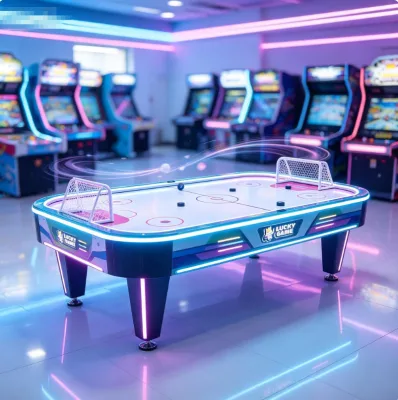


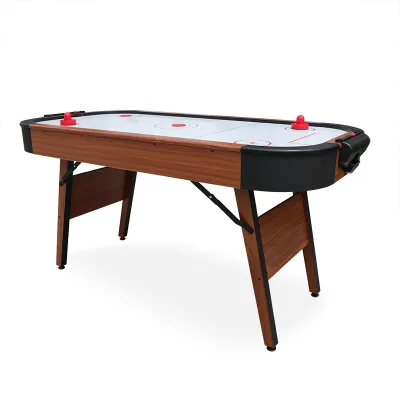
Factory Custom Wholesale7FT Air Hockey Table Rec Room Games Arcade Table Games
$145.00 - $169.00
MOQ: 100 Sets

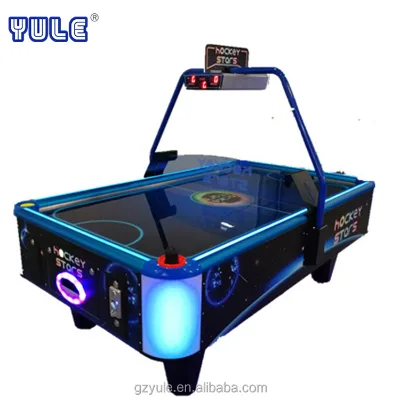

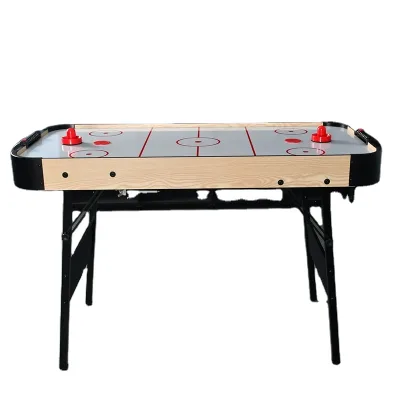


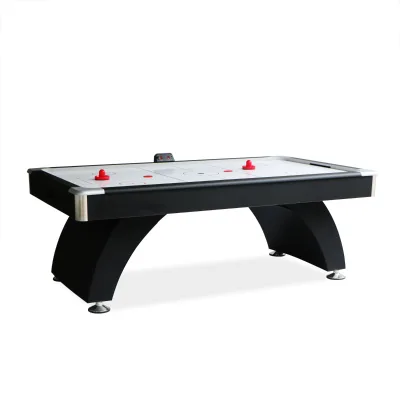

Comprehensive Sourcing Guide
Strategic Sourcing Guide for Air Hockey Tables
Understanding Product Specifications and Technical Variability
When sourcing air hockey tables, buyers must first navigate a landscape of diverse technical specifications that define the operational capability and physical footprint of the equipment. The market offers units ranging from compact entertainment models to professional-grade tables designed for competitive play. A critical observation from current product listings indicates that electronic scoring systems are a prevalent feature, often described as "Electronic Multi Function" or "Electronic Scorer." These systems typically operate on standard voltage inputs, with observed specifications listing 110/220V compatibility and US Plug types, ensuring adaptability for international deployment.
The physical dimensions of these tables vary significantly based on their intended use. Standard configurations observed in the market include dimensions such as 72" x 36" x 32" and 84" x 48" x 32", catering to different space requirements. Other listings reference sizes like 60" x 30" x 30" or specific foot measurements like 6ft and 7ft. The playing surface material is another vital specification; while some units utilize MDF (Medium Density Fiberboard) for the main structure, others specify hardware materials for components like the mallets or scoring mechanisms. The thickness of the playboard is a key indicator of durability and puck glide performance, with 15mm thickness noted in specific models.
Buyers should also pay close attention to the condition of the goods. The majority of listings specify "New" condition, but the distinction between new and refurbished is essential for budget-conscious procurement. Furthermore, the type of table can vary; while the core keyword focuses on air hockey, some listings in the same category may reference "Table Hockey" or even "Billiards Table," requiring careful verification of the product type to ensure the correct item is ordered. The age recommendation for these units is typically listed as suitable for users over 8 years, indicating a design focus on family entertainment and recreational centers.
Compliance, Certification, and Safety Standards
Ensuring that air hockey tables meet international safety and environmental standards is a non-negotiable aspect of B2B procurement. For electronic components, particularly the scoring systems and air blowers, certifications such as RoHS (Restriction of Hazardous Substances) and CE (Conformité Européenne) are frequently observed in product attributes. These certifications indicate that the electronic parts comply with European health, safety, and environmental protection requirements. The presence of these marks suggests that the manufacturer has undergone testing to ensure the product does not contain specific hazardous materials and meets electrical safety norms.
However, the absence of a certification claim in a specific listing does not guarantee non-compliance, nor does the presence of a claim guarantee universal adherence across all units from that supplier. Buyers must treat these attributes as observations of specific listings rather than blanket guarantees for a supplier's entire catalog. When evaluating potential partners, procurement teams should request current test reports or certification documents directly from the manufacturer to verify that the specific batch of goods intended for purchase holds valid status.
In addition to electronic compliance, the structural integrity of the table must align with safety standards for public use, especially in venues like arcades or entertainment centers. While specific numerical safety standards are not universally listed in the provided data, the "High Quality" attribute often implies adherence to general manufacturing norms. Buyers should verify if the tables meet local building codes regarding stability, particularly for larger 84" models that require significant floor space and structural support. The "Condition: New" attribute further supports the expectation that the product is free from wear that could compromise safety, but visual inspection upon receipt remains a necessary step.
Cost Drivers and Pricing Dynamics
The pricing of air hockey tables is influenced by a complex matrix of factors, including material quality, electronic integration, and customization levels. The observed price range in the market spans from approximately $27.20 to $4,000, reflecting the vast difference between basic recreational units and high-end, fully customized commercial installations. This wide variance suggests that the cost is heavily driven by the inclusion of advanced features, such as the electronic multi-function scorers and the specific dimensions of the table.
Material selection is a primary cost driver. Tables constructed with MDF may offer a different price point compared to those utilizing heavy-duty hardware or specialized surface materials. The thickness of the playboard, such as the 15mm variant, also impacts the cost, as thicker boards generally provide better durability and a smoother puck glide, justifying a higher price point. Additionally, the inclusion of electronic scoring systems adds to the manufacturing complexity and cost, distinguishing these units from mechanical scoring models.
Customization is another significant factor influencing the final price. Many suppliers offer "Customized" options, allowing buyers to alter dimensions, colors, and branding. The ability to accept customized logos and specific packaging requirements, such as "Plain Cardboard" or "Export Carton," adds value but also increases the unit cost. The "Single item" selling unit structure suggests that pricing is often calculated per piece, but bulk orders may offer different tiered pricing structures. Buyers should note that the "MOQ" (Minimum Order Quantity) ranges from 1 to 500 units, meaning that smaller orders may carry a higher per-unit cost due to setup and logistics overhead, while larger orders can leverage economies of scale.
Typical Applications and Usage Scenarios
Air hockey tables are versatile assets designed for a wide array of applications, primarily centered around entertainment and recreation. The "Usage" attributes observed in the market include both "Indoor" and "Outdoor" environments, though the specific construction for outdoor use would require verification of weather-resistant materials and electronic protection. Most standard models are optimized for indoor use in settings such as family entertainment centers, arcades, bars, and recreational rooms. The "Application" field specifically notes "Table Hockey," confirming the primary function of the equipment.
The target demographic for these tables is broad, with age recommendations starting at "8 Years," making them suitable for family-oriented venues and youth programs. In commercial settings, the "Electronic Scorer" feature is particularly valuable, as it enhances the competitive experience and provides a professional look that attracts customers. The "Entertainment" classification further underscores their role in leisure industries.
For buyers considering these tables for public venues, the "Service" attributes of "OEM" (Original Equipment Manufacturer) and "ODM" (Original Design Manufacturer) are crucial. These services allow businesses to brand the tables with their own logos, creating a cohesive identity for their venue. The "Customization: Available" attribute supports this, enabling tailored solutions that fit specific brand guidelines or space constraints. Whether for a small home game room or a large commercial arcade, the ability to select from various sizes, from 6ft to 84" lengths, ensures that the equipment can be matched to the available floor space and the expected volume of traffic.
Supplier Evaluation and Sourcing Channels
Evaluating suppliers for air hockey tables requires a rigorous approach to verifying capabilities and reliability. The origin of the products is a key data point, with "Guangdong, China" and general "China" origins being the most common locations observed. Guangdong is a major manufacturing hub for recreational equipment, offering a dense supply chain for components like MDF, electronics, and hardware. However, buyers should not assume that all products from this region meet the same quality standards; the "High Quality" attribute is a claim that must be validated through samples and audits.
When assessing suppliers, the "Service" capabilities are paramount. Suppliers offering both OEM and ODM services demonstrate flexibility and the ability to meet specific client needs, from simple branding to full product design. The "Payment" terms observed, including TT, L/C, D/A, D/P, Western Union, and MoneyGram, indicate a range of financial flexibility, but buyers should prefer secure payment methods like L/C or TT for large orders to mitigate risk. The "Packing" options, ranging from "Plain Cardboard" to "Export Carton," are critical for logistics. Export cartons typically offer better protection during shipping, which is essential for large, bulky items like air hockey tables that are prone to damage if not packed correctly.
Buyers should also scrutinize the "MOQ" requirements. A range of 1 to 500 units suggests that suppliers cater to both small retailers and large distributors. For new market entrants, a low MOQ of 1 allows for testing the market with minimal risk, while established businesses may negotiate lower per-unit costs by committing to higher volumes. The "Logo: Accept Customized Logo" feature is a strong indicator of a supplier's willingness to engage in a partnership rather than a simple transaction.
Quality Control and Inspection Protocols
Implementing a robust quality control (QC) protocol is essential to ensure that the air hockey tables received match the specifications and quality expectations. The "Condition: New" attribute is a starting point, but visual and functional inspections upon delivery are necessary to confirm the integrity of the product. Buyers should verify the "Playboard" thickness, ensuring it matches the specified 15mm or other agreed-upon dimensions, as this directly affects gameplay quality. The "Electronic Scorer" must be tested for functionality, including the accuracy of the scoring display and the responsiveness of the sensors.
The "Packing Size & Weight" data, such as 80x85x210 cm and 120KG, provides a benchmark for logistics planning. During inspection, buyers should check for any damage to the packaging that might indicate mishandling during transit. The "Single gross weight" and "Single volume" data should be cross-referenced with the actual shipment to ensure no discrepancies in the number of units or missing components. For electronic components, a functional test of the voltage compatibility (110/220V) and plug type (US Plug) is critical to prevent damage upon installation.
Furthermore, the "Material" composition should be verified. If the product is specified as MDF, the buyer should check for signs of warping or moisture damage, which can compromise the structural stability of the table. The "Hardware" components, such as the mallets and scoring mechanisms, should be inspected for smooth operation and durability. For bulk orders, a pre-shipment inspection is highly recommended to catch any defects before the goods leave the factory, reducing the risk of returns and customer dissatisfaction.
Long-Term Procurement and Maintenance Considerations
Sourcing air hockey tables is not just a one-time transaction but a long-term investment that requires consideration of maintenance, spare parts, and lifecycle management. The "Customized" nature of many units means that spare parts may not be universally compatible, making it essential to establish a relationship with the supplier for ongoing support. The "Service" attributes of OEM and ODM suggest that the supplier is capable of providing custom parts or modifications if needed in the future.
Buyers should also consider the "Packing" and logistics aspects for long-term storage and shipping. The "Export Carton" option is preferable for protecting the tables during storage, while "Plain Cardboard" might be sufficient for short-term transit. The "Payment" terms should be structured to allow for flexibility in future orders, ensuring that the supply chain remains fluid as business needs evolve.
Finally, the "Application" and "Usage" data suggest that these tables are subject to heavy use in commercial settings. Buyers should plan for regular maintenance schedules to ensure the air blowers remain functional and the playing surface remains smooth. The "Electronic Multi Function" scoring systems may require firmware updates or component replacements over time, making a reliable supplier relationship crucial for minimizing downtime. By focusing on these long-term factors, buyers can ensure that their Air Hockey Table inventory remains a profitable and engaging asset for years to come.
FAQs
What voltage options are available for air hockey tables?
Most units support 110/220V voltage inputs to ensure global compatibility. This feature allows the electronic scorer and blower to function correctly in regions with different electrical standards without requiring adapters.
Can I customize the logo on these air hockey tables?
Yes, suppliers accept customized logos to help you brand the equipment for your venue. This service is often available alongside OEM and ODM options to create a unique identity for your business.
Which certifications do the electronic components of these tables hold?
The electronic parts typically carry RoHS and CE certifications for safety and environmental compliance. These marks indicate that the scoring systems and blowers meet specific international health and safety standards.
How thick is the playboard on standard air hockey models?
Specific models feature a 15mm thick playboard designed for durability and smooth puck glide. This thickness is a key specification that influences the overall performance and longevity of the playing surface.
What is the minimum order quantity for purchasing these tables?
The minimum order quantity ranges from 1 to 500 units depending on the supplier and customization level. Buyers can start with a single item to test the market or order in bulk for larger venues.
Where are these air hockey tables manufactured?
The majority of these products originate from Guangdong, China, a major manufacturing hub for recreational equipment. This location provides access to a dense supply chain for materials like MDF and electronic components.
What packing options are available for shipping these tables?
Packing options include plain cardboard, export cartons, or half knock-down configurations to ensure safe transit. The choice of packaging affects the protection level and logistics planning for large, bulky items.