Source AKD Emulsion for Paper Sizing, Starch Production, and Water Treatment
Compare 30 AKD Emulsion options from Chinese manufacturers with varying solid content, pH levels, and packaging. Buyers can evaluate cationic emulsifiers for paper sizing, starch-based applications, and water treatment chemicals.
Key considerations
Products List


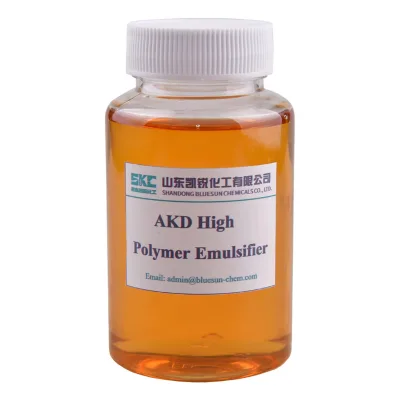

AKD High Polymer Emulsifier/ Starch Type; Raw Material; Emulsify; Emulsion
$650.00 - $680.00
MOQ: 1 Tons

AKD Emulsifier 40% Raw Material for AKD Emulsion with Good Performance
$1280.00 - $1330.00
MOQ: 1 Tons


AKD Emulsion/15%, 18%, 20%, 22% Solid Content/ Paper Waterproof Chemical
$600.00 - $650.00
MOQ: 1 Tons

Good Emulsifying Effect AKD Polymer Emulsifier to Replacing Starch Emulsifier
$1300.00 - $1350.00
MOQ: 1 Tons


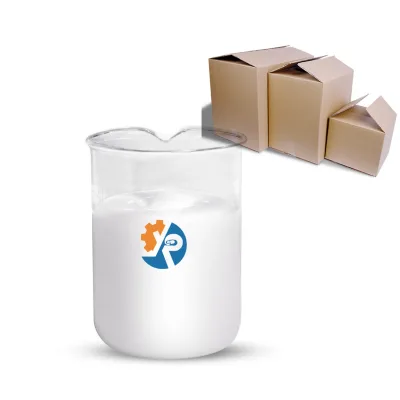
AKD SIZING Emulsion , Alkyl Ketene Dimer ,paper Chemical Auxiliary Agents
$0.60 - $1.50
MOQ: 20000 kilograms

Comprehensive Sourcing Guide
Strategic Sourcing Guide for AKD Emulsion Procurement
Understanding the Technical Profile of AKD Emulsion
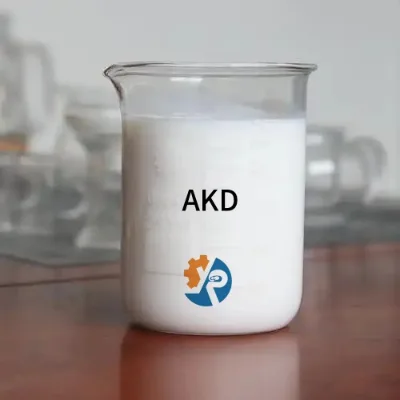
Acrylamide-based or Alkyl Ketene Dimer (AKD) emulsions represent a critical class of chemical auxiliary agents used primarily in the paper industry. When sourcing this material, buyers must first distinguish between the various physical states and chemical compositions observed in the market. The product landscape includes liquid formulations that are often described as white, brown, or yellow, indicating variations in raw material purity or processing stages. A primary technical observation is the solid content, which typically ranges between 15% and 30%, with specific batches often cited at exactly 25%. This concentration is vital for determining the dosage rates required in paper sizing processes.
The chemical identity of the emulsion is further defined by its ionicity. Most high-performance variants for paper sizing are cationic, a property that facilitates strong adhesion to fiber surfaces. The pH value is another critical parameter; observed ranges vary significantly, with some formulations operating between 1.0 and 3.0, while others are stabilized in a slightly higher range of 3.5 to 4.5. Viscosity measurements also show a wide spectrum, with some products exhibiting values between 50 and 120 MPa.s at 25°C, while others, particularly those classified as carbon black or specific emulsifiers, may display viscosities between 8000 and 12000. Buyers must verify these specific physical properties against their own process requirements, as the emulsion's flow characteristics directly impact pumpability and mixing efficiency in industrial settings.
Compliance, Certification, and Regulatory Verification
In the global chemical trade, regulatory compliance is non-negotiable. When evaluating AKD Emulsion suppliers, procurement teams must verify the presence of specific identification numbers that confirm the chemical's regulatory status. The EINECS (European Inventory of Existing Commercial Chemical Substances) number is a standard reference point, with specific listings such as 284-932-5 appearing in product data. Additionally, the CAS (Chemical Abstracts Service) number, such as 144245-85-2, serves as the unique fingerprint for the substance, ensuring that the chemical being purchased matches the intended molecular structure.
Beyond identification numbers, buyers should investigate the purity claims associated with the product. While some market listings suggest a purity of 100%, this figure should be treated as a claim requiring independent laboratory verification rather than an absolute guarantee. The classification of the product as a "Chemical Auxiliary Agent" or "Paper Chemical" dictates the regulatory framework under which it is traded. It is essential to confirm that the supplier can provide documentation proving the product meets the specific safety and environmental standards of the destination country. The absence of a specific certification name in the general product description does not imply non-compliance, but it does necessitate a direct request for the relevant Safety Data Sheets (SDS) and certificates of analysis (CoA) before finalizing any order.
Cost Drivers and Economic Parameters
The economics of sourcing AKD Emulsion are influenced by several distinct factors, primarily volume, packaging, and logistics. The Minimum Order Quantity (MOQ) presents a significant variable in cost planning. Market data indicates a wide range, with some suppliers offering orders as low as 1 unit, while others enforce strict thresholds of 1 Ton or 1000 kg. This variance directly impacts the unit price, which can range from approximately $0.60 to $6890 per unit depending on the scale of the transaction and the specific product grade.
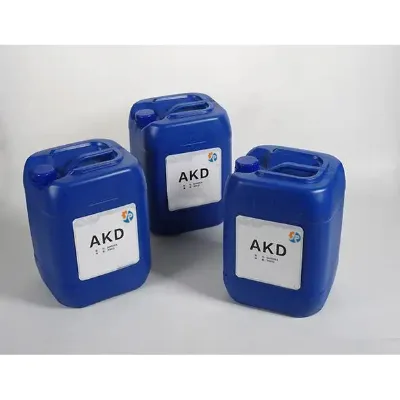
Packaging standards also play a pivotal role in the total landed cost. The industry standard for transport involves 200 kg drums or 1000 kg IBC (Intermediate Bulk Container) drums. The choice between these packaging formats affects handling costs and storage requirements. For instance, a single IBC drum may weigh significantly more, with gross weights recorded around 1056.0 kg, requiring specialized lifting equipment. Furthermore, the origin of the product, often cited as China or specifically the Shandong province, influences freight costs and lead times. Buyers must calculate the total cost of ownership, including the price per kilogram, the cost of the packaging material itself, and the logistics expenses associated with transporting heavy drums or IBCs from the point of origin to the manufacturing facility.
Typical Applications and Functional Performance
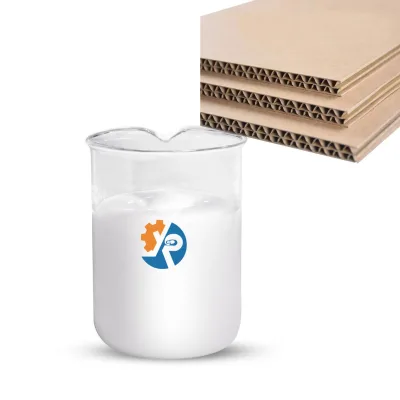
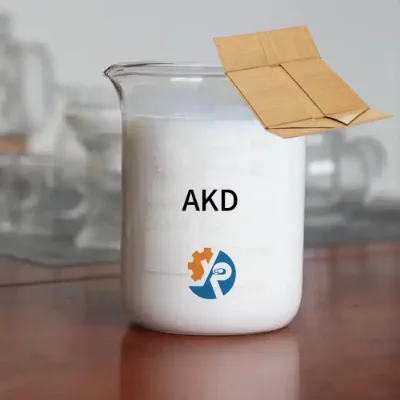
The primary application of AKD Emulsion is in the paper sizing process, where it is used to impart water resistance to paper and cardboard. This function is critical for packaging materials, printing papers, and tissue products. The emulsion acts as a sizing agent, allowing the paper to repel water and aqueous inks, thereby improving printability and durability. However, the versatility of these chemical agents extends beyond paper manufacturing. Observations indicate usage in water treatment chemicals, textile auxiliary agents, and coating auxiliary agents. This multi-sector applicability suggests that the chemical structure can be adapted for various industrial needs, provided the ionic type and pH are compatible with the specific process.
The product is often marketed under names such as "AKD Starch Based Emulsifier" or simply "AKD Emulsion," and may be supplied alongside related products like AKD wax or stabilizers. In the context of paper production, the emulsion is typically applied during the wet end or size press stages. The effectiveness of the emulsion is often linked to its solid content and viscosity; a solid content of 25% is frequently cited as a standard for optimal performance in producing AKD Emulsion for sizing. Buyers should ensure that the specific application they intend to use the product for aligns with the supplier's stated usage, as a formulation optimized for textile auxiliaries may not perform identically in a paper sizing operation.
Supplier Evaluation and Operational Reliability
Evaluating a supplier for AKD Emulsion requires a rigorous assessment of their operational capabilities and product consistency. The brand names associated with these products can vary, with some listings referencing "Gt" or "bluesun," while others may not specify a brand at all. This variability underscores the importance of verifying the manufacturer's identity rather than relying solely on the product name. A reliable supplier should be able to provide a clear traceability path from the raw materials to the finished emulsion.
Lead time is a critical operational metric. Many suppliers indicate a delivery time of 7 working days or within 7 days after receiving payment, which suggests a relatively agile supply chain. However, buyers must confirm if this timeline applies to stock availability or if it includes production time for custom orders. The availability of samples is another key indicator of supplier confidence; most reputable vendors offer samples to allow buyers to test the product's viscosity, pH, and sizing performance before committing to a large order. Additionally, the supplier's ability to handle customizations, such as adjusting the solid content or pH range, can be a decisive factor for buyers with unique process requirements.
Quality Control and Long-Term Procurement Strategy
Maintaining consistent quality in AKD Emulsion procurement is essential for process stability. The shelf life of the product is a finite resource, with observed durations ranging from 6 months to 12 months. This variability highlights the need for a robust inventory management system to ensure that the chemical is used before degradation occurs. Buyers should establish a protocol for testing incoming batches against the agreed-upon specifications, particularly focusing on pH, solid content, and viscosity.
For long-term procurement, building a relationship with a supplier who offers consistent quality and reliable delivery is more valuable than chasing the lowest unit price. The standard packaging of 200 kg or 1000 kg drums should be evaluated for compatibility with the buyer's storage facilities. Furthermore, the supplier's ability to provide technical support, such as assistance with dosage optimization or troubleshooting sizing issues, adds significant value to the procurement relationship. By focusing on suppliers who demonstrate transparency in their product attributes and a commitment to quality control, buyers can mitigate the risks associated with chemical supply chain disruptions and ensure the continued performance of their paper or textile production processes.
Comparative Overview of Product Attributes
To assist in the decision-making process, the following table summarizes the key attributes observed in the market for AKD Emulsion products. This comparison highlights the variability in specifications that buyers must navigate.
| Attribute | Observed Range / Value | Notes for Verification |
|---|---|---|
| Appearance | Liquid | Confirm clarity and color (White, Brown, Yellow). |
| Solid Content | 15% - 30% (Commonly 25%) | Verify via CoA for specific batch. |
| Ionic Type | Cationic | Essential for paper sizing adhesion. |
| pH Value | 1.0 - 3.0 or 3.5 - 4.5 | Match to process water chemistry. |
| Viscosity | 50 - 120 MPa.s or 8000 - 12000 | Check temperature dependency (25°C). |
| Shelf Life | 6 Months - 12 Months | Plan inventory turnover accordingly. |
| Packaging | 200kg Drum or 1000kg IBC | Assess handling and storage capacity. |
| Origin | China (Shandong) | Factor in logistics and lead time. |
| MOQ | 1 Ton - 1000 kg | Align with production volume needs. |
| CAS No. | 144245-85-2 | Verify regulatory compliance. |
| EINECS No. | 284-932-5 | Confirm European inventory status. |
This structured approach to sourcing AKD Emulsion ensures that buyers can make informed decisions based on verified data, minimizing the risk of procurement errors and ensuring the successful integration of the chemical into their industrial processes.
FAQs
What is the typical solid content range for AKD Emulsion?
The solid content typically ranges between 15% and 30%, with specific batches often cited at exactly 25%. This concentration is vital for determining the dosage rates required in paper sizing processes and must be verified via Certificate of Analysis.
How long is the shelf life of AKD Emulsion products?
Shelf life varies from 6 months to 12 months depending on the specific formulation and storage conditions. Buyers should establish a robust inventory management system to ensure the chemical is used before degradation occurs.
Which packaging formats are standard for AKD Emulsion transport?
Standard transport involves 200 kg drums or 1000 kg IBC drums. The choice between these formats affects handling costs and storage requirements, with single IBC drums potentially weighing around 1056.0 kg.
Can buyers obtain samples before placing a large order?
Yes, samples are available from most reputable vendors to allow buyers to test viscosity and pH. This practice helps verify product performance before committing to large orders that meet specific Minimum Order Quantity thresholds.
What is the typical delivery time after payment is received?
Many suppliers indicate a delivery time of 7 working days or within 7 days after receiving payment. Buyers must confirm if this timeline applies to stock availability or includes production time for custom orders.
What is the minimum order quantity for AKD Emulsion?
Minimum Order Quantity varies significantly, ranging from 1 unit to 1 Ton or 1000 kg depending on the supplier. This variance directly impacts the unit price and requires careful cost planning based on production volume needs.