Source alcohol-free beeswax hair wax for Bikini, Face, and Legs
Explore 30 listings of alcohol-free beeswax hair wax suitable for bikini, face, and leg depilation. Buyers can compare specifications like model numbers, packaging sizes, and ingredient profiles to find the right wholesale solution for their business needs.
Key considerations
Products List
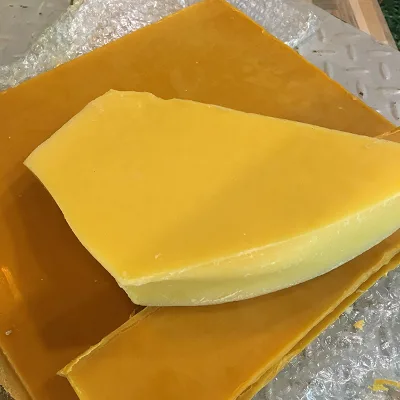
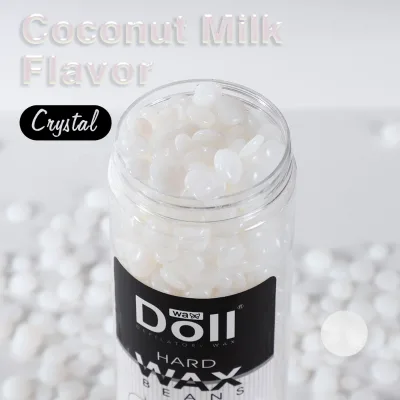
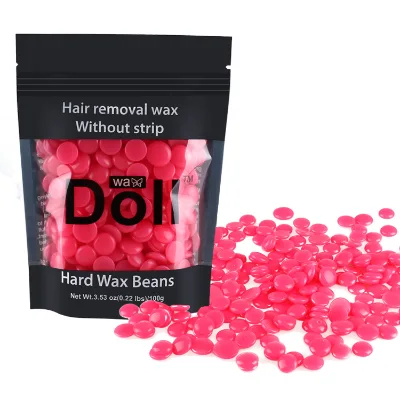

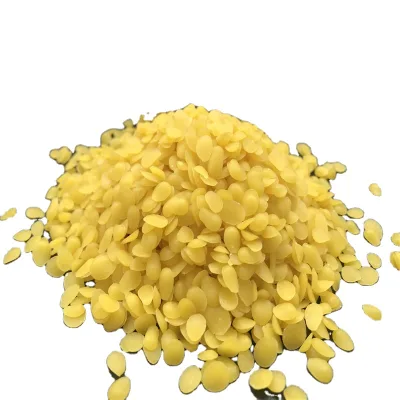


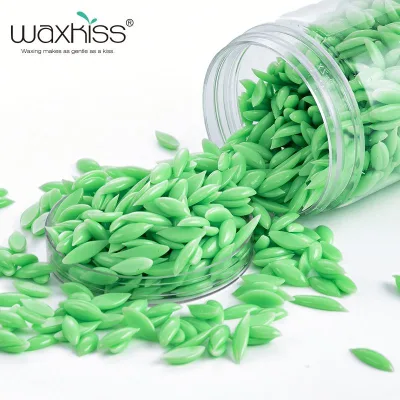
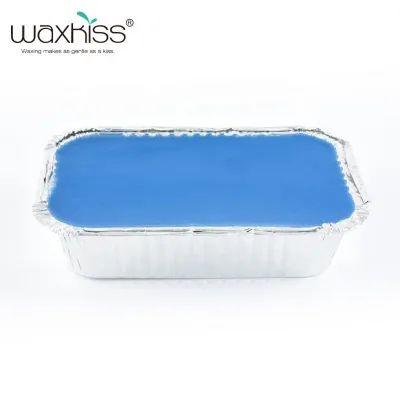
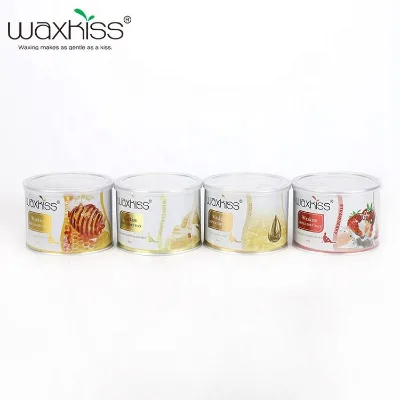
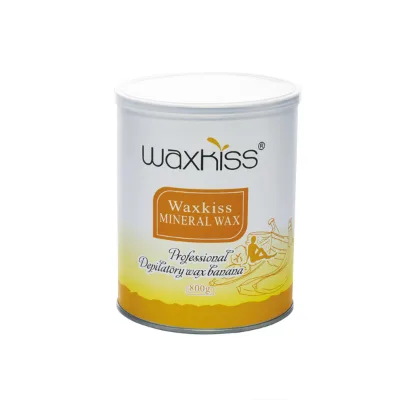


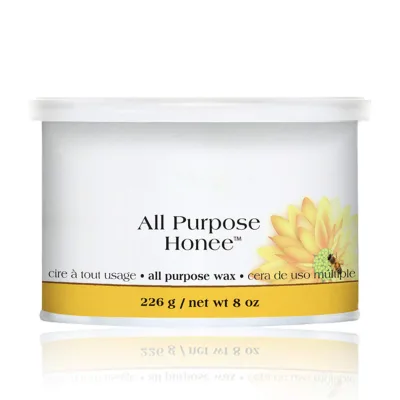


New Cosmetic Grade Cheap Beeswax Natural Organic Beeswax Bee Wax for Candle
$31.00 - $41.00
MOQ: 1 Tons
Comprehensive Sourcing Guide
Strategic Sourcing Guide for Alcohol-Free Beeswax Hair Wax
Understanding Product Composition and Technical Specifications
When sourcing alcohol-free beeswax hair wax, buyers must first distinguish between the fundamental material composition and the specific formulation variations available in the market. The core ingredient, as observed in current listings, is Honey Bees wax, often categorized under the scientific name Apis mellifera. However, the "alcohol-free" designation requires careful scrutiny of the full ingredient list, as many formulations rely on a complex blend of oils and resins to achieve the desired consistency without the use of ethanol or isopropyl alcohol.
The technical specifications for these products vary significantly depending on the intended application. One observed category is "Rosin-Free Hard Wax Beans," which suggests a formulation designed to minimize skin irritation often associated with traditional rosin-based waxes. In contrast, other listings detail a material composition that includes Rosin, coconut oil, beeswax, paraffin wax, glycerin rosinate, and spices. This indicates that while the primary base is beeswax, the "alcohol-free" claim does not necessarily imply a single-ingredient product. Instead, it denotes the absence of volatile alcohols, relying instead on emollients like Shea butter and Coconut Oil to provide flexibility and adhesion.
The physical form of the product is another critical technical specification. The market offers both granular forms, described as "Beeswax Grain," and pre-mixed hard wax beans. The granular form typically requires melting in a warmer, while the bean form is often designed for direct application. The size specifications for packaging also vary, with single package sizes ranging from 10.8*17.5 cm to 18X11X5 cm, and individual unit weights fluctuating between 100g and 400g. Buyers must verify that the specific model number, such as BW01 or DW002-400B/RF, aligns with their melting temperature requirements and application surface area. The shape is often listed as "oem," indicating that the physical dimensions and grain structure can be customized to meet specific client needs, provided the supplier has the capacity for such production.
Compliance, Certification, and Safety Verification
In the beauty and personal care sector, compliance is not merely a regulatory formality but a critical component of product safety and market access. For alcohol-free beeswax hair wax, the primary safety documentation observed in current listings is the MSDS (Material Safety Data Sheet). This document is essential for verifying the chemical composition, handling procedures, and emergency response measures associated with the product. When evaluating a potential supplier, buyers should request the latest MSDS to confirm that the listed ingredients, such as Cera Microcristallina, Paraffin, and various botanical extracts, match the safety data provided.
While some industry standards like ISO 9001 are often cited in the broader context of manufacturing quality, the provided data does not explicitly confirm that every listed product holds this certification. Therefore, buyers should not assume compliance based on general market knowledge but must verify the specific certification status of the supplier's facility. The absence of explicit certification data in the product listings necessitates a proactive approach where the buyer requests proof of compliance directly from the manufacturer. This verification process should include checking for any regional regulatory approvals required for the destination market, such as FDA registration for the US or CPNP notification for the EU.
Furthermore, the "alcohol-free" claim must be substantiated through the ingredient declaration. Buyers should ensure that the "Fragrance" section of the product listing, which may include scents like Aloe, Strawberry, Chocolate, or Tea Tree, does not contain hidden alcohol bases. The presence of spices and glycerin rosinate in some formulations adds complexity to the safety profile, requiring a thorough review of the MSDS to ensure no hazardous interactions occur during the heating process. The warranty period of 1 Year observed in some listings suggests a manufacturer's confidence in product stability, but this should be cross-referenced with the shelf life indicated on the packaging details.
Cost Drivers and Pricing Dynamics
The pricing structure for alcohol-free beeswax hair wax is influenced by a combination of raw material costs, packaging complexity, and order volume. The observed price range in the market spans from $0.38 to $41 per unit, a significant variance that reflects differences in product type, quantity, and customization levels. The lower end of the spectrum typically corresponds to bulk raw materials or smaller packaging units like 100g bags, while the higher end may reflect specialized formulations, branded products, or larger volume orders with custom packaging.
A primary cost driver is the Minimum Order Quantity (MOQ). The data indicates an MOQ range from 1 to 3000 units, with specific listings showing MOQs of 24 bottles or 50 bags. Suppliers with lower MOQs often charge a premium per unit to cover setup and administrative costs, whereas higher volume orders benefit from economies of scale. The packaging details also play a crucial role in cost; for instance, a carton size of 57 x 41 x 22 CM holding 200 bags will have different logistics costs compared to a smaller carton of 402822.5 cm. Buyers must calculate the total landed cost, including shipping from ports like Ningbo, Shanghai, or YiYi, which can vary based on the weight per carton, observed here ranging from 0.2 kg per single unit to 10.8 kg per carton.
Customization is another significant factor affecting price. Options such as Silk Screen Printing, Heat-Transfer Printing, and OEM logo design add to the production cost. The "Customization: Available" attribute suggests that branding and packaging modifications are possible, but these services often come with additional fees and potentially higher MOQs. Buyers should request a detailed breakdown of costs for standard versus customized units to understand the true cost drivers. Additionally, the supply ability of 200,000 bags per month indicates that suppliers with high capacity may offer more competitive pricing for large orders, provided the buyer can commit to the necessary volume.
Typical Applications and Market Segmentation
The versatility of alcohol-free beeswax hair wax allows it to serve multiple applications across the beauty and personal care industry. The primary application is hair removal, specifically targeting sensitive areas such as the Bikini/Intimate region, Face, Legs, and Body. The "No-Strips" attribute indicates that these products are designed for hard wax application, where the wax hardens and is removed without the need for cloth or paper strips, offering a less painful experience for the user. This makes the product particularly suitable for professional salons and home-use kits.
Beyond hair removal, the material properties of beeswax allow for secondary applications in modeling, food packaging, casting, and candle manufacturing. The "Usage" field explicitly lists these diverse functions, suggesting that the raw material or specific formulations can be repurposed for industrial or artistic projects. For example, the "Beeswax Grain" appearance and the inclusion of paraffin wax make the product suitable for casting molds, while the "coconut milk flavour" and specific scents might appeal to niche markets interested in multi-functional beauty products.
The target area segmentation is crucial for marketing and product development. Products targeting the face require a finer grain and lower melting point to prevent skin damage, whereas body waxes may have a coarser texture for efficiency. The "Shape: oem" and "Size: oem" attributes highlight the flexibility to tailor the product for specific demographic needs. For instance, a smaller size of 11215 cm might be ideal for travel-sized kits, while larger units are better suited for salon use. Understanding these applications helps buyers select the right product specifications for their specific customer base, ensuring that the wax performs optimally in the intended environment.
Supplier Evaluation and Quality Control Protocols
Evaluating suppliers for alcohol-free beeswax hair wax requires a rigorous assessment of their production capabilities, quality control systems, and logistical reliability. The place of origin is a key indicator, with suppliers located in Guangdong and Zhejiang, China, representing major manufacturing hubs for beauty and personal care products. Buyers should verify the supplier's ability to maintain consistent quality across batches, especially given the variation in ingredients like Cera Microcristallina and Paraffin.
Quality control should focus on the consistency of the "Beeswax Grain" appearance and the uniformity of the melting properties. Since the product is often used in professional settings, any variation in texture or adhesion can lead to customer dissatisfaction. Buyers should request samples to test the wax's performance on different skin types and areas, ensuring that the "alcohol-free" claim does not compromise the product's efficacy. The "Condition: New" attribute implies that the products are fresh, but buyers should also check the production date and shelf life to ensure the wax has not degraded.
Logistical capabilities are equally important. The "Port of dispatch" options, including Ningbo, Shanghai, and YiYi, suggest that suppliers have established shipping networks. However, buyers must confirm the lead times and packaging integrity to prevent damage during transit. The "Packaging Details" section, which specifies carton dimensions and weight, should be used to calculate shipping costs accurately. Additionally, the "Supply Ability" of 200,000 bags per month indicates that the supplier can handle large orders, but buyers should verify if this capacity is consistent year-round or subject to seasonal fluctuations.
Long-Term Procurement Considerations and Strategic Sourcing
For buyers looking to establish a long-term relationship with a supplier, several strategic factors must be considered beyond the initial purchase. The "Customization: Available" attribute suggests that suppliers are open to developing exclusive formulations or branding, which can be a significant competitive advantage. However, this requires a clear understanding of the intellectual property rights and the minimum volumes required for custom runs.
Sustainability and ingredient sourcing are becoming increasingly important in the beauty industry. While the provided data does not explicitly mention organic or fair-trade certifications, buyers should inquire about the source of the beeswax and other botanical ingredients. The "Rosin-Free" option is a positive indicator for those seeking products that minimize potential allergens, but buyers should also explore whether the supplier offers eco-friendly packaging solutions to align with modern consumer values.
Finally, the "Warranty: 1 Year" observed in some listings provides a baseline for product reliability, but buyers should negotiate specific terms regarding product defects or quality issues. Establishing a clear communication channel for feedback and continuous improvement will help ensure that the supply chain remains robust and responsive to market changes. By focusing on these long-term considerations, buyers can secure a reliable supply of high-quality alcohol-free beeswax hair wax that meets both current demands and future growth objectives.
Comparative Analysis of Product Variants
To assist buyers in making informed decisions, the following table compares key attributes of the observed product variants. This comparison highlights the differences in material composition, packaging, and intended use, facilitating a more targeted sourcing strategy.
| Feature | Variant A (Rosin-Free) | Variant B (Standard Blend) | Variant C (Wholesale Bag) |
|---|---|---|---|
| Primary Material | Honey Bees wax | Beeswax, Mineral Oil, Paraffin | Rosin, Coconut Oil, Beeswax |
| Form | Hard Wax Beans | Hard Wax Beans | Beeswax Grain |
| Key Ingredients | Honey Bees wax | Shea butter, Coconut Oil | Glycerin rosinate, Spices |
| Packaging | Carton (OEM) | Bags (100g/Bag) | Bags (100g/Bag) |
| MOQ | 24 Bottle | 50 Bags | 50 Bags |
| Target Area | Bikini, Face, Legs | Bikini, Face, Legs | General Hair Removal |
| Certification | MSDS | MSDS | MSDS |
| Origin | Guangdong, China | Zhejiang, China | Guangdong, China |
| Weight | 1 kg (approx) | 400g | 100g |
| Color/Flavor | Yellow | Coconut Milk | Strawberry |
This table underscores the importance of matching specific product attributes to the buyer's operational needs. Variant A offers a specialized rosin-free option suitable for sensitive skin, while Variant B provides a balanced blend with added emollients. Variant C represents a cost-effective wholesale option with a standard formulation. By analyzing these differences, buyers can select the most appropriate product for their specific market segment and customer requirements.
FAQs
What materials are used in alcohol-free beeswax hair wax?
The product typically uses honey bees wax as the primary ingredient, often blended with mineral oil, paraffin, and coconut oil. Some formulations include shea butter and glycerin rosinate to ensure flexibility and adhesion without alcohol.
Which certifications should I verify for safety compliance?
You should verify the Material Safety Data Sheet (MSDS) to confirm chemical composition and safety handling. While ISO 9001 is common in the industry, you must request specific proof of certification from the supplier rather than assuming it.
Can I customize the packaging and logo design?
Yes, customization is available for logo and graphic design using silk screen or heat-transfer printing methods. Buyers can also request OEM specifications for size and shape, though this may affect the minimum order quantity and unit pricing.
What is the typical minimum order quantity for these waxes?
Minimum order quantities vary significantly, ranging from single items up to 3000 units depending on the supplier. Specific listings show MOQs as low as 24 bottles or 50 bags, with bulk options available for larger commercial needs.
How do I determine the correct application area for the wax?
The wax is designed for target areas including the bikini region, face, legs, and body. It functions as a no-strip hard wax, making it suitable for sensitive skin where traditional strip waxes might cause irritation.
Where are the main manufacturing locations for this product?
Manufacturers are primarily located in Guangdong and Zhejiang provinces in China. These regions serve as major hubs for beauty and personal care product production, offering established logistics networks for international shipping.
What is the expected supply capacity for large orders?
Some suppliers demonstrate a supply ability of up to 200,000 bags per month. This capacity indicates readiness for large-scale procurement, though buyers should confirm if this volume is consistent year-round or subject to seasonal fluctuations.