Source all-in-one fixed touch pos machine for Retail, Food, and Recreation
Find 30 all-in-one fixed touch pos machine options from China suppliers. Compare specifications including screen size, CPU, and memory to select the right unit for food service, retail, or recreation applications.
Key considerations
Products List
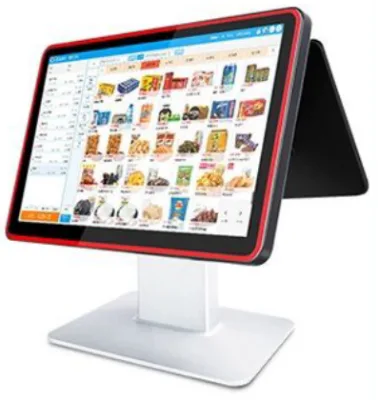


Factory All in One POS System Windows 12.1 Touch Screen POS Terminal Machine
$215.00 - $365.00
MOQ: 1 Piece


All in One POS Machine 12.1" POS Device Desktop PC Computer POS Terminal
$215.00 - $365.00
MOQ: 1 Piece

All in One 15" POS Monitor Billing machine POS Computer Point of Sale Touch Display
$190.00 - $320.00
MOQ: 1 Piece


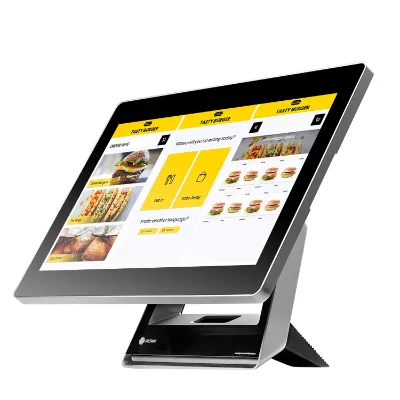


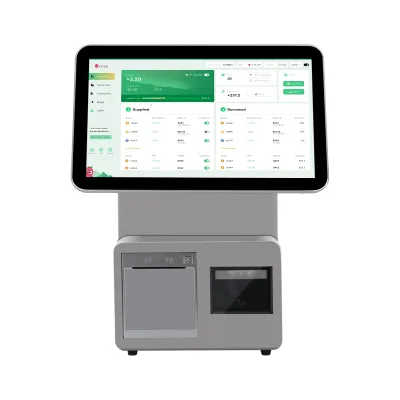
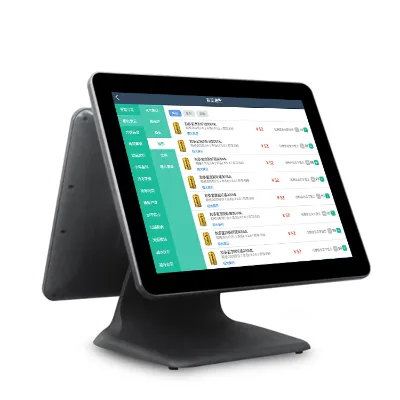

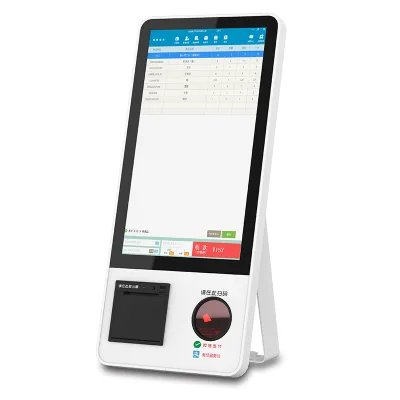
True Flat Capacitive Touch Self-Service Terminal Self Service Payment Terminal
$615.32 - $808.12
MOQ: 10 pieces
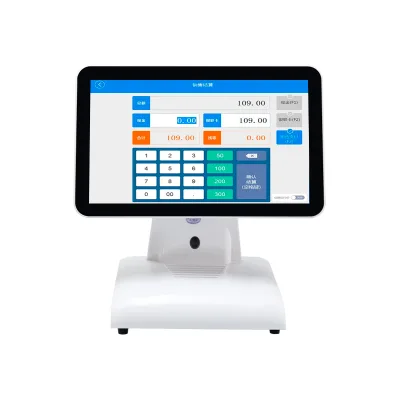
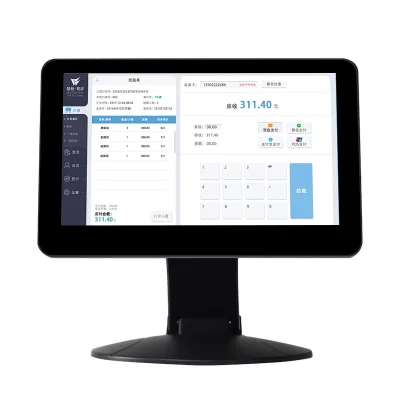
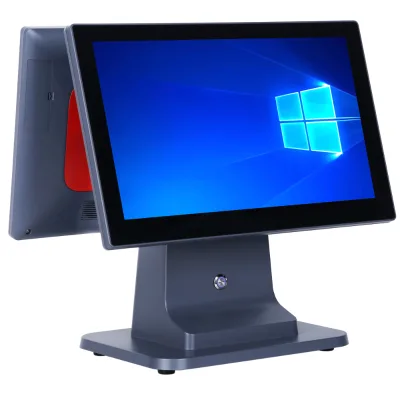
Comprehensive Sourcing Guide
Strategic Sourcing Guide for All-in-One Fixed Touch POS Machines
Understanding Technical Specifications and Core Architecture
When sourcing an all-in-one fixed touch POS machine, buyers must first dissect the technical architecture to ensure the hardware aligns with operational demands. The market offers a variety of configurations, but the core components often define the machine's longevity and processing speed. Based on observed product attributes, a typical high-performance unit in this category features an Intel-based CPU, specifically the 4th generation i5, which provides a robust balance between processing power and energy efficiency for transaction-heavy environments. Memory configurations are equally critical; observed models frequently utilize DDR3 4GB RAM, ensuring smooth multitasking between the operating system and point-of-sale applications.
Storage solutions have also evolved, with solid-state drives (SSD) becoming the standard for reliability. Specific listings indicate configurations such as dual SSDs of 128GB each, or single units with 128GB capacity, which significantly reduce boot times and data access latency compared to traditional hard drives. The display is a primary interface for both staff and customers. The industry standard for these fixed units centers on a 15.6-inch screen, though variations exist ranging from 5 to 15 inches. The resolution observed in high-definition models is 1366x768, paired with an 11.6-inch or 15.6-inch LCD panel. Crucially, the touch technology is predominantly capacitive, offering a responsive and durable surface that supports multi-touch gestures, essential for modern, intuitive user interfaces.
The operating system is another pivotal specification. Most observed units run on Windows, providing compatibility with a vast ecosystem of third-party POS software. However, buyers should verify if the specific model supports the required version of Windows for their existing software stack. Power requirements are generally standardized to AC 110V/240V at 50/60 Hz, ensuring global usability. The physical form factor is described as "Fixed," indicating these units are designed for countertop installation rather than mobile use. Weight is a practical consideration for logistics and installation; observed units can weigh up to 7.5kg, necessitating sturdy mounting solutions.
Compliance, Certification, and Regulatory Standards
Navigating the regulatory landscape is a non-negotiable aspect of B2B procurement for electronic hardware. For an all-in-one fixed touch POS machine, compliance with international safety and electromagnetic compatibility standards is essential to avoid customs delays and ensure operational safety. The observed product data highlights several key certifications that serve as indicators of quality and regulatory adherence. Common certifications include CE (Conformité Européenne), FCC (Federal Communications Commission), and CCC (China Compulsory Certification).
The CE mark is particularly vital for buyers targeting the European market, as it signifies that the product meets EU safety, health, and environmental requirements. The FCC certification is mandatory for devices sold in the United States, ensuring that the electronic emissions do not interfere with other radio devices. The CCC mark is specific to the Chinese market, indicating compliance with local safety standards. Some listings may also feature a standalone CE certification without the FCC or CCC, suggesting the product might be tailored for specific regional markets or is in the process of obtaining broader certification.
Buyers must verify that the certification documents provided by the supplier are valid and correspond to the specific model number being purchased. It is important to note that while certifications like CE, FCC, and CCC are frequently observed, the absence of a specific certification in a listing does not necessarily mean the product is non-compliant; it may simply mean the listing does not explicitly state it. However, for a procurement strategy that minimizes risk, buyers should prioritize suppliers who can provide up-to-date test reports and certificates from accredited laboratories. The country of origin for these devices is predominantly China, specifically the Guangdong province, a major hub for electronics manufacturing. This geographic concentration often implies a mature supply chain but requires rigorous due diligence regarding the specific factory's compliance history.
Cost Drivers and Pricing Dynamics
The pricing of all-in-one fixed touch POS machines is influenced by a complex interplay of hardware specifications, customization options, and order volume. The observed price range for these units spans from approximately $99 to $1,345 USD. This wide disparity reflects the diversity in the market, ranging from basic models with minimal features to high-end units with advanced processing power, larger screens, and integrated peripherals.
Several key factors drive these costs. First, the internal hardware configuration is a primary determinant. Units equipped with 4th generation i5 CPUs, 4GB of DDR3 RAM, and dual SSDs command a higher price point compared to those with lower memory support (e.g., 2GB) or smaller storage capacities (e.g., 8GB ROM). The screen size and resolution also impact cost; a 15.6-inch high-definition capacitive touch screen is more expensive than a smaller, lower-resolution panel. Second, the inclusion of peripherals significantly alters the price. Models that come with an integrated thermal printer are priced higher than those listed as "Without Printer," where the buyer must source a separate device.
Customization is another major cost driver. The observed data indicates that customization is available for these machines. This can include branding, specific software pre-installation, or hardware modifications to suit unique operational workflows. Customized orders typically carry a higher unit cost and may have different minimum order quantity (MOQ) requirements. The observed MOQ range is between 1 and 10 units, suggesting flexibility for small businesses but potentially higher per-unit costs for single-item purchases compared to bulk orders.
Packaging and logistics also play a role in the final landed cost. Products are often shipped in individual gift boxes with inner foam protection or standard paper-box packaging. The package size and weight, such as a carton measuring 47x37x51cm containing 1 unit weighing 7.5kg, directly influence shipping expenses. Buyers should factor in these logistics costs when comparing the base price of different suppliers. Additionally, the warranty period, observed as 1 year in some listings, can affect the overall value proposition, as extended warranty options may increase the initial investment but reduce long-term risk.
Typical Applications and Functional Versatility
The all-in-one fixed touch POS machine is designed to serve a broad spectrum of industries, with a primary focus on food service and retail sectors. The functional versatility of these devices allows them to adapt to various operational needs, from simple transaction processing to complex inventory management. The observed application areas include Food Service Systems, Catering, Retail, Recreation, and other general commercial uses.
In the food service sector, these machines are integral to managing high-volume transactions. The "POS for Consuming" function type is specifically tailored for restaurants and cafes, allowing staff to quickly input orders, manage table assignments, and process payments. The integration of a thermal printer in some models enables immediate printing of receipts and kitchen tickets, streamlining the workflow between the front of house and the back of house. For catering services, the ability to handle transfers and manage large orders makes these units particularly valuable.
Retail environments also benefit significantly from the fixed touch POS architecture. The "POS for Transfering" function supports inventory management and stock transfers between different locations or departments. The support for network management ensures that sales data is synchronized in real-time across multiple terminals, providing accurate inventory tracking and sales reporting. The card type support, including Non-Contact IC Cards and Magcards, ensures compatibility with various payment methods, catering to customers who prefer cash, magnetic stripe cards, or contactless payments.
The fixed nature of these machines makes them ideal for permanent installations where mobility is not a requirement. The robust build, with a weight of up to 7.5kg, ensures stability on countertops, preventing accidental tipping. The capacitive touch screen offers a user-friendly interface that reduces training time for new staff. Whether in a high-end restaurant, a quick-service retail outlet, or a recreational facility, the all-in-one design consolidates multiple functions into a single footprint, saving valuable counter space and reducing cable clutter.
Supplier Evaluation and Quality Control Protocols
Selecting the right supplier is critical to ensuring the reliability and longevity of the POS machines. Given that the country of origin is predominantly China, specifically Guangdong, buyers should focus on evaluating the supplier's manufacturing capabilities and quality control processes. A reputable supplier should be able to provide detailed information about their production line, including the types of components used and the assembly standards followed.
Quality control should be a central part of the evaluation process. Buyers should request evidence of in-house testing procedures, such as stress tests on the touch screen, durability tests for the casing, and performance validation of the internal components. The observed certifications like CE, FCC, and CCC are good indicators, but buyers should also ask for specific test reports that verify these claims. It is essential to verify that the certifications are current and cover the specific model being purchased.
Supplier transparency regarding the product's origin and components is another key factor. While the "Brand Name" may be listed as AIBAO or similar, buyers should understand the relationship between the brand and the manufacturer. Is the supplier the original equipment manufacturer (OEM), or are they a trading company? Understanding this distinction helps in assessing the level of control the supplier has over the production process and the potential for customization.
Furthermore, buyers should evaluate the supplier's after-sales support capabilities. The observed warranty period of 1 year is a standard baseline, but buyers should inquire about the terms of the warranty, including what is covered and the process for claiming repairs or replacements. A supplier with a strong support network can significantly reduce downtime in the event of hardware failure. The availability of spare parts and the lead time for replacements are also critical considerations for long-term procurement planning.
Long-Term Procurement and Lifecycle Management
Procuring all-in-one fixed touch POS machines is not just a one-time transaction but a strategic decision that impacts long-term operational efficiency. Buyers should consider the lifecycle of the hardware, including the expected lifespan of components like the SSD, the touch screen, and the power supply. The observed 1-year warranty provides a baseline for protection, but buyers should plan for potential upgrades or replacements beyond this period.
Software compatibility is a major factor in the long-term viability of these machines. As the operating system evolves, buyers must ensure that the POS software they rely on remains compatible with the hardware. The use of Windows as the operating system offers flexibility, but buyers should verify the specific version and its end-of-life status. Additionally, the support for network management ensures that the machines can be updated and monitored remotely, which is crucial for maintaining security and performance over time.
Customization options observed in the market allow for future-proofing the investment. If a business plans to expand its operations or change its service model, the ability to customize the hardware or software can save significant costs in the long run. Buyers should also consider the scalability of the system. Can the POS machines integrate with new payment gateways or inventory management systems as the business grows?
Finally, the total cost of ownership (TCO) should be calculated, including the initial purchase price, installation costs, maintenance, and potential upgrade expenses. By carefully evaluating the technical specifications, compliance, cost drivers, applications, and supplier capabilities, buyers can make informed decisions that ensure their all-in-one fixed touch POS machines deliver value and reliability for years to come. The observed data provides a solid foundation for these decisions, but ongoing due diligence and relationship building with suppliers are essential for sustained success in the B2B procurement landscape.
FAQs
What are the typical CPU and memory specifications for these machines?
Typical units feature an Intel 4th generation i5 CPU paired with 4GB of DDR3 memory. Some models may offer 2GB memory support or 8GB ROM instead. These configurations ensure smooth multitasking for transaction-heavy environments.
Which screen sizes and touch technologies are commonly available?
Common screen sizes range from 5 to 15 inches, with 15.6 inches being a standard option. The touch technology is predominantly capacitive, offering responsive multi-touch gestures for intuitive user interfaces in retail and food service settings.
Can these machines operate with different power voltages globally?
Yes, most units support AC 110V and 240V at 50/60 Hz for global usability. This standard power requirement ensures the fixed touch POS machines can be deployed in various international locations without needing voltage converters.
What certifications should buyers look for to ensure regulatory compliance?
Buyers should look for CE, FCC, and CCC certifications to ensure regulatory compliance. These marks indicate adherence to safety and electromagnetic standards for the European, US, and Chinese markets respectively, reducing customs and operational risks.
How does the inclusion of a thermal printer affect the product?
Models with an integrated thermal printer are priced higher than those without one. The printer enables immediate receipt and kitchen ticket printing, streamlining workflows in food service and catering applications where quick transaction processing is essential.
What is the typical warranty period and customization availability?
The standard warranty period observed is one year for hardware protection. Customization is available for branding or specific software needs, though this may influence the minimum order quantity and unit cost depending on the supplier.