Source Taiwan POS Fanless Terminals for Retail, Hospitality, and Supermarkets
Source 30 Taiwan POS Fanless systems designed for reliable performance in demanding environments. Compare models with Intel CPUs, Windows 10/11, and thermal printers to find the right solution for retail, hospitality, and supermarket applications; compare the available evidence and request quotations based on your requirements.
Key considerations
Products List


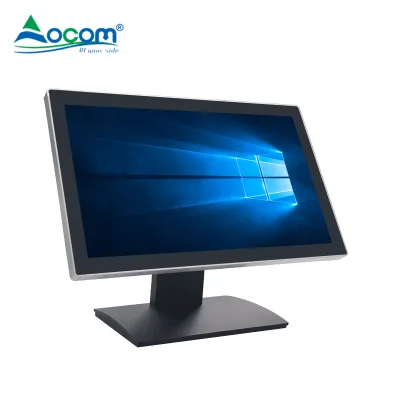
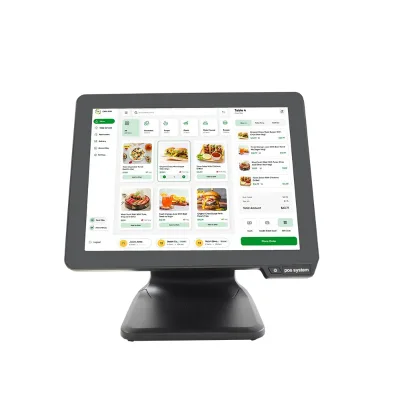
Fanless Bigger Screen All in One POS 18inch Wins Systems Cash Register
$277.04 - $298.83
MOQ: 2 pieces
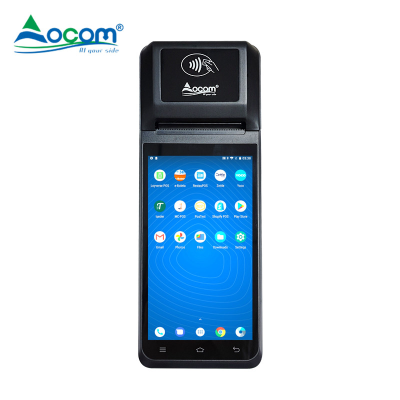
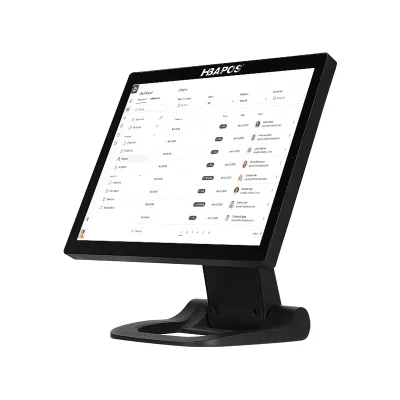
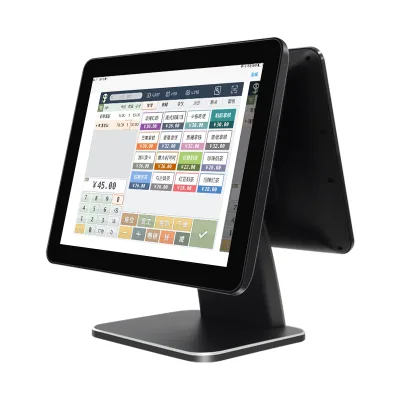
HBAPOS Q2F Folding POS Hardware All in One Fanless Pos Systems for Store
$245.03 - $265.89
MOQ: 1 Minimum

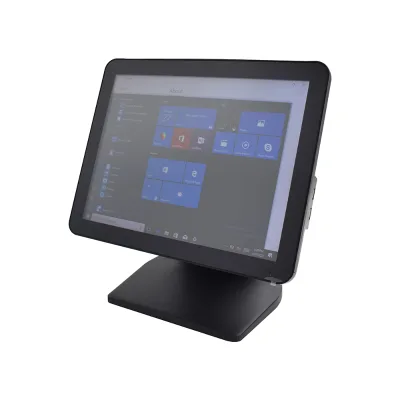


Cheap 15.6 Inch Touch POS Terminal Restaurant All in One Cash Register Machine
$210.00 - $220.00
MOQ: 1 Pieces

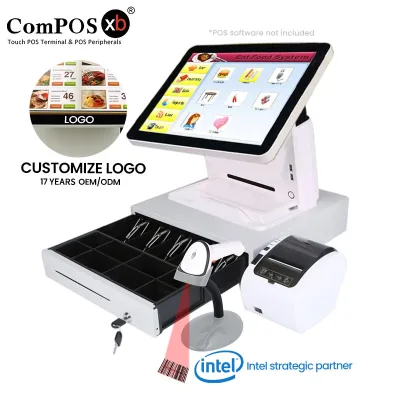

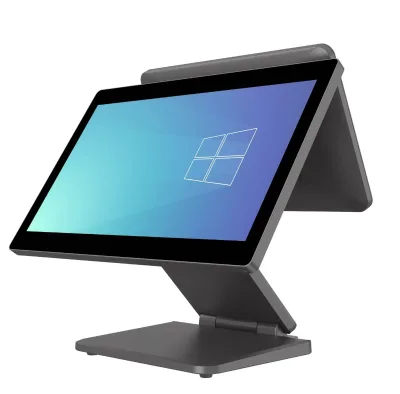
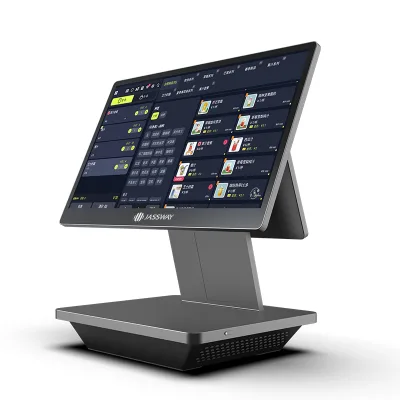
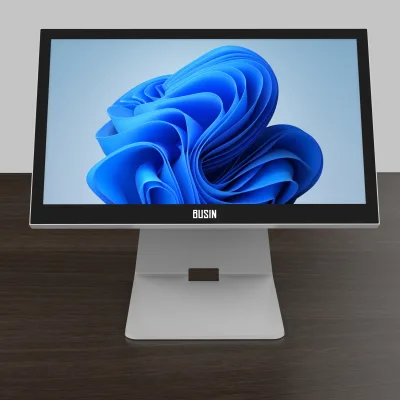
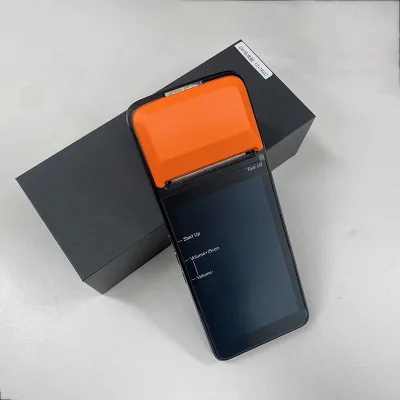

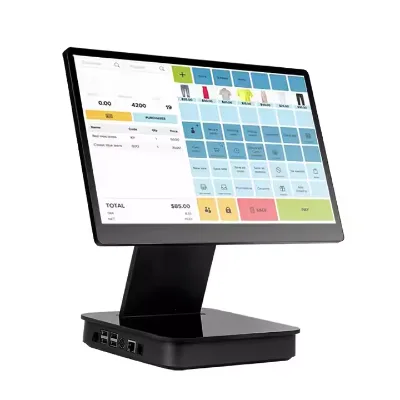
NEW CHEAP All in One Touch Screen Fanless Pos System Ideal for Fast Food & Retail Stores
$129.00 - $149.50
MOQ: 10 pieces

2+16GB Android Smart NFC POS Hardware Machine with 6.26 Inch Screen Touch Z93
$145.00 - $165.00
MOQ: 1 Pieces


Factory Manufacture Electronic Point-of-Sale System POS Terminal Cash Register
$1.00 - $499.00
MOQ: 1 Pieces
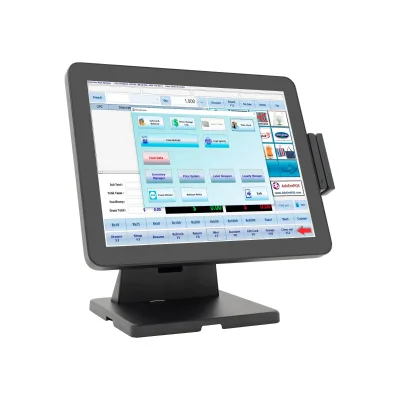
Comprehensive Sourcing Guide
Taiwan POS Fanless Sourcing Guide
Procuring fanless POS terminals from Taiwan requires distinguishing between generic mainland Chinese listings and authentic regional manufacturing standards. While the observed product data indicates a strong presence of Guangzhou-based suppliers offering Windows-based systems, buyers must verify if the "Taiwan" designation refers to the brand origin or merely the supply chain routing. The available inventory shows models like the HBA-Q8 and HBA-Q2F, which feature Intel processors and thermal printers, yet the explicit "Taiwan" label is absent from the provided specifications. This discrepancy necessitates a rigorous supplier audit to confirm the actual manufacturing location and intellectual property rights associated with the hardware.
Buyers should prioritize suppliers who can provide clear documentation regarding the origin of the motherboard and the assembly facility. The observed weight variations, ranging from 5kg to 9.5kg, suggest different chassis designs and cooling solutions that may impact the fanless claim. A genuine fanless unit relies on passive heat dissipation, which often results in a heavier, more robust metal casing compared to active cooling systems. Procurement teams must request thermal testing reports to ensure the device maintains stable performance under continuous operation without the risk of overheating, a common failure point in poorly engineered fanless units.
Product Scope and Observed Listing Signals
The current market landscape for POS systems reveals a diverse range of configurations, including fixed terminals with capacitive touch screens and varying storage capacities. The observed listings highlight models compatible with barcode scanners, cash drawers, and thermal printers, indicating a broad scope suitable for hospitality and retail environments. However, the specific "fanless" attribute is not explicitly confirmed in the provided product facts, requiring buyers to scrutinize the cooling mechanism details before finalizing a purchase. The presence of options like WiFi and NFC suggests these units are designed for modern, connected transaction environments.
Price observations span from $1 to over $1,000, reflecting significant differences in component quality and feature sets. The minimum order quantities vary from single units to 500 pieces, offering flexibility for both pilot deployments and large-scale rollouts. Buyers must carefully map these price points to the specific hardware specifications, such as the choice between 4GB and 16GB RAM or 64GB to 512GB SSD storage. Understanding these signals helps in budgeting accurately and avoiding the trap of selecting a low-cost unit that lacks the necessary durability or processing power for high-volume transaction environments.
Technical Specifications to Verify
When evaluating technical specifications, the processor architecture is a critical determinant of system performance and longevity. The observed data points to Intel Celeron J1900 and other Intel-based CPUs, which are common in entry-level to mid-range POS terminals. Buyers must verify the specific generation of the Intel processor to ensure it meets the computational demands of their point-of-sale software. Additionally, the operating system is listed as Windows 10 or 11, which requires sufficient RAM and SSD capacity to run smoothly without lag during peak business hours.
Storage and memory configurations vary significantly across the observed models, with RAM options ranging from 4GB to 16GB and SSD capacities from 64GB to 512GB. For a fanless design, the thermal efficiency of the storage components is equally important, as heat generation can degrade performance over time. The screen size is consistently noted around 15 inches with capacitive touch capabilities, but the resolution and viewing angles should be confirmed to ensure operator comfort. Verifying these specific hardware parameters ensures the selected unit can handle the expected workload without requiring frequent maintenance or upgrades.
Compliance and Safety Documentation
Regulatory compliance is a non-negotiable aspect of sourcing electronic POS systems, particularly for international deployment. The observed product facts list certifications such as EMV, CE, FCC, and CCC, which are essential for market access in various regions. Buyers must request valid certification documents for each specific model to ensure they are not purchasing units that have been modified or rebranded without proper testing. The presence of these certifications indicates that the device has undergone rigorous testing for electromagnetic compatibility and safety standards.
Safety documentation should also include detailed information on power consumption and thermal management, especially for fanless units. While the provided data mentions a warranty of one year, it does not specify the conditions under which this warranty applies regarding overheating or component failure. Procurement teams should verify if the supplier provides a comprehensive safety data sheet and a declaration of conformity for the specific batch being ordered. Ensuring that all safety and compliance documentation is up-to-date and model-specific protects the buyer from liability and ensures the equipment meets local regulatory requirements.
Cost Drivers and Commercial Terms
The total cost of ownership for POS terminals is influenced by several factors beyond the initial purchase price, including customization, shipping, and after-sales support. The observed listings indicate that customization is available, which can significantly impact the final cost depending on the complexity of the request. Buyers should negotiate clear terms regarding the cost of custom branding, software pre-installation, and specific hardware configurations to avoid unexpected expenses later in the procurement process.
Commercial terms such as payment methods and lead times are also critical variables in the sourcing equation. The data suggests mobile payment options are available, but the specific terms for bulk orders and the associated lead times need to be clarified with the supplier. The observed minimum order quantities range from 1 to 500 units, allowing for flexible purchasing strategies. However, buyers must ensure that the supplier can meet the required delivery schedule, especially if the order involves customized components or specific certifications that may extend the production timeline.
Supplier Qualification and Quality Control
Supplier qualification involves a thorough assessment of the manufacturer's capabilities, production capacity, and quality control processes. The observed product data lists Guangzhou as the place of origin, but buyers must verify if the supplier has a dedicated facility for fanless POS production or if they are simply assembling components from various sources. A qualified supplier should demonstrate a robust quality control system that includes incoming material inspection, in-process testing, and final product validation before shipment.
Quality control measures should also extend to the after-sales service provided by the supplier. The observed listings mention services such as video technical support, free spare parts, and field maintenance, which are vital for minimizing downtime. Buyers should evaluate the supplier's response time and the availability of local support teams to ensure that any technical issues can be resolved promptly. Establishing a strong relationship with a qualified supplier ensures a reliable supply chain and consistent product quality over the long term.
Long-Term Procurement Checks
Long-term procurement success depends on establishing a framework for continuous monitoring and performance evaluation of the POS systems. Buyers should implement a schedule for regular software updates and hardware maintenance to ensure the devices remain secure and functional. The observed warranty period of one year provides a baseline for support, but buyers should negotiate extended warranty options or service level agreements that cover critical components like the motherboard and touch screen.
Additionally, suppliers should be required to provide a clear roadmap for product lifecycle management, including end-of-life notifications and replacement strategies. This proactive approach helps in planning for future upgrades and ensures that the POS infrastructure remains compatible with evolving business needs. By maintaining a close relationship with the supplier and regularly reviewing performance metrics, buyers can mitigate risks and ensure a stable, efficient POS environment for their operations.
FAQs
What operating systems do these POS terminals support?
These POS terminals support Windows 10 and Windows 11 operating systems. The system is designed to run on Intel CPUs with various RAM options ranging from 4GB to 16GB. This ensures compatibility with standard hospitality and retail software applications.
Which certifications are available for these POS systems?
The products hold EMV, CE, FCC, and CCC certifications. These standards ensure safety and compliance for international markets. Buyers can verify these credentials when selecting suppliers to guarantee the devices meet necessary regulatory requirements for financial transactions.
Can I customize the POS terminal specifications?
Customization is available for these POS terminals. Buyers can select specific SSD storage sizes like 64GB or 256GB and choose RAM configurations. This flexibility allows businesses to tailor the hardware to their specific operational needs and budget constraints.
How much does the POS terminal weigh?
The weight of these units varies between 5kg and 9.5kg depending on the specific model. Some models weigh 8.5kg while others are lighter at 5kg. This variation affects portability and installation requirements for different retail environments.
What warranty is provided for these POS devices?
A one-year warranty is provided for these POS devices. The after-sales service includes video technical support, free spare parts, and field maintenance. This ensures long-term reliability and quick resolution of any technical issues that may arise during operation.
Which accessories are compatible with this POS system?
The system is compatible with barcode scanners, printers, and cash drawers. Additional options include customer displays, WiFi modules, NFC readers, and barcode readers. This broad compatibility allows for a complete point-of-sale setup without needing third-party integrations.