Source Alloy Steel Starter Motor for Trucks, Cars, and Generators
Find 30 Alloy Steel Starter Motor options for heavy-duty trucks, passenger cars, and industrial generators. Compare 24V models with electromagnetic control systems, ISO certifications, and various packing standards to identify suitable suppliers for your procurement needs; compare the available evidence and request quotations based on your requirements.
Key considerations
Products List


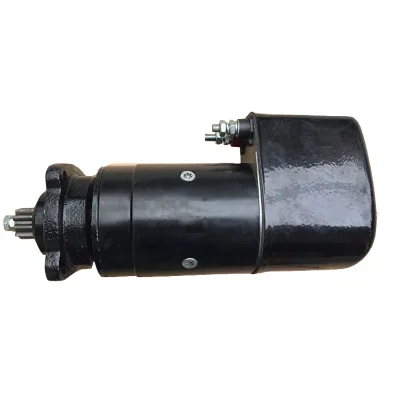


High-Performance Electric Start Motor for Efficient Machinery Operations
$6.00 - $8.00
MOQ: 100 Pieces


Turbine Air Motor, Air Starting Motor, Starter in Diesel Engine Air Starter
$1000.00 - $1500.00
MOQ: 1 Pieces


Premium Durable Starter for High-Efficiency Performance and Reliability
$26.00 - $99.00
MOQ: 10 Pieces


Comprehensive Sourcing Guide
Alloy Steel Starter Motor Sourcing Guide
Procuring alloy steel starter motors requires distinguishing between generic steel components and specialized assemblies designed for high-torque applications. The observed market data indicates a diverse range of models, including specific units like the HOWO371 and VG1560090001, which utilize steel or stainless steel materials to ensure durability under heavy load. Buyers must verify that the material composition matches the specific mechanical stress requirements of their intended vehicle or industrial machinery, as generic steel listings may not offer the necessary corrosion resistance or tensile strength for demanding environments.
Commercial listings often present conflicting attributes regarding customization and standardization, necessitating a careful review of the product description before placing an order. While some suppliers offer fully customizable options to meet unique engineering needs, others provide standard configurations with fixed specifications such as 24V voltage or specific tooth counts. It is critical to confirm whether the alloy steel component is a standalone part or part of a complete starter assembly, as this distinction significantly impacts compatibility with existing electrical systems and mounting hardware.
Product Scope and Observed Listing Signals
The current market inventory reveals a wide spectrum of starter motor types, ranging from electromagnetic-operated units to deceleration driving types with specific rotation directions like clockwise. Listings frequently cite varying weights, from standard unspecified masses to precise measurements like 5lbs, and different packing methods such as ocean freight, cartons, or pocket cartons. Buyers should scrutinize these signals to ensure the physical dimensions and shipping requirements align with their logistical capabilities and storage constraints before finalizing a purchase agreement.
Voltage and power specifications are critical differentiators in this category, with observed data showing 24V systems and 5kW power ratings alongside other configurations. The presence of models labeled as "Mitsubishi Starter Motor" or "L6 Soft Starter" suggests a broad compatibility range, yet the exact electrical characteristics must be matched to the vehicle's battery and alternator output. Misalignment in voltage or power output can lead to system failure, so verifying the specific electrical profile against the supplier's technical sheet is essential for operational reliability.
Technical Specifications to Verify
Technical verification must begin with the control system architecture, as observed listings specify electromagnetic operation which dictates the engagement mechanism and response time. Buyers need to confirm the DC form, such as the common starter motor configuration, and ensure the rotation direction matches the engine's requirements to prevent mechanical damage during installation. Additionally, the number of teeth on the gear, observed as 10 in some listings, must be precisely calculated to mesh correctly with the engine's flywheel ring gear for efficient power transfer.
Material composition and structural integrity are paramount, with data indicating the use of steel, metal, and stainless steel across different product lines. The distinction between a standard weight and a specific 5lbs weight suggests variations in internal component density and housing strength that affect performance longevity. Furthermore, the mathematical model and structure, such as closed-loop systems, influence how the motor manages current and torque; verifying these internal engineering details ensures the unit can withstand the thermal and mechanical cycles of continuous operation.
Compliance and Safety Documentation
Safety and compliance documentation often includes certifications like ISO/Ts16949, CCC, and CE, which indicate adherence to international quality and safety management systems. Buyers must request valid certificates for the specific batch of alloy steel motors to confirm that the manufacturing process meets rigorous industry standards for electrical safety and material integrity. The presence of multiple certifications suggests a robust quality framework, but the validity and scope of these documents must be checked to ensure they cover the specific product model being procured.
Condition and testing reports are equally vital, with listings frequently claiming 100% new condition and 100% tested quality. However, these claims require independent verification through pre-shipment inspection or third-party testing results to confirm that the motors have undergone functional stress tests. Documentation should explicitly detail the testing parameters, such as voltage stability and torque output, to ensure the product meets the operational demands of the application without risking premature failure or safety hazards during use.
Cost Drivers and Commercial Terms
Cost structures in this market are influenced by material grades, customization levels, and the complexity of the control system. Alloy steel components generally command higher prices than standard steel due to enhanced durability, while fully customized units with specific packing or structural modifications incur additional engineering and production costs. Buyers should analyze the total cost of ownership, including the supply ability of 10,000 pieces per month, to understand how volume discounts and production capacity affect the unit price and overall budget allocation.
Commercial terms such as warranty periods, payment conditions, and shipping logistics play a significant role in the final procurement cost. Observed data indicates a standard 6-month warranty and various dispatch ports like Guangzhou, which impact lead times and freight expenses. The selling unit configuration, whether single items or bulk pallets, also affects pricing tiers. Negotiating clear terms regarding the port of dispatch and return policies for non-compliant goods is essential to mitigate financial risks associated with international trade.
Supplier Qualification and Quality Control
Supplier qualification relies heavily on their ability to provide consistent quality assurance and adherence to the stated product standards. The observed standard of "By The Customer Needs" suggests a flexible manufacturing approach, but buyers must ensure the supplier has the capacity to maintain strict quality control protocols for every custom order. Verifying the supplier's track record with similar alloy steel components and their ability to meet specific technical requirements is crucial for establishing a reliable long-term partnership.
Quality control processes should include rigorous inspection of the product condition, ensuring items are 100% new and free from defects before shipment. The presence of certifications like ISO/Ts16949 indicates a structured quality management system, but on-site audits or detailed quality reports are necessary to confirm that these standards are actively applied to the production line. Buyers should also verify the testing procedures for the electromagnetic operation and voltage stability to ensure every unit meets the specified performance criteria before leaving the factory.
Long-Term Procurement Checks
Long-term procurement success depends on establishing a robust framework for ongoing performance monitoring and supplier relationship management. Buyers should implement regular audits of the supplier's production capacity and quality control measures to ensure consistency over time, especially given the high-volume supply ability of 10,000 pieces per month. Maintaining open communication channels and setting clear expectations for future orders helps prevent discrepancies in material quality or delivery schedules that could disrupt operations.
Continuous evaluation of the product's performance in the field is essential to validate the initial technical specifications and material claims. Tracking metrics such as warranty claims, failure rates, and maintenance intervals provides valuable data for assessing the true value of the alloy steel starter motors. If issues arise, the supplier's responsiveness and willingness to address quality concerns will determine the viability of the partnership, making it imperative to select a supplier committed to continuous improvement and customer satisfaction.
FAQs
What materials are used for the starter motor?
The starter motor is constructed from steel and metal materials to ensure durability. Some variants utilize stainless steel for enhanced corrosion resistance. These materials support the electromagnetic operation and deceleration driving type required for reliable performance in heavy-duty applications.
Can the product be customized to specific needs?
Yes, customization is available for this starter motor to meet specific customer requirements. The product standard is defined by the customer needs rather than a fixed universal standard. Buyers can request tailored specifications while maintaining the core 24-volt and 5-kilowatt operational parameters.
Which certifications does the manufacturer hold?
The manufacturer holds ISO/Ts16949 certification to ensure quality management standards are met. Additional certifications include CCC and ISO: CE for compliance with safety regulations. These credentials verify that the 100% tested products meet rigorous industry requirements for reliability and safety.
How is the product packed for ocean freight?
The product is packed using ocean freight methods, often in cartons with pallets for stability. Some units are shipped in pocket cartons to protect the starter assembly during transit. This packaging ensures the 24-volt motor arrives safely without damage to the electromagnetic components.
What is the warranty period for the starter motor?
The warranty period for this starter motor is six months from the date of purchase. This coverage applies to the 100% new condition units that have undergone full testing. Buyers receive assurance of quality for the 5-kilowatt motor used in various industrial applications.
Which voltage and power specifications are available?
The starter motor operates at 24 volts with a power output of 5 kilowatts. It features clockwise rotation and an electromagnetic control system for efficient starting. These specifications are consistent across the HOWO371 and VG1560090001 models listed in the product catalog.
Can I find suppliers with a specific supply capacity?
Suppliers offer a supply ability of 10,000 pieces per month for this starter motor. This capacity supports large orders while maintaining the 100% tested quality standard. Buyers can source from Guangzhou, where the port of dispatch is located for efficient logistics.