Source Circuit Board Fuse Clip for Electronics, Auto, and Industrial Use
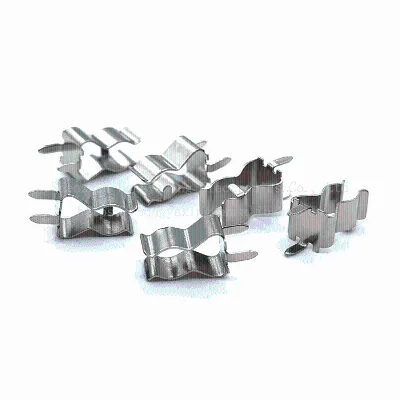
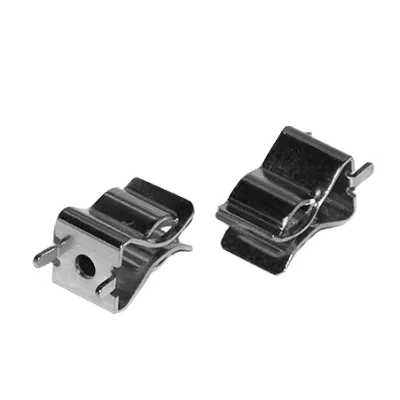
Find and compare 24 Circuit Board Fuse Clip options for electronics, automotive, and industrial applications. These components support signal transmission and electrical conduction in compact designs.
Key considerations
Products List




Comprehensive Sourcing Guide
Circuit Board Fuse Clip Sourcing Guide
Selecting the right Circuit Board Fuse Clip is a critical step in ensuring the reliability and safety of electronic assemblies. These components serve as the essential interface between the fuse element and the printed circuit board (PCB), facilitating the transmission of electrical signals and conducting electricity within the system. For procurement specialists, understanding the nuances of fuse holder types, material compositions, and installation methods is vital to preventing circuit failures and ensuring compliance with industry standards. This guide provides a structured approach to sourcing these components, focusing on technical verification, commercial terms, and supplier qualification to mitigate risk and optimize supply chain performance.
The market for fuse clips and holders is diverse, ranging from simple blade fuse sockets to complex insert-type clips designed for specific tube fuse dimensions. Buyers must navigate a landscape where customization is readily available, allowing for tailored solutions that fit specific PCB layouts and environmental requirements. By focusing on verified specifications such as breaking capacity, contact terminal materials, and fitting compatibility, procurement teams can make informed decisions that align with their product’s operational demands. This guide aims to equip buyers with the knowledge to evaluate suppliers effectively and secure high-quality components that meet rigorous engineering standards.
Product Scope and Observed Listing Signals
The observed product range includes a variety of fuse holders and clips designed for different fuse types, including micro, mini, and standard blade fuses, as well as tube fuses with dimensions such as 3.6x10mm, 5x20mm, 6x30mm, and 10x38mm. Listings indicate that these components are often categorized by their installation method, with many being circuit board fuse holders that require specific mounting techniques. The presence of models like TR-FC-3, TR-FC-9, and TR-PCBTFH034 suggests a broad spectrum of offerings, from basic socket terminals to more specialized clips. Buyers should note that while some products are described as having low breaking capacity, others may be designed for higher current applications, necessitating careful review of individual product datasheets.
Customization is a prominent feature in this category, with suppliers offering tailored solutions for packing, material, and design. Products are frequently packed in PE bags or OPP bags, with options for customized packaging to meet specific logistical needs. The materials used range from plastic fuse holders to bakelite and copper contacts, each offering distinct advantages in terms of durability, insulation, and conductivity. For instance, copper contacts are often highlighted for their excellent electrical conductivity, while plastic and bakelite materials provide necessary insulation and structural integrity. Buyers should verify the specific material composition and finishing, such as tin plating, to ensure compatibility with their assembly processes and environmental requirements.
Technical Specifications to Verify
When evaluating circuit board fuse clips, the fitting compatibility is a primary technical consideration. Buyers must ensure that the fuse holder is designed to accommodate the specific fuse dimensions used in their assembly, such as 5x20mm or 6.35x30mm glass tube fuses. The shape of the fuse clip, whether round or square, and the form of installation, such as lead wire type or insurance piece holder, must align with the PCB design and mechanical constraints. Additionally, the contact terminal material, often alloy or copper, plays a crucial role in ensuring reliable electrical connection and minimizing resistance. Verification of these specifications is essential to prevent fitment issues and ensure optimal performance in the final product.
The production process and material standards also significantly impact the quality and longevity of the fuse clip. Welding is a common production process for terminal connections, which must be inspected for strength and consistency. The use of bakelite or plastic materials for the holder body provides insulation and protection, but the specific grade and environmental protection features should be confirmed. Some products are noted for their environmental protection characteristics, which may be important for compliance with regulations such as RoHS. Buyers should request detailed material certificates and process descriptions to verify that the components meet their technical and regulatory requirements.
Compliance and Safety Documentation
Safety standards are a critical aspect of sourcing fuse clips, with IEC standards being a common reference point for electrical safety and performance. Buyers should verify that the products comply with relevant international standards, such as the European Standard, to ensure they meet the safety requirements of their target markets. The execution standard and safety standards listed by suppliers provide a baseline for compliance, but buyers must confirm that these standards are current and applicable to their specific application. Documentation such as test reports and compliance certificates should be requested to validate the supplier’s claims and ensure that the components have been rigorously tested.
In addition to safety standards, environmental regulations play an increasingly important role in component sourcing. Products that are labeled as environmentally protective or made from materials that comply with restrictions on hazardous substances are preferable for many applications. Buyers should inquire about the environmental protection features of the fuse clips, including the materials used and the manufacturing processes. Ensuring that the components meet environmental standards not only helps in complying with regulations but also enhances the brand’s reputation for sustainability. Verification of these aspects is essential for maintaining compliance and avoiding potential legal and reputational risks.
Cost Drivers and Commercial Terms
The cost of circuit board fuse clips is influenced by several factors, including the material composition, production process, and customization requirements. Products made from high-quality materials such as copper and bakelite, or those requiring specialized welding processes, may command higher prices. Customization options, such as tailored packaging or specific design modifications, can also impact the cost. Buyers should be aware that while some listings may show low minimum order quantities (MOQs) starting from 1 piece, larger orders may offer better pricing. Understanding these cost drivers is essential for budgeting and negotiating favorable terms with suppliers.
Commercial terms, including MOQs and packing specifications, are also key considerations in the procurement process. Suppliers may offer flexible MOQs, accepting sample orders of just 1 piece, which is beneficial for prototyping and small-batch production. Packing options, such as PE bags or OPP bags, with quantities ranging from 500 to 1000 pieces per bag, should be aligned with the buyer’s inventory management and assembly needs. Buyers should clarify these terms early in the sourcing process to avoid surprises and ensure that the supplier can meet their volume and logistical requirements. Negotiating clear commercial terms helps in establishing a stable and predictable supply chain.
Supplier Qualification and Quality Control
Supplier qualification is a critical step in ensuring the reliability of the supply chain for circuit board fuse clips. Buyers should verify the supplier’s origin, with many products originating from regions like Dongguan, China, known for their manufacturing capabilities. It is important to assess the supplier’s production capabilities, including their ability to handle customization and maintain consistent quality. Requesting samples and conducting thorough inspections can help verify the quality of the components before committing to larger orders. Buyers should also inquire about the supplier’s quality control processes and their ability to provide traceability for the materials and production steps.
Quality control measures should be established to ensure that the fuse clips meet the specified technical and safety standards. This includes verifying the material composition, such as the use of tin-plated contacts, and checking the physical dimensions and fitment. Buyers should implement incoming quality control checks to detect any defects or deviations from the specifications. Establishing a robust quality control process helps in maintaining the integrity of the final product and reducing the risk of field failures. Collaboration with suppliers to improve quality and address any issues promptly is essential for long-term success.
Long-Term Procurement Checks
Long-term procurement success depends on continuous monitoring and evaluation of supplier performance and product quality. Buyers should establish key performance indicators (KPIs) to track metrics such as delivery times, defect rates, and responsiveness to issues. Regular audits and reviews of the supplier’s quality management system can help identify areas for improvement and ensure ongoing compliance with standards. Building a strong relationship with the supplier based on transparency and mutual benefit can lead to better collaboration and innovation. Buyers should also stay informed about changes in regulations and market trends that may impact the sourcing of fuse clips.
As technology and regulations evolve, buyers must be prepared to adapt their sourcing strategies accordingly. This may involve exploring new suppliers, materials, or technologies that offer improved performance or compliance. Regularly reviewing the product portfolio and identifying opportunities for optimization can help in maintaining a competitive edge. Buyers should also consider the total cost of ownership, including factors such as maintenance, replacement, and potential downtime, when evaluating the long-term value of their sourcing decisions. By taking a proactive and strategic approach to procurement, buyers can ensure the reliability and sustainability of their supply chain for circuit board fuse clips.
FAQs
What fuse sizes fit these circuit board fuse clips?
These clips accommodate 5X20, 6X30, 3.6X10, and 10X38 tube fuses, as well as Micro, Mini, and Standard Blade fuses. The product line includes specific models for different fuse dimensions, ensuring compatibility with various automotive and electronic applications. Verify the exact model number against your fuse type to ensure a secure mechanical fit and reliable electrical connection.
Can I customize the packaging for bulk orders?
Yes, customization is available for packaging requirements. Standard options include 1000 pieces per PE bag or 500 pieces per PE bag, but you can request customized packing solutions. This flexibility supports diverse logistics needs and inventory management strategies for B2B buyers sourcing these components in large quantities for manufacturing or distribution.
What material is used for the fuse holder contacts?
The contact terminals are made from alloy materials to ensure durability and conductivity. Some variants utilize copper for superior electrical performance, while the housing is typically constructed from plastic or bakelite for insulation. These material choices provide a balance of mechanical strength, environmental protection, and efficient current transmission for electronic systems.
Which safety standards do these fuse holders meet?
The products adhere to IEC safety standards and European Standard execution norms. This compliance ensures that the fuse holders meet recognized international requirements for electrical safety and performance. Buyers can rely on these standards for quality assurance when integrating these components into automotive, computer, or industrial machine tool systems.
What is the minimum order quantity for samples?
The supplier accepts a minimum order quantity of just one piece for samples. This low MOQ allows buyers to test product quality and fit before committing to larger purchases. It facilitates easy evaluation of the circuit board fuse clips for specific applications without significant initial investment or inventory risk.
Where are these fuse clips manufactured?
These components are produced in China, with specific origins noted in Dongguan. The manufacturing process involves welding and utilizes tin-plated standards for corrosion resistance. This location indicates a established supply chain for electronic components, supporting reliable production volumes and consistent quality control for global B2B sourcing needs.