Source Aluminium Alloy Square Snow Shovel for Winter, Garden, Farm
Find 30 listings for the Aluminium Alloy Square Snow Shovel, featuring carbon steel and steel heads with wooden or straight handles. Compare specifications like blade width and weight to select the right tool for snow removal, gardening, and farming tasks.
Key considerations
Products List

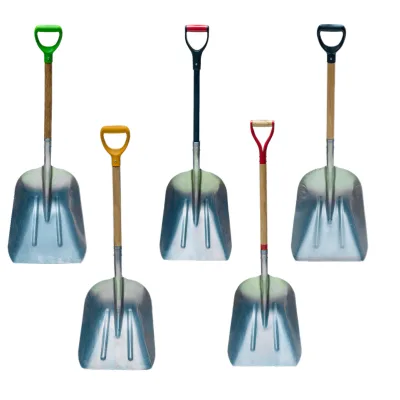
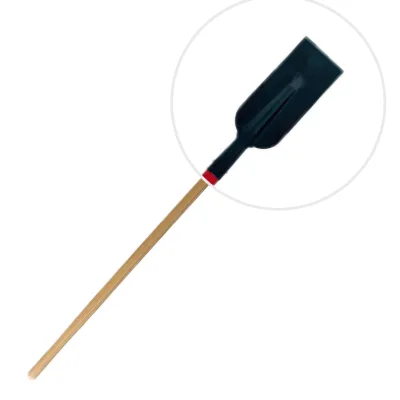


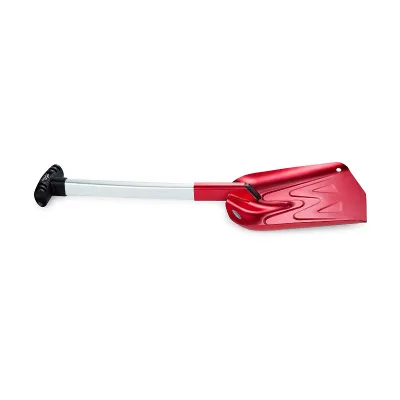


Garden Tools Square Spade Aluminum Snow Shovel with Short Wooden Handle
$9.80 - $11.00
MOQ: 500 Pieces
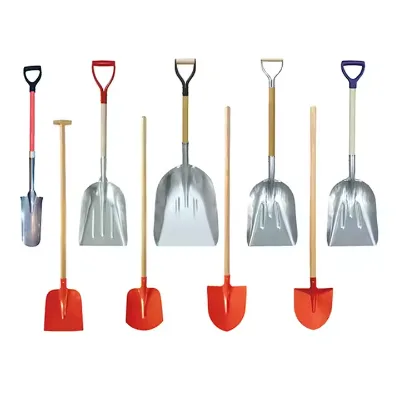
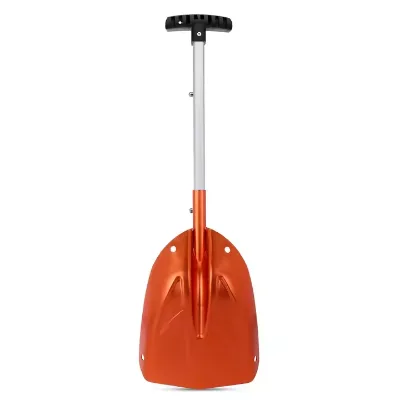
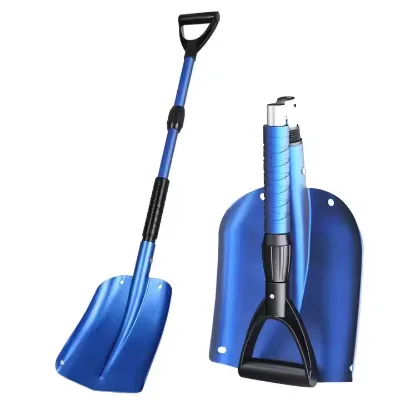
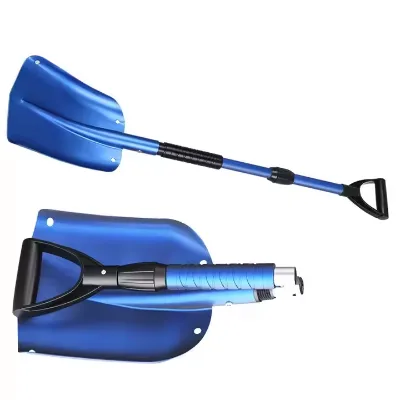
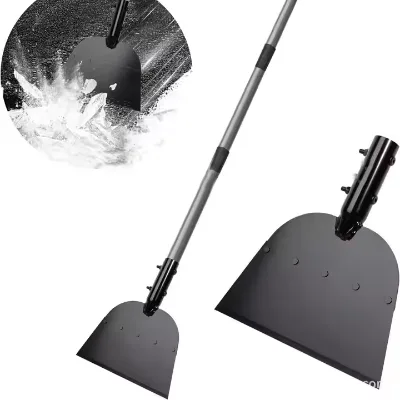


High Quality Aluminium Collapsible Folding Snow Shovel with Plastic Handle
$6.70 - $7.05
MOQ: 1000 Pieces


Aluminum Snow Shovel with Ergonomic Handle for Comfortable Snow Clearing
$3.15 - $3.80
MOQ: 1200 Pieces

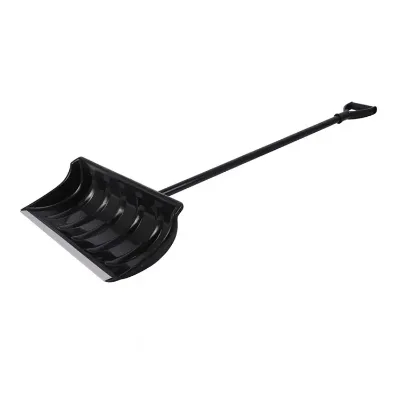
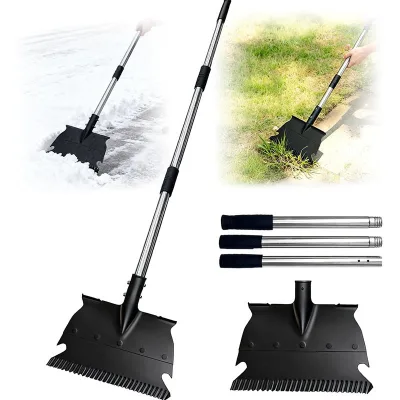
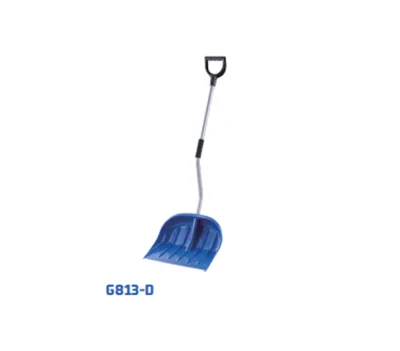
Comprehensive Sourcing Guide
Aluminium Alloy Square Snow Shovel Sourcing Guide
Procuring aluminium alloy square snow shovels requires a nuanced understanding of material trade-offs, as observed market listings frequently present conflicting material claims. While the core keyword specifies aluminium alloy, the available product data reveals a significant prevalence of carbon steel, railway steel, and plastic-headed variants. Buyers must rigorously verify the actual head material before finalizing orders, as the visual appearance of "silvery white" or "black" finishes can be misleading. The presence of wooden handles and specific blade dimensions, such as 364mm width and 432mm length, indicates that square designs are often hybrid constructions rather than monolithic aluminium units.
The sourcing landscape is dominated by suppliers from Hebei and Tianjin, with delivery ports including Xingang, Ningbo, and Shanghai. This geographic concentration suggests a mature supply chain for heavy-duty snow removal tools, yet it also necessitates careful due diligence regarding quality consistency. The observed price range of 0.6 to 11 USD highlights extreme variance, likely driven by differences in steel grade, handle construction, and packaging methods. Understanding these structural and logistical realities is essential for aligning procurement expectations with the actual capabilities of the supplier base, ensuring that the purchased tool meets the specific mechanical demands of snow removal applications.
Product Scope and Observed Listing Signals
The observed product listings indicate a broad scope that extends beyond pure aluminium alloy constructions, encompassing multifunctional tools designed for snow, garden, and farming applications. Many items are described as square shovels with specific attachments or lack thereof, featuring D-grip or straight bag handles for ergonomic control. The customization options are extensive, with suppliers offering OEM support, customized colors, and varied blade specifications, suggesting that buyers can tailor tools to specific brand identities or functional requirements. This flexibility allows for the creation of specialized product lines, but it also complicates the verification process, as standard specifications may vary significantly between different supplier batches.
Weight and packaging data provide critical insights into the build quality and logistics efficiency of these tools. Observed weights range from 1.0kg to 1.9kg per piece, with packaging configurations such as 12 pieces per PVC bag or carton. These metrics help buyers estimate shipping costs and assess the durability of the handle-head connection, as heavier units often imply thicker metal or more robust steel alloys. The presence of "unfolded" specifications and medium size designations further clarifies the intended use case, pointing towards tools designed for substantial snow loads rather than light dusting. Buyers should use these signals to filter suppliers who offer the specific combination of weight, size, and handle type required for their target market.
Technical Specifications to Verify
Verifying the exact material composition is the most critical technical step, as listings often conflate aluminium with steel or plastic components. Buyers must confirm whether the blade is made from industrial-grade steel, railway steel, or actual aluminium alloy, as this determines the tool's strength, weight, and resistance to corrosion. The blade width and length, observed at 364mm and 432mm respectively, should be cross-referenced with the supplier's technical datasheets to ensure consistency. Additionally, the handle material, frequently cited as wood or steel, must be inspected for grain quality and attachment security, as these are common points of failure under heavy lateral loads during snow removal.
The structural integrity of the handle attachment and the overall geometry of the shovel head require close examination. Specifications such as "without attachment" or specific model numbers like 1670900 and 81104 indicate distinct product lines that may have different load-bearing capacities. Buyers should request detailed drawings or physical samples to verify the blade thickness and the reinforcement at the handle socket. The "extendable" feature noted in some listings suggests a different category of tool, so it is vital to distinguish between fixed-length square shovels and telescopic variants. Ensuring that the technical specifications match the physical product prevents costly mismatches between procurement orders and end-user expectations.
Compliance and Safety Documentation
While specific certification standards like ISO 9001:2008 are mentioned in background data, buyers should not assume automatic compliance without verifying current certificates. The primary safety concern with snow shovels is the structural integrity of the handle and blade connection, which must withstand repeated impact and torsional stress. Buyers should request test reports or quality assurance documents that demonstrate the tool's ability to handle specified loads without bending or breaking. The one-year warranty offered by some suppliers provides a baseline expectation of durability, but it does not replace the need for independent verification of material strength and manufacturing consistency.
Documentation regarding the origin of materials and the manufacturing process is also essential for risk management. Suppliers from Hebei, China, may have varying levels of quality control, so buyers should inquire about the specific factory standards and inspection protocols in place. The "industrial grade" designation suggests a higher threshold for durability, but this claim must be substantiated by evidence. Buyers should also verify that the packaging materials, such as PVC bags, meet any relevant environmental or safety regulations in their target market. Clear documentation ensures that the procurement process is transparent and that the final product meets all necessary safety and quality benchmarks.
Cost Drivers and Commercial Terms
The wide price range observed, from 0.6 to 11 USD, is driven by material costs, manufacturing complexity, and order volume. Steel and railway steel blades are generally more expensive than plastic alternatives, while wooden handles add to the cost compared to standard plastic or metal grips. The MOQ of 200 pieces for some items indicates that smaller orders may incur higher per-unit costs due to setup and production inefficiencies. Buyers should negotiate based on the total volume and the specific customization requirements, as OEM branding and custom colors can impact the final price. Understanding these cost drivers allows for more accurate budgeting and prevents unexpected expenses during the procurement process.
Commercial terms such as delivery ports and lead times significantly affect the total landed cost. Suppliers offering delivery from Xingang, Ningbo, or Shanghai provide flexibility in logistics planning, but buyers must account for shipping durations and freight costs. The "delivery time" listed as a generic term suggests that lead times may vary, so it is crucial to establish clear timelines in the purchase agreement. Packaging efficiency, such as 12 pieces per carton, also influences shipping costs, so optimizing package dimensions can reduce freight expenses. Buyers should clarify all commercial terms upfront to avoid disputes and ensure that the procurement process runs smoothly from order placement to final delivery.
Supplier Qualification and Quality Control
Qualifying suppliers requires a thorough assessment of their manufacturing capabilities and quality control systems. Buyers should verify the supplier's experience in producing snow shovels and their ability to maintain consistent quality across large batches. The presence of OEM support indicates that the supplier has the flexibility to meet specific brand requirements, but this must be backed by a robust quality assurance process. Requesting references or case studies from previous clients can provide insight into the supplier's reliability and performance. Additionally, buyers should inquire about the supplier's internal testing procedures and how they handle defects or non-conforming products.
On-site audits or third-party inspections are recommended for high-volume orders to ensure that the production process meets the agreed-upon standards. Buyers should focus on key quality indicators such as blade thickness, handle attachment strength, and finish quality. The "Steel Elephant" and "Super Clean" brands observed in the data suggest that some suppliers have established reputations, but buyers should not rely solely on brand names. Instead, they should conduct independent verification of the product's physical attributes and performance. Establishing a clear quality control protocol with the supplier helps mitigate risks and ensures that the final product meets the buyer's expectations.
Long-Term Procurement Checks
Establishing long-term procurement relationships requires continuous monitoring of product quality and supplier performance. Buyers should implement a system for tracking defect rates and customer feedback to identify any emerging issues early. Regular communication with the supplier is essential to address any changes in materials, manufacturing processes, or regulatory requirements. The one-year warranty provides a safety net, but buyers should also consider the supplier's responsiveness to claims and their willingness to resolve issues promptly. Building a strong relationship with a reliable supplier can lead to better pricing, priority production, and improved service over time.
Adapting to market changes and evolving customer needs is crucial for long-term success. Buyers should stay informed about trends in snow removal tools, such as new materials or ergonomic designs, and adjust their procurement strategies accordingly. The ability to customize products, as indicated by the available OEM support, allows buyers to differentiate their offerings in a competitive market. However, this flexibility must be managed carefully to ensure that quality is not compromised. By maintaining a proactive approach to supplier management and product development, buyers can secure a steady supply of high-quality snow shovels that meet the demands of their customers.
FAQs
What materials are used for the shovel head and handle?
The shovel head is made of carbon steel or railway steel, while the handle is constructed from wood. Some models feature a steel and wood combination. These materials ensure durability for snow and garden applications.
Can I request a customized color for this shovel?
Yes, customized color options are available for this product. Buyers can specify their preferred color to match branding or aesthetic needs. This customization support allows for tailored solutions without compromising the structural integrity of the tool.
What is the minimum order quantity for this shovel?
The minimum order quantity is 200 pieces for this specific model. However, observed listings show a broader range from one to five thousand units. Buyers should confirm the exact MOQ with the supplier before placing an order.
How long is the warranty period for this shovel?
The product comes with a one-year warranty period. This coverage applies to manufacturing defects and ensures reliability for the buyer. It provides peace of mind for commercial purchases of snow and garden shovels from this supplier.
Where is the delivery port for this shovel located?
The delivery port is located at Xingang, Tianjin, or alternatively Ningbo and Shanghai. These ports facilitate efficient shipping for international buyers. The specific port may vary based on the supplier's logistics arrangement and order volume.
What is the blade width specification for this shovel?
The blade width specification is 364mm for the standard model. This dimension is suitable for efficient snow removal and gardening tasks. The blade length is typically around 432mm, providing a balanced design for heavy-duty use.
Is the shovel sold as a single item or in bulk?
The shovel is sold as a single item but packaged in bulk quantities. Each carton typically contains twelve pieces packed in a PVC bag. This packaging method protects the product during transit and simplifies inventory management for bulk buyers.