Source Grass Cutting Nylon Trimmer Line for Lawn Care, Landscaping, and Farming
Compare 30 listings for Grass Cutting Nylon Trimmer Line to find suitable options for various string trimmers. Evaluate specifications such as diameter, shape, and material to match your equipment needs. Review pricing and MOQ details to streamline your procurement process effectively.
Key considerations
Products List


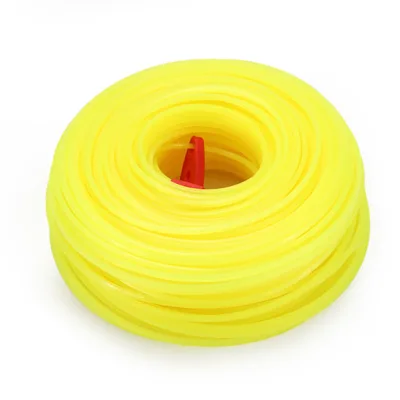


Um Brush Cutter Grass Nylon Garden Trimmer Supplies Round Trimmer Line Spool
$2.20 - $5.00
MOQ: 100 Pieces


Comprehensive Sourcing Guide
Grass Cutting Nylon Trimmer Line Sourcing Guide
Buyers must first distinguish between the two primary product categories observed in the market: the replacement trimmer line itself and the complete trimmer head assembly. The supply data indicates a clear split where some listings specify the product type as "Trimmer Line" while others identify it as a "Trimmer Head," requiring precise specification in purchase orders to avoid receiving the wrong component. Understanding this distinction is critical because the line is a consumable material sold in spools or hanks, whereas the head is a mechanical assembly often sold as a single item or in cartons.
Procurement teams should also verify the intended power source compatibility before finalizing any order, as the observed listings explicitly mention both "Gasoline" and "Electricity" as power sources for the associated equipment. This distinction dictates the mechanical stress the line or head must withstand, influencing the required material strength and cross-section shape. A line designed for a high-torque gasoline engine may fail prematurely if used on a lightweight electric unit, or conversely, a line optimized for electric motors may not provide the necessary durability for heavy-duty gas-powered applications.
Product Scope and Observed Listing Signals
The observed product range reveals significant variation in physical dimensions, with diameter specifications spanning from 1.0mm up to 5.0mm across different listings. Buyers should expect to find standard sizes such as 1.6mm, 2.0mm, 2.4mm, and 3.0mm, but must also be prepared to source specialized thicker lines like 4.0mm or 5.0mm for heavy vegetation. The cross-section shapes are equally diverse, including round, square, star, hexagon, and saw-tooth profiles, each offering distinct cutting efficiencies and wear characteristics that must match the specific grass type and terrain.
Packaging and presentation methods vary widely, ranging from blister packs and paper cards to bulk spools, hanks, and iron spools. Some suppliers offer pre-cut options or custom packaging like cartons, while others provide the product in simple hanks or blister packs suitable for retail display. The "Selling Units" field indicates that single-item sales are common, yet bulk purchasing options exist with minimum order quantities starting as low as 5 units or as high as 2000, depending on the supplier's capacity and the specific product model selected.
Technical Specifications to Verify
Material composition is a primary verification point, as the supply data confirms the use of 100% nylon as the standard material for the line itself. However, the trimmer heads or associated metal components are frequently constructed from carbon steel, which requires inspection for rust resistance and structural integrity. Buyers must ensure that the material grade matches the intended usage intensity, as the "Economical," "Commercial," and "Professional" degrees listed suggest different performance tiers that correlate directly with the material quality and manufacturing precision.
Dimensional consistency is another critical technical factor, with observed standards listing specific diameters like 1.6mm, 2.0mm, and 2.7mm, alongside broader ranges from 1.0mm to 5.0mm. The shape style is equally important, with options including round, square, star, and trigon profiles that affect how the line feeds and cuts. Procurement teams must verify that the selected model number, such as THtl01 or THTH-005, aligns with the specific diameter and shape requirements of their existing machinery to ensure proper fit and function.
Compliance and Safety Documentation
Certification status is a key indicator of supplier reliability, with observed listings frequently citing CCC, ISO, and CE marks. These certifications suggest that the products have undergone specific safety and quality assessments, though buyers must verify the validity of these documents for each specific batch or model. The presence of multiple certifications like CCC and ISO indicates a higher level of regulatory compliance, which is particularly important for products intended for export to markets with strict safety standards.
Safety documentation should also address the specific usage conditions and potential hazards associated with high-speed rotating trimmer lines. While the data does not explicitly list test results, the mention of "Professional" and "Commercial" degrees implies that the products are designed to meet certain operational safety thresholds. Buyers should request detailed safety data sheets or usage manuals that explain the proper handling of the line, especially given the variety of shapes and materials that can affect the cutting dynamics and potential for debris projection.
Cost Drivers and Commercial Terms
Pricing in this category is highly variable, with observed listings showing a wide range from $0.10 to $39.00 USD, reflecting differences in material quality, packaging, and order volume. The minimum order quantity (MOQ) is a significant cost driver, with observed ranges spanning from 5 units to 2000 units, and some suppliers setting specific weight-based MOQs like 200kg. Buyers must balance the unit price against the MOQ to determine the most economical purchasing strategy, as smaller orders often carry a higher per-unit cost due to packaging and handling fees.
Commercial terms also include the availability of samples, which are noted as either supported or free in the observed data. This flexibility allows buyers to test product quality before committing to large orders, reducing the risk of purchasing unsuitable materials. Additionally, the customization options available for color and packaging can influence the final cost, as bespoke requirements often incur additional setup fees or longer lead times compared to standard stock items.
Supplier Qualification and Quality Control
Geographic concentration of suppliers is evident, with the majority of observed origins located in Jiangsu, China, specifically in Nantong and general Jiangsu regions. This clustering suggests a mature supply chain ecosystem with established logistics and manufacturing capabilities, but it also means buyers should conduct thorough due diligence to distinguish between high-quality manufacturers and lower-tier assemblers. Verifying the specific factory location and production capacity is essential to ensure consistent supply and quality control.
Quality control processes should be validated through the supplier's ability to provide consistent product models and standards. The data shows specific model numbers like NTL013 and NTLD13, indicating that suppliers maintain defined product lines rather than generic unbranded goods. Buyers should request evidence of internal quality checks, such as tensile strength tests for the nylon line or durability tests for the trimmer heads, to ensure that the "Professional" or "Commercial" claims are backed by actual performance data.
Long-Term Procurement Checks
Sustainability and supply chain resilience are critical for long-term procurement success, especially given the reliance on specific raw materials like 100% nylon and carbon steel. Buyers should assess the supplier's ability to maintain consistent material quality over time, as fluctuations in raw material prices or availability can impact the final product specifications. Establishing a long-term relationship with a supplier who can guarantee consistent stock of specific diameters and shapes is vital for maintaining operational continuity.
Future-proofing the procurement strategy involves monitoring the evolution of product standards and certifications. As regulations tighten and consumer expectations for safety and performance rise, suppliers must adapt their offerings accordingly. Buyers should regularly review the supplier's certification status and product updates to ensure that the trimmer lines and heads remain compliant with the latest industry standards and continue to meet the specific needs of their equipment and end-users.
FAQs
What trimmer line diameters are available?
Standard diameters range from 1.0mm to 5.0mm, including common sizes like 1.6mm, 2.0mm, 2.4mm, 2.7mm, 3.0mm, 3.5mm, and 4.0mm. These specifications cater to various string trimmer models and usage intensities, ensuring compatibility with both residential and professional equipment for optimal cutting performance.
Which cross-section shapes can be selected?
Available cross-section shapes include round, square, star, hexagon, saw, trigon, ellipse, beads, and heptagon. These varied profiles enhance cutting efficiency and durability, allowing buyers to choose the shape that best suits their specific trimming tasks and equipment requirements for improved performance and longevity.
Can the product be customized for branding?
Yes, customization is available for color, packaging, and specifications. Buyers can select from colors like transparent, black, light green, gray, or red. Packaging options include blister cards, hanks, spools, and iron spools, ensuring the product meets specific branding and logistical needs for diverse market segments.
What certifications do the products hold?
Products hold CCC, ISO, and CE certifications, ensuring compliance with international quality and safety standards. These credentials verify the manufacturing processes and material quality, providing buyers with confidence in the reliability and regulatory adherence of the trimmer lines sourced from certified facilities in Jiangsu, China.
What are the typical MOQ requirements?
Minimum order quantities vary, with some items requiring 200kg or 1000 units, while others start at 5 pieces. These flexible MOQs accommodate both small-scale testing and large-volume procurement, allowing buyers to align orders with their inventory needs and budget constraints effectively without excessive initial investment.
Where are the products manufactured?
Products are manufactured in China, specifically in Jiangsu province, including Nantong. This location is a known hub for hardware and agricultural tool components, ensuring access to established supply chains and manufacturing expertise that support consistent quality and efficient production schedules for global export requirements.