Source Robotic Lawn Mower Boundary Cable for Fence, Yard, and Gate
Compare 30 Robotic Lawn Mower Boundary Cable options from Chinese manufacturers. Evaluate specifications like PE insulation, copper conductors, and CE/RoHS certifications to find the right solution for your automated landscaping needs; compare the available evidence and request quotations based on your requirements.
Key considerations
Products List
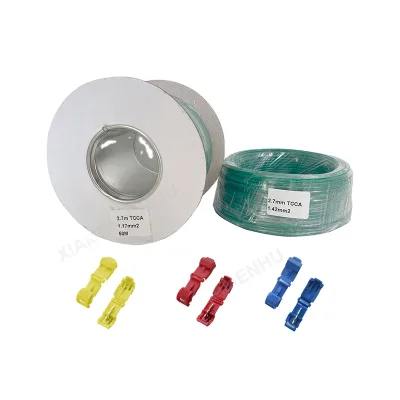
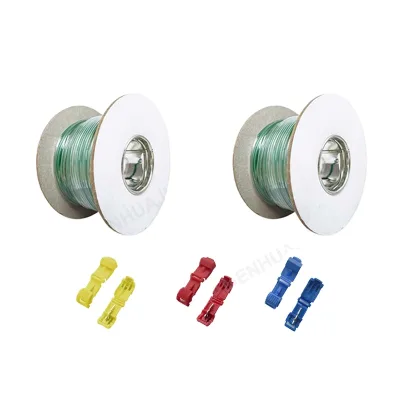


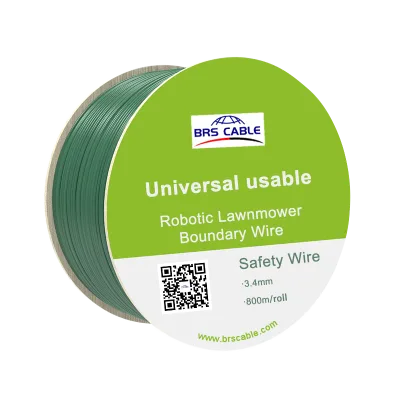


$20.00 - $40.00
MOQ: 100 Pieces


China Factory Sale Robot Remote Control Lawn Mower Robotic Lawnmower
$1999.00 - $2150.00
MOQ: 1 Pieces


Multiple Function Automatic Robotic Lawn Mower with Bluetooth APP and Boundary Wire
$750.00 - $850.00
MOQ: 10 Pieces
Comprehensive Sourcing Guide
Robotic Lawn Mower Boundary Cable Sourcing Guide
Procuring boundary wire for robotic lawn mowers requires distinguishing between standard insulated conductors and specialized perimeter detection cables. The market offers products with varying conductor materials, including TC, TCCA, and copper, which directly influence signal transmission and durability. Buyers must verify that the selected wire matches the specific communication protocol of their robotic unit, as mismatched impedance can lead to system failure or erratic mowing patterns.
The physical construction of the cable is equally critical, with insulation materials like PE or PVC determining resistance to UV exposure and soil moisture. While some listings indicate a single-core design, others support multi-core configurations with drain wires for enhanced grounding. Sourcing decisions should prioritize wires that explicitly state compatibility with robotic lawn mower boundary systems to ensure reliable perimeter detection and safe operation in diverse outdoor environments.
Product Scope and Observed Listing Signals
Current market listings reveal a wide variance in product specifications, with observed diameters ranging from 2.7mm to 4.2mm and lengths available in standard spools of 100m, 250m, or 500m. The color of the insulation is frequently green, though customized options are available to meet specific site requirements or aesthetic preferences. Buyers should carefully review the product model numbers, such as HZ or EC-BJ-27, as these often correlate with specific diameter and core configurations rather than serving as generic identifiers.
Listing signals also indicate significant diversity in packaging and origin, with products shipping from Fujian, Shanghai, Guangdong, and Ningbo. Some suppliers offer single-item sales units, while others provide bulk packaging on wooden pallets or in shipping boxes. The presence of OEM and ODM support suggests that manufacturers can adapt wire dimensions or insulation types, but buyers must confirm that these customizations do not compromise the electrical integrity required for boundary detection.
Technical Specifications to Verify
The conductor material is a primary technical variable, with listings citing TC, TCCA, copper, or combinations thereof. Verification is essential because the conductivity and tensile strength of these materials affect the wire's ability to carry the low-voltage signal over long distances without significant attenuation. Buyers should request detailed material certificates to confirm the exact alloy composition, ensuring the wire meets the electrical resistance standards necessary for consistent robotic navigation.
Insulation and jacket properties must also be rigorously checked, as the wire operates in direct contact with soil and grass. Specifications often list PE or PVC as the primary insulation material, with some products featuring a PH30 or UL1424 rated jacket for enhanced environmental protection. The stranded nature of the conductor is a common feature, providing flexibility for burial and resistance to breakage during installation, but the specific strand count and diameter should be confirmed against the robotic mower's manual.
Compliance and Safety Documentation
Certification status is a critical factor in procurement, with many suppliers listing CE, RoHS, and CCC marks on their product pages. These certifications indicate adherence to specific regional safety and environmental standards, which is particularly important for products intended for use in Europe or China. Buyers must ensure that the certification documents provided are current and correspond to the specific batch of goods being ordered, as compliance is not always uniform across all product lines from a single manufacturer.
Additional safety standards such as ISO and UL may also be present in the documentation, offering further assurance of product quality and safety. The rated voltage of 300/500V is a common specification, but it is vital to verify that this rating aligns with the operating voltage of the robotic lawn mower's boundary system. Relying on products with incomplete or unverified certification can lead to regulatory non-compliance and potential safety hazards in the field.
Cost Drivers and Commercial Terms
Pricing in this category exhibits a broad range, with observed values spanning from $0.05 to $2720, reflecting differences in material quality, length, and customization levels. The minimum order quantity (MOQ) varies significantly, from single items to 10,000 units, influencing the unit cost and the feasibility of small-scale procurement. Buyers should analyze the total cost of ownership, considering that lower-priced options may utilize inferior conductor materials that could fail prematurely, increasing long-term replacement costs.
Commercial terms such as delivery lead times and sample availability are also key cost drivers. Most suppliers indicate a lead time of within 15 days, which is generally favorable for project planning, but this can fluctuate based on order volume and raw material availability. The acceptance of sample orders allows buyers to validate product quality before committing to large volumes, though the cost of samples and shipping must be factored into the initial budget.
Supplier Qualification and Quality Control
Supplier location and production capacity are important indicators of reliability, with manufacturing hubs identified in Fujian, Shanghai, Guangdong, and Ningbo. These regions have established supply chains for cable production, but buyers should verify the specific factory capabilities to ensure they can meet volume requirements and maintain consistent quality. The presence of customization support suggests a flexible manufacturing process, but it is crucial to assess the supplier's track record in delivering custom specifications on time.
Quality control processes should be explicitly defined, with suppliers expected to provide evidence of their testing procedures for insulation resistance and conductor continuity. The use of standardized packaging, such as cartons or wooden pallets, helps protect the product during transit, but buyers should also inquire about the supplier's internal quality assurance protocols. Establishing a clear communication channel for quality issues is essential to resolve any discrepancies between the ordered specifications and the delivered goods.
Long-Term Procurement Checks
Sustaining a reliable supply chain requires regular audits of supplier performance and product consistency over time. Buyers should monitor changes in material composition or manufacturing locations, as these can subtly alter the electrical and physical properties of the boundary wire. Establishing a long-term partnership with a supplier who demonstrates stability in their production processes and adherence to agreed-upon standards will mitigate the risk of supply disruptions.
Continuous verification of compliance documentation is also necessary, as regulatory requirements and certification standards may evolve. Buyers should maintain a repository of all certification documents and test reports for each batch received, ensuring that the products remain compliant with current safety and environmental regulations. Regular performance reviews of the boundary wire in the field will provide practical data to validate the supplier's claims and inform future procurement decisions.
FAQs
What materials are used for the conductor in this wire?
The conductor material is typically copper, specifically TC, TCCA, or CCA variants. Some listings also specify copper as the base material. This ensures reliable conductivity for robotic lawn mower boundary systems while meeting standard industry requirements for durability and performance.
Which certifications does the product hold for safety compliance?
The product holds multiple certifications including CE, RoHS, CCC, and ISO. Some specific listings also mention UL certification. These certifications ensure the wire meets international safety and environmental standards required for use in automated lawn care equipment across various global markets.
Can I order samples before placing a bulk purchase order?
Yes, sample orders are acceptable for this product. Buyers can request samples to verify quality and specifications before committing to larger quantities. This allows for testing the wire performance in actual robotic mower setups to ensure it meets specific operational needs and installation requirements.
What is the typical delivery lead time for these boundary wires?
The delivery lead time is typically within 15 days for most orders. This timeframe applies to standard production and shipping cycles. Buyers should confirm specific timelines based on their order volume and destination, as lead times may vary slightly depending on current production schedules and logistics.
Which insulation material is used for the boundary wire?
The insulation material used is Polyethylene, commonly known as PE. This material provides excellent durability and weather resistance for outdoor applications. The PE insulation protects the conductor from moisture and physical damage, ensuring long-term reliability for robotic lawn mower boundary detection systems.
What customization options are available for this product?
OEM and ODM customization services are available for this product. Buyers can request specific colors, such as green or customized options, and tailored packaging. Customization extends to dimensions and specifications, allowing manufacturers to adapt the wire to unique robotic mower designs and operational requirements.
What are the available diameter sizes for the boundary wire?
Available diameters include 2.7mm, 2.8mm, 3.4mm, 3.8mm, and 4.2mm. These sizes cater to different robotic lawn mower models and boundary detection needs. The specific diameter selection depends on the required signal strength and the physical constraints of the installation environment.