Source FSC Folding Pruning Shears for Tree Branch, Garden, and Hedge Care
Compare 30 verified listings for FSC Folding Pruning Shears from Chinese manufacturers. Buyers can evaluate anvil and ratchet types with anti-slip grips, varying weights, and customization options for tree branch, garden, and hedge applications; compare the available evidence and request quotations based on your requirements.
Key considerations
Products List


Gardening Scissors Tool Garden Fruit Tree Flower Branch Grafting Pruning Shears
$1.40 - $1.70
MOQ: 1200 Pieces

FSC Certified Garden Shears for Tree Branch Pruning with Folding Feature
$5.25 - $6.70
MOQ: 500 Pieces


Garden Tools Steel Pruner Shears Cutting Scissors Orchard Pruning Shears
$1.00 - $6.00
MOQ: 1000 Pieces

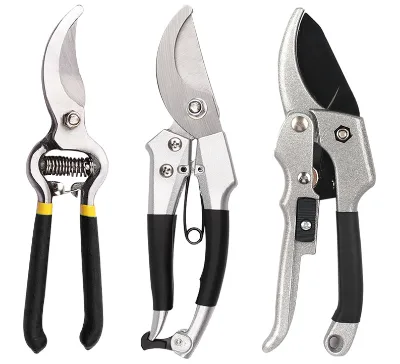
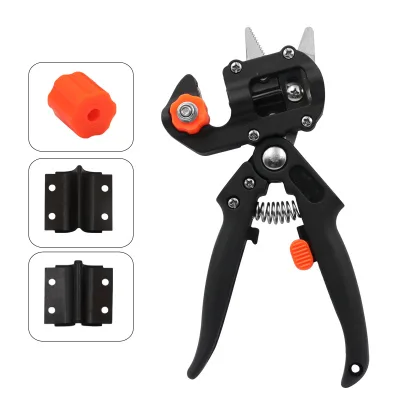


Flora Shears Garden Pruning Shears Tree Trimmer Hand Pruners Branch Cutters
$1.00 - $2.00
MOQ: 1000 Pieces


Multifunctional Tree Trimmers Secateurs Pruning Shears Pruning Shears Garden Scissors
$9.00 - $20.00
MOQ: 500 Pieces


Garden Tools Steel Pruner Shears Cutting Scissors Orchard Pruning Shears
$0.54 - $1.89
MOQ: 2000 Pieces


Comprehensive Sourcing Guide
FSC Folding Pruning Shears Sourcing Guide
Sourcing FSC Folding Pruning Shears requires a nuanced understanding of how sustainability certifications intersect with functional design in garden tools. Buyers must recognize that the "FSC" label typically applies to the packaging materials or wooden handles rather than the steel blades themselves, a distinction that is critical for accurate compliance reporting. The observed market signals indicate a diverse range of products, from simple anvil pruners to complex ratchet hedge shears, all potentially carrying this environmental designation. Procurement teams need to verify whether the certification covers the entire product lifecycle or just specific components, ensuring that the sustainability claim aligns with corporate procurement policies.
The folding mechanism adds a layer of complexity to the sourcing process, as it introduces additional moving parts that require rigorous quality testing. Unlike fixed-blade shears, folding models must maintain structural integrity while allowing for compact storage, which often involves specific locking mechanisms to prevent accidental opening during use. Buyers should prioritize suppliers who demonstrate clear engineering standards for these hinges, as failure in this area can lead to safety hazards and product returns. Understanding the mechanical reliability of the folding feature is just as important as verifying the FSC certification, ensuring that the tool performs safely in demanding field conditions.
Product Scope and Observed Listing Signals
The current market landscape for pruning shears reveals a wide spectrum of product types, including anvil, bypass, and ratchet mechanisms, with lengths ranging from compact 19-inch models to larger 25-inch hedge shears. Observed listings show significant variation in weight, from lightweight 832-gram units to heavier 1.135-kilogram industrial-grade tools, indicating that buyers must carefully match the tool’s mass to the intended user’s strength and usage frequency. The presence of features like anti-slip grips and customizable colors suggests that ergonomic design and branding opportunities are key differentiators in this competitive category, allowing buyers to tailor products for specific retail segments or professional user groups.
Packaging methods also vary considerably, with options including PVC head bags, blister cards, slider cards, and standard cartons, each impacting logistics costs and retail presentation. Some suppliers offer OEM customization support, accepting customized logos and packaging designs, which is essential for brands looking to establish a distinct market presence. The observed supply ability of up to 100,000 pieces per month indicates that many manufacturers have the capacity to handle large-volume orders, but buyers must confirm lead times and production schedules to ensure timely delivery. This flexibility in packaging and customization allows for strategic alignment with both direct-to-consumer and wholesale distribution channels.
Technical Specifications to Verify
When evaluating technical specifications, buyers must scrutinize the blade material and finishing processes to ensure durability and cutting efficiency. Carbon steel blades are commonly observed, offering a balance of sharpness and toughness, but the absence of coating on some models may require additional maintenance to prevent rust. Conversely, plastic-coated handles provide enhanced comfort and corrosion resistance, while steel handles offer maximum durability for heavy-duty industrial applications. Verifying the specific grade of steel and the quality of the heat treatment process is crucial, as these factors directly influence the tool’s lifespan and performance under stress, particularly when cutting tough branches or dense foliage.
The shape and type of the pruner head, such as V-type, beak, or bypass patterns, dictate the specific cutting action and suitability for different plant types. Folding mechanisms must be tested for smooth operation and secure locking, ensuring that the tool remains stable during use and safe during transport. Buyers should also verify the standard dimensions, such as 20.5 cm or 23-inch lengths, to ensure they meet the ergonomic requirements of their target users. Additionally, the condition of the product, whether new or refurbished, and the specific model numbers like MF-1C2001 or SP04, should be cross-referenced with supplier catalogs to avoid discrepancies in ordering and inventory management.
Compliance and Safety Documentation
Compliance with safety standards is paramount when sourcing folding pruning shears, as the moving parts pose potential risks if not properly engineered. Buyers must request documentation that verifies the structural integrity of the folding mechanism, including stress tests and fatigue analysis, to ensure the tool can withstand repeated use without failure. While FSC certification is a notable feature, it primarily addresses the sustainability of wood-based components or packaging, so buyers should also seek evidence of compliance with general product safety regulations in their target markets, such as CE or ASTM standards, to mitigate liability risks.
Documentation should also include clear instructions for safe use and maintenance, which are essential for reducing user error and extending the product’s lifespan. Buyers should verify that the supplier provides comprehensive user manuals in the required languages, highlighting proper handling techniques and storage recommendations. Additionally, any claims regarding anti-slip grips or ergonomic designs should be supported by ergonomic assessments or user testing data, ensuring that the product meets the comfort and safety expectations of professional gardeners and horticulturists. This thorough documentation not only enhances user satisfaction but also protects the buyer from potential legal issues related to product misuse or injury.
Cost Drivers and Commercial Terms
Cost drivers in the pruning shears market are influenced by material choices, manufacturing complexity, and customization requirements. The use of carbon steel, plastic coatings, and specialized folding mechanisms can increase production costs compared to basic fixed-blade models. Buyers should also consider the impact of customization, such as logo printing and unique packaging, which may incur additional setup fees or higher minimum order quantities. Understanding these cost factors allows for more accurate budgeting and negotiation, ensuring that the final price reflects the true value and quality of the product.
Commercial terms, including MOQs and payment conditions, vary significantly among suppliers, with observed MOQs ranging from small batches to large industrial orders of 4,800 pieces. Buyers must align their order quantities with their sales forecasts to avoid excess inventory or stockouts, leveraging the supplier’s supply ability of up to 100,000 pieces per month for larger commitments. Negotiating favorable payment terms, such as partial upfront payments or letters of credit, can help manage cash flow and reduce financial risk. Clear communication regarding lead times and shipping arrangements is also essential to ensure timely delivery and avoid disruptions in the supply chain.
Supplier Qualification and Quality Control
Supplier qualification involves a thorough assessment of manufacturing capabilities, quality management systems, and past performance. Buyers should verify that the supplier has a robust quality control process, including incoming material inspections, in-process checks, and final product testing, to ensure consistency and reliability. Visiting the manufacturing facility or requesting third-party audit reports can provide valuable insights into the supplier’s operational standards and commitment to quality. Additionally, evaluating the supplier’s responsiveness and communication skills is crucial for building a successful long-term partnership, especially when dealing with complex customization requests or urgent order changes.
Quality control measures should also include regular sampling and testing of production batches to detect any defects or deviations from specifications. Buyers should establish clear acceptance criteria for product quality, including blade sharpness, handle comfort, and folding mechanism reliability, and communicate these expectations to the supplier. Implementing a system for tracking and addressing quality issues, such as non-conformance reports and corrective action plans, helps maintain high standards and continuous improvement. By prioritizing suppliers with strong quality control practices, buyers can minimize the risk of product failures and enhance customer satisfaction.
Long-Term Procurement Checks
Long-term procurement success depends on continuous monitoring of supplier performance and market trends. Buyers should regularly review key performance indicators, such as on-time delivery rates, defect rates, and customer feedback, to assess the supplier’s reliability and product quality. Establishing a structured review process allows for early identification of potential issues and facilitates proactive problem-solving. Additionally, staying informed about industry developments, such as new materials, technologies, or sustainability standards, helps buyers remain competitive and adapt to changing market demands.
Building a resilient supply chain involves diversifying suppliers and maintaining strong relationships with key partners. Buyers should explore opportunities to collaborate with suppliers on product innovation and process improvements, fostering a culture of mutual growth and efficiency. Regular communication and joint planning sessions can help align expectations and address any emerging challenges. By focusing on long-term partnership and continuous improvement, buyers can secure a stable supply of high-quality FSC Folding Pruning Shears, supporting their business objectives and customer satisfaction goals.
FAQs
Can I customize the logo on these pruning shears?
Yes, customized logos are acceptable for these garden tools. The product page confirms that OEM support is available, allowing buyers to request specific branding on the handles or blades to match their company identity.
What is the minimum order quantity for these shears?
The minimum order quantity varies by model, with some items requiring 4800 pieces. Other listings show lower thresholds starting from just one piece, so buyers should check specific model requirements before placing an order.
Which materials are used for the blade and handle?
Blades are made from carbon steel for durability, while handles can be plastic or steel depending on the model. Some units feature anti-slip grips to ensure safe handling during heavy-duty tree branch pruning tasks.
Are these shears available with FSC certification?
Yes, FSC is listed as a feature for specific pruning shear models. This indicates that certain products meet sustainable forestry standards, though buyers should verify the certification status for each specific item before purchasing.
What is the supply capacity for these garden tools?
The supplier can provide up to 100,000 pieces per month. This high supply ability ensures that large volume orders can be fulfilled efficiently without significant delays in the production or shipping schedule.
How are these pruning shears packaged for shipment?
Packaging options include PVC head bags with cartons or blister cards with 50 pieces per carton. Specific models may also use slider cards or simple boxes, depending on the manufacturer and product specifications.