Source Eco Friendly Aluminum Fencing for Villas Schools Gardens
Compare 30 Eco Friendly Aluminum Fencing options featuring powder-coated finishes, customizable sizes, and strong wind resistance. Buyers can evaluate models with square or rectangular slats, plain weave techniques, and 10-year warranties for residential or commercial applications; compare the available evidence and request quotations based on your requirements.
Key considerations
Products List


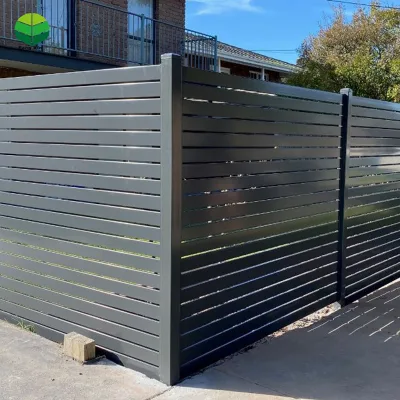
Aluminum Fence with Sustainable Outdoor Fencing Solution for Modern Home and Garden
$39.00 - $48.00
MOQ: 10 Square Meters

Aluminum Fence Decorative Stylish and Durable Garden Fencing for Home and Backyard
$39.00 - $48.00
MOQ: 10 Square Meters

Eco Friendly Aluminum Fence with High Recyclability for Future Proof Home
$39.00 - $48.00
MOQ: 10 Square Meters




Comprehensive Sourcing Guide
Eco Friendly Aluminum Fencing Sourcing Guide
Procuring eco-friendly aluminum fencing requires a strategic balance between material sustainability, structural integrity, and aesthetic versatility. Buyers must recognize that "eco-friendly" in this context often refers to the recyclability of aluminum and the durability of powder-coated finishes, which reduce long-term waste. The observed market signals indicate a strong emphasis on modern design styles, including privacy, louver, and decorative options, catering to both residential and commercial applications. Understanding these design nuances is the first step in defining precise procurement requirements that align with project goals.
The sourcing landscape for these fencing solutions is characterized by a wide range of customization options and technical specifications. Suppliers frequently offer customized sizes, thicknesses, and color palettes, allowing for tailored solutions that meet specific architectural or security needs. Key attributes such as plain weave techniques, welded construction, and anti-climb features are common among high-quality listings. Buyers should prioritize suppliers who provide comprehensive after-sales support, such as video-guided installation, to ensure proper deployment and maintain the integrity of the fence over its extended warranty period.
Product Scope and Observed Listing Signals
The current market for eco-friendly aluminum fencing displays a diverse array of product configurations designed to meet varied security and aesthetic demands. Listings frequently highlight features such as strong wind load capacity, excellent weather and rust resistance, and non-combustible material properties, which are critical for outdoor durability. The observed price range of $11.99 to $99 suggests a broad spectrum of quality and complexity, from basic decorative panels to robust security fencing. Buyers must carefully evaluate these price points against the specified aluminum thicknesses, typically ranging from 1.2mm to 2.0mm, to ensure they are receiving adequate structural support for their intended application.
Observed minimum order quantities (MOQs) vary significantly, ranging from single units to batches of 100, reflecting the flexibility of modern manufacturing processes. This variability allows small-scale residential projects to access the same supply chains as large commercial developments. Additionally, the presence of customized slat shapes, such as rectangular or square profiles, and weave techniques like 20*40 patterns, indicates a high degree of design adaptability. Buyers should leverage these customization options to create unique visual identities for properties while ensuring that the chosen configurations do not compromise the fence’s primary function of protection and privacy.
Technical Specifications to Verify
Verifying technical specifications is paramount to ensuring the longevity and performance of aluminum fencing systems. Buyers must confirm the exact aluminum alloy used, with 6063 being a common standard for extruded profiles due to its excellent corrosion resistance and formability. The thickness of the aluminum slats and frames should be explicitly stated, as variations between 1.2mm, 1.5mm, and 2.0mm directly impact the fence’s rigidity and resistance to forced entry. Additionally, the surface treatment process, often powder-coated, should be verified to ensure it provides a uniform, durable finish that resists fading, chipping, and environmental degradation over time.
The construction technique, whether welded or woven, significantly influences the fence’s structural integrity and aesthetic appeal. Welded fences typically offer a seamless, modern look with high strength, while woven or louvered designs provide enhanced privacy and airflow. Buyers should also inspect the installation method options, such as surface mounting, embedding, or bolt fixing, to determine compatibility with their existing infrastructure. Furthermore, the inclusion of plastic components, such as PVC inserts, should be evaluated for their contribution to the fence’s overall stability and eco-friendly credentials, ensuring they do not detract from the primary aluminum structure’s performance.
Compliance and Safety Documentation
Compliance with international standards is essential for ensuring the safety and quality of aluminum fencing products. Certifications such as CE, ISO9001, ASTM, and RoHS indicate that the manufacturer adheres to rigorous quality management and environmental protection protocols. Buyers should request valid certification documents to verify that the materials used are free from harmful substances and that the manufacturing processes meet recognized safety benchmarks. These certifications not only assure product quality but also facilitate smoother customs clearance and regulatory compliance in various international markets.
Safety features, including fire resistance and anti-climb properties, are critical considerations for commercial and high-security residential applications. The non-combustible nature of aluminum makes it an ideal choice for areas requiring strict fire safety standards. Additionally, the design of the fence, whether it features privacy louvers or decorative pickets, should be evaluated for its ability to deter unauthorized access without compromising visibility. Buyers must ensure that the supplier provides clear documentation on these safety attributes, including any relevant test results or performance claims, to mitigate liability and ensure the fence meets local building codes and regulations.
Cost Drivers and Commercial Terms
Understanding the cost drivers associated with eco-friendly aluminum fencing helps buyers make informed budgeting decisions. Key factors influencing price include the thickness of the aluminum, the complexity of the design, and the extent of customization required. Powder-coated finishes and specialized weave techniques may add to the production cost but offer significant long-term value through reduced maintenance and extended lifespan. Buyers should also consider the packaging method, such as wooden packing or wooden boxes, which can impact shipping costs and the risk of damage during transit.
Commercial terms, including warranty periods and after-sales services, play a crucial role in the total cost of ownership. A 10-year warranty is a common offering, indicating the manufacturer’s confidence in the product’s durability. Buyers should clarify the terms of this warranty, including what is covered and the process for claiming repairs or replacements. Additionally, services such as 3D modeling, sample models, and video installation guides can reduce installation errors and associated labor costs. Negotiating these terms can provide significant value, ensuring that the initial investment is protected by comprehensive support and quality assurance measures.
Supplier Qualification and Quality Control
Qualifying suppliers for aluminum fencing projects requires a thorough assessment of their manufacturing capabilities and quality control processes. Buyers should verify the supplier’s origin, with many reputable manufacturers located in regions like Guangdong, China, known for their advanced aluminum processing industries. It is essential to confirm that the supplier has a proven track record of producing high-quality fencing solutions, supported by positive client testimonials and case studies. Engaging with suppliers who offer 3D modeling and sample services allows buyers to evaluate the product’s quality and design accuracy before committing to large orders.
Quality control measures should be integrated into the procurement process to ensure consistency and reliability. Buyers must request detailed product specifications, including material certifications and finishing processes, to verify that the supplied fencing meets their requirements. Regular inspections, either through third-party agencies or on-site visits, can help identify potential issues early in the production cycle. Additionally, establishing clear communication channels with the supplier for addressing any discrepancies or concerns is vital for maintaining project timelines and ensuring that the final delivered product aligns with the agreed-upon standards and expectations.
Long-Term Procurement Checks
Long-term procurement success depends on establishing robust relationships with suppliers who prioritize sustainability and continuous improvement. Buyers should regularly review the supplier’s commitment to eco-friendly practices, such as the use of renewable sources and rot-proof materials, to ensure alignment with their corporate sustainability goals. Monitoring the supplier’s ability to adapt to changing market trends and regulatory requirements is also crucial, as it ensures that the fencing solutions remain relevant and compliant over time. Building a partnership based on mutual trust and shared values can lead to better pricing, priority service, and collaborative innovation.
Regular performance evaluations of the installed fencing systems provide valuable feedback for future procurement decisions. Buyers should assess the fence’s condition after extended periods of exposure to environmental factors, noting any signs of wear, corrosion, or structural failure. This data can be used to refine specifications and select more durable materials or finishes for subsequent orders. Additionally, staying informed about advancements in aluminum fencing technology, such as new coating techniques or design innovations, allows buyers to continuously upgrade their security and aesthetic standards while maintaining the eco-friendly benefits of their fencing solutions.
FAQs
What certifications do Eco Friendly Aluminum Fencing products have?
These fencing products typically hold CE, ISO9001, and RoHS certifications to ensure compliance with international standards. The materials are non-combustible and feature excellent weather and rust resistance. This ensures the fencing meets safety and quality requirements for both residential and commercial applications while maintaining environmental responsibility.
How is the aluminum fencing customized for different styles?
Customization is available for slat shapes, colors, and thicknesses to suit various design needs. Buyers can choose from rectangular or square slats in black, grey, or custom colors. The aluminum thickness options include 1.2mm, 1.5mm, and 2.0mm, allowing for tailored privacy and decorative styles.
Can Eco Friendly Aluminum Fencing withstand strong wind loads?
Yes, the fencing features strong wind load capacity due to its welded construction and powder-coated finish. The aluminum material provides excellent durability against harsh weather conditions. This robust design ensures the fence remains stable and secure in outdoor environments, making it suitable for driveways, gardens, and perimeter security.
What installation methods are supported for this aluminum fencing?
The fencing supports surface mounted, embedded, and bolt fixing installation methods for versatile deployment. After-sales service includes guiding installation by video to assist buyers. The design allows for easy assembly, making it practical for various applications such as houses, villas, schools, and commercial properties without requiring complex tools.
What warranty and after-sales service are provided for the fencing?
Products come with a 10-year warranty to guarantee long-term performance and durability. After-sales service includes guiding installation by video to ensure correct setup. The fencing is designed for low maintenance, featuring anti-rust and rot-proof properties. This comprehensive support ensures buyers receive reliable assistance throughout the product lifecycle.
Which materials and finishes are used in Eco Friendly Aluminum Fencing?
The fencing is constructed from aluminum with a powder-coated surface treatment for enhanced durability. It features a plain weave technique and welded construction for structural integrity. The materials are eco-friendly, renewable, and waterproof, ensuring minimal environmental impact while providing a modern, decorative appearance suitable for various architectural styles and security needs.