Source Aluminum Alloy Modern Patio Enclosure for Villa, Garden, Balcony
Find 30 listings for Aluminum Alloy Modern Patio Enclosure designed for villas, gardens, and balconies. Buyers can compare tempered glass options, thermal break aluminum frames, and customization features from verified suppliers in Guangdong, China.
Key considerations
Products List

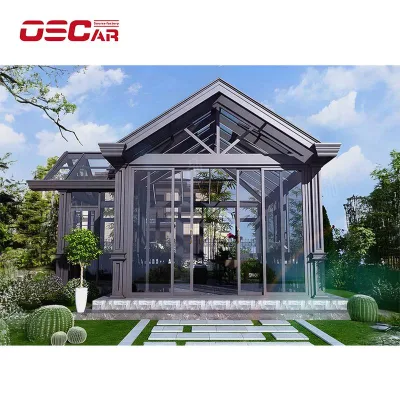
Custom Manufacture Motorized Aluminum Alloy Tempered Glass Sunroom Four Season Patio Enclosure
$100.00 - $150.00
MOQ: 49 Square Meters


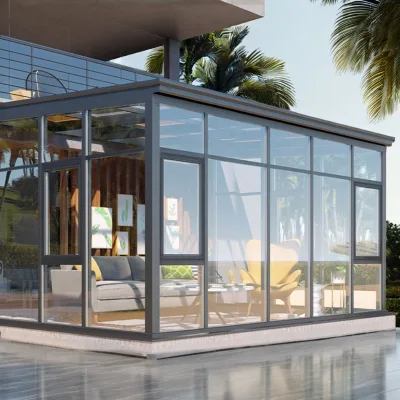


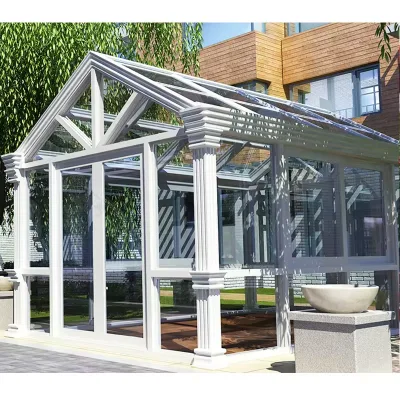
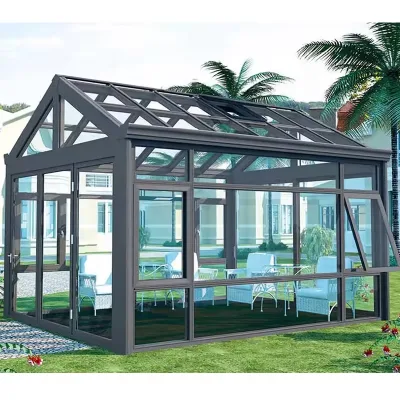
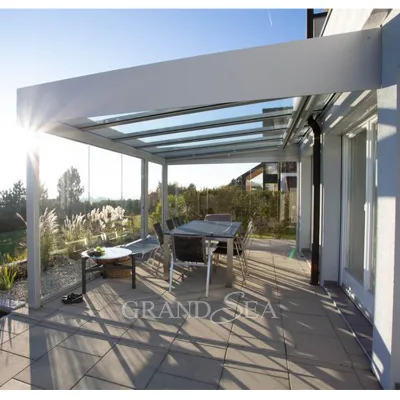
Comprehensive Sourcing Guide
Strategic Sourcing Guide for Aluminum Alloy Modern Patio Enclosures
Understanding the Core Product Architecture and Material Composition
The modern patio enclosure, often categorized under aluminum alloy sunrooms or glass enclosures, represents a significant intersection of architectural aesthetics and functional durability. When sourcing these units, the primary focus must be on the structural integrity provided by the frame and the thermal performance of the glazing. Based on current market observations, the dominant material for the structural framework is aluminum alloy, specifically engineered with thermal break technology to enhance energy efficiency. This thermal break aluminum construction is critical for preventing heat transfer, ensuring the enclosure remains a comfortable space year-round regardless of external weather conditions.
The glazing system is equally vital to the product's performance. The standard configuration observed in high-quality units involves tempered glass, often specified with a thickness of 5mm combined with a 0.76mm interlayer and another 5mm layer, totaling a robust 10.76mm assembly. This laminated structure provides safety and impact resistance. Furthermore, the glass material frequently incorporates Low-E (Low Emissivity) coatings. This coating is essential for modern energy standards, as it reflects infrared heat while allowing visible light to pass through, thereby reducing the load on heating and cooling systems. In some configurations, the material specification may also include polycarbonate panels as an alternative to glass, offering a different balance of weight and impact resistance, though tempered glass remains the premium standard for clarity and longevity.
The structural design of these enclosures often features an aluminum structure with a thickness of approximately 3.0mm. This dimension is a key indicator of rigidity and wind load resistance. The roof molding is a distinctive design element that allows for customization, with options ranging from arc, flat, and polygon shapes to slant and triangle configurations. This versatility enables the enclosure to blend seamlessly with various architectural styles, from traditional villas to contemporary office spaces. The surface treatment applied to the aluminum frame is typically achieved through anodizing or powder coating, which protects the metal from corrosion and allows for a wide spectrum of color options, including black, white, grey, bronze, and champagne.
Technical Specifications and Customization Capabilities
When evaluating potential suppliers, buyers must scrutinize the technical specifications to ensure they align with the specific requirements of the project site. One of the most significant advantages of the modern aluminum alloy patio enclosure is the availability of customization. The size of the unit is rarely fixed; instead, it is often tailored to the specific dimensions of the site, with common OEM options including 3x4m, 4x4m, and 4x6m configurations, though bespoke dimensions are standard practice. The product model numbers, such as WS-Sunroom, DYS, or various alphanumeric codes like sunroom-XQnG-19021, serve as identifiers for specific design iterations but should not be viewed as limiting factors for the buyer's needs.
The customization extends beyond mere dimensions. The design style is predominantly modern, characterized by clean lines and minimal visual obstruction. The application capabilities are broad, supporting projects in villas, offices, workshops, gardens, balconies, and outdoor leisure areas. For complex projects, suppliers often provide project solution capabilities that include graphic design and 3D model design services. This allows buyers to visualize the final product before manufacturing begins, ensuring that the integration with the existing building structure is seamless. The roof molding options, such as the slant design, are not merely aesthetic choices but functional decisions that affect water drainage and snow load management.
It is important to note that while specific models are listed, the underlying engineering principles remain consistent across the category. The frame material is consistently aluminum alloy, and the glass is tempered. However, buyers should verify the specific thickness of the aluminum profiles and the exact composition of the glass for each order, as these can vary based on the supplier's manufacturing capabilities and the specific regional standards of the destination market. The standard production capacity for some suppliers is noted to be substantial, with figures like 80,000 square meters per month indicating the ability to handle large-scale commercial projects, though this should be verified against the specific lead time requirements of the buyer.
Compliance, Certification, and Regulatory Standards
Navigating the regulatory landscape is a critical component of the procurement process for aluminum alloy enclosures. Compliance ensures that the product meets safety, quality, and environmental standards required by local building codes. The most frequently cited certifications in the market for these products are ISO and CE. The ISO certification indicates that the manufacturer adheres to international quality management standards, ensuring consistency in production processes. The CE marking is particularly crucial for products destined for the European market, signifying that the product meets health, safety, and environmental protection requirements.
Buyers must treat these certifications as verification points rather than automatic guarantees. The presence of an ISO or CE mark on a product listing should prompt a request for the actual certificate documentation to verify its validity and scope. It is also essential to understand that while the product origin is often listed as Guangdong, China, or simply China, the specific manufacturing facility must be capable of meeting the destination country's specific building codes. For instance, wind load ratings, thermal transmittance values (U-values), and safety glazing requirements can vary significantly between regions.
In addition to the primary certifications, buyers should inquire about the specific standards applied to the aluminum alloy and the glass. The aluminum thickness of 3.0mm is a common specification, but local codes may require different minimums depending on the height of the structure and the wind speed of the region. Similarly, the glass thickness of 5mm+0.76+5mm is a standard laminated configuration, but safety glazing regulations might mandate specific impact resistance tests. The warranty period, which can range from one year to more than five years, is another indicator of the manufacturer's confidence in their product's compliance and durability. A longer warranty often suggests that the product has undergone rigorous testing and meets higher quality benchmarks.
Cost Drivers and Economic Considerations
The pricing of aluminum alloy modern patio enclosures is influenced by a complex array of factors, making it difficult to establish a single market price. The observed price range in the market spans from approximately $0.90 to $199, though this wide variance is likely due to differences in unit definitions, such as price per square meter versus price per single item, or the inclusion of installation services. The minimum order quantity (MOQ) also plays a significant role in the final cost, with ranges observed from 1 to 1000 units. For small-scale residential projects, buyers may find suppliers willing to accommodate single-item orders, while larger commercial projects may benefit from economies of scale associated with higher MOQs.
The primary cost drivers include the material quality, specifically the grade of the aluminum alloy and the type of glass used. Thermal break aluminum is more expensive than non-thermal break options due to the additional manufacturing steps required to insert the insulating barrier. Similarly, Low-E tempered glass with a laminated interlayer costs more than standard single-pane glass. The surface treatment, whether anodizing or powder coating, also impacts the price, with custom colors and specialized finishes commanding a premium. The complexity of the design, such as the choice of roof molding (arc, slant, triangle), adds to the fabrication costs, as non-standard shapes require more precise engineering and tooling.
Logistics and packaging are additional cost factors. The standard packing method involves wooden boxes, which are robust but add to the shipping weight and volume. For international shipments, the origin location, typically Guangdong, China, influences freight costs. Buyers should also consider the total cost of ownership, which includes installation, maintenance, and potential energy savings. While the upfront cost of a high-quality thermal break enclosure may be higher, the long-term energy efficiency provided by the Low-E glass and insulated frame can result in significant savings on heating and cooling bills. Therefore, procurement decisions should be based on a lifecycle cost analysis rather than just the initial purchase price.
Supplier Evaluation and Quality Control Protocols
Selecting the right supplier is paramount to ensuring the success of a patio enclosure project. Buyers should evaluate suppliers based on their project solution capabilities, after-sales service, and production capacity. The ability to provide graphic design and 3D model design services is a strong indicator of a supplier's technical competence and commitment to customer satisfaction. Additionally, the range of after-sales services, such as online technical support, onsite training, and free spare parts, demonstrates a supplier's long-term commitment to the product's performance.
Quality control should be a central part of the supplier evaluation process. Buyers should request detailed information about the manufacturing process, including the surface treatment methods and the quality assurance checks performed on the aluminum frames and glass panels. The standard production capacity, such as 80,000 square meters per month, suggests that the supplier has the infrastructure to handle large orders, but it is essential to verify that quality is not compromised by volume. Inspection of the product samples, if possible, is highly recommended to assess the finish, the precision of the joints, and the overall workmanship.
The warranty period is another critical metric for supplier evaluation. While some suppliers offer a one-year warranty, others provide coverage for more than five years. A longer warranty period often reflects a higher level of confidence in the product's durability and the supplier's willingness to stand behind their work. Buyers should carefully review the terms and conditions of the warranty to understand what is covered and what constitutes a claim. It is also important to verify the supplier's location and origin, as proximity to the project site can facilitate easier communication and faster response times for any issues that may arise.
Typical Applications and Long-Term Procurement Strategies
The versatility of aluminum alloy modern patio enclosures makes them suitable for a wide range of applications. They are commonly used in residential settings, such as villas, gardens, and balconies, where they provide an additional living space that connects the interior with the outdoors. In commercial settings, these enclosures are utilized in offices, workshops, and supermarkets, offering a modern aesthetic and functional protection from the elements. The specific design, such as the combined roof sunroom or the slant roof design, can be tailored to meet the unique needs of each application.
For long-term procurement, buyers should develop a strategic approach that considers the scalability and flexibility of the supplier. Given the customization options available, it is advisable to establish a relationship with a supplier who can support both small and large projects. This ensures consistency in quality and design across multiple installations. Buyers should also plan for future maintenance and potential upgrades. The availability of spare parts and technical support is crucial for the long-term operation of the enclosure. Regular inspections and maintenance can extend the lifespan of the product and ensure that it continues to meet performance standards.
In conclusion, sourcing aluminum alloy modern patio enclosures requires a thorough understanding of the technical specifications, compliance requirements, and cost drivers. By carefully evaluating suppliers and focusing on quality control, buyers can secure high-performance enclosures that enhance the value of their properties. The combination of thermal break aluminum, Low-E tempered glass, and customizable designs offers a robust solution for a variety of applications, providing both aesthetic appeal and functional benefits. As the market continues to evolve, staying informed about the latest standards and technologies will be essential for making informed procurement decisions.
FAQs
What materials are used for the frame and roof?
The frame and roof are constructed from thermal break aluminum alloy and tempered glass. Some units also feature Low-E glass for improved energy efficiency and durability against weather conditions.
Can the product size be customized for my project?
Yes, the size is fully customized to fit specific site requirements. Common OEM configurations include 3x4m, 4x4m, and 4x6m, but bespoke dimensions are available upon request.
Which certifications do the manufacturers hold?
Manufacturers typically hold ISO and CE certifications to ensure quality and safety compliance. These marks indicate adherence to international standards for production processes and product safety.
How long is the warranty period for these enclosures?
Warranty periods vary, with options ranging from one year to more than five years. A longer warranty often reflects higher confidence in the product's durability and material quality.
What surface treatments are available for the aluminum frame?
The aluminum frame undergoes anodizing or powder coating for corrosion protection and aesthetic appeal. Custom colors such as black, white, grey, bronze, and champagne are available to match design needs.
Can suppliers provide design services for the enclosure?
Yes, many suppliers offer project solution capabilities including graphic design and 3D model design. This allows buyers to visualize the final product and ensure seamless integration with existing structures.