Source Portable Modern Toilet Sleeping Pod for Villas, Parks, and Sites
Explore 30 options for a Portable Modern Toilet Sleeping Pod designed for villa communities, urban streets, and construction sites. These composite-unit structures feature stainless steel materials and easy installation, allowing buyers to compare customized sizes and eco-friendly features for diverse outdoor applications.
Key considerations
Products List

Outdoor Prefab Modular Modern Portable Restroom Mobile Bathroom Toilet Bathroom Cabin Pods
$460.00 - $1100.00
MOQ: 6 Pieces

High Quality Portable Toilets Mobile Cabin Portable Toilet Restroom Bathroom
$460.00 - $1100.00
MOQ: 6 Pieces


Luxury Mobile Toilet Pod with Bathroom Accessories Interior for Private Events
$460.00 - $1100.00
MOQ: 6 Pieces


Modular Portable Toilet Kit Houses Prefabricated Restroom Public Toilet Pod Bathroom Cabin
$460.00 - $1100.00
MOQ: 6 Pieces


Module Bathroom Toilet Door Modular Bathroom Pod Double Portable Bathroom
$175.00 - $275.00
MOQ: 5 sets


a Portable Cabin and Prefabricated Pod with an Acoustic Booth Can Become a Cozy Sleeping Pod
$2595.00 - $2695.00
MOQ: 1 Pieces

a Portable Cabin and Prefabricated Pod with an Acoustic Booth as a Sleeping Pod
$3695.00 - $3795.00
MOQ: 1 Pieces

a Portable Cabin and Prefabricated Pod with an Acoustic Booth Becomes a Sleeping Pod
$1599.00 - $1699.00
MOQ: 1 Pieces

a Portable Cabin and Prefabricated Pod with an Acoustic Booth Become a Sleeping Pod
$3195.00 - $3295.00
MOQ: 1 Pieces

a Sleeping Pod for Business and an Office Booth in a Large Portable Cabin
$3195.00 - $3295.00
MOQ: 1 Pieces


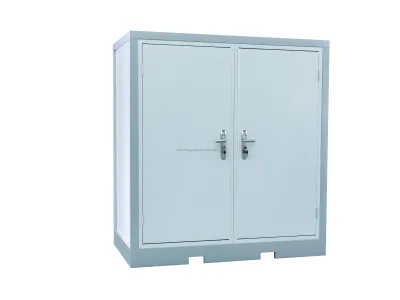

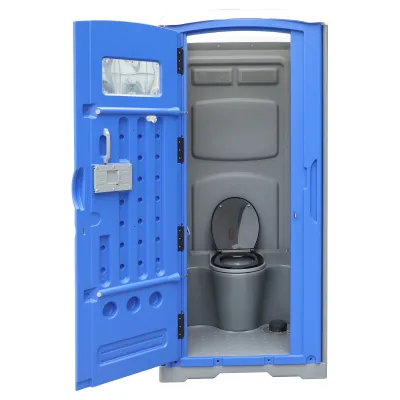
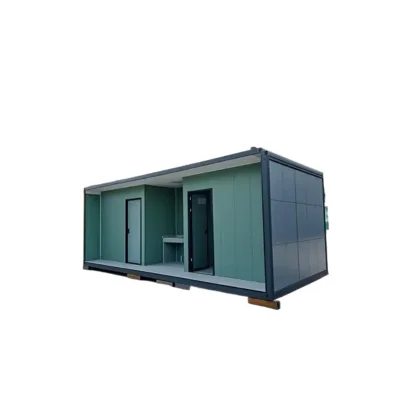

This Self-Contained Mobile Toilet Is Perfect for Remote Locations and Camping
$7500.00 - $9750.00
MOQ: 1 Pieces
Comprehensive Sourcing Guide
Portable Modern Toilet Sleeping Pod Sourcing Guide
Procuring portable modern toilet sleeping pods requires a nuanced understanding of hybrid infrastructure that serves dual purposes for temporary housing and sanitation. These units are frequently deployed in construction sites, tourist attractions, and urban street projects where space is limited but hygiene standards must remain high. Buyers must distinguish between simple toilet trailers and integrated sleeping pods, as the latter often involve more complex structural requirements for comfort and safety. The observed market signals indicate a strong preference for composite-unit designs that offer both durability and aesthetic flexibility for modern urban environments.
The sourcing landscape is dominated by manufacturers in Mainland China who offer extensive customization options to meet specific project needs. Listings reveal a wide price range from $175 to $10,000, reflecting variations in size, material quality, and included amenities. Minimum order quantities typically start at six sets, suggesting that these products are optimized for bulk deployment rather than single-unit purchases. Buyers should carefully evaluate whether the listed "sleeping pod" functionality is integrated into the toilet unit or offered as a separate but compatible module, as this significantly impacts logistics and installation complexity.
Product Scope and Observed Listing Signals
The product scope encompasses a variety of mobile sanitation and accommodation solutions, including toilet trailers, detachable containers, and teardrop trailers with bathroom facilities. Key attributes observed include stainless steel materials, color steel plate wall panels, and customized sizes ranging from compact 1.1m x 1.1m structures to larger modular units. The design styles vary from urban modern to economic and practical types, allowing buyers to align the aesthetic with their specific project branding or functional requirements. These units are often marketed with keywords such as "portable restroom trailer" and "mobile toilet," indicating their primary use in temporary event or construction settings.
Structural styles are predominantly composite-unit or single-unit configurations, with features emphasizing easy installation, durability, and sustainability. The flooring often combines cement bases with PVC wood grain leather, providing a balance of structural integrity and visual appeal. Window options include PVC blind shutters, which offer privacy and light control essential for both sleeping and sanitation functions. Buyers should note that while some listings highlight eco-friendly features, the specific environmental certifications or energy efficiency ratings are not explicitly detailed in the observed data, requiring further verification from suppliers.
Technical Specifications to Verify
Technical verification must begin with the structural integrity and material composition of the units. Buyers should confirm whether the exterior walls are constructed from sandwich panels or color steel plates, as this affects insulation, wind resistance, and earthquake resilience. The standard size specifications observed include dimensions like 1.1m x 1.1m x 2.3m and 1.28m x 1.28m x 2.3m, but customization is widely available. It is critical to verify the load-bearing capacity and the quality of the foundation, which may include 18mm cement floors, to ensure stability during transport and deployment in varying terrain conditions.
Sanitation and utility systems require detailed scrutiny, particularly the sewage treatment methods. The observed data points to ordinary water flush types, but buyers must clarify the tank capacity, pump efficiency, and waste management protocols for each unit. Electrical systems, if included for lighting or ventilation in sleeping pods, should be checked for voltage compatibility and safety standards. Additionally, the warranty period, typically listed as one year, should be examined for coverage of mechanical parts, plumbing fixtures, and structural components to mitigate long-term maintenance risks.
Compliance and Safety Documentation
Compliance verification is essential for ensuring that portable units meet local health, safety, and environmental regulations. Buyers must request documentation confirming that the sewage treatment systems comply with local discharge or containment standards, especially for use in tourist attractions or urban streets. While EN 16514 is mentioned in background contexts, its specific applicability to sleeping pods or toilet trailers should be confirmed with the supplier, as it may relate to broader sanitation equipment standards rather than the specific structural or sanitary performance of these units.
Safety features such as wind resistance, earthquake resistance, and fire retardancy of materials like sandwich panels and PVC shutters must be validated through test reports or manufacturer declarations. Buyers should also verify that the electrical installations, if present, adhere to relevant international or local electrical safety codes. Documentation regarding the structural stability under load and the durability of the stainless steel or composite materials should be requested to ensure the units can withstand the intended operational environment without compromising user safety.
Cost Drivers and Commercial Terms
Cost drivers for portable modern toilet sleeping pods include the choice of materials, customization level, and included amenities. Stainless steel construction and composite-unit designs typically command higher prices due to their durability and aesthetic appeal. The observed price range of $175 to $10,000 reflects significant variation based on size, structural complexity, and whether the unit is a simple toilet trailer or an integrated sleeping pod. Buyers should analyze the cost breakdown to understand how much is attributed to the base structure versus optional features like advanced sanitation systems or interior finishes.
Commercial terms often involve sea freight packing and sandwich packing methods, which impact logistics costs and delivery timelines. Minimum order quantities of six sets suggest economies of scale, making bulk purchases more cost-effective per unit. Buyers should negotiate clear terms regarding customization lead times, payment schedules, and after-sales service support. Understanding the total landed cost, including shipping, insurance, and potential import duties, is crucial for accurate budgeting, especially when sourcing from Mainland China for international projects.
Supplier Qualification and Quality Control
Supplier qualification should focus on manufacturers with proven experience in producing composite-unit and detachable container structures. Buyers should verify the supplier’s production capacity, quality control processes, and ability to handle customized orders within specified timelines. The availability of online technical support and a one-year warranty indicates a level of post-sale commitment, but buyers should assess the responsiveness and expertise of the support team. Requesting references from previous projects, particularly in similar applications like construction sites or tourist attractions, can provide insight into the supplier’s reliability and product performance.
Quality control measures should include pre-shipment inspections to verify material quality, structural integrity, and functional performance of sanitation systems. Buyers should establish clear acceptance criteria for dimensions, finishes, and operational tests before approving shipments. Collaborating with third-party inspection agencies can provide an additional layer of assurance, ensuring that the delivered units meet the specified technical requirements and quality standards. Establishing a robust quality control protocol helps mitigate risks associated with defects or non-compliance in large-scale deployments.
Long-Term Procurement Checks
Long-term procurement checks involve monitoring the performance and durability of the units in real-world conditions. Buyers should track maintenance requirements, repair frequencies, and user feedback to assess the overall value and reliability of the products. Regular inspections of structural components, sanitation systems, and electrical installations can help identify potential issues early, extending the lifespan of the units. Establishing a preventive maintenance schedule and securing a supply of spare parts can minimize downtime and ensure continuous operation in critical applications.
Sustainability and end-of-life considerations are also important for long-term procurement strategies. Buyers should evaluate the recyclability of materials like stainless steel and sandwich panels, as well as the environmental impact of sewage treatment methods. Engaging with suppliers who offer upgrade or retrofit services can extend the usability of the units as project requirements evolve. By maintaining a strategic relationship with suppliers and continuously evaluating product performance, buyers can optimize their procurement outcomes and ensure the long-term success of their infrastructure projects.
FAQs
What customization options are available for the Portable Modern Toilet Sleeping Pod?
Customization is available for the Portable Modern Toilet Sleeping Pod, allowing buyers to select specific colors like white or customized options. The structural style can be chosen as either composite-unit or single-unit to suit different site requirements and design preferences.
Which materials are used to construct the Portable Modern Toilet Sleeping Pod?
The Portable Modern Toilet Sleeping Pod is constructed using stainless steel material and sandwich panels for durability. The exterior wall features color steel plate, while the floor combines 18mm cement with 2.0PVC wood grain floor leather for a robust and comfortable surface.
Can the Portable Modern Toilet Sleeping Pod be installed easily at any location?
Yes, the Portable Modern Toilet Sleeping Pod features easy installation and is designed to be easily movable. It is suitable for various applications including villa communities, urban streets, tourist attractions, and construction sites, ensuring flexible deployment across different environments.
What is the minimum order quantity for the Portable Modern Toilet Sleeping Pod?
The minimum order quantity for the Portable Modern Toilet Sleeping Pod is 6 sets. This MOQ applies to the standard units, though customization options may vary, so buyers should confirm specific requirements with the supplier before placing an order for their project.
How is the Portable Modern Toilet Sleeping Pod packed for shipping?
The Portable Modern Toilet Sleeping Pod is packed using sea freight methods or sandwich packing to ensure safe transport. This packaging protects the unit during transit, maintaining the integrity of the stainless steel and sandwich panel construction until it reaches the final destination site.
What warranty is provided for the Portable Modern Toilet Sleeping Pod?
A 1-year warranty is provided for the Portable Modern Toilet Sleeping Pod to cover manufacturing defects. Buyers also receive online technical support for after-sales service, ensuring that any operational issues can be addressed promptly by the supplier team.
Which design styles are offered for the Portable Modern Toilet Sleeping Pod?
The Portable Modern Toilet Sleeping Pod is available in urban modern type and economic and practical type designs. These styles cater to different aesthetic needs, ranging from modern visual appeal to functional, cost-effective solutions for various public and private spaces.