Source Portable Modern Coffee Shop Bar for Cafe, Bar, Shop
Find 30 Portable Modern Coffee Shop Bar options for cafes, bars, and retail shops. Compare steel structure designs, custom sizes, and CE/ISO certified units from Chinese manufacturers to find the right fit for your business; compare the available evidence and request quotations based on your requirements.
Key considerations
Products List


Modern Moving Coffee Bar/Fast Food Bar/Container Restaurant for Sale
$4200.00 - $5800.00
MOQ: 1 Pieces

Luxury Cafe Prefab Shipping Container Restaurant Container Coffee Shop Cafe Bar
$4500.00 - $6500.00
MOQ: 1 Pieces

Shipping Container Store Prefab Cafe Shop Container Restaurant Modular Bar
$4500.00 - $6500.00
MOQ: 1 Pieces

Custom Made Movable Bar Cafe Store 10FT Shipping Container Garden Coffee Shop
$4500.00 - $6500.00
MOQ: 1 Pieces


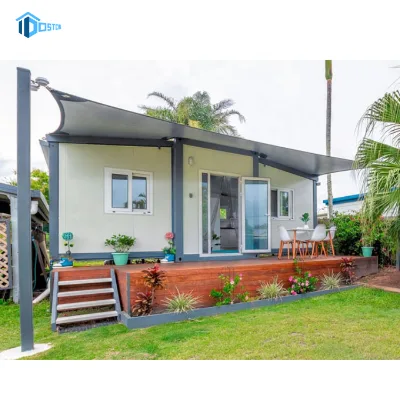


White Shipping Container Coffee Shop Bar Mobile Pop up Container Bar
$9000.00 - $12000.00
MOQ: 1 Pieces


Hot Sale Portable Kiosk Modified Prefab Modular Coffee Shop Shipping Container Bar
$4900.00 - $5000.00
MOQ: 1 Pieces

Container Restaurant for Sale Container Coffee Bar for Outdoor Business
$9600.00 - $9700.00
MOQ: 1 Pieces


Restaurant Cashier Counter Modern Restaurant Cafe Coffee Shop Bar Countertop
$800.00 - $1200.00
MOQ: 1 Meters



Comprehensive Sourcing Guide
Portable Modern Coffee Shop Bar Sourcing Guide
Sourcing a Portable Modern Coffee Shop Bar requires balancing rapid deployment needs with robust structural integrity. These units serve as flexible commercial spaces, often functioning as container restaurants, cafes, or convenience stores in high-traffic urban areas or temporary event venues. Buyers must prioritize suppliers who offer customizable layouts, as the interior configuration directly impacts workflow efficiency for baristas and service staff. The ability to tailor the internal design ensures that the space meets specific operational requirements, from equipment placement to customer seating arrangements.
The modular nature of these structures allows for easy relocation and reconfiguration, making them ideal for businesses that need to adapt to changing market conditions or seasonal demands. However, this flexibility comes with the responsibility of ensuring that the unit remains stable and secure during transport and installation. Procurement teams should focus on suppliers who provide comprehensive design previews and layout drawings, allowing for thorough review before manufacturing begins. This proactive approach minimizes the risk of costly modifications after production is complete.
Product Scope and Observed Listing Signals
Market listings for portable modern coffee shop bars typically highlight key attributes such as double-glazed windows, steel structure frames, and customized color options. These features contribute to the aesthetic appeal and functional performance of the unit, ensuring it meets modern branding standards while providing necessary insulation and durability. Buyers should observe that many suppliers offer units in standard sizes like 20 FT or 40 FT, but also provide customization options to fit specific site constraints. The presence of bubble or special request packing indicates a focus on protecting the unit during international shipping.
Observed signals also include a wide range of applications, from residential hostels to temporary offices and workshops, suggesting the versatility of these container-based structures. However, for a coffee shop bar, specific features like thermal insulation, moisture proofing, and leak-proof construction are critical to maintaining a comfortable and safe environment for both staff and customers. Buyers should verify that the supplier explicitly confirms these features, as they are essential for the longevity and performance of the unit in various weather conditions.
Technical Specifications to Verify
When evaluating technical specifications, buyers must confirm the structural integrity of the steel frame and the quality of the sandwich panel walls. Common wall materials include EPS, rock wool, or PU sandwich panels with thicknesses ranging from 50mm to 100mm, which provide varying levels of thermal and acoustic insulation. It is crucial to verify that the windows are double-glazed to enhance energy efficiency and noise reduction, which is particularly important in urban environments. Additionally, the wind resistance rating should be confirmed, with many units designed to withstand up to 8-grade typhoons, ensuring stability in adverse weather conditions.
The dimensions of the unit are another critical factor, with standard sizes often around 2438mm x 6058mm x 2591mm, though custom sizes are available. Buyers should also check the weight of the unit, which can impact transportation costs and site preparation requirements. For instance, a unit weighing approximately 3000kgs requires appropriate lifting equipment and a stable foundation. Ensuring that the supplier provides detailed technical drawings and specifications helps in planning the installation process and avoiding unexpected logistical challenges.
Compliance and Safety Documentation
Compliance with international standards is essential for portable modern coffee shop bars, particularly when operating in regulated markets. Buyers should verify that the supplier holds relevant certifications such as CE and ISO, which indicate adherence to quality and safety standards. These certifications are crucial for ensuring that the materials used in construction are safe and that the manufacturing process meets recognized industry benchmarks. Additionally, compliance with regional standards like Au/USA/EU may be required depending on the destination market, so buyers must confirm that the supplier can provide documentation for these specific requirements.
Safety features such as fireproof and earthquake-resistant construction are also critical considerations. Buyers should request test reports or certification documents that verify these safety attributes, as they protect both the business and its customers from potential hazards. Furthermore, the supplier should provide clear instructions for maintenance and safety inspections, ensuring that the unit remains compliant over its lifespan. This documentation not only facilitates regulatory approval but also enhances the overall reliability and trustworthiness of the product.
Cost Drivers and Commercial Terms
The cost of a Portable Modern Coffee Shop Bar is influenced by several factors, including the size, customization level, and material quality. Standard units may be more affordable, but customizations such as unique layouts, specialized finishes, or additional features can significantly increase the price. Buyers should also consider the cost of transportation and installation, which can vary based on the distance and the complexity of the site preparation. Understanding these cost drivers helps in budgeting accurately and avoiding unexpected expenses during the procurement process.
Commercial terms such as MOQ (Minimum Order Quantity) and warranty periods are also important considerations. While some suppliers may offer low MOQs, others might require larger orders to achieve competitive pricing. Warranty periods typically range from one to two years, covering defects in materials and workmanship. Buyers should negotiate clear terms regarding after-sales service, including the availability of online support and the process for handling claims. These terms ensure that the buyer receives adequate support and protection throughout the lifecycle of the product.
Supplier Qualification and Quality Control
Selecting a qualified supplier is critical to ensuring the quality and reliability of the Portable Modern Coffee Shop Bar. Buyers should verify the supplier’s production capabilities, including their experience in manufacturing container-based structures and their ability to handle custom orders. Checking for past projects and client testimonials can provide insights into the supplier’s reliability and customer satisfaction levels. Additionally, buyers should inquire about the supplier’s quality control processes, including inspections at various stages of production to ensure that the final product meets the specified standards.
It is also important to assess the supplier’s ability to provide comprehensive support, including design assistance, installation guidance, and after-sales service. Suppliers who offer 24-hour online service and flexible customization options are often better equipped to handle the unique needs of each project. Buyers should also consider the supplier’s export experience, as this can impact the smoothness of the shipping and customs clearance process. A supplier with a strong track record in international trade is more likely to deliver the product on time and in good condition.
Long-Term Procurement Checks
Long-term procurement success depends on establishing a strong relationship with the supplier and ensuring ongoing support for the Portable Modern Coffee Shop Bar. Buyers should regularly review the performance of the unit, checking for any signs of wear or damage that may require maintenance or repair. Establishing a routine inspection schedule can help identify potential issues early, preventing costly downtime and extending the lifespan of the unit. Additionally, buyers should maintain open communication with the supplier to address any concerns or requests for modifications promptly.
As business needs evolve, buyers may need to upgrade or modify their portable coffee shop bar to accommodate new equipment or changing customer preferences. Suppliers who offer flexible customization options and reliable after-sales service are better positioned to support these changes. Buyers should also stay informed about industry trends and technological advancements that could enhance the functionality or efficiency of their unit. By proactively managing the procurement process and maintaining a strong supplier relationship, buyers can ensure that their Portable Modern Coffee Shop Bar continues to meet their business objectives over the long term.
FAQs
Can I customize the layout and size of the container bar?
Yes, the layout and size can be fully customized to meet your specific needs. You can choose between 20 FT or 40 FT standard sizes, or request a unique dimension. The design process includes a preview layout drawing to ensure the final structure matches your vision for a cafe or shop.
What certifications do these portable coffee shop bars hold?
These units typically hold CE and ISO certifications to ensure safety and quality standards. The steel structure frame is welded for durability, and the materials used include galvanized steel with sandwich panels. These certifications verify that the product meets international requirements for export and usage in various regions.
How long is the warranty period for the container restaurant?
The warranty period is generally one year, though some models may offer up to two years of coverage. This warranty covers structural integrity and key components like the steel frame and sandwich panels. It ensures that the container bar remains functional and safe for your business operations during the initial period.
What is the minimum order quantity for these container shops?
The minimum order quantity ranges from one unit up to one hundred units depending on the supplier. This flexibility allows small businesses to start with a single unit while larger enterprises can order in bulk. Customization options are available regardless of the order size you choose for your project.
Can the container bar be installed quickly and easily?
Yes, the design features fast installation capabilities to minimize downtime for your business. The steel structure frame is welded for stability, and the unit is designed to be easily movable. This allows you to set up your cafe or shop rapidly without requiring extensive construction work on-site.
What materials are used to construct the container bar walls?
The walls are constructed using galvanized steel structures with sandwich panels made of EPS, rock wool, or PU. These panels are available in thicknesses of 50, 75, or 100mm to provide thermal insulation and moisture proofing. This material selection ensures the unit is waterproof, fireproof, and suitable for various climates.
Where are these portable coffee shop bars manufactured?
These units are manufactured in Henan, China, and are exported worldwide to various markets. The production process ensures that each container meets the required standards for export. Buyers can expect reliable shipping and support from the origin location for their specific project requirements.