Source Aluminum Core Plastic Tanks Radiator for Cooling Systems
Compare 27 listings for Aluminum Core Plastic Tanks Radiator options suitable for machinery, coolers, and closed systems. Buyers can evaluate customization, certifications, and delivery terms from verified suppliers.
Key considerations
Products List


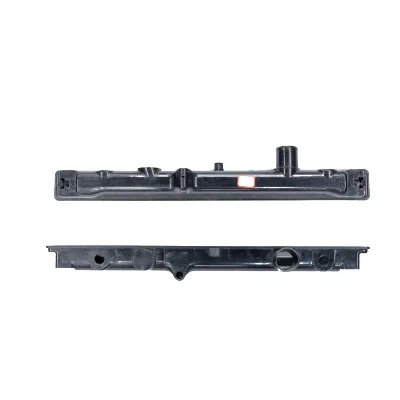
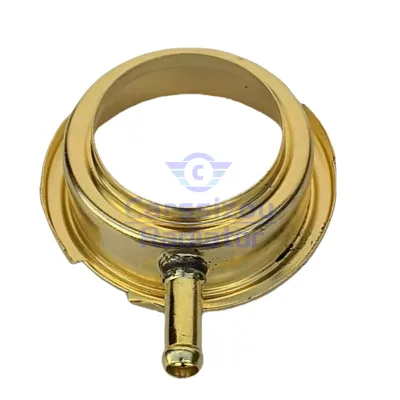
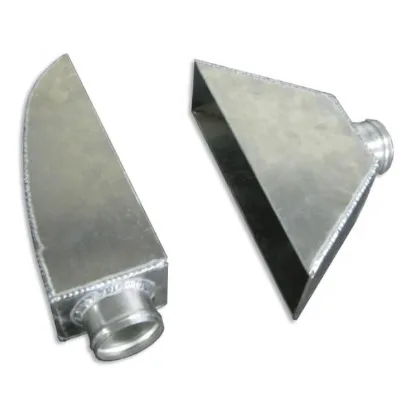


Heavy Duty Plastic Tank Aluminum Core Auto Engine Car Cooling System Radiator
$20.00 - $30.00
MOQ: 100 Pieces


Comprehensive Sourcing Guide
Strategic Sourcing Guide for Aluminum Core Plastic Tanks Radiators
Understanding Core Technical Specifications and Material Composition
When sourcing aluminum core plastic tanks radiators, buyers must first establish a clear understanding of the fundamental construction and material properties that define performance. The core component of these units is typically constructed from aluminum, a material selected for its superior thermal conductivity and lightweight characteristics. In the current market, the body material is frequently identified as aluminum or aluminum alloy, which facilitates efficient heat transfer while maintaining structural integrity under thermal stress. The radiator core itself often utilizes a tube-fin structure, where aluminum tubes carry the cooling fluid and fins increase the surface area for heat dissipation. This configuration is critical for maximizing the cooling capacity, which can range significantly depending on the specific application, with some industrial units capable of handling capacities up to 60kw.
The integration of plastic tanks with the aluminum core is a defining feature of modern radiator design. These tanks are often designed to be sealed or open type, depending on the system requirements. A sealed system is generally preferred for closed-loop applications to prevent contamination and fluid loss, whereas open types may be utilized in specific industrial cooling scenarios. The cooling fluid type is another critical specification; while water is common, some specialized units are designed to handle alcohol-based fluids, particularly in low-temperature environments. The voltage requirements for integrated cooling fans, such as axial fans, are typically standardized at 380V/3p/50Hz for industrial machinery, ensuring compatibility with standard power grids. Furthermore, the fan species are often single-speed, providing a consistent airflow that balances noise levels, which are generally rated as low for these units.
Compliance, Certification, and Standard Verification
Navigating the compliance landscape is essential for ensuring that purchased radiators meet international safety and quality benchmarks. Buyers should verify that suppliers possess recognized certifications, such as ISO and CE, which indicate adherence to European safety standards and quality management systems. Specific automotive industry certifications like TS16949 are also highly relevant for components intended for vehicle applications, ensuring that the manufacturing process meets rigorous automotive quality control standards. It is important to note that certification status varies by supplier and product batch; therefore, buyers must request current certification documents rather than assuming universal compliance.
Product standards and dimensions are equally critical. While some products adhere to specific standard dimensions, many aluminum core plastic tank radiators are offered as customized solutions. The standard packaging dimensions for these units often vary, with some listed as 807060cm, while others are packed in wooden cases or plywooden cases to ensure safe transport. The origin of the products is predominantly China, with specific manufacturing hubs in regions like Shandong. When evaluating compliance, buyers should also check the product standard specifications, which may range from general aluminum plate and bar standards to fully customizable requirements based on the client's engineering drawings. Verifying that the product standard matches the intended application is a vital step in the procurement process to avoid compatibility issues during installation.
Cost Drivers and Pricing Dynamics
The pricing structure for aluminum core plastic tank radiators is influenced by a complex interplay of factors, including material costs, customization levels, and order volume. The observed price range in the market is vast, spanning from $1 to $200,000 USD, reflecting the diversity from small-scale components to large industrial cooling systems. Several key drivers influence where a specific unit falls within this range. The primary cost driver is the extent of customization; units with customized sizes, colors, and materials command higher prices than standard off-the-shelf models. The choice of cooling fluid compatibility, such as specialized alcohol-resistant tanks, can also increase manufacturing costs.
Order volume plays a significant role in determining the final unit price. The Minimum Order Quantity (MOQ) ranges from 1 to 1000 units, allowing for flexibility in procurement strategies. Smaller orders typically incur higher per-unit costs due to setup and production line adjustments, while larger orders benefit from economies of scale. The lead time, which typically ranges from 15 to 45 days or is contract-dependent, also impacts cost; expedited shipping or rush production often incurs additional fees. Additionally, the packaging method, whether a standard carton, wooden case, or wooden pallet, adds to the overall cost. Buyers should carefully evaluate the trade-off between price and the specific performance requirements of their application, ensuring that cost-saving measures do not compromise the radiator's ability to handle the required thermal load.
Typical Applications and Industry Use Cases
Aluminum core plastic tank radiators are versatile components utilized across a wide array of industries, primarily driven by the need for efficient thermal management in machinery. The primary application field identified is machinery, where these radiators are integral to cooling systems in heavy equipment, manufacturing plants, and industrial processing units. The low noise level and high cooling capacity make them suitable for environments where operational silence and efficiency are paramount. In the automotive sector, these radiators are used to maintain optimal engine temperatures, with specific models designed for water-cooled systems.
Beyond general machinery, these units are also applied in cooler systems where precise temperature control is required. The ability to customize the radiator's size and structure allows for integration into various machine designs, from compact units to large-scale industrial installations. The use of aluminum and plastic materials ensures that the radiators are resistant to corrosion and capable of withstanding the harsh conditions often found in industrial settings. Whether the application requires a sealed system for closed-loop cooling or an open type for specific fluid dynamics, the adaptability of these radiators makes them a preferred choice for engineers and procurement specialists. The specific model numbers, such as B12222 or yuda, often correspond to specialized applications, highlighting the importance of matching the correct model to the specific operational requirements.
Supplier Evaluation and Sourcing Strategy
Selecting the right supplier is a critical component of the procurement process for aluminum core plastic tank radiators. Buyers should prioritize suppliers who demonstrate transparency regarding their manufacturing capabilities and quality control measures. Key evaluation criteria include the supplier's location, with a concentration of manufacturers in Shandong, China, and their ability to provide detailed product specifications. The Fob Port of Qingdao is a common shipping origin, indicating the logistical infrastructure available for international trade. Buyers should verify the supplier's capacity for customization, as many products offer available customization for size, color, and material.
When evaluating potential suppliers, it is essential to review their production process. Brazing is a common process used in the manufacturing of these radiators, ensuring a strong and leak-proof bond between the aluminum core and plastic tanks. The condition of the products, typically listed as new, should be confirmed, along with the availability of after-sales support. Buyers should also assess the supplier's flexibility regarding lead times and delivery terms, which can range from 15 to 45 days. The advantage of factory wholesale should be considered, as it often translates to more competitive pricing and direct communication with the manufacturing team. However, buyers must remain vigilant and avoid relying solely on marketing claims, instead requesting concrete evidence of the supplier's capabilities and past performance.
Quality Control and Long-Term Procurement Considerations
Ensuring the long-term reliability of aluminum core plastic tank radiators requires a robust quality control strategy. Buyers should implement rigorous inspection protocols to verify that the received units meet the specified technical parameters. This includes checking the material composition, ensuring the use of high-grade aluminum and durable plastic for the tanks. The structural integrity of the radiator, whether open or sealed type, must be tested to prevent leaks and ensure efficient heat dissipation. The water temperature sensor type, often digital, should be calibrated and tested for accuracy to prevent system failures due to incorrect temperature readings.
Long-term procurement considerations also involve the maintenance and replacement cycle of these components. The availability of spare parts and the ease of replacement are crucial for minimizing downtime in industrial operations. Buyers should negotiate contracts that include provisions for future orders and potential customization needs. The packaging, whether in wooden cases or plywooden cases, should be designed to protect the radiators during transit and storage, preventing damage that could compromise performance. Additionally, buyers should consider the environmental impact of the materials used, ensuring that the aluminum and plastic components are recyclable or disposed of according to local regulations. By focusing on these quality and sustainability aspects, buyers can secure a reliable supply chain that supports their operational efficiency and long-term business goals.
Comparative Analysis of Product Attributes
To facilitate informed decision-making, it is helpful to compare the key attributes of different radiator configurations available in the market. The following table outlines the variations in structure, material, and certification that buyers may encounter.
| Attribute | Option A | Option B | Option C |
|---|---|---|---|
| Structure | Open Type | Sealed Type | Customized |
| Body Material | Aluminium | Aluminum | Customized |
| Radiator Type | Direct-flow | Tube-fin | Air-Cooled |
| Cooling Fluid | Alcohol | Water | Customized |
| Certification | ISO, CE | TS16949 | ISOTSCold Style |
| Packing | Wooden Case | Plywooden Case | Carton or Wooden Case |
| Origin | China | Shandong, China | China |
This comparison highlights the diversity in product offerings. While Option A focuses on open structures and alcohol-based cooling, Option B emphasizes sealed systems and automotive-grade certifications. Option C offers the highest level of customization, allowing buyers to tailor the product to specific needs. Understanding these distinctions is vital for selecting the right radiator for a given application. Buyers should not assume that all products in a category share the same attributes; instead, they must verify the specific characteristics of each unit before making a purchase decision. This approach ensures that the selected radiator aligns perfectly with the technical and operational requirements of the intended application.
FAQs
What certifications are available for aluminum core plastic tanks radiators?
Available certifications include ISO, CE, and TS16949 for quality assurance. Some listings also mention ISOTSCold Style certifications. Buyers should verify specific documents as certification status varies by supplier and product batch.
Can the radiator size and material be customized for specific needs?
Yes, customization is available for size, material, color, and product standards. Dimensions can be tailored to specific engineering drawings, and materials like aluminum are often customizable. This flexibility allows integration into various machine designs.
What is the typical lead time for delivery of these radiators?
The delivery lead time typically ranges from 15 to 45 days or is contract-dependent. Expedited shipping or rush production may incur additional fees. Buyers should confirm exact timelines during the procurement process to avoid delays.
Where are the manufacturers of these radiators located?
Manufacturers are predominantly located in China, with specific hubs in Shandong. The FOB port for shipping is often Qingdao. Buyers should verify the specific origin and logistics capabilities of potential suppliers before placing orders.
How does the cooling capacity vary for industrial units?
Cooling capacity can vary significantly, with some industrial units capable of handling up to 60kw. The capacity depends on the specific model and application requirements. Buyers must match the unit's capacity to their thermal load needs.
What packaging options are used for shipping these radiators?
Packaging options include wooden cases, plywooden cases, cartons, and wooden pallets. The choice depends on the product size and shipping requirements. Proper packaging ensures safe transport and prevents damage during transit.