Source Aluminum Heat Sink Recessed Luminaire for LED, Solar, Industrial
Compare 30 listings for Aluminum Heat Sink Recessed Luminaire from verified Chinese manufacturers. Buyers can evaluate specifications like material, dimensions, and certifications to find reliable thermal solutions for lighting projects.
Key considerations
Products List
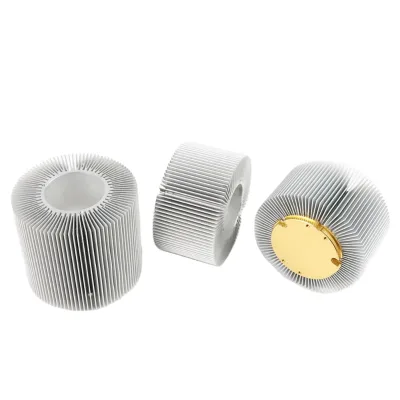


OEM Customized Aluminum Extruded Heat Sink for Commercial LED Lighting
$2900.00 - $3100.00
MOQ: 1 Pieces


Comprehensive Sourcing Guide
Strategic Sourcing Guide for Aluminum Heat Sink Recessed Luminaire Components
Understanding Core Technical Specifications and Material Composition
When sourcing aluminum heat sinks for recessed luminaire applications, the primary objective is to ensure efficient thermal management that extends the lifespan of LED drivers and light-emitting diodes. The material composition is the foundational element of this procurement strategy. Based on available industry data, high-performance heat sinks typically utilize a composite of Aluminum and Copper. Aluminum alloys are favored for their lightweight nature and excellent thermal conductivity-to-weight ratio, while copper is often integrated into specific contact points or base layers to maximize heat transfer from the LED source to the fin structure.
The physical dimensions of the heat sink are critical for recessed installations, where space is often constrained within ceiling cavities. Standard observations indicate that custom models can be engineered to precise dimensions, such as a compact footprint of 9x9x5 cm, though larger units are available to meet higher wattage requirements. The shape of the component is equally significant; while round shapes are common for specific optical designs, square geometries are frequently utilized for recessed downlights to maximize surface area within standard ceiling grid systems. Buyers must verify that the selected model, whether designated as QIAT-0287 or similar custom identifiers, aligns with the thermal load of the specific LED module being used.
The manufacturing process plays a pivotal role in determining the final thermal performance. Advanced machining techniques such as CNC turning, milling, drilling, and brushing are standard for creating the intricate fin structures required for convection cooling. The tolerance levels for these machined parts are often tight, with specifications reaching up to +/-0.005mm, ensuring that the heat sink fits precisely into the luminaire housing without gaps that could compromise thermal contact or structural integrity. Surface treatments are equally vital; options include anodizing, painting, polishing, sandblasting, passivation, and galvanizing. These processes not only enhance corrosion resistance but also influence the emissivity of the surface, which is crucial for radiative heat dissipation in enclosed recessed fixtures.
Compliance, Certification, and Regulatory Standards
Navigating the regulatory landscape is a non-negotiable aspect of sourcing industrial components like heat sinks, particularly for lighting applications that may be installed in commercial or residential buildings. Buyers must verify that suppliers possess valid certifications that align with the target market's requirements. Common certifications observed in the supply chain include CCC (China Compulsory Certification), ISO standards, CE marking, and RoHS compliance. These certifications indicate that the manufacturing facility adheres to specific quality management systems and environmental safety standards regarding hazardous substances.
The CE mark, for instance, is a critical indicator for products entering the European Economic Area, signifying conformity with health, safety, and environmental protection standards. Similarly, RoHS compliance ensures that the heat sink does not contain restricted levels of lead, mercury, cadmium, and other toxic materials. While the presence of these certifications is a strong positive signal, buyers should request current, verifiable documentation rather than relying on general claims. The certification status must be specific to the product model being procured, as a supplier may hold general company certifications that do not automatically apply to every custom batch.
In addition to product-specific certifications, the manufacturing origin and the supplier's adherence to international standards are essential. Products originating from established manufacturing hubs, such as Guangdong, China, often benefit from mature supply chains and rigorous quality control protocols. However, the "Made in China" designation alone is insufficient; buyers must confirm that the specific production line meets the standards required for their region. This includes verifying that the raw materials, such as aluminum alloy and stainless steel, meet international purity and alloy composition standards. The absence of specific test reports or third-party validation for the heat sink's thermal performance should be treated as a red flag, prompting further due diligence before any commitment is made.
Cost Drivers and Pricing Dynamics in the Supply Chain
The pricing of aluminum heat sinks for recessed luminaires is influenced by a complex interplay of factors, including material costs, manufacturing complexity, order volume, and logistics. The observed price range in the market can vary significantly, from low-cost standard items to high-value custom-engineered solutions. This wide variance, potentially spanning from $0.30 to $5,000 USD, reflects the difference between off-the-shelf components and bespoke designs requiring specialized tooling and engineering support.
Material costs are a primary driver, with the price of aluminum and copper fluctuating based on global commodity markets. The use of copper, while offering superior thermal conductivity, adds a premium to the unit cost compared to all-aluminum designs. Furthermore, the complexity of the surface treatment process impacts the final price. Anodizing, painting, and polishing require additional steps, chemicals, and labor, which are factored into the unit price. Buyers should expect that custom finishes, such as specific color requests in silver, white, or black, may incur additional charges compared to standard factory finishes.
Order volume is another critical determinant of cost. The Minimum Order Quantity (MOQ) can range from a single piece to 2,000 units, depending on the supplier's production capabilities and the customization level required. Suppliers often offer tiered pricing structures where the unit cost decreases as the order volume increases. For example, a buyer ordering 100 units may pay a significantly higher price per unit compared to an order of 10,000 units. Additionally, the lead time affects pricing; expedited production schedules or rush orders typically command a premium. Logistics costs, including shipping methods like sea freight, air freight, or express delivery, also contribute to the total landed cost. Buyers must evaluate the trade-off between shipping speed and cost, especially for large, heavy components like heat sinks with a single gross weight of up to 2.5 kg.
Typical Applications and Thermal Performance Requirements
Aluminum heat sinks designed for recessed luminaires serve a specialized function in the lighting industry, where thermal management is paramount for maintaining light output and color stability. These components are primarily used in LED lighting applications where the heat generated by the diodes must be rapidly dissipated to prevent thermal throttling and premature failure. The application extends beyond simple heat dissipation to include structural support for the LED module and integration with the luminaire housing.
The specific design of the heat sink must match the thermal profile of the LED source. High-power LED arrays generate significant heat, necessitating heat sinks with large surface areas and optimized fin geometries to maximize convection. In recessed installations, where airflow may be restricted due to the ceiling cavity, the heat sink design must often rely more heavily on radiation and conduction through the fixture housing. The shape of the heat sink, whether round or square, is chosen to fit the specific optical and mechanical constraints of the luminaire. Round heat sinks are often preferred for spotlights or directional downlights, while square heat sinks are common in linear or panel lighting applications.
Furthermore, the heat sink must be compatible with the electrical and environmental conditions of the installation. In damp or outdoor locations, the heat sink must offer protection against moisture and corrosion, often achieved through specific surface treatments and IP ratings. While specific IP ratings may vary by model, the material selection of aluminum alloy and copper provides a robust base for achieving high levels of environmental protection. The application also includes electronic hardware accessories, where the heat sink acts as a radiator for power electronics within the luminaire driver. Buyers should ensure that the selected heat sink is rated for the specific ambient temperature conditions of the installation site, as extreme temperatures can affect the thermal resistance of the component.
Supplier Evaluation and Manufacturing Capabilities
Selecting the right supplier is a strategic decision that impacts the quality, reliability, and scalability of the procurement process. Buyers should evaluate suppliers based on their manufacturing capacity, technical support capabilities, and flexibility in customization. A supplier with a monthly production capacity of 100,000 pieces demonstrates the ability to handle large-scale orders, which is essential for mass production projects. However, capacity alone is not sufficient; the supplier must also possess the technical expertise to handle custom designs.
Technical support is a key differentiator among suppliers. Many reputable manufacturers offer services such as graphic design, 3D drawing, and engineering consultation to help buyers optimize their heat sink designs for specific applications. This level of support is crucial for custom projects where the heat sink must be tailored to unique thermal and mechanical requirements. The ability to provide free samples is another important factor, allowing buyers to physically inspect the product quality, verify dimensions, and test thermal performance before committing to a large order.
The supplier's location and logistics capabilities also play a significant role in the evaluation process. Suppliers based in manufacturing hubs like Guangdong, China, often have access to a robust network of raw material suppliers and specialized machining facilities. This proximity can reduce lead times and improve supply chain resilience. Buyers should also assess the supplier's packaging standards, which typically include protective measures such as PVC films, poly bags, foam, and wooden cases to prevent damage during transit. The ability to offer various shipping terms, such as FOB, CIF, and CFR, provides flexibility in managing logistics and costs.
Quality Control and Long-Term Procurement Considerations
Ensuring consistent quality is the cornerstone of a successful procurement strategy for aluminum heat sinks. Buyers must implement rigorous quality control measures that cover the entire production process, from raw material inspection to final packaging. The tolerance levels of the machined parts, such as +/-0.005mm, must be strictly maintained to ensure proper fit and thermal contact. Regular audits of the supplier's production line and quality assurance protocols are recommended to verify that these standards are consistently met.
Long-term procurement considerations involve building a sustainable relationship with the supplier. This includes establishing clear communication channels for addressing any quality issues or design changes. The supplier's ability to provide reliable quality and factory outlet status is a strong indicator of their commitment to customer satisfaction. Buyers should also consider the supplier's flexibility in handling changes in order volume or design specifications. The availability of customization, including OEM services according to the client's design, is essential for adapting to evolving product requirements.
Additionally, buyers should plan for the lifecycle of the product. Heat sinks are often designed to last the lifetime of the luminaire, so durability and resistance to environmental factors are critical. The choice of surface treatment, such as anodizing or galvanizing, should be based on the expected service life and environmental conditions of the installation. Finally, buyers should maintain a clear record of all certifications, test results, and quality assurance documentation to ensure compliance with regulatory requirements throughout the product's lifecycle. By focusing on these long-term factors, buyers can secure a reliable supply of high-quality heat sinks that meet their technical and operational needs.
FAQs
What materials are used for aluminum heat sinks?
These heat sinks typically use a composite of Aluminum and Copper. Some models also incorporate Stainless Steel to enhance durability. The specific alloy composition is chosen to balance thermal conductivity with structural strength for recessed luminaire applications.
Can I get custom dimensions for these heat sinks?
Yes, customization is available for size and shape. The standard model measures 9x9x5 cm, but other sizes like square or round shapes can be engineered. Buyers can request specific designs to fit unique luminaire housing constraints.
Which certifications do these products hold?
Products often carry CCC, ISO, CE, and RoHS certifications. These marks indicate compliance with safety and environmental standards for hazardous substances. Buyers should verify that the specific batch holds valid documentation for their target market.
How long does delivery take for custom orders?
The standard delivery time ranges from 15 to 35 days. Sample lead times are shorter, typically taking 3 to 5 working days. Actual timing depends on order volume and the complexity of the requested customization or surface treatment.
What surface treatments are available for these units?
Available finishes include anodizing, painting, polishing, sandblasting, and galvanizing. Surface colors can be selected in silver, white, or black. These treatments improve corrosion resistance and influence the emissivity required for effective heat dissipation in enclosed fixtures.
What is the minimum order quantity for these items?
The minimum order quantity can be as low as 1 piece. However, bulk orders up to 2000 units are common for standard pricing tiers. The specific MOQ depends on the supplier's production capabilities and the level of customization required.
Where are these heat sinks manufactured?
These products originate from Guangdong, China. The manufacturing hub offers mature supply chains and rigorous quality control protocols. Buyers should confirm that the specific production line meets international standards for their region.
How is the product packaged for shipping?
Items are packed using PVC protective film, poly bags, foam, and wooden cases. This multi-layer packaging ensures protection during transit. The single gross weight is approximately 2.5 kg, which influences shipping method selection.