Source Aluminum Fuel Oil Truck for Transport, Storage, and Refueling
Compare 30 Aluminum Fuel Oil Truck listings with varying capacities from 50T to 80T and customization options. Buyers can review specifications for new and used units including air suspension, Wabco brakes, and tank volumes up to 60000 L.
Key considerations
Products List


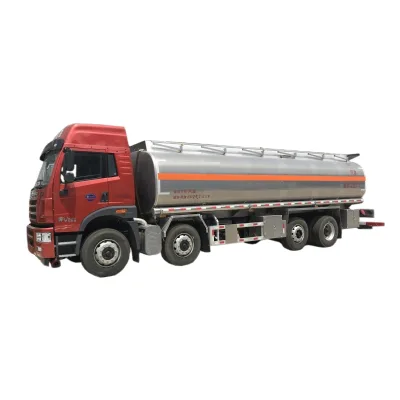
42000L Aluminum Alloy Heavy Duty Oil Fuel Tank Truck for Gasoline Diesel
$8000.00 - $14500.00
MOQ: 1 Pieces


Three Axles 42000liters Oil Fuel Petrol Semi Truck Aluminum Tank Trailer
$25000.00 - $35000.00
MOQ: 1 Pieces

Three Axles Fuel Aluminum Tanker Truck Semi Trailer Liquid Tank Trailer
$25000.00 - $35000.00
MOQ: 1 Pieces






Comprehensive Sourcing Guide
Strategic Sourcing Guide for Aluminum Fuel Oil Truck Trailers
The procurement of Aluminum Fuel Oil Truck trailers represents a specialized segment within the heavy-duty transport equipment market, driven by the critical need for fuel efficiency, corrosion resistance, and payload optimization. For buyers navigating this sector, the distinction between new and used inventory, material composition, and regulatory compliance forms the bedrock of a successful sourcing strategy. The following guide synthesizes available market data to provide a structured approach for evaluating potential suppliers and specifications, ensuring that procurement decisions are grounded in verified attributes rather than unconfirmed marketing claims.
Technical Specifications and Material Analysis
The primary differentiator in the Aluminum Fuel Oil Truck market is the material composition, which directly influences the vehicle's operational lifespan and fuel economy. Aluminum is preferred for its high strength-to-weight ratio, allowing for increased payload capacity compared to steel counterparts. In the current market inventory, aluminum models are explicitly categorized as "Heavy Duty" grade, distinguishing them from medium-duty steel variants. The structural integrity of these units is often defined by specific body thicknesses; observed data indicates a standard body thickness of 6mm for certain configurations, a critical parameter for withstanding the pressure and vibration associated with liquid transport.
Dimensional specifications vary significantly based on the intended application and regulatory environment. The standard footprint for these trailers often adheres to dimensions such as 11900mm in length, 2500mm in width, and 3500mm in height. However, buyers must verify these figures against local road regulations, as some models may present different standard dimensions, such as 11500x2500x3900mm. The wheelbase is another crucial technical variable, with observed ranges spanning from 7000mm to 8000mm for certain configurations and extending to 9000mm-10000mm for others. This variance impacts the turning radius and stability of the trailer during transit.
Tire specifications are equally vital for load distribution and safety. The market data points to the use of 12r22.5 tires as a standard configuration. Furthermore, the tread width varies, with observed values including 1820mm for specific aluminum models, contrasting with wider treads found in other heavy-duty variants. The suspension system is a key component of ride quality and cargo protection; while some units utilize air suspension, others in the aluminum category are equipped with trailing arm type or mechanical suspension systems. Buyers must confirm the specific suspension type required for their route conditions, as air suspension offers superior load leveling, whereas mechanical systems may offer lower maintenance costs in rugged environments.
Compliance and Certification Verification
Navigating the regulatory landscape is perhaps the most complex aspect of sourcing international transport equipment. Certifications serve as the primary evidence of a manufacturer's adherence to safety and quality standards. The observed market data highlights a diverse array of certifications, including ISO/TS, ISOCE, GCC, ECE, and DOT. It is imperative for buyers to understand that not every listed product satisfies every certification. For instance, while some inventory lists ISO/TSCCC and DOT, others may only hold ISOCE and GCC approvals.
The presence of these certifications must be verified against the specific destination market. The ECE (Economic Commission for Europe) and GCC (Gulf Cooperation Council) standards are particularly relevant for international trade routes, ensuring the vehicle meets specific safety and environmental requirements in those regions. DOT certification is essential for operations within the United States. Buyers should not assume that a "Heavy Duty" aluminum trailer automatically possesses all listed certifications; instead, they must request specific documentation for the exact model number, such as RY-YS or RY-NT, to confirm compliance.
Safety features are also integral to compliance. The braking system is a focal point of regulatory scrutiny. While some aluminum models are equipped with Wabco brake systems and ABS Anti-lock Braking Systems, others in the inventory are listed as having "No ABS Anti-lock Braking System." This discrepancy underscores the necessity of a detailed specification review. Additionally, safety equipment such as fire extinguishers is mandated, with observed configurations including 2 units per trailer. The landing gear, which supports the trailer when detached from the tractor, is another critical component, with observed capacities ranging up to 28 tons. Verifying that the landing gear meets the specific load requirements of the intended operation is essential for preventing structural failures during coupling and uncoupling.
Cost Drivers and Pricing Dynamics
The pricing of Aluminum Fuel Oil Truck trailers is influenced by a complex matrix of factors, including material costs, customization levels, and the condition of the unit. The observed price range in the market is exceptionally broad, spanning from $10 to $41,000 USD. This variance is not indicative of a single product line but rather reflects the spectrum from used components to fully customized new heavy-duty units. The "Used" condition category, often associated with steel medium-duty models, likely occupies the lower end of this spectrum, while new aluminum heavy-duty units command premium pricing.
Material costs play a significant role in the final price. Aluminum is inherently more expensive than steel, and the "Heavy Duty" grade of aluminum used in these trailers adds to the cost. Customization is a major cost driver; the market data confirms that customization is available for these units. Options such as tank specifications, which are noted as customizable, can significantly alter the price. Furthermore, the choice of suspension system—air versus mechanical—impacts the cost, as does the inclusion of advanced safety features like ABS and Wabco braking systems.
Minimum Order Quantity (MOQ) is another financial consideration. The observed MOQ range is 1 to 100 units. Buyers seeking a single unit for immediate deployment will find suppliers willing to accommodate this, while those looking to equip a fleet may negotiate better terms within the higher MOQ brackets. The packaging method also influences logistics costs; options range from "Nude Package" to "Spray Wax and by Frame Container," or transport via RO-RO ships and bulk cargo. These logistical choices add layers of cost that must be factored into the total landed cost calculation.
Typical Applications and Operational Scenarios
Aluminum Fuel Oil Truck trailers are designed for specific operational scenarios where payload efficiency and corrosion resistance are paramount. The "Heavy Duty" classification suggests these units are intended for long-haul transportation of liquid fuels, chemicals, or other bulk liquids where the weight of the trailer itself must be minimized to maximize cargo volume. The large volume capacity, with observed figures reaching 60,000 liters, makes these trailers suitable for high-volume distribution networks.
The shape of the trailer also dictates its application. While some models are flatbeds, the aluminum fuel oil variants are typically tankers designed for liquid transport. The "Self-dumping" attribute varies, with some models being self-dumping and others not. For fuel transport, non-self-dumping configurations are common, as the liquid is typically pumped out rather than gravity-dumped. The condition of the unit—whether new or used—also influences its application. New units are preferred for long-term contracts where reliability and warranty coverage are critical, while used units might be suitable for short-term projects or budget-constrained operations where immediate deployment is necessary.
The origin of the product, observed as China, indicates a specific supply chain dynamic. Buyers must consider the logistics of importing from this region, including lead times and shipping methods. The standard packing methods, such as spray wax for corrosion protection during transit, are designed to ensure the aluminum body arrives in optimal condition, ready for immediate service.
Supplier Evaluation and Quality Assurance
Evaluating suppliers for Aluminum Fuel Oil Truck trailers requires a rigorous approach to quality assurance. The diversity of specifications in the market, from different model numbers like YR-YZ and RY-YS to varying suspension types, necessitates a detailed due diligence process. Buyers should verify the manufacturer's ability to produce the specific configuration required, rather than relying on general product descriptions.
Quality control should focus on the welding integrity of the aluminum body, the precision of the tank specifications, and the reliability of the braking and suspension systems. The presence of certifications like ISO and ECE is a positive indicator, but it should be supplemented with requests for test results and quality assurance protocols. Buyers should inquire about the specific manufacturing standards used, such as the observed standard dimensions, to ensure the product meets their operational needs.
The "Customization" attribute is a key differentiator for suppliers. A supplier's ability to tailor the tank specifications, wheelbase, and suspension system to the buyer's specific requirements is a strong indicator of technical capability. Buyers should assess the supplier's responsiveness to customization requests and their track record in delivering complex, tailored solutions. Additionally, the packaging method, whether by container or bulk cargo, reflects the supplier's attention to detail in protecting the product during transit.
Long-Term Procurement Considerations
Long-term procurement of Aluminum Fuel Oil Truck trailers involves more than just the initial purchase price; it requires a holistic view of the total cost of ownership. The durability of the aluminum material is a significant factor, as it resists corrosion better than steel, potentially reducing maintenance costs over the life of the vehicle. However, the initial investment is higher, and buyers must weigh this against the expected operational lifespan.
Maintenance and repair capabilities are also critical. The availability of spare parts, such as the 2 pieces of spare wheels and the 6 units of T30/30 spring brake chambers observed in some models, should be verified. A supplier with a robust supply chain for spare parts ensures minimal downtime for the fleet. The condition of the unit, whether new or used, also impacts long-term costs. New units typically come with warranties that cover major components, while used units may require immediate maintenance and have a shorter remaining lifespan.
Finally, the regulatory environment is subject to change. Buyers should consider the potential for future regulatory updates regarding safety features like ABS and emission standards. Selecting a supplier that offers customization and adheres to international standards like ECE and DOT ensures that the fleet remains compliant with evolving regulations, protecting the buyer from costly retrofits or operational restrictions. The ability to adapt to these changes is a key indicator of a supplier's long-term viability and value proposition.
FAQs
What certifications do Aluminum Fuel Oil Truck trailers have?
These trailers typically hold ISOCE, GCC, and ECE certifications. Some models also include ISO/TS, DOT, or ISO/TSCCC approvals. Buyers must verify specific documentation for each model number to confirm compliance with their destination market requirements.
How does the material grade affect the trailer capacity?
Aluminum trailers are classified as Heavy Duty, offering higher payload efficiency than medium-duty steel variants. Observed load capacities range from 50 tons for steel models up to 80 tons for specific aluminum configurations, optimizing fuel economy and cargo volume.
Can I customize the tank specifications and dimensions?
Yes, customization is available for tank specifications, wheelbase, and suspension systems. Standard dimensions include 11900x2500x3500mm or 11500x2500x3900mm, while wheelbases vary between 7000-8000mm and 9000-10000mm based on the specific model configuration.
Which suspension systems are available for these trailers?
Available suspension types include Air Suspension, Trailing Arm Type, and Mechanical Suspension. Air suspension offers superior load leveling, while mechanical systems may provide lower maintenance costs in rugged environments, depending on the specific route conditions.
What is the price range for new and used units?
The observed price range spans from 10 to 41000 USD, reflecting differences between used and new inventory. New heavy-duty aluminum units command premium pricing, while used medium-duty steel models occupy the lower end of the spectrum.
How are these trailers packaged for international shipping?
Packaging options include Nude Package, Spray Wax with Frame Container, or transport via RO-RO ships and Bulk Cargo. The method chosen impacts logistics costs and ensures the aluminum body arrives in optimal condition for immediate service.