Source Aluminum Perfume Atomizer for Cosmetics, Personal Care, and Travel
Compare 30 Aluminum Perfume Atomizer options from verified Chinese manufacturers. Buyers can evaluate features like recyclable materials, injection molding techniques, and various spray head types to find the right solution for cosmetics and personal care products; compare the available evidence and request quotations based on your requirements.
Key considerations
Products List


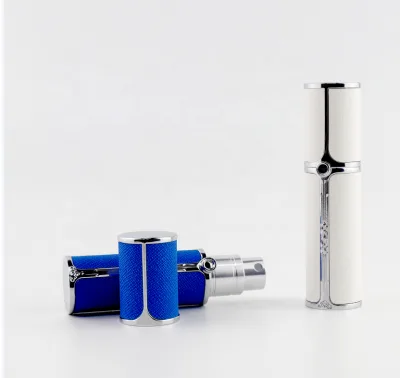
Elegant Atomizer Perfume Atomizer Twist Aluminum Perfume Atomizer Bottle
$0.30 - $0.50
MOQ: 5000 Pieces


5ml Mini Perfume Atomizer Travel Sized Aluminum Perfume Atomizer Spray Bottle
$0.10 - $0.39
MOQ: 100 Pieces



Comprehensive Sourcing Guide
Aluminum Perfume Atomizer Sourcing Guide
Sourcing aluminum perfume atomizers requires a nuanced understanding of material properties, manufacturing processes, and supply chain logistics. These components are critical for premium fragrance packaging, offering durability and aesthetic appeal that plastic alternatives often lack. Buyers must navigate a market where customization is prevalent, with options ranging from surface finishes to specific spray mechanisms. The primary challenge lies in verifying that the selected supplier can consistently deliver high-quality aluminum parts that meet strict cosmetic industry standards while maintaining competitive pricing and reliable delivery schedules.
This guide provides a structured approach to evaluating potential suppliers and products. It focuses on key technical specifications, compliance requirements, and commercial terms that directly impact procurement success. By understanding the interplay between material selection, production techniques, and logistical factors, buyers can make informed decisions that align with their brand’s quality expectations and budget constraints. The following sections detail the essential considerations for sourcing aluminum perfume atomizers effectively, ensuring that every aspect of the procurement process is managed with precision and care.
Product Scope and Observed Listing Signals
The observed product landscape includes a variety of atomizer models, such as K801-1, FMC-10, PA, and FMC-5R, indicating a diverse range of design options available in the market. These models often feature different spray heads made from plastic or aluminum, allowing for tailored performance and aesthetic choices. The presence of multiple model numbers suggests that suppliers offer modular solutions, enabling buyers to mix and match components to achieve specific functional or visual outcomes. This variety supports the need for precise specification matching during the sourcing process.
Surface finishes are a significant differentiator, with options including shiny and matte treatments that enhance the visual appeal of the packaging. Colors can be customized to match brand identities, with "any colour" and "as requested" options widely available. Additionally, the inclusion of recyclable attributes aligns with growing sustainability trends in the cosmetics industry. Buyers should prioritize suppliers who can demonstrate consistent quality in these aesthetic customizations, as they directly influence consumer perception and brand value.
Technical Specifications to Verify
Material composition is a critical factor, with aluminum being the primary material for the atomizer body, ensuring durability and a premium feel. The use of injection molding techniques for certain components, such as plastic parts, highlights the importance of verifying manufacturing processes. Buyers must confirm that the aluminum parts are properly treated to prevent corrosion and maintain finish integrity over time. Additionally, the sealing type, often a pump sprayer, must be tested for consistency and leak-proof performance to ensure product safety and user satisfaction.
Size and capacity specifications vary, with common volumes including 5ml, 8ml, 10ml, 15ml, and 20ml options. The standard sizes of 15mm, 18mm, and 20mm likely refer to neck finishes or overall dimensions, which must be compatible with the intended bottle designs. Buyers should verify these dimensions against their existing packaging infrastructure to avoid integration issues. Furthermore, the installation type, typically an external thread connection, must be checked for thread pitch and depth to ensure secure attachment and proper functionality.
Compliance and Safety Documentation
Certification status is a key indicator of supplier reliability, with ISO certification being a common requirement for cosmetic packaging components. Buyers should request proof of ISO compliance to ensure that the supplier adheres to recognized quality management standards. Additionally, standards such as SGS may be relevant for material safety and chemical compatibility testing. Verifying these certifications helps mitigate risks associated with product recalls or regulatory non-compliance, ensuring that the atomizers meet international safety benchmarks.
Documentation should also include material safety data sheets (MSDS) and compliance with relevant cosmetic regulations, such as ISO 22716 for good manufacturing practices. Buyers must ensure that the aluminum and any associated plastics are free from harmful substances and are suitable for contact with perfume formulations. Requesting test reports for chemical resistance and migration can provide additional assurance that the packaging will not interact negatively with the fragrance contents, preserving product integrity and consumer safety.
Cost Drivers and Commercial Terms
Pricing for aluminum perfume atomizers is influenced by material costs, customization levels, and order volumes. The observed price range of 0-4.15 USD suggests variability based on specifications and quantity, with higher customization typically commanding a premium. Buyers should analyze the cost structure to understand how factors like surface finishing, color matching, and spray mechanism complexity impact the final price. Transparent pricing models help in budgeting and negotiating favorable terms with suppliers.
Minimum order quantities (MOQs) typically range from 100 to 30,000 pieces, with some suppliers requiring MOQs of 10,000 pieces. These thresholds affect inventory management and cash flow, so buyers must align their order sizes with production schedules and storage capabilities. Delivery terms, such as EXW, FOB, CIF, and DDP, also play a crucial role in total landed cost. Understanding these commercial terms allows buyers to accurately calculate expenses and select the most cost-effective logistics strategy for their operations.
Supplier Qualification and Quality Control
Supplier qualification involves assessing manufacturing capabilities, quality control processes, and past performance. Buyers should verify that suppliers have experience in producing aluminum cosmetic packaging and can demonstrate consistent quality through sample approvals. The acceptance of samples, including free samples in some cases, provides an opportunity to evaluate product quality before committing to large orders. This step is essential for identifying potential issues with fit, finish, or functionality early in the sourcing process.
Quality control measures should include rigorous testing of spray mechanisms, seal integrity, and material durability. Buyers should inquire about the supplier’s inspection protocols and defect rates to gauge their commitment to quality. Additionally, verifying the supplier’s ability to handle OEM requests ensures that they can meet specific branding and design requirements. Establishing a strong relationship with a qualified supplier helps maintain product consistency and reduces the risk of supply chain disruptions.
Long-Term Procurement Checks
Long-term procurement success depends on continuous monitoring of supplier performance and market trends. Buyers should regularly review supplier delivery times, which typically range from 20-30 days, to ensure they align with production schedules. Consistent on-time delivery is crucial for maintaining inventory levels and meeting customer demand. Establishing clear communication channels and performance metrics helps in managing supplier relationships and addressing any issues promptly.
Sustainability and innovation are also key considerations for long-term sourcing strategies. Buyers should stay informed about new materials, finishes, and technologies that can enhance product appeal and compliance. Regularly updating specifications and requirements ensures that the sourcing strategy remains aligned with market demands and regulatory changes. By maintaining a proactive approach to supplier management and product development, buyers can secure a competitive advantage and drive business growth.
FAQs
What materials are used for aluminum perfume atomizers?
The primary material is aluminum, often combined with plastic components for the spray head. Some variants use PP plastic for specific parts. This ensures durability while maintaining a lightweight profile suitable for portable perfume applications.
Which certifications do these atomizers typically hold?
Many products carry ISO certification to ensure quality management standards. Some listings also reference SGS standards or specific product standards like 15mm, 18mm, and 20mm dimensions. These certifications verify compliance with industry safety and quality requirements.
Can I request custom colors for these sprayers?
Yes, customization is available with options for any color or specific requests. Manufacturers accept OEM orders to match brand requirements. This flexibility allows buyers to tailor the appearance of the atomizer to their specific cosmetic or perfume packaging needs.
What is the minimum order quantity for these items?
The minimum order quantity typically starts at 10,000 pieces for standard orders. However, observed ranges can vary from 100 to 30,000 depending on the specific supplier and product model. Buyers should confirm exact MOQs with the vendor before proceeding.
How long does delivery take from China?
Delivery times generally range from 20 to 30 days after order confirmation. Products often ship from locations like Shanghai, Ningbo, or Jiangsu. This lead time accounts for production and logistics to ensure safe export packing arrives at the destination.
What types of spray heads are available?
Spray heads are available in both plastic and aluminum constructions. The mechanism is typically a screw sprayer with an external thread connection. These designs support full cone spraying shapes suitable for perfumes and various cosmetic liquid applications.
Are samples available for testing before bulk orders?
Samples are accepted and can sometimes be provided free of charge. This allows buyers to verify quality, size, and functionality before committing to large volumes. Testing ensures the atomizer meets specific requirements for liquid containment and spray performance.