Source Aluminum Oxide Abrasive Grinding Belts for Furniture, Wood, Metal
Compare 30 listings of Aluminum Oxide Abrasive Grinding Belts from verified suppliers. Buyers can evaluate grit sizes, substrate types, and customization options for furniture, wood, and metal applications. Detailed specifications include resin adhesive strength, cloth backing, and various grit ranges suitable for different grinding needs.
Key considerations
Products List


Effective Performance Aluminum Oxide Abrasive Cloth Belt for Narrow Belt
$1.70
MOQ: 1000 Square Meters
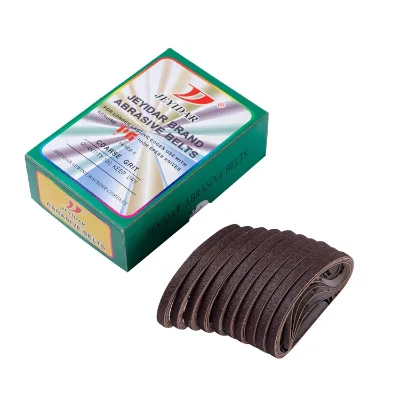


Abrasive Sand/Sanding Belt with Aluminum Oxide Silicon Carbide 3 Inch Wide
$0.31 - $5.25
MOQ: 5000 Pieces


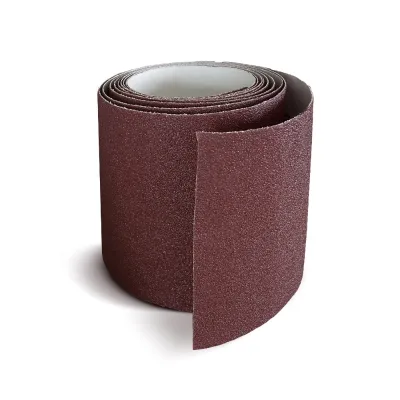


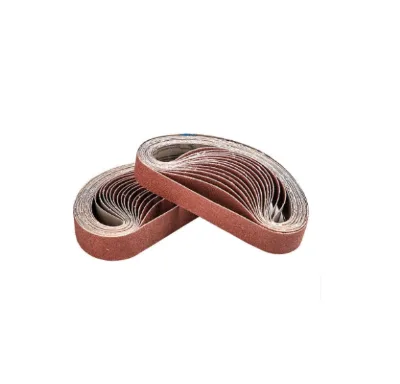
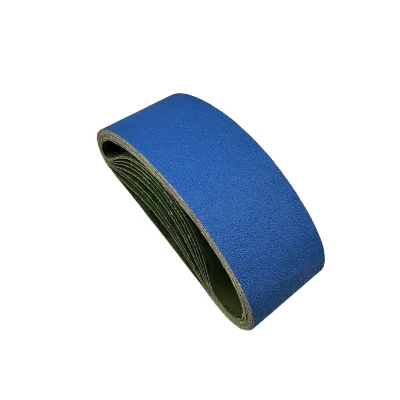

$10.00 - $30.00
MOQ: 10000 Rolls
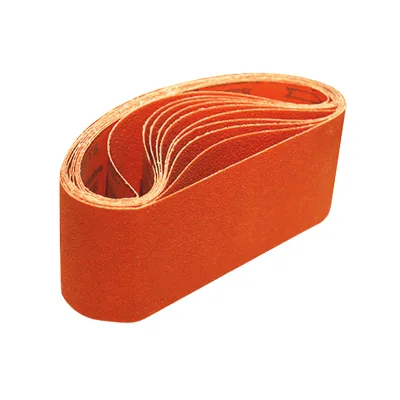

Abrasives Nylon Sanding Belt Non-Woven Grinding Belt for Abrasive Tool
$1.00 - $15.00
MOQ: 500 Square Meters

Comprehensive Sourcing Guide
Aluminum Oxide Abrasive Grinding Belts Sourcing Guide
Sourcing Aluminum Oxide Abrasive Grinding Belts requires a disciplined approach to material selection and supplier verification. These belts are essential for industrial finishing, offering durability and consistent cutting performance across various substrates. Buyers must navigate a market with diverse specifications, from grit sizes to backing materials, to ensure the selected product matches their specific operational needs. The following guide outlines the critical factors for effective procurement, focusing on technical alignment, compliance, and commercial viability.
Product Scope and Observed Listing Signals
The market for aluminum oxide abrasive belts presents a wide range of options, with observed price points varying significantly based on grit, size, and quantity. Listings indicate a broad spectrum of available products, including specific models like GXK51 and TJ135, which cater to different industrial requirements. Buyers should note that while some products are marketed with specific brand names, many are available under generic or OEM designations, allowing for greater flexibility in branding and supply chain management.
Observed minimum order quantities (MOQs) range from small batches of one piece to large industrial orders of ten thousand units, reflecting the diverse needs of both small workshops and large manufacturing facilities. Packaging methods also vary, with some suppliers offering individual waterproof polywoven bags for single rolls, while others provide standard carton packaging for bulk shipments. This variability necessitates clear communication regarding logistics and storage requirements to prevent damage during transit and ensure product integrity upon arrival.
Technical Specifications to Verify
Verifying the abrasive grain and backing material is crucial for ensuring optimal performance. Aluminum oxide is a common choice due to its hardness and durability, but buyers must confirm the specific grit size, such as 100# or multi-grit options like 80/120/240/320/600, to match the desired finish quality. The backing material, often cloth or resin-bonded fabric, influences the belt's flexibility and heat resistance. It is essential to verify whether the belt is designed for dry or wet grinding, as this affects the adhesive strength and overall lifespan of the abrasive product.
Dimensions and thickness are critical technical parameters that must align with existing machinery. Standard sizes like 13x458mm or 220x6mm are commonly available, but custom dimensions may be required for specialized equipment. Buyers should also check the thickness, typically around 1 mm, to ensure compatibility with their grinding machines. Additionally, the structure of the belt, whether it includes connectors or is continuous, impacts installation ease and operational efficiency. Confirming these details prevents costly downtime and ensures seamless integration into the production line.
Compliance and Safety Documentation
Safety and regulatory compliance are paramount when sourcing abrasive materials. Buyers should request documentation that verifies adherence to recognized standards, such as SGS, CE, or ISO certifications, which indicate that the product has undergone rigorous testing for quality and safety. These certifications provide assurance that the abrasive belts meet international benchmarks for performance and environmental impact, reducing liability risks for the purchasing organization. It is important to verify the current validity of these certificates, as standards can evolve over time.
In addition to product certifications, buyers must ensure that the supplier provides appropriate safety data sheets (SDS) for the materials used in the belts. This includes information on the resin binders and adhesive agents, which may contain chemicals requiring specific handling procedures. Proper documentation helps in maintaining a safe working environment and ensures compliance with local occupational health and safety regulations. Buyers should also inquire about the supplier's quality management systems, such as ISO 9001, to gauge their commitment to consistent product quality and process control.
Cost Drivers and Commercial Terms
Several factors influence the final cost of Aluminum Oxide Abrasive Grinding Belts, including the grade of aluminum oxide, grit size, and backing material quality. Higher grit numbers and specialized backing materials typically command higher prices due to increased manufacturing complexity and material costs. Buyers should also consider the impact of order volume on pricing, as larger quantities often result in significant discounts. Understanding these cost drivers allows for more accurate budgeting and negotiation strategies when engaging with suppliers.
Commercial terms, such as payment methods, shipping arrangements, and return policies, play a crucial role in the overall procurement process. Buyers should clarify the MOQ requirements, which can range from 100 boxes to larger industrial quantities, and ensure that these align with their inventory management strategies. Additionally, it is important to discuss lead times and shipping options to avoid production delays. Clear communication regarding these terms helps in establishing a transparent and efficient supply chain, minimizing unexpected costs and logistical challenges.
Supplier Qualification and Quality Control
Evaluating supplier qualifications is essential for ensuring a reliable supply of high-quality abrasive belts. Buyers should assess the supplier's manufacturing capabilities, including their production capacity and quality control processes. Suppliers located in industrial hubs like Xuchang City or Guangdong Province in China often have established infrastructure and expertise in abrasive manufacturing. Verifying the supplier's history and reputation through customer reviews or industry references can provide additional confidence in their reliability and product consistency.
Quality control measures should be clearly defined and agreed upon before placing orders. Buyers should request samples for testing to verify the abrasive grain distribution, adhesive strength, and overall durability of the belts. Establishing clear acceptance criteria and inspection protocols helps in maintaining consistent product quality. Additionally, buyers should inquire about the supplier's ability to handle custom orders, including OEM and ODM services, to meet specific operational requirements. A robust quality control framework ensures that the purchased abrasive belts meet the expected performance standards.
Long-Term Procurement Checks
Establishing long-term relationships with suppliers requires ongoing monitoring and evaluation of performance metrics. Buyers should regularly review key performance indicators such as delivery times, product quality, and responsiveness to issues. Consistent performance in these areas indicates a reliable supplier capable of supporting long-term procurement needs. Regular audits or site visits, if feasible, can provide deeper insights into the supplier's operations and help identify potential areas for improvement or risk mitigation.
Continuous improvement and adaptation to market changes are also critical for long-term success. Buyers should stay informed about advancements in abrasive technology and material science, which may offer new opportunities for cost savings or performance enhancements. Maintaining open communication with suppliers allows for collaborative problem-solving and innovation. By proactively managing supplier relationships and staying updated on industry trends, buyers can ensure a stable and efficient supply chain for their Aluminum Oxide Abrasive Grinding Belts.
FAQs
What materials are used for these abrasive belts?
The belts are made from aluminum oxide or alumina abrasive grains bonded with resin adhesive. They feature a cloth matrix structure and are designed for furniture applications. Some variants use natural abrasives while others specify medium grain sizes for optimal performance.
Can I get custom sizes for these grinding belts?
Customization is available for these abrasive belts to meet specific needs. Buyers can request different dimensions or packaging options like waterproof polywoven bags. The standard sizes include 220 by 6mm or 13 by 458mm depending on the specific model selected for your project.
Which certifications do these abrasive belts hold?
These products hold SGS certification and some variants meet CE and ISO standards. The manufacturing origin is in China, specifically Xuchang City or Guangdong Province. Buyers should verify specific model numbers like GXK51 or TJ135 to confirm the exact certification status for their order.
How is the adhesive strength of these belts?
The adhesive strength is classified as hard to ensure durability during grinding. A resin binder is used to secure the abrasive grains to the cloth base. This construction supports effective performance in furniture applications while maintaining structural integrity under pressure.
What is the minimum order quantity for these belts?
The minimum order quantity varies by supplier but can be as low as one piece or up to 100 boxes. Some listings specify a requirement of 1000 square meters for certain models. Buyers should check the specific product page for the exact MOQ applicable to their chosen model.
How are these abrasive belts packaged for shipping?
Packaging options include standard shipping packaging or customized solutions like carton boxes. Each roll may be packed in a waterproof polywoven bag to protect the product. Some packages contain ten pieces per box with a single gross weight of 0.300 kg for easy handling.