Source Aluminum Pergola with Zip Screen and LED Lights for patio, garden, and commercial use
Compare 27 Aluminum Pergola with Zip Screen and LED Lights options featuring motorized operation, waterproof ratings, and customizable sizes. Buyers can evaluate frame materials, wind resistance, and optional accessories like rain sensors for outdoor and commercial applications.
Key considerations
Products List


Modern Aluminum Bioclimatic Pergola with Integrated LED Lighting and Louvered Roof
$199.00 - $215.00
MOQ: 6 Square Meters


Modern Aluminium Pergola with Adjustable Louvered and Integrated LED Light System
$85.00 - $280.00
MOQ: 12 Square Meters

Outdoor Aluminium Pergola with Adjustable Louvered Roof and Optional Side Zip Screens
$85.00 - $280.00
MOQ: 12 Square Meters

Elegant Aluminum Pergola with Waterproof Design and LED Lighting
$180.00 - $215.00
MOQ: 12 Square Meters


Modern Aluminium Pergola with Adjustable Roof and LED Lighting
$180.00 - $215.00
MOQ: 24 Square Meters

Elegant Aluminum Pergola with Integrated LED Lighting for Outdoor Dining
$190.00 - $235.00
MOQ: 24 Square Meters


$170.00 - $180.00
MOQ: 2 Square Meters

Durable Outdoor Commercial Shade Aluminum Frame Structure Pergola with LED Light
$80.00 - $275.00
MOQ: 4 Square Meters

Waterproof Outdoor Garden Pergola with Bioclimatic Aluminum Roof and LED Lights
$80.00 - $160.00
MOQ: 9 Square Meters

Luxury Aluminium Pergola Featuring Zip Screens for Balcony Privacy
$80.00 - $160.00
MOQ: 9 Square Meters

Aluminum Garden Pergola with Motorized Roof and LED Lighting System
$250.00 - $280.00
MOQ: 2 Square Meters
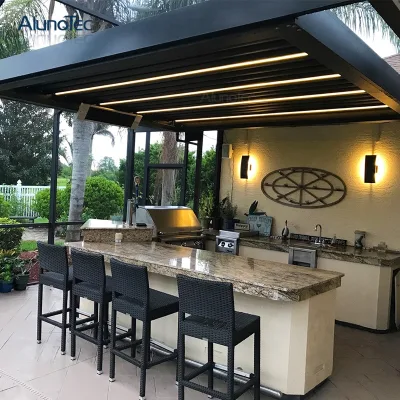
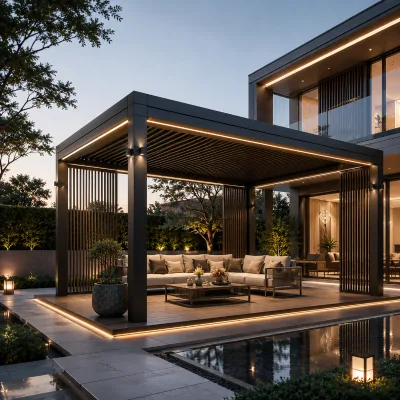
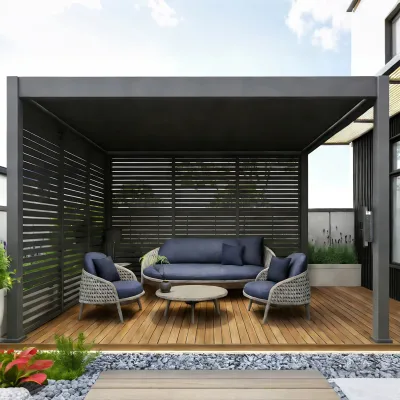
Comprehensive Sourcing Guide
Strategic Sourcing Guide for Aluminum Pergolas with Zip Screens and LED Integration
Understanding the Core Product Architecture and Material Specifications
When sourcing an aluminum pergola equipped with zip screens and integrated LED lighting, the buyer must first establish a clear understanding of the structural and material baseline. The primary structural component is the frame, which is predominantly constructed from aluminum alloy. In the current market, specific grades such as 6063 T5/T6 and 6005-T5 are frequently observed. These alloys are selected for their balance of strength-to-weight ratio and corrosion resistance, essential for outdoor durability. The thickness of the aluminum profile is a critical variable; observed specifications range from 2mm to 3mm, with some suppliers offering customized thickness options to meet specific load-bearing requirements.
The frame finishing process is equally vital for longevity. Powder coating is the standard treatment observed, providing a robust barrier against environmental degradation. This coating is available in a variety of colors, including white, black, brown, and grey, with many manufacturers offering fully customized color matching to align with architectural aesthetics. The structural design of the pergola itself varies, with quad and octagon shapes being the most common configurations. These shapes influence the load distribution and the visual footprint of the installation.
The integration of zip screens and LED lighting transforms a standard pergola into a functional outdoor living space. The zip screen mechanism typically involves a motorized operation system, often controlled via remote control or a wall panel. This automation allows for precise adjustment of the screen tension and position. The LED lighting is listed as an optional item, suggesting that it is an add-on feature rather than a standard inclusion on all units. Buyers should verify the specific wiring and control integration methods, as the complexity of these systems can vary significantly between suppliers. The cover material for the pergola roof is often PVC coated, offering a balance of flexibility and weather resistance.
Technical Performance Metrics and Environmental Resilience
The performance of an aluminum pergola with zip screens and LED lights is defined by its ability to withstand harsh environmental conditions. A primary concern for outdoor structures is wind resistance. Observed data indicates that certain models are rated to withstand wind speeds between 180 and 220 kilometers per hour. This high rating suggests a robust engineering design capable of withstanding severe storm conditions, though buyers must verify that the specific model selected matches the local wind zone requirements of their installation site.
Waterproofing is another critical technical specification. The systems are designed to be fully waterproof, with some units boasting an IP67 rating for their electrical components, including the LED lights and motor systems. This rating implies protection against temporary immersion in water, ensuring that the electrical systems remain functional even during heavy rainfall. The zip screens themselves serve a dual purpose: they provide sunshade and contribute to the overall waterproof integrity of the structure. The functional scope extends beyond simple shade, offering protection against rain and sun, making the pergola suitable for use in various weather conditions.
Snow loading capacity is a less frequently discussed but equally important metric. Specifications observed in the market indicate a snow loading capacity ranging from 60 to 80 centimeters. This metric is crucial for buyers located in regions with significant winter precipitation. The structural frame must be engineered to support this weight without deformation or collapse. Additionally, the inclusion of rain and wind sensors is an advanced feature that enhances safety. These sensors can automatically retract the screens or adjust the structure in response to sudden changes in weather, preventing damage to the installation.
The electrical integration of LED lights requires careful attention to the waterproof rating of the fixtures themselves. While the overall system may be rated IP67, individual components must be compatible with this standard. The operation of these systems is typically motorized, allowing for remote control functionality. This automation is essential for user convenience and safety, particularly when the pergola is installed in hard-to-reach areas.
Cost Drivers and Pricing Dynamics in the Market
The pricing of aluminum pergolas with zip screens and LED lights is influenced by a complex array of factors. The observed price range in the market spans from 75 to 280 USD, though this figure likely represents a per-unit or per-component cost rather than a complete installed system. Several variables drive the final cost. The thickness of the aluminum profile is a primary driver; thicker profiles (e.g., 3mm vs. 2mm) generally command higher prices due to increased material usage and enhanced structural integrity.
Customization is another significant cost factor. While standard sizes are available, the market also supports customized sizes and OEM/ODM services. Customization involves additional engineering, tooling, and production time, which inevitably increases the cost. The inclusion of optional items such as zip screens, sliding glass doors, fan beams, and LED lights also adds to the base price. The complexity of the motorization system, including the type of remote control and the integration of sensors, further influences the final cost.
The minimum order quantity (MOQ) is a critical consideration for buyers. Observed MOQs range from 2 to 24 units. For buyers requiring a single unit for a residential project, this range may present challenges, potentially requiring negotiation or the purchase of a complete set. The lead time for delivery is another cost driver. While door-to-door delivery is available, the time required for production and shipping can vary based on the level of customization and the supplier's current workload. Buyers should account for these logistical factors when budgeting for their project.
Typical Applications and Functional Versatility
Aluminum pergolas with zip screens and LED lights are designed for a wide range of applications, catering to both residential and commercial needs. In residential settings, these structures are ideal for patios, gardens, and outdoor dining areas. The ability to provide sunshade and waterproof protection makes them suitable for year-round use, extending the usability of outdoor spaces. The inclusion of LED lighting enhances the ambiance, allowing for evening entertainment and improved safety.
Commercial applications are equally diverse. These pergolas are often used in hospitality venues, such as restaurants and hotels, to create attractive outdoor seating areas. The motorized operation and remote control features are particularly beneficial in commercial settings where ease of use and aesthetic appeal are paramount. The durable and windproof nature of the structure ensures that it can withstand the high traffic and varying weather conditions typical of commercial environments.
The versatility of the pergola is further enhanced by its installation options. Buyers can choose between freestanding and wall-mounted configurations, depending on the available space and architectural constraints. The shape of the pergola, whether quad or octagon, allows for creative integration into different landscape designs. The room space compatibility extends to various areas, including kitchens, bathrooms, bedrooms, and dining rooms, provided the structure is installed in an appropriate outdoor or semi-outdoor location.
Supplier Evaluation and Verification Protocols
Evaluating suppliers for aluminum pergolas requires a rigorous approach to ensure quality and reliability. The first step is to verify the supplier's origin and production capacity. Many suppliers are located in Guangdong, China, a region known for its manufacturing capabilities. Buyers should confirm the supplier's monthly production capacity, which can range from 1000 square meters per month, to ensure they can meet the project timeline.
Certification and compliance are critical aspects of supplier evaluation. While specific certification statuses may not always be explicitly stated, buyers should request documentation for relevant standards. The presence of CE certification is a common expectation in the market, though it should be verified on a case-by-case basis. Buyers should also inquire about the testing procedures used to validate wind resistance, snow loading, and waterproof ratings.
The supplier's ability to offer customization is another key evaluation criterion. Suppliers that provide 3D design drawings and offer customized sizes and colors demonstrate a higher level of service and flexibility. Buyers should assess the supplier's response time and communication style, as these factors can significantly impact the procurement process. The packaging method, such as solid plywood boxes or shipping cartons, is also an indicator of the supplier's attention to detail and commitment to protecting the product during transit.
Quality Control and Long-Term Procurement Considerations
Ensuring the quality of aluminum pergolas requires a proactive approach to quality control. Buyers should establish clear specifications for the aluminum alloy grade, profile thickness, and powder coating quality. Regular inspections during the manufacturing process can help identify and rectify any issues before the product is shipped. The integration of zip screens and LED lights should be tested for functionality and durability, ensuring that the motorized systems operate smoothly and the lighting is evenly distributed.
Long-term procurement considerations include the availability of spare parts and maintenance support. Buyers should verify that the supplier offers a warranty and provides access to replacement parts for motors, sensors, and lighting components. The durability of the powder coating and the resistance of the PVC cover to UV degradation are also important factors to consider. Regular maintenance, such as cleaning the screens and checking the electrical connections, can extend the lifespan of the pergola.
The environmental impact of the pergola is another consideration. Aluminum is a recyclable material, and the use of powder coating reduces the environmental impact compared to liquid paints. Buyers should inquire about the sustainability practices of the supplier and the recyclability of the product components.
Final Procurement Strategy and Decision Framework
In conclusion, sourcing an aluminum pergola with zip screens and LED lights requires a comprehensive understanding of the product's technical specifications, cost drivers, and supplier capabilities. Buyers must carefully evaluate the structural integrity, environmental resilience, and functional versatility of the pergola to ensure it meets their specific needs. By following a rigorous supplier evaluation and quality control process, buyers can secure a high-quality product that enhances their outdoor living or commercial space. The decision-making process should be guided by a clear set of requirements, including wind resistance, waterproof ratings, and customization options, to ensure the final selection is both functional and aesthetically pleasing.
| Feature Category | Key Specifications to Verify |
|---|---|
| Frame Material | Aluminum Alloy (6063 T5/T6 or 6005-T5), Thickness (2mm-3mm) |
| Protection | Wind Resistance (180-220 km/h), Snow Loading (60-80 cm), Waterproof (IP67) |
| Operation | Motorized with Remote Control, Rain & Wind Sensors |
| Customization | Shape (Quad/Octagon), Color (White/Black/Brown/Grey), Size (Standard/Custom) |
| Accessories | Zip Screen, LED Lights, Sliding Glass Door, Fan Beam |
| Packaging | Solid Plywood Box or Shipping Carton |
By adhering to these guidelines and maintaining a focus on evidence-based decision-making, buyers can navigate the complex market of aluminum pergolas with confidence and achieve optimal procurement outcomes.
FAQs
What aluminum alloy grades are used for the frame?
The frames are constructed from 6063 T5/T6 or 6005-T5 aluminum alloy. These specific grades provide a high strength-to-weight ratio and excellent corrosion resistance for outdoor durability.
How thick is the aluminum profile for the structure?
Standard aluminum thickness options include 2mm and 3mm profiles. Some suppliers also offer customized thickness specifications to meet specific load-bearing requirements for different installation sites.
Can the pergola withstand heavy wind and snow loads?
Yes, the units are rated to resist wind speeds between 180 and 220 kilometers per hour. They also support snow loading capacities ranging from 60 to 80 centimeters of accumulation.
What is the waterproof rating for the electrical components?
The electrical systems, including LED lights and motors, carry an IP67 waterproof rating. This ensures protection against temporary immersion in water during heavy rainfall or storm conditions.
Which customization options are available for the product?
Buyers can request customized sizes, colors like white or black, and specific shapes such as quad or octagon. Manufacturers also provide 3D design drawings and OEM/ODM services for tailored projects.
How is the frame finished to ensure longevity?
The aluminum frame undergoes a powder coating process to create a robust barrier against environmental degradation. This finish is available in multiple colors including white, black, brown, and grey.