Source Aluminum Railing for Balconies, Decks, and Stairs
Explore 30 listings for Aluminum Railing suitable for residential houses, indoor and outdoor applications, and garden decks. Buyers can compare powder-coated profiles, custom sizes, and design styles from suppliers in China with varying MOQs and delivery times.
Key considerations
Products List

Aluminum Safety Railing Modern Design Aluminum Railing Aluminum Handrail
$35.00 - $120.00
MOQ: 20 Square Meters

Aluminum Fence Railing Aluminum Balustrades Metal Outdoor Stair Railing Handrail
$200.00 - $300.00
MOQ: 100 Sets

Powder Coating Handrail Aluminum Fencing Balcony Fence Security Handrail Railing
$200.00 - $300.00
MOQ: 100 Sets


Aluminium Balcony Railing Designs Indoor Stair Railings Aluminum Stair Railing
$20.00 - $30.00
MOQ: 5 Pieces


Balcony Railing Terrace Aluminium Balustrade Designs Aluminum Stair Handrail
$20.00 - $30.00
MOQ: 5 Pieces


Orient Aluminum Railing Modern Elegant Aluminum Guardrail for Garden Railing
$80.00 - $100.00
MOQ: 1 Meters

Safety Compliant Laminated Glass High Wind Resistance Aluminum Stair Railing
$60.00 - $200.00
MOQ: 100 Square Meters


Aluminum Railing Design Aluminium Handrail Aluminium Balcony Stair Handrailing
$10.00 - $21.00
MOQ: 2 Pieces


Balcony Aluminum Railing Aluminum Fence and Aluminum Staircase Handrail
$2200.00 - $2800.00
MOQ: 1 Tons

Balcony Aluminium Railing Aluminium Fence and Aluminium Staircase Handrail
$2200.00 - $2800.00
MOQ: 1 Tons
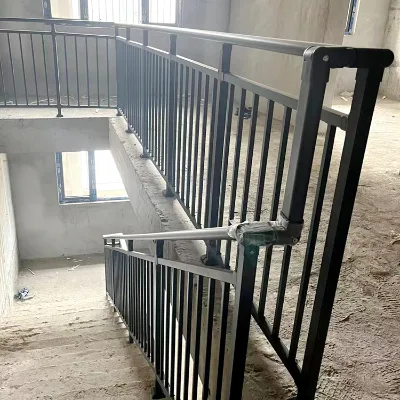
Comprehensive Sourcing Guide
Strategic Sourcing Guide for Aluminum Railing Procurement
Navigating the global market for Aluminum Railing systems requires a disciplined approach that balances aesthetic flexibility with rigorous technical verification. The core keyword "Aluminum Railing" encompasses a diverse range of products, from residential balustrades to industrial-grade handrails, each with distinct manufacturing processes and compliance requirements. Buyers must move beyond superficial product listings to understand the underlying material properties, finishing techniques, and supply chain logistics that define a reliable procurement strategy. This guide synthesizes observed market data and technical attributes to provide a framework for evaluating suppliers and selecting the appropriate railing solutions for specific project needs.
Technical Specifications and Material Composition
The foundation of any Aluminum Railing system lies in its material composition and alloy selection. Market observations indicate that 6063-T5 aluminum alloy is a prevalent choice for structural components, offering an optimal balance of strength and formability. This specific alloy designation suggests a temper that provides sufficient rigidity for handrails and balusters while allowing for extrusion into complex profiles. Buyers should verify that the supplier explicitly states the alloy grade, as lower-grade aluminum may compromise structural integrity, particularly in high-wind or heavy-load applications.
The manufacturing process significantly influences the final product's durability. A consistent observation across high-quality listings is the use of powder coating as the primary surface treatment. This process involves applying a dry powder that is cured under heat to form a hard, protective finish. Unlike liquid paints, powder coating provides superior resistance to chipping, scratching, and fading, which is critical for products intended for outdoor exposure. Some suppliers offer a dual-finish approach, combining powder coating with a wooden color effect to mimic the aesthetic of timber while retaining the low maintenance of aluminum. The specific application of this coating, whether described as "coated," "spraying," or "powder coated," must be confirmed in the technical datasheet to ensure uniform coverage and adhesion.
Dimensions and customization capabilities are equally vital. While standard sizes such as 1.2 meters by 2.4 meters exist, the market trend strongly favors customized sizing to fit unique architectural requirements. Baluster dimensions also vary, with common specifications including 16x16mm pickets or larger 80x16mm profiles, alongside glass infill options. The ability to customize the size and design style is a key differentiator, allowing buyers to align the railing system with specific project demands, whether for a modern residential house or a commercial deck.
Compliance, Certification, and Regulatory Standards
In the realm of construction materials, compliance is not merely a formality but a critical safety requirement. When sourcing aluminum railings, buyers must demand evidence of relevant certifications. The presence of CE (Conformité Européenne) and ISO (International Organization for Standardization) certifications indicates that the manufacturer adheres to international quality management systems and safety standards. These certifications are particularly important for projects in Europe and other regions that mandate strict adherence to building codes.
Beyond general certifications, specific product standards must be verified. The supply chain often references "AA10 aluminium ingot" as a raw material standard, which implies a high purity level suitable for extrusion. However, the final product standard is often listed as "customized" or "customized size," meaning the manufacturer tailors the product to meet the specific regulatory requirements of the destination country. Buyers should not assume that a product meets local building codes based solely on the origin; they must request test reports or compliance documents that specifically address the load-bearing requirements of the target market. For instance, handrails in public buildings often require specific height and load-bearing capacity tests that differ from residential applications.
Cost Drivers and Pricing Dynamics
Understanding the cost structure of aluminum railings is essential for budgeting and negotiation. The observed price range in the market is exceptionally broad, spanning from approximately $2.70 to $3,450 per unit or batch. This variance is driven by several factors, including the complexity of the design, the volume of the order, and the specific finishing requirements. A simple, standard picket railing will naturally cost significantly less than a custom-designed system featuring glass infills, complex powder-coated patterns, or specialized 3D model integration.
The Minimum Order Quantity (MOQ) is another critical cost driver. Data indicates an MOQ range from 1 unit to 504 units, with some suppliers setting a specific threshold of 200 sets for certain product lines. Ordering below the MOQ often results in higher per-unit costs or may not be feasible at all. Buyers must align their project scale with the supplier's capacity to ensure cost efficiency. Additionally, the payment terms, typically cited as T/T (Telegraphic Transfer), and the Incoterms, such as FOB (Free on Board) or CIF (Cost, Insurance, and Freight), will impact the final landed cost. Buyers should calculate the total cost of ownership, including shipping, insurance, and potential customs duties, rather than focusing solely on the ex-factory price.
Typical Applications and Design Versatility
Aluminum railings are highly versatile, finding application in a wide array of environments. The primary use cases identified include residential houses, indoor and outdoor applications, and specific areas like gardens, decks, and balconies. The "Modern" design style is prevalent, characterized by clean lines and minimalist aesthetics that complement contemporary architecture. However, the market also supports "Catalog and Customer Demand" styles, indicating that suppliers can adapt to traditional or eclectic design preferences.
The seasonal durability of these products is a key selling point. Aluminum railings are marketed as suitable for "Every Season," implying resistance to corrosion, UV degradation, and temperature fluctuations. This makes them ideal for coastal regions where salt spray is a concern or for areas with extreme weather variations. The installation process is another consideration; many suppliers provide free installation instructions, and the product type is often described as "Welding/Assembly," suggesting that the system can be either factory-welded for maximum strength or assembled on-site for logistical flexibility. The specific usage, such as "Construction Decoration/Balcony Handrail," highlights the dual role of these products as both safety barriers and aesthetic enhancements.
Supplier Evaluation and Operational Capabilities
Selecting the right supplier requires a thorough evaluation of their operational capabilities and project support services. A robust supplier should offer comprehensive project solution capabilities, including graphic design and 3D model design services. These services are invaluable for visualizing the final product and ensuring that the railing system integrates seamlessly with the overall architectural design. The ability to provide a 3D model allows buyers to detect potential clashes or design flaws before production begins, reducing the risk of costly errors.
Logistics and packaging are also critical factors in supplier evaluation. Observed packing methods include "FCL in Nude or with Pallets" and "LCL with Pallets," as well as "Plastic Bag Plus Carton Box" for smaller shipments. The choice of packing method depends on the order volume and the fragility of the components. Suppliers located in regions like Shandong, China, often have established logistics networks, but buyers must verify the specific origin and lead times. A typical delivery time ranges from 25 to 30 days, which should be factored into the project schedule. Furthermore, the availability of after-sales services, such as online technical support, ensures that buyers have a resource for troubleshooting installation issues or addressing quality concerns post-delivery.
Quality Control and Long-Term Procurement Considerations
Ensuring long-term value requires a focus on quality control measures that extend beyond the initial inspection. Buyers should prioritize suppliers who offer a warranty or clear after-sales support mechanisms. The "Online Technical Support" mentioned in product attributes is a positive indicator, but buyers should also inquire about the availability of replacement parts and the duration of the warranty coverage. The installation process should be straightforward, with clear instructions provided to minimize the risk of improper installation, which can void warranties and compromise safety.
Sustainability and lifecycle management are increasingly important in procurement decisions. Aluminum is a highly recyclable material, and choosing a supplier who uses high-purity ingots and efficient manufacturing processes can contribute to a project's sustainability goals. The "Customized" nature of the product standard allows for precise material usage, reducing waste. Additionally, the "Powder Coated" finish not only enhances durability but also reduces the need for repainting or maintenance over the product's lifespan.
| Feature | Standard Specification | Customization Option |
|---|---|---|
| Material | 6063-T5 Aluminum Alloy | Custom Alloy Grades |
| Surface Finish | Powder Coated | Wooden Color Effect, Spraying |
| Dimensions | 1.2m x 2.4m (Standard) | Customized Size |
| Baluster Type | 16x16mm Picket or Glass | Custom Profile Shapes |
| Certification | CE, ISO | Project-Specific Standards |
| Origin | China (Shandong/Weifang) | Verified Local Origin |
| Delivery Time | 25-30 Days | Negotiated Lead Time |
In conclusion, sourcing aluminum railings is a multifaceted process that demands attention to technical details, regulatory compliance, and supplier reliability. By focusing on the material quality, such as the 6063-T5 alloy, and verifying the surface treatment processes like powder coating, buyers can ensure a product that meets both aesthetic and functional requirements. The broad range of customization options allows for tailored solutions, but this flexibility must be managed through rigorous supplier evaluation and clear communication of project needs. Ultimately, a successful procurement strategy relies on a holistic view of the product lifecycle, from design and manufacturing to installation and long-term maintenance.
FAQs
What material is used for the Aluminum Railing profiles?
The railing profiles are primarily made from 6063-T5 aluminum alloy. This specific alloy offers an optimal balance of strength and formability, ensuring rigidity for handrails and balusters while allowing for complex extrusion into modern design styles.
Which surface treatment processes are available for the finish?
The standard surface treatment is powder coating, which provides superior resistance to chipping and fading. Some options also include a wooden color effect or spraying to mimic timber aesthetics while retaining the low maintenance benefits of aluminum.
Can the product dimensions be customized for specific projects?
Yes, the product size and design style are fully customizable to fit unique architectural requirements. While standard sizes like 1.2 by 2.4 meters exist, buyers can request tailored dimensions and baluster profiles such as 16x16mm pickets or glass infills.
What certifications do the Aluminum Railing manufacturers hold?
Suppliers typically hold CE and ISO certifications to indicate adherence to international quality and safety standards. These documents are critical for ensuring the product meets regulatory requirements, particularly for construction projects in Europe and other strict markets.
How long is the typical delivery time for these railings?
The standard delivery time ranges from 25 to 30 days after order confirmation. This lead time accounts for the manufacturing process, including extrusion and powder coating, as well as the time required for export-standard packaging and logistics.
What are the minimum order quantities for purchasing these railings?
Minimum order quantities vary by supplier but can range from 1 unit up to 504 units. Some specific product lines may require a minimum of 200 sets, so buyers should verify the threshold to ensure cost efficiency and feasibility.
Where are the Aluminum Railing products typically manufactured?
Products are primarily manufactured in China, with specific origins noted in Shandong and Weifang regions. These locations have established logistics networks and are known for producing high-quality aluminum profiles suitable for both indoor and outdoor residential applications.