Source Modern Indoor Villa Stairs for Hotels, Homes, and Commercial Spaces
Explore 30 options for Modern Indoor Villa Stairs, featuring straight, spiral, and arc designs. Compare materials like steel-wood, natural stone, and solid wood. Evaluate customization capabilities, 3D model design services, and structural types to find the ideal solution for your residential or commercial project needs.
Key considerations
Products List


Luxury Villa Indoor Staircase Tempered Glass Railing Modern Curved Stairs Steel Staircase
$99.00 - $188.00
MOQ: 2 Meters

Straight Wood Stairs Modern Floating Steel Staircase Indoor Prefab Stairs
$600.00 - $1200.00
MOQ: 1 Sets

Customized Luxury Villa Indoor Stone Curved Stairs Interior Metal Railing Staircase
$1589.00 - $1999.00
MOQ: 1 Pieces

Luxury Design Large Steel Villa Stairs Easy Installation Indoor/Outdoor Arc Spiral Staircase
$29.00 - $39.00
MOQ: 10 Meters


Orient Professional Manufacture Spiral Staircase Modern Design Indoor Villa Use Spiral Stairs
$2699.00 - $3999.00
MOQ: 1 Pieces

Orient America Style Stainless Steel Spiral Staircase Villa Luxury Indoor Spiral Stairs
$2699.00 - $3999.00
MOQ: 1 Pieces

Hot Sale House Villa Hotel Customization Acceptable Spiral Staircases
$2699.00 - $3999.00
MOQ: 1 Pieces

Natural White Marble Staircase Indoor Stairs Natural Stone Villa Luxury Straight /Curve Staircase
$50.00 - $90.00
MOQ: 20 Square Meters
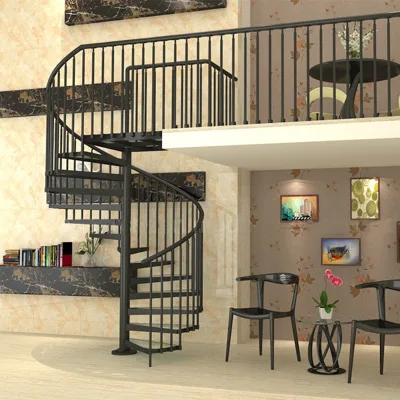


Modern Indoor Small Space Stairs Stainless Steel Wooden Straight Staircase
$999.00 - $2999.00
MOQ: 1 Sets


Solid Wood Step Spiral Staircase Modern Indoor Wood Tread Spiral Stairs
$899.00 - $2999.00
MOQ: 1 Sets


Comprehensive Sourcing Guide
Modern Indoor Villa Stairs Sourcing Guide
Procuring Modern Indoor Villa Stairs requires distinguishing between standard straight configurations and specialized architectural forms like spiral or arc designs. The market offers diverse structural options, including beam-based systems and overhanging cantilevers, which dictate the installation method and load-bearing requirements for your specific project. Buyers must align their selection with the intended aesthetic, ranging from solid wood treads to tempered glass balustrades, ensuring the chosen design complements the villa's overall architectural language.
Verification of the product's intended usage is critical, as some units are rated for both indoor and outdoor environments while others are strictly for interior applications. The observed product range includes ordinary stairs suitable for general residential use as well as special stairs designed for high-end commercial or hospitality settings. Understanding these distinctions helps prevent specification errors, ensuring the selected staircase meets the functional demands of the specific space without compromising on safety or design integrity.
Product Scope and Observed Listing Signals
The current market inventory for Modern Indoor Villa Stairs reveals a wide price spectrum, ranging from entry-level units to high-end custom installations. This variance often reflects differences in material composition, such as the choice between steel-wood composites, natural stone, or solid wood, alongside the complexity of the structural design. Buyers should expect to encounter listings that specify custom sizes and colors, indicating that off-the-shelf options may not fully satisfy the unique spatial constraints of a custom villa project.
Listing signals frequently highlight the availability of total project solutions, including 3D model design and graphic design services to visualize the final outcome. These capabilities are essential for complex installations where the staircase must integrate seamlessly with existing architectural elements. Additionally, the presence of specific model numbers and detailed packing instructions suggests a mature supply chain capable of handling bespoke orders, though buyers must verify that the listed customization options align with their specific timeline and budget constraints.
Technical Specifications to Verify
Technical due diligence must begin with the structural classification, as the market offers straight, arc, and spiral stair configurations, each with distinct engineering requirements. Buyers should explicitly confirm the stringer material, which can vary from carbon steel to stainless steel, and verify the finish process, such as galvanization combined with powder coating, to ensure long-term durability. The tread material is another critical variable, with options including solid wood, tempered glass, or steel, each offering different aesthetic and maintenance profiles for the villa interior.
Balustrade and railing specifications require precise attention to detail, particularly regarding glass thickness and railing type. The observed data indicates glass options ranging from 10mm to 12mm or laminated safety glass, paired with rod, cable, or metal railings. It is imperative to verify the exact dimensions, such as stair width ranging from 700 to 1200 mm, and confirm that the height is customized to the specific floor-to-floor measurement of the villa. These parameters directly impact safety compliance and the visual proportion of the staircase within the home.
Compliance and Safety Documentation
While specific certification documents are not universally listed in the provided product data, buyers must demand evidence that the staircase meets local building codes and safety standards. The observed standard of "according to the pack list made by our engineer" suggests a reliance on project-specific engineering rather than a universal certification, necessitating a request for third-party structural calculations or load-bearing test results. This verification is crucial for ensuring that the overhanging or spiral structures can safely support the intended dynamic loads in a residential setting.
Safety documentation should also cover the materials used, particularly the tempering process for glass components and the corrosion resistance of metal finishes. Buyers should verify that the glass used is tempered safety glass and that the metal components have undergone appropriate surface treatments like painting or galvanization to prevent degradation. Ensuring that the product adheres to recognized safety protocols for indoor and outdoor usage is essential for liability protection and the long-term safety of the villa occupants.
Cost Drivers and Commercial Terms
The final cost of a modern indoor villa stair is heavily influenced by the degree of customization required, including specific dimensions, color finishes, and material selections. The observed MOQ range of 1 to 500 units indicates flexibility for single-unit villa projects, yet the price point can escalate significantly with complex designs like spiral or arc stairs that require specialized fabrication. Buyers should anticipate that custom sizes and unique structural features will command a premium over standard straight stair configurations.
Commercial terms must be scrutinized regarding the packing and shipping logistics, as the observed packaging varies from plywood crates to specialized mono stringer protection. The origin of the products, primarily from Foshan, China, implies specific lead times and shipping costs that must be factored into the total budget. Additionally, the availability of total project solutions, including 3D modeling, may be bundled into the cost or charged separately, requiring clear agreement on the scope of services included in the final quotation.
Supplier Qualification and Quality Control
Supplier qualification should focus on their demonstrated capability to provide total project solutions, including 3D model design and graphic design services. A supplier's ability to engineer a staircase that fits specific floor-to-floor heights and custom widths is a strong indicator of technical competence. Buyers should verify the supplier's track record in handling complex projects, such as those involving overhanging structures or spiral designs, to ensure they possess the necessary engineering expertise.
Quality control processes must be validated through the supplier's adherence to their stated standards, which often include custom size verification and specific packing protocols. The observation of "High Standard" quality attributes suggests a commitment to excellence, but buyers should request samples or detailed inspection reports to confirm material consistency. Ensuring that the stringer finish and glass components meet the specified requirements before shipment is vital to avoid costly on-site corrections or safety hazards.
Long-Term Procurement Checks
Long-term procurement success depends on establishing a clear maintenance protocol for the chosen materials, particularly regarding the care of wood treads and metal railings. Buyers should inquire about the recommended cleaning agents and frequency of maintenance for powder-coated or painted surfaces to preserve the aesthetic appeal of the staircase over time. Understanding the durability of the specific glass and metal combinations selected will help in planning for future repairs or replacements.
It is also essential to maintain open communication channels with the supplier for potential future modifications or expansion of the project. Given the custom nature of these stairs, having a reliable partner who can provide replacement parts or additional design services is invaluable. Buyers should document all specifications, including the exact model numbers and custom dimensions, to ensure that any future procurement aligns with the original design intent and maintains the cohesive look of the villa.
FAQs
What materials are used for Modern Indoor Villa Stairs?
Modern Indoor Villa Stairs utilize diverse materials including steel-wood, natural stone, solid wood, and stainless steel. Options vary by design, with treads made from solid wood, tempered glass, or steel. Stringers may be carbon or stainless steel, offering durability and aesthetic flexibility for residential applications.
Can these stairs be customized for specific projects?
Yes, customization is available for size, color, and design style. Buyers can request customized sizes and colors to match interior themes. Project solution capabilities include 3D model design and total solutions, ensuring the stairs fit specific floor-to-floor heights and architectural requirements precisely.
Which stair types are available for villas?
Available stair types include straight, arc, and spiral configurations. Straight stairs feature beam structures, while spiral options offer compact designs. Some models support single or double stair benches, providing versatile structural solutions for different villa layouts and spatial constraints within indoor environments.
What is the typical MOQ for these stairs?
The minimum order quantity ranges from 1 to 500 units depending on the specific model and customization level. Standard items may have lower MOQs, while complex custom designs might require higher volumes. Buyers should verify specific MOQ requirements with suppliers based on their project scale.
How are the stairs packaged for shipping?
Stairs are packaged using plywood or specialized protective materials like pearl-covered mono stringer packaging. This ensures safe transit and prevents damage to delicate finishes such as painted wood steps or glass railings. Proper packaging is critical for maintaining the high standard quality during international shipping.
Where are these modern stairs manufactured?
These stairs are primarily manufactured in Foshan, China, a major hub for furniture and architectural components. Production follows specific standards based on engineer-made pack lists. Buyers can source directly from these factories to ensure quality control and adherence to modern design specifications for villa projects.