Source Modern Curved Glass Staircase Railing for Home Villa Hotel
Compare 30 listings for Modern Curved Glass Staircase Railing suitable for home, villa, and hotel projects. Buyers can evaluate options with powder-coated frames, tempered glass, and customized sizes from suppliers in China; compare the available evidence and request quotations based on your requirements.
Key considerations
Products List


Customize Factory Glass Railing Indoor Marble Prefab Modern Curved Stair
$2020.00 - $2820.00
MOQ: 1 Sets


Indoor Curved Glass Railing Stairs for Apartments Elegant Indoor Design
$2000.00 - $4500.00
MOQ: 1 Sets


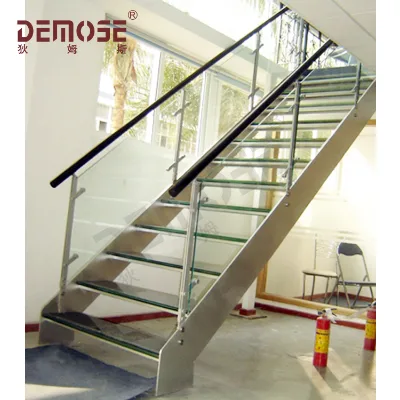
Modern Prefabricated Straight Stairs with Glass Step Glass Railing Staircase
$3500.00 - $4500.00
MOQ: 1 Sets


Glass Tread Spiral / Curved Staircase Round Spiral Stairs with Glass Railing
$3500.00 - $4500.00
MOQ: 1 Sets


Luxury U-Shape Staircase Glass Railing with Open-Riser Design and Oak Finish
$7000.00 - $10000.00
MOQ: 1 Sets



Comprehensive Sourcing Guide
Modern Curved Glass Staircase Railing Sourcing Guide
Sourcing modern curved glass staircase railings requires a careful balance of aesthetic precision and structural integrity, particularly when dealing with complex geometries that deviate from standard straight-run designs. Buyers must recognize that curved configurations often involve specialized fabrication processes, such as heat bending or lamination of multiple glass layers, which significantly impact both lead times and unit costs. The visual appeal of these installations relies heavily on the clarity of the glass and the finish of the supporting frame, whether it is powder-coated aluminum or polished stainless steel. Procurement teams should prioritize suppliers who demonstrate proven capability in handling custom radii and non-standard angles, as these elements are critical for achieving the seamless, contemporary look associated with modern architectural trends.
In addition to visual considerations, the functional performance of curved railings must meet rigorous safety standards, especially in high-traffic residential or commercial environments. The integration of tempered or laminated glass ensures that the railing can withstand impact loads while maintaining transparency, a key feature for open-plan spaces. Buyers should verify that the chosen glass thickness, typically ranging from 6mm to 12mm depending on the span and support structure, aligns with local building codes. Furthermore, the mounting system, whether floor-mounted or side-fixed, must be engineered to distribute stress evenly along the curve to prevent cracking or failure. Understanding these technical nuances early in the sourcing process helps mitigate risks associated with structural inadequacies and ensures long-term durability.
Product Scope and Observed Listing Signals
The observed market signals indicate a diverse range of product configurations, with prices varying significantly based on material composition and customization levels. Listings show a price range from approximately $24 to $10,000, reflecting the spectrum from simple straight-run components to complex, fully customized curved assemblies. Minimum order quantities (MOQs) are generally low, ranging from 1 to 13 units, which suggests that suppliers are equipped to handle bespoke projects rather than just mass production. This flexibility is crucial for procurement teams managing unique architectural requirements where standard off-the-shelf solutions are insufficient. The presence of customization options, such as specific glass colors and frame finishes, allows for greater design freedom but requires clear communication of specifications to avoid production errors.
Material choices play a pivotal role in defining the product scope, with glass and stainless steel being the most prevalent components. Observed specifications include glass thicknesses between 12-13.52mm for certain heavy-duty applications, while others offer thinner options like 6mm, 8mm, or 10mm tempered glass. Frame finishes are predominantly powder-coated, with aluminum available in silver or customized colors, although some listings note uncoated stainless steel options. The application scope extends beyond staircases to include balconies, decking, and roofing, indicating that these railings are part of a broader exterior and interior glazing system. Buyers should carefully review the packing methods, such as plywood crates or carton boxes, to ensure safe transit of fragile glass components, especially for curved pieces that are more susceptible to damage during handling.
Technical Specifications to Verify
When evaluating technical specifications, the type of glass used is a primary concern, with tempered and laminated glass being the standard for safety-critical applications. Buyers must verify the exact thickness and layering of the glass, as curved glass often requires lamination to maintain structural integrity during the bending process. The frame material, whether aluminum or stainless steel, should be checked for corrosion resistance, particularly for outdoor installations where exposure to weather elements is inevitable. Powder coating is a common finishing process that enhances durability, but buyers should confirm the quality and thickness of the coating to prevent peeling or fading over time. Additionally, the mounting mechanism, such as floor mounting by expansion bolts, must be compatible with the existing floor structure to ensure secure installation.
The design style and structural configuration also require close attention, with modern designs often featuring minimalistic profiles and transparent elements. Buyers should verify the available design styles, such as rectangular or diamond-shaped patterns, and ensure they align with the overall architectural theme. The standard height of railings, often around 950mm or 1050mm, must comply with local building codes, and customization options should be clearly defined. The position of the railing, whether as a bridge rail, handrail, or deck railing, influences the load-bearing requirements and support structure. It is essential to confirm that the supplier provides detailed 3D model designs and graphic design services to visualize the final installation and identify potential conflicts with other building elements before production begins.
Compliance and Safety Documentation
Compliance with safety standards is non-negotiable for glass staircase railings, as failure can result in severe injury or liability issues. Buyers must ensure that all glass components are certified as tempered or laminated, meeting relevant impact resistance standards. Certifications such as CE, ISO, and RoHS are commonly observed, indicating adherence to European and international quality and environmental standards. However, buyers should request specific test reports for impact resistance and load-bearing capacity, especially for curved glass which may have different stress distribution characteristics compared to flat glass. The frame material should also be verified for compliance with material safety standards, ensuring that coatings and finishes do not release harmful substances.
In addition to product certifications, the installation process must adhere to local building codes and regulations. Buyers should verify that the supplier provides detailed installation instructions and that the mounting hardware is suitable for the specific substrate, whether concrete, wood, or steel. The use of expansion bolts for floor mounting requires precise drilling and anchoring to ensure stability. It is also important to check if the supplier offers project solution capabilities, including 3D model design, to ensure that the railing fits seamlessly into the overall structure. Compliance documentation should include material safety data sheets (MSDS) for all components, particularly for any chemical treatments or coatings applied to the glass or metal frames.
Cost Drivers and Commercial Terms
The cost of modern curved glass staircase railings is influenced by several key factors, including the complexity of the curve, the thickness and type of glass, and the finish of the frame. Customization plays a significant role in pricing, as bespoke designs require additional engineering and fabrication time. Buyers should expect higher costs for complex radii and non-standard angles, as these demand specialized tooling and skilled labor. The choice of material, such as stainless steel versus aluminum, also impacts the final price, with stainless steel generally being more expensive due to its durability and aesthetic appeal. Additionally, the quantity ordered can affect unit costs, although low MOQs suggest that suppliers are flexible in accommodating smaller orders.
Commercial terms, including payment methods, lead times, and warranty policies, are critical components of the procurement process. Buyers should negotiate clear terms regarding delivery schedules, as custom fabrication can lead to longer lead times compared to standard products. It is advisable to request a detailed breakdown of costs, including material, labor, and shipping, to avoid hidden fees. Warranty coverage should be explicitly stated, covering both material defects and workmanship issues. Buyers should also consider the total cost of ownership, including maintenance requirements and potential replacement costs, to make an informed decision. Clear communication of these terms helps prevent disputes and ensures a smooth transaction.
Supplier Qualification and Quality Control
Supplier qualification is a critical step in ensuring the reliability and quality of modern curved glass staircase railings. Buyers should assess the supplier’s manufacturing capabilities, including their experience with curved glass fabrication and their ability to handle custom orders. Verification of certifications, such as CE and ISO, provides assurance of adherence to quality management systems. It is also important to check the supplier’s track record, including client testimonials and case studies, to gauge their reputation and reliability. Buyers should request samples or visit the factory if possible to inspect the quality of materials and craftsmanship firsthand.
Quality control processes should be robust, with regular inspections at various stages of production, from raw material intake to final packaging. Buyers should inquire about the supplier’s quality assurance protocols, including testing procedures for glass strength and frame durability. The use of advanced technology, such as CNC machining and automated bending equipment, can enhance precision and consistency. Additionally, suppliers should provide comprehensive documentation, including material certificates and test reports, to verify compliance with specifications. Establishing a clear communication channel with the supplier’s quality control team helps address any issues promptly and ensures that the final product meets the buyer’s expectations.
Long-Term Procurement Checks
Long-term procurement checks focus on the sustainability and reliability of the supply chain for modern curved glass staircase railings. Buyers should monitor the supplier’s ability to maintain consistent quality over time, especially as order volumes increase or design requirements evolve. Regular audits of the supplier’s facilities and processes can help identify potential issues before they impact production. It is also important to assess the supplier’s responsiveness to changes in market conditions, such as fluctuations in raw material prices or supply chain disruptions. Building a strong relationship with the supplier can facilitate better communication and collaboration, leading to improved service and support.
Additionally, buyers should consider the environmental impact of the products and the supplier’s practices. Sustainable sourcing of materials, such as recycled aluminum or eco-friendly coatings, can enhance the brand’s reputation and align with corporate social responsibility goals. Buyers should also evaluate the supplier’s commitment to innovation and continuous improvement, as this can lead to better products and more competitive pricing over time. Regular reviews of performance metrics, such as delivery times, defect rates, and customer satisfaction, help ensure that the supplier remains a reliable partner. By focusing on these long-term factors, buyers can secure a stable and high-quality supply of modern curved glass staircase railings.
FAQs
What glass thickness options are available for Modern Curved Glass Staircase Railing?
Available glass thickness ranges from 12mm to 13.52mm for specific models, while other configurations support 6mm, 8mm, 10mm, or 12mm tempered or laminated glass. These options ensure structural integrity and safety for indoor and outdoor applications like balconies and decks.
Can the frame finish be customized for Modern Curved Glass Staircase Railing?
Yes, customization is available for frame finishes, including powder-coated surfaces or uncoated stainless steel options. Aluminum frames can be silver or customized, and handrails may be selected from stainless steel, metal, or wood to match specific design styles and project requirements.
Which certifications are provided for Modern Curved Glass Staircase Railing products?
Products typically carry CE certification, with some manufacturers also providing ISO and RoHS compliance. These certifications verify that the materials and manufacturing processes meet international safety and quality standards, ensuring reliability for residential, hotel, and commercial installation projects globally.
How is the Modern Curved Glass Staircase Railing installed on site?
Installation methods vary by design, with options including floor mounting using expansion bolts or direct flooring mounting. Some systems are designed for easy DIY installation, allowing for straightforward assembly without specialized tools, while others may require professional fitting for complex structural positions.
What packaging is used for shipping Modern Curved Glass Staircase Railing?
Products are securely packed in plywood crates or plywood packages to prevent damage during transit. Some items use four or six boxes consolidated into an outside carton box. This robust packaging ensures the glass and metal components arrive safely at the destination.
What design styles are offered for Modern Curved Glass Staircase Railing?
Modern design styles are available, featuring rectangular, diamond-shaped, square, or irregular structures. Customized colors and graphic design services are offered to create 3D models, allowing buyers to tailor the railing appearance to specific villa, home, or hotel architectural themes effectively.