Source AI Voice Recorder for Meetings, Interviews, and Lectures
Find reliable AI Voice Recorder options for your business needs. Compare 30 products featuring Bluetooth 5.0, USB 2.0 connectivity, and various memory capacities. Evaluate specs like battery life and audio formats to select the best device for professional recording tasks.
Key considerations
Products List
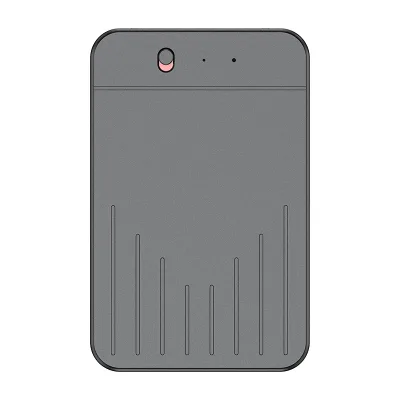
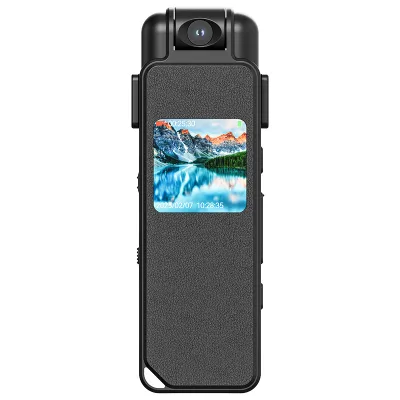
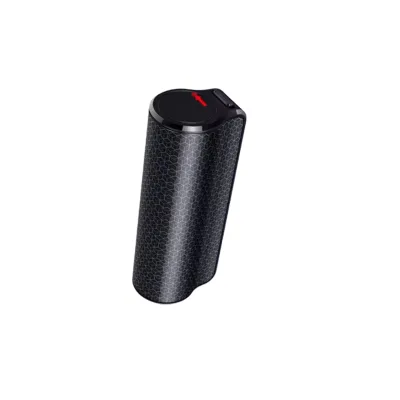
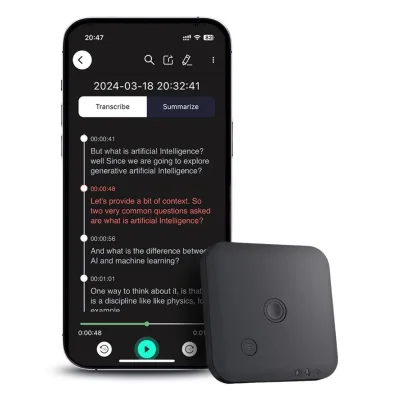


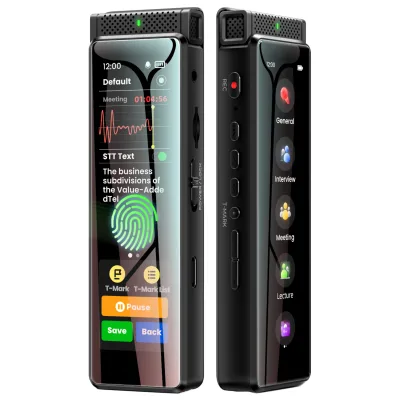


Ultra Slim 64GB Ai Notes Voice Recorder Ai Smart Digital Voice Recorder
$36.90 - $49.90
MOQ: 10 Pieces

Ultra Slim 64GB Ai Voice Recorder Smart Digital Voice Recorder APP Audio
$36.90 - $49.90
MOQ: 10 Pieces

128g Digital Voice Recorder Ai-Intelligent Triple Noise Reduction Magnetic
$19.00 - $28.00
MOQ: 10 Pieces



Comprehensive Sourcing Guide
AI Voice Recorder Sourcing Guide
The global market for AI voice recorders has expanded significantly, driven by the demand for compact, intelligent devices capable of high-fidelity audio capture and automated transcription. These units are increasingly utilized in professional settings for meeting minutes, legal depositions, and educational lectures, where clarity and reliability are paramount. Buyers must distinguish between general-purpose digital recorders and those with specific AI-driven features that enhance voice separation and noise reduction. The observed product landscape includes devices ranging from miniature camcorders with integrated recording functions to dedicated handheld units designed for extended field use.
Procurement strategies must account for the diverse specifications found in current listings, which vary widely in battery capacity, memory storage, and interface connectivity. While some models offer built-in memory up to 256 GB, others rely on external TF cards for expanded storage, necessitating a clear understanding of the target application's data volume requirements. The presence of Bluetooth 5.0 and USB 2.0 interfaces indicates a focus on modern connectivity, yet buyers should verify the actual performance of these features during the sampling phase. Understanding these technical variances is essential for selecting a device that aligns with specific operational workflows and user expectations.
Product Scope and Observed Listing Signals
Current market listings reveal a broad spectrum of product definitions, with some items marketed as "Intelligent Digital Voice Recorders" while others are labeled simply as "Video Recorders" or "Mini Camcorders." This semantic overlap requires careful scrutiny of the product description to ensure the device meets the specific audio-centric needs of the buyer. The observed data indicates that many units are designed with a dual function, supporting both audio and video recording, which may be advantageous for multimedia documentation but could introduce unnecessary complexity for audio-only applications.
Buyers should also note the significant variation in physical attributes, such as screen size and overall dimensions, which directly impact portability and user comfort. Listings show screen resolutions ranging from 160*128 pixels to larger 2-inch displays, alongside package sizes that vary from compact 12x10x8 cm units to larger 15x15x10 cm boxes. These physical differences often correlate with battery life and internal component density, meaning a smaller device might offer shorter operational times compared to a bulkier alternative. Evaluating these physical signals helps in filtering out products that do not fit the intended ergonomic or logistical constraints of the procurement project.
Technical Specifications to Verify
A critical verification step involves confirming the battery specifications, as observed data shows capacities ranging from 160mAh to 3000mAh, with corresponding battery life claims varying from 5 hours to over 18 hours. The discrepancy between listed capacity and actual recording time suggests that power consumption is heavily influenced by screen usage and active processing features. Buyers must request detailed discharge curves or independent test results to validate the manufacturer's claims, ensuring the device can sustain operations throughout a full workday without interruption.
Memory architecture and file format support are equally vital, with listings indicating support for TF cards and built-in capacities up to 256 GB. The observed audio format support includes MP3, WAV, and FLAC, which are standard for high-quality recording, but buyers should verify if the device supports lossless formats required for professional archival. Additionally, the interface type, typically USB 2.0, must be compatible with the buyer's existing data transfer infrastructure. Confirming the exact model number and private mold status is also necessary to ensure that the device is not a generic rebrand with potentially inferior internal components.
Compliance and Safety Documentation
Electrical safety compliance is a non-negotiable requirement for any device containing lithium batteries, which are standard in the observed product range. Buyers must insist on valid test reports from accredited laboratories that verify the battery's stability under various conditions, including overcharge, short circuit, and thermal stress scenarios. While specific certification marks are not universally listed in the provided data, the absence of such documentation poses a significant risk, particularly for products intended for export to markets with strict regulatory frameworks like the EU or North America.
Furthermore, electromagnetic compatibility (EMC) standards must be verified to ensure the device does not interfere with other electronic equipment in the workplace. The presence of Bluetooth 5.0 and USB interfaces introduces potential radio frequency emissions that require testing against relevant regional standards. Procurement teams should request a Declaration of Conformity that explicitly references the applicable standards for wireless transmission and electrical safety. Without these documents, the risk of customs delays or product recalls increases substantially, making pre-shipment verification a critical component of the sourcing process.
Cost Drivers and Commercial Terms
The pricing structure for AI voice recorders is influenced by several key factors, including the complexity of the internal circuitry, the capacity of the built-in memory, and the quality of the microphone array. Observed price ranges span from $0.65 to $999, reflecting a vast difference between basic entry-level models and high-end professional units with advanced AI processing capabilities. Buyers should analyze the cost per unit relative to the feature set, ensuring that the premium paid for higher specifications translates into tangible performance benefits rather than marketing fluff.
Minimum Order Quantity (MOQ) requirements also play a significant role in the total cost of ownership, with observed ranges extending from 1 to 3000 units. High MOQs can reduce the per-unit cost but increase the financial risk and inventory holding costs for the buyer. Negotiating flexible MOQ terms or requesting a phased delivery schedule can help mitigate these risks. Additionally, the single gross weight and package dimensions affect shipping costs, so buyers should calculate the total landed cost, including freight and duties, before finalizing any purchase agreement.
Supplier Qualification and Quality Control
Supplier qualification should extend beyond basic business registration to include an assessment of their manufacturing capabilities and quality control protocols. The data indicates that some products are produced using private molds, which suggests a higher level of customization and potentially better quality control, while others may be generic OEM products. Buyers should verify the supplier's history of producing similar devices and request samples to evaluate build quality, specifically checking the durability of the plastic or ABS casing and the responsiveness of the interface buttons.
Quality control processes must be rigorously defined, with clear acceptance criteria for audio clarity, battery performance, and software stability. Given the variation in observed specifications, such as battery life and memory capacity, a robust incoming quality inspection plan is essential to prevent the receipt of substandard goods. Buyers should consider implementing a third-party inspection service for pre-shipment checks, focusing on functional testing of the recording capabilities and the integrity of the data storage systems. This proactive approach ensures that the final product meets the agreed-upon specifications before it leaves the factory.
Long-Term Procurement Checks
Sustaining a successful procurement relationship requires ongoing monitoring of product consistency and supplier performance over time. Buyers should establish a schedule for periodic re-testing of samples to ensure that the manufacturing process has not drifted, which could lead to variations in battery life or audio quality. The observed diversity in model numbers and specifications suggests that suppliers may frequently update their product lines, making it crucial to maintain clear communication regarding any changes to the design or component sourcing.
Long-term checks should also include an evaluation of the supplier's after-sales support and warranty policies. Devices with complex features like AI processing and wireless connectivity may require firmware updates or technical assistance, so the supplier's responsiveness to post-sales inquiries is a key performance indicator. Buyers should document all interactions and resolve any quality issues promptly to maintain a high standard of service. By treating the procurement process as a continuous cycle of evaluation and improvement, organizations can ensure a reliable supply of high-quality AI voice recorders for their operational needs.
FAQs
What audio formats does the AI Voice Recorder support?
The device supports MP3, WAV, and FLAC audio formats for versatile recording needs. This ensures compatibility with various playback systems and editing software. Users can choose the appropriate format based on storage constraints and quality requirements. The built-in memory or TF card stores these files efficiently for later retrieval and analysis.
How long is the battery life of the mini recorder?
The battery life is approximately 5 hours on a single charge. This duration depends on usage intensity and recording settings. The device uses a lithium battery with a capacity of 160mAh or 3000mAh depending on the model. Regular charging ensures continuous operation for meetings, lectures, or interviews without interruption.
Can the AI Voice Recorder connect via Bluetooth?
Yes, the device features Bluetooth 5.0 wireless connectivity. This allows for easy pairing with smartphones or computers for file transfer. The USB 2.0 interface also provides a wired connection option. Users can quickly move recorded files to their preferred devices for editing or backup purposes.
What is the screen size and resolution of the recorder?
The recorder typically features a 1.5-inch screen with a resolution of 160x128 pixels. Some models may have a screen size between 2 and 4 inches. This display allows users to view recording status, file lists, and settings clearly. The compact design ensures portability while maintaining essential visual feedback during operation.
Which memory card types are compatible with this device?
The device supports TF cards and T-flash cards for expanded storage. Built-in memory options range from 8GB to 256GB depending on the specific model. Users can insert a memory card to increase recording capacity significantly. This flexibility ensures ample space for long-duration recordings and high-quality audio files.
Where are these AI voice recorders manufactured?
These devices are manufactured in Guangdong and Henan, China. The production facilities ensure quality control and consistent performance standards. Buyers can verify the place of origin for supply chain transparency. The manufacturing location influences logistics and lead times for international orders.