Source Android Beauty Makeup Vending Machine for Hotels, Malls, Stations
Compare 22 android beauty makeup vending machines with touch screens, cloud management, and multiple payment options. These units support dispensing in hotels, subway stations, and shopping malls with remote monitoring and 1-year warranties.
Key considerations
Products List
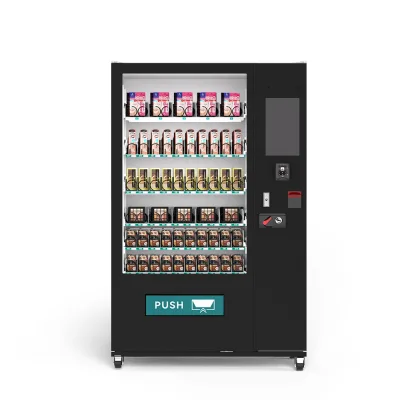


Touchscreen Cosmetic Vending Machine for Makeup & Skincare
$1648.00 - $1857.00
MOQ: 1 Pieces
Guangzhou Sinsi Intelligent Manufacturing Technology Co., Ltd.

Makeup Touch Screen Vending Machine with Large Capacity
$1648.00 - $1857.00
MOQ: 1 Sets
Guangzhou Sinsi Intelligent Manufacturing Technology Co., Ltd.


Cosmetic Combo Vending Machines Lipstick Eyelash Beauty Makeup Vending Machine
$1700.00 - $1940.00
MOQ: 1 Set

Hot Sale Touch Screen Makeup Vending Machine with Card Reader for Cosmetics Beauty
$1800.00 - $2100.00
MOQ: 1 Sets

The Specific Designed Colourful Digital Touch Screen Beauty Vending Machine
$1500.00 - $1600.00
MOQ: 1 Pieces

Hot Sales Beauty Vending Machine for Cosmetics Eyelashes Lipsticks Products
$1550.00 - $1650.00
MOQ: 1 Pieces

The Power-Saving Regular Configured Digital Touch Screen Beauty Vending Machine
$1500.00 - $1600.00
MOQ: 1 Pieces

Beauty Vending Machine for Eyelashes Beauty Products with Touch Screen
$1450.00 - $1550.00
MOQ: 1 Pieces

The Customized Power-Saving Cosmetic Lip or Lash Beauty Vending Machine
$1500.00 - $1600.00
MOQ: 1 Pieces




Comprehensive Sourcing Guide
Strategic Sourcing Guide for Android Beauty Makeup Vending Machines
The global shift toward automated retail solutions has accelerated the adoption of specialized vending machines for beauty and cosmetics. For procurement professionals targeting the "Android Beauty Makeup Vending Machine" category, the decision-making process requires a granular understanding of hardware specifications, integration capabilities, and supply chain reliability. This guide synthesizes observed market data and technical attributes to provide a disciplined framework for sourcing these units. The focus remains on evidence-based criteria, ensuring that buyers can evaluate potential suppliers without relying on unverified marketing claims or speculative performance metrics.
Technical Architecture and Hardware Specifications
The core of any successful vending machine deployment lies in its physical and digital architecture. Based on current market observations, the Android Beauty Makeup Vending Machine typically features a robust metal steel construction, ensuring durability in high-traffic environments such as hotels, subway stations, and shopping malls. The unit's physical footprint is substantial, with observed dimensions ranging approximately from 1235mm in width to 1970mm in height, and a depth of 830mm. This square, industrial design accommodates a significant inventory capacity, with observed storage capabilities ranging between 300 to 800 pieces depending on the specific product configuration.
A critical differentiator in this category is the user interface. The standard configuration includes a 15.6-inch capacitive multi-touch screen, which serves as the primary interaction point for customers. This display is not merely a static screen but a functional component of the dispensing logic. The machine operates on a single voltage of AC 110 V, requiring careful verification of local power infrastructure compatibility. In regions with different voltage standards, the procurement team must ensure the inclusion of appropriate transformers or power adapters, as the default specification lists a US Plug type. The unit is powered by a 350 W system, driven by a compressor-based cooling system. This is essential for preserving the integrity of temperature-sensitive cosmetics, such as creams, serums, and lipsticks, which may degrade if exposed to ambient heat.
The dispensing mechanism is another vital technical consideration. The observed carrying paths include spiral, conveyor, and hooking systems. The choice of mechanism depends heavily on the product form factor; spiral mechanisms are generally preferred for cylindrical items like lipstick tubes, while conveyor systems may be necessary for larger, irregularly shaped packaging. The machine is designed for indoor environmental conditions and features a black color finish, though customized color painting or stickers are available to align with specific brand aesthetics. The unit's weight is significant, at approximately 240 kg, necessitating careful logistics planning for delivery and installation.
Payment Systems and Digital Integration
Modern vending machines function as connected endpoints within a broader retail network. The Android Beauty Makeup Vending Machine is equipped with a comprehensive payment system that supports a wide array of transaction methods. Observed capabilities include coin and bill acceptance, credit card processing, and QR code scanning. This multi-modal approach ensures accessibility for a diverse customer base, accommodating both cash-based and digital-first consumers. The system also includes a change return function, allowing for small change transactions to be completed seamlessly.
Beyond the point of sale, the integration capability is a primary driver of operational efficiency. These units support cloud-based management, allowing operators to monitor inventory levels, sales data, and machine status remotely. The network compatibility includes both Wi-Fi and 4G LTE, ensuring connectivity in locations where wired internet may be unavailable or unreliable. This connectivity enables real-time stock management and remote monitoring, which are critical for preventing stockouts and optimizing restocking schedules. The "Android" designation in the product name implies an operating system that supports flexible software updates and the installation of third-party applications, further enhancing the machine's adaptability to changing marketing needs.
Compliance, Certification, and Safety Standards
When sourcing industrial equipment, verifying compliance with safety and environmental standards is non-negotiable. While specific certification documents must be requested directly from the supplier, the market context suggests that reputable units often align with international standards such as RoHS (Restriction of Hazardous Substances) and CE (Conformité Européenne). These certifications indicate that the machine meets specific requirements regarding electrical safety and the absence of hazardous materials. Additionally, adherence to ISO 9001 standards for quality management systems is a strong indicator of a supplier's commitment to consistent manufacturing processes.
Buyers must verify that the machine includes specific safety features such as power-off protection and failure self-detection. These systems are designed to protect both the hardware and the merchandise in the event of a power surge or mechanical malfunction. The machine is also equipped with a change system that handles small change, which is a functional requirement for cash transactions. It is important to note that while these features are observed in the current product data, the buyer should explicitly request test reports or certification copies from the supplier to confirm that every unit delivered meets these standards. Do not assume compliance based on general market trends; specific documentation is required for legal and operational safety.
Cost Drivers and Procurement Economics
The pricing structure for android beauty makeup vending machines is influenced by several key factors. The observed price range in the market spans from $450 to $5,770 USD. This wide variance is likely driven by differences in component quality, the complexity of the dispensing mechanism, the size of the inventory capacity, and the level of customization requested. The minimum order quantity (MOQ) for these units is typically low, with an observed range of 1 set, making them accessible for pilot programs or small-scale deployments.
The total cost of ownership extends beyond the initial purchase price. Buyers should account for the installation costs associated with the machine's significant weight of 240 kg and its specific power requirements. The 1-year warranty period is a standard offering, but the scope of this warranty must be clearly defined. Does it cover the compressor, the touch screen, or the entire electronic assembly? Furthermore, the cost of software updates and remote monitoring services should be clarified. Some suppliers may offer these as part of the initial package, while others may charge a recurring subscription fee. The "single gross weight" of 0.0 kg listed in some data points appears to be a placeholder or error; buyers should rely on the 240 kg net weight for shipping calculations.
Typical Applications and Operational Environments
The versatility of the Android Beauty Makeup Vending Machine makes it suitable for a variety of high-traffic commercial environments. The primary application areas include hotels, subway stations, shopping malls, and other public spaces where foot traffic is consistent. In these settings, the machine serves as a convenient, 24/7 retail point that requires no human staff to operate. The "Easy Operation" and "High Efficiency" attributes observed in the product data are particularly relevant here, as they reduce the learning curve for customers and minimize downtime for operators.
The machine's ability to handle multiple payment options and its compact, square shape allow it to fit into various retail layouts. Whether placed in a hotel lobby for guest convenience or in a subway station for commuters, the unit's design prioritizes accessibility. The "Insulation" function mentioned in the product attributes suggests that the machine can maintain internal temperatures, which is crucial for preserving the quality of beauty products. This feature is especially important in environments with fluctuating ambient temperatures, such as unheated subway stations or outdoor kiosks with partial shelter.
Supplier Evaluation and Quality Control
Selecting the right supplier is as critical as selecting the right machine. The supply chain for these units originates primarily from regions such as Hebei and Guangzhou in China. When evaluating potential suppliers, buyers should verify the "place of origin" and ensure that the manufacturing facility has a track record of producing similar industrial equipment. The "ShengMa" brand is observed in the current market data, but buyers should not limit their search to a single manufacturer. Instead, they should look for suppliers who can demonstrate a consistent history of quality and reliability.
Quality control measures should be a prerequisite for any order. Buyers should request detailed specifications on the materials used, specifically the metal steel construction, and verify the durability of the touch screen. The "New" condition of the product is standard, but buyers must ensure that the unit is not a refurbished item unless explicitly stated. The supplier should provide a clear timeline for lead times and delivery, as the heavy weight and large dimensions of the machine can complicate logistics. Additionally, the availability of after-sales services, including video technical support, online remote guidance, and software update services, is a key differentiator. A supplier that offers robust support ensures that any operational issues can be resolved quickly, minimizing revenue loss.
Long-Term Procurement and Maintenance Strategy
Sourcing a vending machine is a long-term investment that requires a strategic approach to maintenance and upgrades. The "After-sales Service" package typically includes video technical support and online remote guidance, which are essential for troubleshooting issues without the need for on-site visits. The machine's ability to perform failure self-detection allows operators to identify problems before they lead to complete system failure. Regular software updates are also critical, as they can introduce new features, improve security, and enhance the user interface.
Buyers should plan for the lifecycle of the machine, which includes the potential need for component replacement, such as the compressor or the touch screen. The 1-year warranty provides a baseline of protection, but buyers should consider purchasing extended warranty packages if the machine is expected to operate in high-usage environments. The "Customized" nature of the product allows for branding and functional modifications, which can be a valuable asset for businesses looking to create a unique customer experience. However, customization should be balanced against the complexity of maintenance and the availability of spare parts.
In conclusion, the Android Beauty Makeup Vending Machine represents a sophisticated solution for modern retail challenges. By focusing on technical specifications, verifying compliance, understanding cost drivers, and evaluating supplier capabilities, procurement professionals can make informed decisions that align with their business objectives. The key to success lies in a disciplined approach to sourcing, ensuring that every aspect of the machine's performance and reliability is validated before commitment.
FAQs
What payment methods does the machine support?
The machine supports coin, bill, credit card, and QR code payments. It also includes a change return function for small change transactions, ensuring accessibility for diverse customer bases in hotels and subway stations.
How large is the inventory capacity of the unit?
The unit accommodates between 300 to 800 pieces depending on the configuration. This capacity is housed within a square metal steel structure measuring 1235 by 830 by 1970 millimeters for high-traffic retail environments.
Can the machine operate with remote monitoring capabilities?
Yes, the system features cloud-based management and remote stock monitoring. It connects via Wi-Fi and 4G LTE to allow operators to track inventory levels and sales data without physical presence at the location.
What is the minimum order quantity for purchasing this machine?
The minimum order quantity is one set. This low threshold allows buyers to deploy pilot programs or small-scale units in specific locations like shopping malls without committing to large bulk orders immediately.
Does the machine include a cooling system for cosmetics?
The unit is equipped with a compressor-based cooling system. This feature is essential for preserving temperature-sensitive beauty products like creams and serums in indoor environments such as hotels and subway stations.
What warranty coverage is provided for the vending machine?
The product comes with a one-year warranty period. This coverage typically includes after-sales services such as video technical support, online remote guidance, and software update services to ensure operational continuity.