Source Android Commercial Tablet with Remote Control for retail, education, and logistics
Find 30 Android Commercial Tablet with Remote Control options featuring varied specs like MTK or Spreadtrum CPUs, Android OS, and battery capacities from 2000mAh to over 8000mAh. Compare models including T224, hun2, and T6729 with WiFi, 3G, or 4G connectivity for diverse business needs.
Key considerations
Products List


Tablets 10 Inches Android RAM 2GB Gaming Tablet Android Education Tablet Android
$82.00 - $98.00
MOQ: 1 Pieces


18.5 Inch Capacitive Touch Screen Evaluator Restaurant RJ45 Android Tablet
$114.00 - $192.00
MOQ: 1 Pieces


Android 9.0 Tablets Presentation Equipment 10 Inch Android Tablet Android Tablet PC
$62.00 - $72.00
MOQ: 1 Pieces


Comprehensive Sourcing Guide
Android Commercial Tablet with Remote Control Sourcing Guide
Sourcing Android-based commercial tablets equipped with remote control capabilities requires a disciplined approach to specification verification and supplier qualification. These devices are engineered for high-traffic environments such as retail kiosks, hospitality room controls, and industrial monitoring stations where durability and ease of management are paramount. The integration of remote control functionality often implies support for infrared (IR) or radio-frequency (RF) signaling, allowing for hands-free operation or centralized management of multiple units. Buyers must navigate a market where hardware configurations vary significantly, ranging from entry-level quad-core processors to high-performance octa-core or deca-core systems, each offering different trade-offs in cost, power consumption, and processing speed.
The procurement process is further complicated by the diversity of available configurations, including varying screen sizes, memory capacities, and connectivity options. Observed market data indicates a wide price range, reflecting the disparity between basic models with limited storage and advanced units featuring large displays, extensive RAM, and robust battery systems. Furthermore, the presence of specific attributes such as capacitive screens, built-in microphones, and webcams suggests that these tablets are often deployed in interactive scenarios requiring user engagement. Understanding these variations is critical for aligning product selection with specific operational requirements, ensuring that the chosen device can withstand the intended use case while remaining cost-effective for bulk deployment.
Product Scope and Observed Listing Signals
The current market landscape for Android commercial tablets reveals a broad spectrum of hardware configurations, with observed listings indicating a price range from approximately $27.90 to $619.00 USD. This variance is primarily driven by differences in core specifications, such as CPU architecture, memory size, and storage capacity. For instance, some models are equipped with 1GB of memory and 16GB of storage, powered by MTK quad-core processors, while others feature over 8GB of memory and 64GB of storage, utilizing Spreadtrum octa-core or deca-core chips. Buyers should interpret these price differences as indicators of performance tiers, with higher-priced units generally offering superior multitasking capabilities, faster boot times, and better support for complex commercial applications.
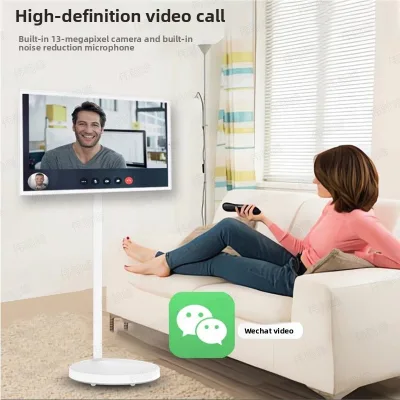
Connectivity and peripheral features also play a significant role in defining the product scope. Listings show a mix of network modes, including WiFi-only configurations and more versatile units supporting 3G and 4G connectivity, which is essential for devices deployed in locations with limited Wi-Fi infrastructure. Additionally, the presence of built-in Bluetooth, microphones, and webcams suggests that many of these tablets are designed for communication-heavy roles, such as video conferencing or interactive customer service kiosks. The inclusion of card readers in some models, contrasted with their absence in others, further highlights the need for buyers to carefully review the specific attribute lists to ensure the device supports the necessary data input methods for their operational workflow.
Technical Specifications to Verify
When evaluating technical specifications, the processor architecture is a primary determinant of performance and longevity. Buyers should verify whether the tablet utilizes a quad-core, octa-core, or deca-core processor, as this directly impacts the device's ability to handle multitasking and resource-intensive applications. Models with deca-core processors, such as those identified by specific model codes like "hun2," are typically suited for high-performance tasks, whereas quad-core units may be adequate for simpler display or information kiosk roles. It is also crucial to confirm the CPU type, such as MTK or Spreadtrum, as different chipsets offer varying levels of power efficiency and thermal management, which are critical for devices that may run continuously in commercial settings.
Memory and storage configurations must be aligned with the intended software ecosystem. While some listings indicate 1GB or 2GB of RAM, which may suffice for basic Android interfaces, more demanding commercial applications often require over 8GB of memory to ensure smooth operation. Similarly, storage capacity ranges from 16GB to 64GB, and buyers should consider whether the device supports external expansion via card readers, as observed in certain models. Display specifications, including screen sizes ranging from 7 inches to 14 inches and aspect ratios like 16:9, should be selected based on the viewing distance and interaction style required by the end-user. Additionally, battery capacity varies significantly, with some units featuring 2000-3000mAh batteries suitable for portable use, while others boast capacities exceeding 8000mAh for extended, uninterrupted operation in fixed installations.
Compliance and Safety Documentation
Compliance with international safety and electromagnetic compatibility standards is non-negotiable for commercial deployments. Buyers must ensure that the tablets carry recognized certifications such as CE, FCC, RoHS, CCC, UKCA, and IEC, which indicate adherence to strict regulatory requirements for electrical safety and environmental impact. These certifications are particularly important when importing devices into specific markets, as non-compliant products may face customs delays or legal restrictions. The presence of these certifications on product listings serves as a baseline indicator of manufacturer diligence, but buyers should always request valid test reports and certificates from the supplier to verify authenticity and ensure they cover the specific model and batch being purchased.
In addition to regulatory certifications, documentation related to software licensing and warranty terms is essential for risk mitigation. Buyers should confirm that the Android operating system is properly licensed and that the device includes a clear warranty period, typically one year for commercial units. This warranty should cover hardware defects and, if possible, include provisions for software updates or technical support. Furthermore, understanding the packaging standards, such as the use of carton boxes or individual retail boxes, is important for logistics planning and ensuring that devices arrive at their destination without damage. Clear documentation of these terms helps establish a reliable supply chain and provides recourse in case of product failures or non-conformities.
Cost Drivers and Commercial Terms
The total cost of ownership for Android commercial tablets is influenced by several key factors, including hardware specifications, customization options, and order volume. Models with advanced features such as deca-core processors, large batteries, and high-resolution displays command higher prices, reflecting the increased manufacturing costs. Customization availability is another significant cost driver; buyers requiring specific branding, pre-installed software, or modified hardware configurations may incur additional fees for these services. It is advisable to request detailed quotes that break down the costs of standard versus customized units to accurately assess the budget impact of specific requirements.
Minimum Order Quantities (MOQs) and payment terms also play a crucial role in commercial negotiations. Observed MOQs range from 1 to 1000 units, offering flexibility for both small-scale pilots and large-scale deployments. Buyers should leverage their order volume to negotiate better pricing and favorable payment terms, such as extended payment periods or discounts for bulk purchases. Additionally, understanding the lead times associated with different configurations is essential for supply chain planning, as customized or high-specification models may require longer production periods. Clear communication regarding these commercial terms helps prevent unexpected delays and ensures that the procurement process aligns with project timelines.
Supplier Qualification and Quality Control
Supplier qualification is a critical step in ensuring the reliability and consistency of Android commercial tablets. Buyers should prioritize suppliers with a proven track record in manufacturing and exporting electronic devices, verifying their business licenses and production capabilities. It is advisable to request samples of the specific models being considered to evaluate build quality, screen responsiveness, and overall performance. These samples should be tested under conditions that mimic the intended commercial environment to identify any potential issues with heat dissipation, battery life, or software stability before committing to a large order.
Quality control measures should be established through clear agreements on inspection protocols and defect rates. Buyers should specify acceptable quality limits (AQL) and request pre-shipment inspections to ensure that the delivered units meet the agreed-upon specifications. This includes verifying the accuracy of technical attributes such as memory, storage, and connectivity features, as well as checking for physical defects in the casing and screen. Establishing a robust quality control process helps minimize the risk of receiving substandard products and ensures that the supplier is held accountable for maintaining consistent quality across all batches.
Long-Term Procurement Checks
Long-term procurement success depends on the supplier's ability to provide ongoing support and product evolution. Buyers should inquire about the supplier's roadmap for software updates and security patches, as Android devices require regular updates to maintain security and compatibility with new applications. A supplier that commits to long-term software support reduces the risk of obsolescence and ensures that the devices remain secure and functional over their operational lifespan. Additionally, understanding the availability of spare parts and repair services is crucial for minimizing downtime in commercial deployments.
Finally, buyers should establish a feedback loop with the supplier to address any issues that arise post-deployment. This includes clear channels for technical support, warranty claims, and returns. Regularly reviewing supplier performance based on delivery times, product quality, and responsiveness helps in making informed decisions about future orders. By maintaining a proactive relationship with the supplier, buyers can ensure a steady supply of high-quality Android commercial tablets that meet their evolving business needs and technological requirements.
FAQs
What operating system do these tablets use?
These tablets run on the Android operating system. This ensures compatibility with a wide range of applications and allows for easy customization to meet specific commercial needs.
Can I find models with built-in Bluetooth?
Yes, many available models feature built-in Bluetooth connectivity. This allows for wireless connection to peripherals like keyboards, mice, and audio devices without needing extra adapters.
Which screen sizes are available for purchase?
Screen sizes range from 7 inches up to 14 inches. Specific models include 7-inch, 10.1-inch, and 13.3-inch options to suit different display requirements.
What is the minimum order quantity for these devices?
The minimum order quantity varies between 1 and 1000 units depending on the supplier. Buyers can often negotiate lower quantities for sample orders or specific configurations.
Are these tablets available with fingerprint sensors?
Some models include fingerprint sensors for enhanced security, while others do not. Buyers should check specific product listings to confirm if this feature is included.
What certifications do these products hold?
Products often carry certifications such as UKCA, ROHS, IEC, FCC, CE, and CCC. These ensure compliance with international safety and environmental standards for commercial use.
Can I request customization for these tablets?
Customization is available for many of these commercial tablets. Buyers can often request specific branding, software configurations, or hardware modifications to fit their business requirements.