Source Swimming Pool TCCA Chlorine Tablet for Water Treatment, Disinfection, and Circulating Systems
Compare 29 listings for Swimming Pool TCCA Chlorine Tablet from Chinese manufacturers offering ISO certification and customizable packaging. Buyers can review specifications like 90% active chlorine content, various tablet sizes, and industrial grade standards to find suitable water treatment solutions.
Key considerations
Products List


Water Sterilization TCCA Tablet for Swimming Pool Swimming Pool Equipment TCCA Chlorine
$900.00 - $1000.00
MOQ: 10 Tons


Swimming Pool Chlorine Tablets TCCA 90% Tablet Pool Supplies Chlorine TCCA
$900.00 - $1000.00
MOQ: 10 Tons

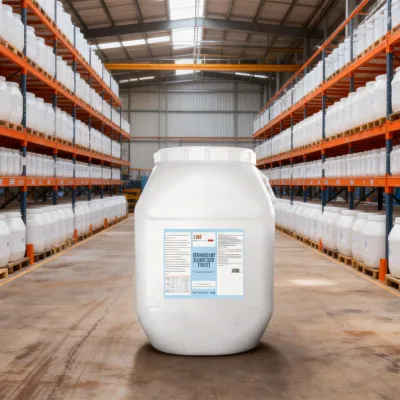
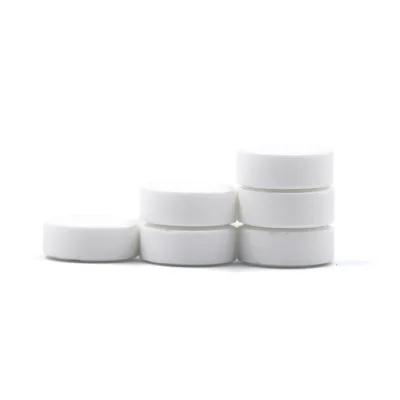
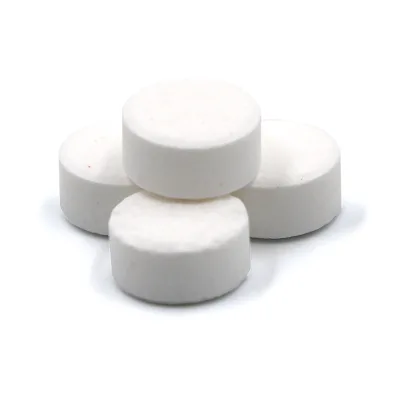
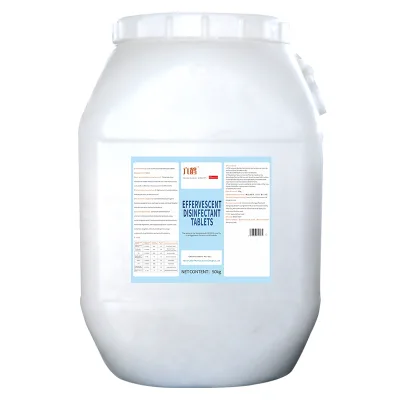
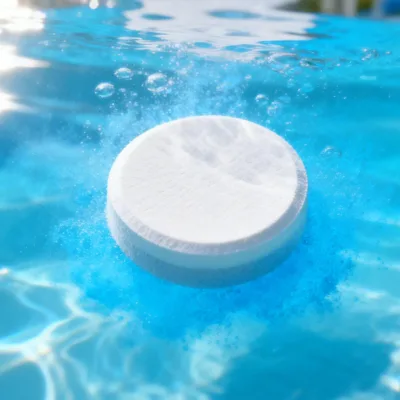


Trichloroisocyanuric Acid TCCA 90% Granular Chlorine Tablets Swimming Pool Chlorine
$1150.00 - $1300.00
MOQ: 1 Tons




Comprehensive Sourcing Guide
Strategic Sourcing Guide for Swimming Pool TCCA Chlorine Tablets
Understanding the Product and Technical Specifications
Trichloroisocyanuric Acid (TCCA) represents a cornerstone in the global water treatment industry, specifically for maintaining sanitation in swimming pools and industrial circulating water systems. When sourcing TCCA chlorine tablets, buyers must first distinguish between the chemical identity and the physical form factor. The core chemical, identified by CAS No. 87-90-1 and UN No. 2468, is an organic compound with the formula C3N3O3Cl3. In the market, this substance is frequently marketed under various names, including "TCCA tablet," "TCCA multifunctional tablet," and "TCCA 200g double action tablet."
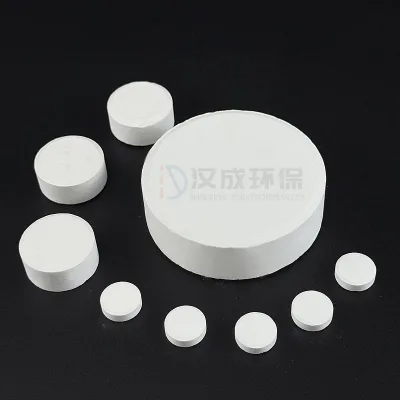
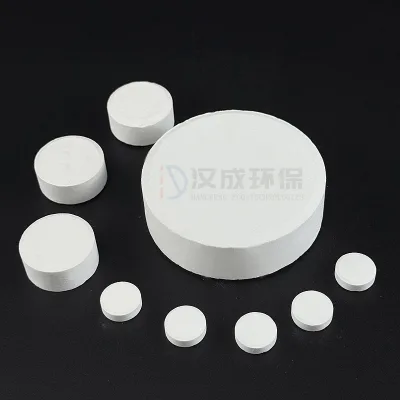
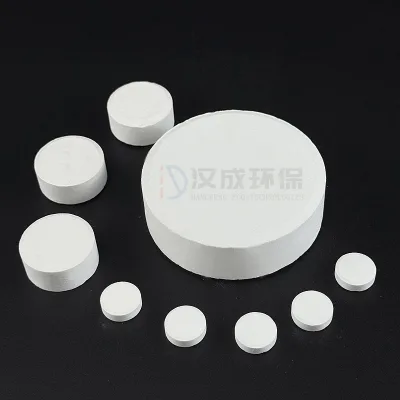
The physical specifications of these tablets vary significantly depending on the manufacturer's production capabilities and the specific application requirements. Observed product models indicate a wide range of standard weights, including 2g, 20g, 50g, 18g, 190g, 250g, and 200g. Some suppliers offer granular flexibility with size ranges extending from 0.2g to 1000g. The "double action" designation often implies a specific formulation designed for sustained release or enhanced efficacy, though the exact mechanism should be verified against technical data sheets.
Chemically, TCCA tablets are characterized by their high active chlorine content. Market observations suggest active chlorine levels ranging from 80% to 90%, with specific listings noting a minimum of 90% for high-grade industrial products. The purity of the product is a critical metric, with many suppliers claiming a purity of ≥99%. The physical appearance is consistently described as white, and the moisture content is typically controlled to a maximum of 0.5%. Regarding pH, the product exhibits acidic properties in solution, with observed ranges between 2.6 and 3.2, despite some listings categorizing the surface disposal agent as alkaline or neutral, which may refer to the specific formulation additives rather than the base chemical.
Compliance, Certification, and Regulatory Standards
Navigating the regulatory landscape is essential for B2B procurement of chemical products, particularly those classified as dangerous goods. TCCA is categorized under Dangerous Class 5.1, which denotes oxidizing substances. This classification mandates strict adherence to international transport regulations, including the proper labeling of UN No. 2468. Buyers must ensure that their suppliers possess the necessary documentation to handle, package, and ship these materials legally across borders.
Certification serves as a primary indicator of a supplier's commitment to quality management systems. The most frequently observed certification in the supply chain is ISO, with specific references to ISO9000. Additionally, third-party verification bodies such as SGS and BV are often cited as part of the "Internetion Certification" or general quality assurance protocols. These certifications do not guarantee that every single batch meets a specific standard but indicate that the supplier operates under a verified quality management framework.
Environmental compliance is another critical dimension. Many suppliers explicitly state that their TCCA products are "Environmental Protection" compliant, suggesting that the manufacturing process or the product itself meets specific ecological standards. However, buyers should verify these claims against local environmental regulations in their destination country. The product origin is predominantly listed as China, with Qingdao Port frequently mentioned as the primary export hub. This geographic concentration influences logistics costs and lead times, as well as the availability of specific certifications relevant to Asian manufacturing standards versus Western regulatory bodies.
Cost Drivers and Pricing Dynamics
The pricing structure for TCCA chlorine tablets is influenced by a complex interplay of raw material costs, packaging requirements, and order volume. The observed price range in the market is extensive, spanning from $0.42 to $1,500 per unit or batch. This wide variance is not indicative of a single product type but rather reflects the difference between small sample units, standard retail packaging, and bulk industrial shipments.
Minimum Order Quantity (MOQ) is a significant factor in determining the effective unit cost. The market data shows an MOQ range from 1 unit up to 100,000 units. Buyers purchasing small quantities, such as samples or trial batches, will face higher per-unit costs. Conversely, securing a large volume order, potentially reaching the upper limits of the observed MOQ range, typically unlocks significant economies of scale. The customization of packaging also plays a role in cost; while standard options include drums, bags, and cartons, requests for custom packaging solutions may incur additional setup fees or higher unit prices.
Other cost drivers include the specific grade of the product. Industrial Grade TCCA is the standard offering, but variations in purity (e.g., 90% vs. 99%) or active chlorine content can affect the price. Furthermore, the inclusion of value-added services such as OEM support, custom labeling, or specific testing reports can influence the final landed cost. Buyers should request detailed breakdowns of costs to understand the proportion attributed to the raw chemical, packaging, logistics, and administrative fees.
Typical Applications and Performance Expectations
TCCA tablets are versatile agents used primarily for disinfection in swimming pools and industrial water treatment systems. The primary function of the product is to release chlorine slowly, maintaining a residual disinfectant level in the water to kill bacteria, viruses, and algae. This sustained release mechanism makes it ideal for automated dosing systems and manual shock treatments in recreational facilities.
The product is also utilized as an industrial circulating water treatment agent. In this context, it helps control biological growth and corrosion in cooling towers and industrial process water. The "multifunctional" aspect of some tablet formulations suggests additional benefits, such as pH stabilization or scale inhibition, though these claims require verification through performance testing.
When evaluating performance, buyers should focus on the active chlorine content and the dissolution rate. A product with 90% minimum active chlorine content is generally preferred for efficient sanitation. The shelf life of the product is typically two years, provided it is stored in a cool, dry place away from direct sunlight and incompatible materials. The packaging must be robust, often utilizing plastic drums or tubes to prevent moisture absorption, which could degrade the product's efficacy over time.
Supplier Evaluation and Quality Control
Selecting a reliable supplier for TCCA chlorine tablets requires a rigorous evaluation process. Buyers should prioritize suppliers who offer customization services and support OEM requirements, as this indicates flexibility and a customer-centric approach. The availability of samples is a crucial indicator of supplier confidence; a reputable supplier will readily provide samples for testing before committing to a large order.
Quality control measures should be a central part of the supplier assessment. Buyers must verify that the supplier adheres to the stated standards, such as the ISO certifications mentioned in the product data. It is essential to request recent test reports that confirm the active chlorine content, purity, moisture levels, and pH values. The consistency of these parameters across different batches is vital for maintaining water quality in sensitive applications like swimming pools.
The supplier's ability to handle the hazardous nature of the product is also a key evaluation criterion. Given the Dangerous Class 5.1 classification, the supplier must demonstrate expertise in safe handling, packaging, and shipping. The use of appropriate packaging materials, such as plastic drums or bags, is non-negotiable to prevent leaks and ensure safety during transit. Additionally, the supplier's track record in export logistics, particularly from ports like Qingdao, should be assessed to ensure timely and compliant delivery.
Long-Term Procurement Considerations
For buyers planning long-term procurement strategies, several factors must be considered to ensure supply chain stability and cost-effectiveness. The customization of packaging and product specifications is a key area where long-term partnerships can yield benefits. Suppliers that offer "According to Customers Request" packing options can help buyers optimize their logistics and storage solutions, potentially reducing waste and handling costs.
The lead time and production capacity of the supplier are critical for maintaining inventory levels. While specific lead times are not provided in the general data, the ability to fulfill orders ranging from 1 to 100,000 units suggests that suppliers with higher capacity can better accommodate large-scale, recurring orders. Buyers should negotiate terms that allow for flexible ordering schedules to adapt to seasonal fluctuations in demand, particularly for swimming pool maintenance which often peaks in warmer months.
Sustainability and environmental impact are increasingly important in procurement decisions. Buyers should inquire about the environmental protection measures taken by the supplier and the biodegradability or environmental safety of the TCCA product. The "Environmental Protection: Yes" attribute observed in the market data is a positive indicator, but buyers should seek detailed information on the supplier's environmental management systems and compliance with local and international environmental regulations.
Finally, the relationship between the buyer and the supplier should be built on transparency and trust. Clear communication regarding product specifications, quality standards, and regulatory compliance is essential. By establishing a robust framework for quality control and supplier evaluation, buyers can mitigate risks and ensure a steady supply of high-quality TCCA chlorine tablets for their operations.
Summary of Key Product Attributes
To facilitate quick reference, the following table summarizes the key attributes observed in the TCCA chlorine tablet market. This data serves as a checklist for buyers to verify against supplier documentation.
| Attribute Category | Observed Values / Options | Verification Requirement |
|---|---|---|
| Chemical Identity | CAS No: 87-90-1; UN No: 2468 | Confirm with Safety Data Sheet (SDS) |
| Active Chlorine | 80%, 84%, 90%, ≥90% Min | Request batch test report |
| Purity | ≥99% | Verify via third-party analysis |
| Form Factor | Tablet (2g to 1000g); 200g, 250g, 190g, etc. | Confirm physical dimensions and weight |
| Packaging | Drum, Plastic Drum, Tube, Bag, Carton | Ensure compatibility with transport |
| Certifications | ISO, ISO9000, SGS, BV | Check validity and scope of certificates |
| Grade Standard | Industrial Grade | Confirm suitability for intended use |
| Shelf Life | 2 Years | Verify storage conditions |
| Origin | China (Export Port: Qingdao) | Assess logistics and import requirements |
| Customization | Available (OEM, Packing) | Discuss specific requirements early |
By adhering to these guidelines and verifying the provided data points, buyers can make informed decisions when sourcing TCCA chlorine tablets, ensuring both operational efficiency and compliance with safety and quality standards.
FAQs
What is the active chlorine content of Swimming Pool TCCA Chlorine Tablet?
The active chlorine content ranges from 80% to 90%, with some high-grade industrial products specifying a minimum of 90%. This high concentration ensures effective disinfection while maintaining stability in water treatment systems.
How is Swimming Pool TCCA Chlorine Tablet packaged for shipping?
Products are typically packed in drums, plastic drums, tubes, bags, or cartons depending on customer requests. Standard packaging options include 1kg to 1000kg units to ensure safe transport of the oxidizing substance.
Which certifications do Swimming Pool TCCA Chlorine Tablet manufacturers hold?
Manufacturers commonly hold ISO certifications, including ISO9000, along with third-party verifications from SGS and BV. These credentials indicate adherence to quality management systems for chemical production and export.
Can buyers request custom packaging for Swimming Pool TCCA Chlorine Tablet?
Yes, customization is available, allowing buyers to request specific packaging types or sizes according to their needs. This flexibility supports OEM requirements and helps optimize logistics for different market segments.
What is the shelf life of Swimming Pool TCCA Chlorine Tablet?
The product typically has a shelf life of two years when stored correctly in a cool, dry place. Proper storage prevents moisture absorption, which could otherwise degrade the active chlorine content and efficacy.
How does the pH level affect Swimming Pool TCCA Chlorine Tablet usage?
The solution exhibits acidic properties with a pH range of 2.6 to 3.2, though some formulations are labeled as alkaline or neutral surface agents. This acidity helps maintain water balance while releasing chlorine for disinfection.