Source Android Car Diagnostic Scanner with Key Programmer for EVs, Repairs, and Updates
Compare 30 listings for an Android Car Diagnostic Scanner with Key Programmer featuring J2534 support, 60+ special functions, and multi-language options. Buyers can evaluate models like X431 and T41 for electric vehicle and general repair applications with varying MOQs and delivery times.
Key considerations
Products List
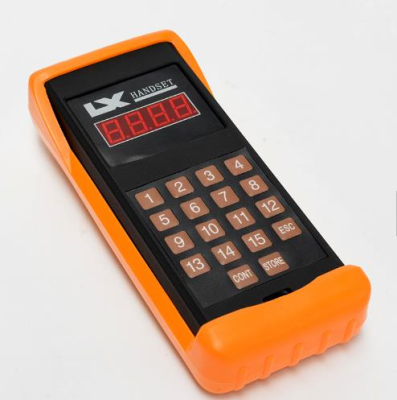

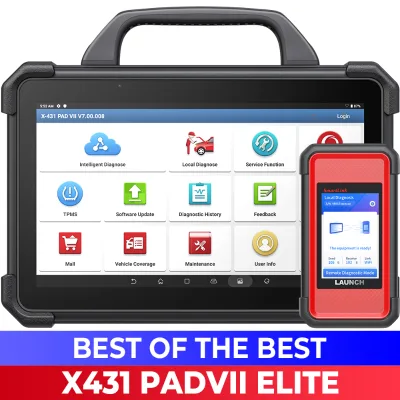
Hot Selling Auto Diagnostic Tool Testing Equipment Key Programmer Car Diagnostic Tool
$1380.00 - $1656.00
MOQ: 1 Pieces

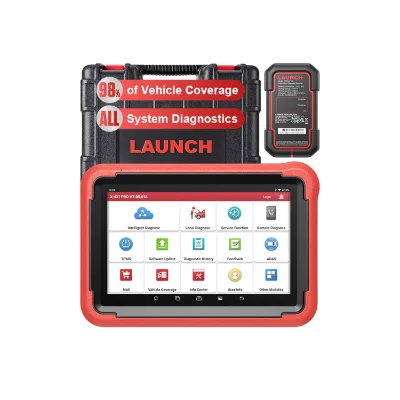
Hot Sale Auto Scanner/Auto Diagnostic Tool/Car Scanner for Car Repair
$1380.00 - $1656.00
MOQ: 1 Pieces

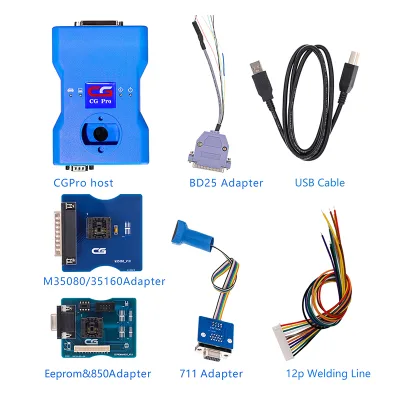
Hot Sale Auto Diagnostic Tool/Key Programmer/Auto Scanner for Garage Equipment
$1340.00 - $1656.00
MOQ: 1 Pieces

High Stand Advanced Cars Key Programmer Key Programming Diagnostic Scanner
$1380.00 - $1656.00
MOQ: 1 Pieces


High-Quality Vehicle Diagnostic Equipment/Car Diagnostic Tool/Car Scanner for Sale
$1380.00 - $1656.00
MOQ: 1 Pieces


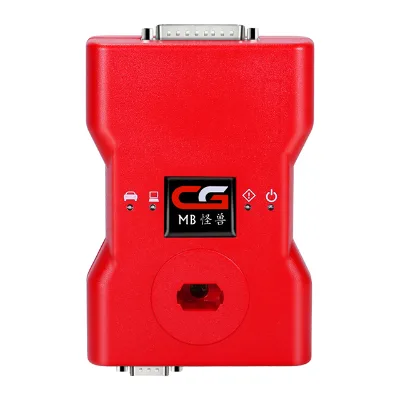

Hot Sale Auto Diagnostic Tool Garage Equipment Key Programmer Auto Diagnostic
$1380.00 - $1656.00
MOQ: 1 Pieces

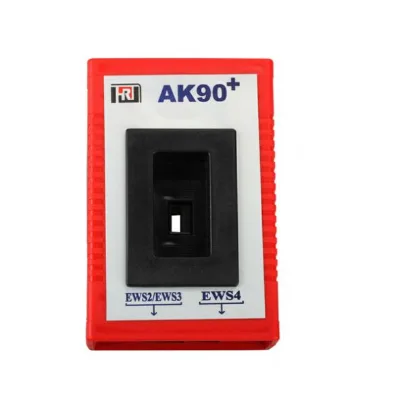
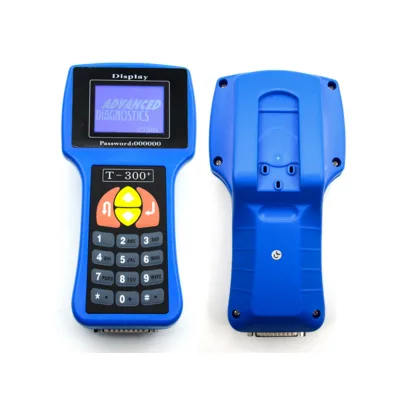

2024 Factory Price Multi-Diagnostic Interface Programming Car Diagnostic Scanner
$37.73 - $42.46
MOQ: 30 Pieces

Wholesale Multi-Language Car Fault Diagnostic Instrument Engine Scanner Code Reader
$10.78 - $11.99
MOQ: 100 Pieces



Comprehensive Sourcing Guide
Strategic Sourcing Guide for Android-Based Automotive Diagnostic and Programming Solutions
The global automotive aftermarket is undergoing a significant transformation driven by the increasing complexity of modern vehicle electronics. For procurement professionals and fleet managers, the core keyword "Android Car Diagnostic Scanner with Key Programmer" represents a critical intersection of hardware capability, software integration, and operational efficiency. Sourcing these devices requires a disciplined approach that moves beyond basic feature lists to a rigorous evaluation of technical specifications, compliance frameworks, and supply chain reliability. This guide provides a comprehensive framework for evaluating potential suppliers and products, ensuring that procurement decisions are grounded in verifiable facts and industry standards rather than marketing assertions.
Technical Architecture and Functional Capabilities
When evaluating an Android-based diagnostic scanner equipped with key programming capabilities, the primary focus must be on the device's ability to interface with the diverse Electronic Control Units (ECUs) present in modern fleets. The underlying operating system, typically Android, offers significant advantages in terms of app ecosystem compatibility and user interface flexibility. However, the hardware specifications must be robust enough to handle the data throughput required for high-speed diagnostics and secure key coding processes.
Prospective buyers should verify that the device supports the J2534 programming standard, which is the industry benchmark for passing through vehicle data to third-party diagnostic and programming tools. This standard ensures that the hardware can communicate with various vehicle manufacturers' proprietary software protocols. Furthermore, the device must offer extensive language support, ideally covering major global markets including English, French, German, Japanese, Chinese, and Spanish. The ability to switch languages instantly is crucial for international logistics and service centers operating in multi-lingual environments.
The functional scope of the tool is equally important. A comprehensive unit should provide over 60 special functions, ranging from oil reset and brake bleeding to complex system calibrations. The inclusion of extended tools such as oscilloscope capabilities, sensor analysis, ADAS (Advanced Driver Assistance Systems) calibration, and TPMS (Tire Pressure Monitoring System) services adds significant value. These features transform a basic scanner into a full-service diagnostic platform. Buyers must also confirm the update methodology; while some devices utilize internet-based updates for real-time data, others may rely on hard disk or physical media for initial software installation, particularly in environments with limited connectivity.
Compliance, Certification, and Regulatory Standards
In the B2B procurement of automotive diagnostic equipment, compliance is not merely a formality but a prerequisite for market access and operational safety. The device must adhere to international safety and electromagnetic compatibility standards. The presence of CE certification is a fundamental requirement, indicating conformity with health, safety, and environmental protection standards for products sold within the European Economic Area. Additionally, buyers should look for ISO 9001 certification, which validates the manufacturer's quality management systems, and RoHS compliance, ensuring the device is free of specific hazardous materials.
Other critical certifications include CCC (China Compulsory Certification) for the Chinese market, GS (Geprüfte Sicherheit) for German safety standards, and ECE R110 for specific vehicle equipment regulations. The supply chain must also be transparent regarding the origin of the product. While some data points indicate origins in regions like Anhui or Sichuan, China, the specific manufacturing location must be verified against the buyer's import regulations. The device should also carry documentation proving compliance with local electrical safety standards in the destination country.
| Certification Type | Purpose and Verification Requirement |
|---|---|
| CE | Confirms compliance with EU safety, health, and environmental requirements. |
| ISO 9001 | Validates the manufacturer's quality management system processes. |
| RoHS | Ensures the device is free from restricted hazardous substances. |
| CCC | Mandatory for products sold or used within the People's Republic of China. |
| ECE R110 | Specific regulatory compliance for vehicle equipment in European markets. |
| GS | Indicates German safety certification, often required for high-end markets. |
Buyers must request physical copies of these certificates and verify their validity with the issuing bodies. It is essential to note that certification status can vary between product batches or specific models, so verification should be performed for the exact model number being procured.
Cost Drivers and Total Cost of Ownership
The price range for Android-based diagnostic scanners with key programming capabilities can vary significantly, often spanning from entry-level units to high-end professional systems. Observed market data suggests a wide range, with prices potentially extending from $1 to over $2,600 depending on the feature set, build quality, and software licensing terms. However, the initial purchase price should not be the sole determinant of value. Procurement professionals must calculate the Total Cost of Ownership (TCO), which includes the cost of software updates, hardware maintenance, and potential downtime.
Several factors drive the cost of these devices. First, the inclusion of advanced features such as ADAS calibration and oscilloscope support commands a premium. Second, the licensing model for the software is a critical cost driver. Some suppliers offer "free" apps for Android and iOS, while others charge annual subscription fees for access to the latest vehicle data and special functions. Buyers must clarify whether the "free" apps mentioned in product descriptions are truly unrestricted or if they require a paid license for specific vehicle brands.
Additionally, the packaging and shipping method influence the final landed cost. Export carton packaging is standard, but some high-value units may require wooden box packaging for international transit, adding to the shipping weight and cost. The payment terms, such as T/T (Telegraphic Transfer), Western Union, or PayPal, also affect the financial risk and cash flow management for the buyer. Understanding these cost components allows for a more accurate budgeting process and prevents unexpected expenses during the deployment phase.
Typical Applications and Operational Use Cases
The versatility of an Android diagnostic scanner with key programming capabilities makes it suitable for a wide array of applications across the automotive service sector. The primary use case is in independent repair shops and dealerships that require a single tool to handle multiple vehicle makes and models. The device's ability to perform engine analysis, read fault codes, and program keys makes it an essential asset for routine maintenance and emergency repairs.
In the context of electric vehicles (EVs), the diagnostic tool must be capable of interfacing with high-voltage systems and battery management systems. The product specifications indicate that these devices are applicable to EVs, requiring specific protocols to ensure safety and accurate diagnostics. Furthermore, the tool is designed for fleet management, where the ability to quickly diagnose and repair vehicles minimizes downtime and maximizes operational efficiency.
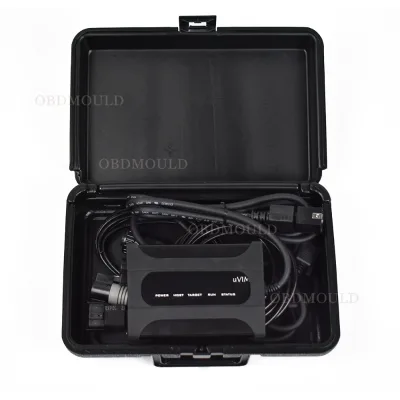
The "purpose" of these devices is often defined as "for replace/repair," highlighting their role in restoring vehicle functionality. Whether replacing a lost key, repairing a faulty sensor, or resetting a maintenance light, the device serves as a critical interface between the technician and the vehicle's computer. The portability of the device, often housed in a portable plastic box or a ruggedized case, allows technicians to move between vehicles and service bays with ease. The interface is typically an OBD connector, ensuring compatibility with the standard diagnostic port found on most modern vehicles.
Supplier Evaluation and Quality Assurance
Selecting a reliable supplier is as critical as selecting the right product. Buyers should evaluate potential suppliers based on their ability to provide consistent quality, timely delivery, and post-sales support. The "Quality" attribute of the product is often described as "Excellent" or "High-Quality," but these are subjective terms that must be backed by objective evidence. Buyers should request test results, sample units, or third-party inspection reports to verify these claims.
The supplier's location and logistics capabilities are also important. Many products originate from China, with specific ports like Guangzhou, Shanghai, Qingdao, and Ningbo serving as key shipping hubs. The lead time for delivery is typically estimated between 15 to 30 days, but this can vary based on the supplier's inventory levels and the complexity of the order. Buyers should confirm the actual lead time for their specific order quantity and destination.
Customization services are another key differentiator. Some suppliers offer OEM services, allowing buyers to brand the device with their own logo or customize the packaging. The availability of customization should be verified, along with any associated costs or minimum order quantities (MOQ). While some listings suggest an MOQ of 1 piece, others may require a minimum of 2 pieces or more. Understanding these thresholds is essential for budgeting and inventory planning.
Long-Term Procurement Considerations and Maintenance
Sourcing diagnostic tools is not a one-time transaction but a long-term relationship that requires ongoing management. The lifespan of the device is typically supported by a warranty, often ranging from 1 year to longer periods depending on the supplier. Buyers should carefully review the warranty terms, including what is covered (e.g., hardware defects, software failures) and what is excluded (e.g., accidental damage, misuse).
The update strategy is a critical long-term consideration. As vehicle technology evolves, the diagnostic software must be updated to support new models and protocols. Devices that rely on internet updates offer the advantage of real-time data, but they require a stable internet connection. Conversely, devices that use hard disk updates may be more suitable for offline environments but require manual intervention to stay current. Buyers should assess their operational environment to determine the most appropriate update method.
Finally, the availability of spare parts and technical support is essential for maintaining operational continuity. Suppliers that offer comprehensive training and technical assistance can significantly reduce the learning curve for new technicians. The language support of the device, including the ability to switch between multiple languages, ensures that the tool remains accessible to a diverse workforce. By focusing on these long-term factors, buyers can ensure that their investment in diagnostic technology remains viable and effective for years to come.
FAQs
What certifications does the Android Car Diagnostic Scanner with Key Programmer have?
The device holds CE, ISO, RoHS, CCC, GS, and ECE R110r certifications. These documents confirm compliance with international safety and environmental standards required for global market entry and operational safety in various regions.
How can I update the software on the Android Car Diagnostic Scanner with Key Programmer?
Updates are available via internet connection or through a physical hard disk method. The specific update method depends on the model variant, allowing flexibility for facilities with either stable connectivity or offline requirements.
Which languages does the Android Car Diagnostic Scanner with Key Programmer support?
The system supports over 25 languages including English, French, German, Japanese, Chinese, and Spanish. Users can switch between these languages instantly to accommodate international logistics teams and multi-lingual service environments.
Can the Android Car Diagnostic Scanner with Key Programmer handle electric vehicles?
Yes, the tool is explicitly designed for application in electric vehicles. It interfaces with EV systems to perform diagnostics and repairs, ensuring compatibility with modern high-voltage vehicle architectures and battery management systems.
What is the typical lead time for the Android Car Diagnostic Scanner with Key Programmer?
Delivery time typically ranges from 15 to 30 days after order confirmation. This duration accounts for manufacturing and logistics processing from Chinese ports such as Guangzhou, Shanghai, Qingdao, or Ningbo to the destination.
What is the minimum order quantity for the Android Car Diagnostic Scanner with Key Programmer?
The minimum order quantity is generally 2 pieces for this specific product listing. Some vendors may offer single item selling units, but the standard procurement threshold for this model is set at two units.
How is the Android Car Diagnostic Scanner with Key Programmer packaged for shipping?
Packaging options include export cartons or sturdy wooden boxes depending on the specific model. The portable plastic box variant is also available for easier installation and transport within service bays and workshops.