Source Anodized Aluminum Flashlight Housing for Lighting, Tools, and Auto
Find 30 anodized aluminum flashlight housing options for LED lighting parts, hardware tools, and machinery accessories. Compare CNC milled and turned components with tolerances of +/- 0.02mm, available in blue finishes from Shenzhen suppliers; compare the available evidence and request quotations based on your requirements.
Key considerations
Products List


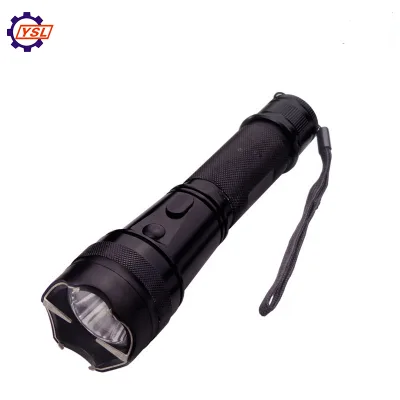





Comprehensive Sourcing Guide
Anodized Aluminum Flashlight Housing Sourcing Guide
Procuring anodized aluminum flashlight housing requires distinguishing between mass-produced standard components and custom-engineered solutions. The market offers products ranging from generic hardware accessories to specialized LED lighting parts, with specific models like the S302 and S300 appearing in listings. Buyers must verify if the observed attributes, such as a 98g weight or specific dimensions like 423548mm, align with their design requirements, as these figures represent observations rather than universal standards for all suppliers.
The sourcing landscape includes diverse material options beyond aluminum, such as stainless steel, brass, and various alloys, which may influence the final product's durability and cost. While some listings highlight a 1% to 2% scrap rate and a 100% inspection protocol, these are specific to certain vendors and should not be assumed for every potential partner. A rigorous initial screening is necessary to confirm that the supplier's production capabilities match the specific application, whether it is for general hardware tools or specialized machinery accessories.
Product Scope and Observed Listing Signals
Buyers should first analyze the observed price range of 0.01 to 4000 USD to understand the spectrum of product complexity and material quality available. This wide variance often reflects differences in machining methods, such as CNC milling versus CNC turning, and the extent of surface treatments like PVD or standard anodizing. It is critical to correlate the listed price with the specific model number and material composition to avoid underestimating costs for high-tolerance components or overpaying for basic hardware.
Listing signals also include specific packaging details, such as EPE foam or custom requests, which impact logistics and protection during transit. Some suppliers offer flexible shipping via DHL, UPS, or FedEx, while others may require specific packing arrangements based on the order quantity. Understanding these logistical variables helps in calculating the total landed cost and ensures that the finished housing arrives without damage, particularly for delicate anodized finishes that can be easily scratched.
Technical Specifications to Verify
Technical verification must begin with the machining method, as the market lists both CNC milling and CNC turning as primary processes for aluminum components. Buyers need to confirm which method is used for their specific geometry, as milling is often preferred for complex enclosures while turning suits cylindrical parts. The tolerance of +/- 0.02mm is a common specification in the data, but this must be explicitly confirmed for the specific order, as not all listed products guarantee this level of precision.
Surface finish and material composition are equally critical, with options ranging from simple anodizing to sandblasting, plating, or PVD coatings. The material list includes aluminum, iron, copper, and various alloys, meaning the buyer must specify the exact grade required for their application. Additionally, the drawing format support, such as PDF, DWG, or STEP files, should be verified to ensure seamless communication of design intent and to prevent manufacturing errors due to file incompatibility.
Compliance and Safety Documentation
Compliance verification involves checking for recognized certifications like ISO9001, SGS, RoHS, and CE, which are frequently cited in supplier profiles. These documents serve as evidence that the manufacturer adheres to quality management systems and environmental standards, which is essential for exporting to regulated markets. Buyers should request current certificates rather than relying on general claims, as the presence of these standards varies significantly between different vendors and product lines.
Safety documentation also extends to the inspection protocols employed during production, with some suppliers offering 100% inspection services. This level of quality control is vital for ensuring that every flashlight housing meets the required dimensional and functional specifications before shipment. Procurement teams must ensure that the inspection reports are detailed and traceable, providing a clear record of the product's condition and compliance with the agreed-upon technical drawings.
Cost Drivers and Commercial Terms
Cost drivers are heavily influenced by the Minimum Order Quantity (MOQ), which ranges from 10 to 10,000 pieces depending on the supplier and product complexity. Lower MOQs, such as 10 or 100 pieces, are often available for custom or prototype runs, while mass production orders may require higher volumes to achieve optimal unit pricing. Buyers must balance their inventory needs against the cost benefits of larger orders, considering that the leading time can vary from 10 to 20 days based on the quantity ordered.
Commercial terms also include the production type, which is typically mass production for standard items but may involve custom setups for unique designs. The lead time of 10 to 15 days is a common benchmark, though this can extend to 20 days for larger quantities or complex customizations. Understanding these timelines is crucial for supply chain planning, as delays in production or shipping can disrupt the assembly of the final LED lighting products or machinery accessories.
Supplier Qualification and Quality Control
Supplier qualification requires a deep dive into their production capabilities, specifically their ability to handle mass production while maintaining a low scrap rate of 1% to 2%. This metric indicates a mature manufacturing process with high efficiency and minimal waste, which is a strong indicator of reliability. Buyers should assess whether the supplier has the necessary machinery and expertise to handle the specific machining methods and surface treatments required for their project.
Quality control is further validated by the supplier's adherence to standards such as GB, EN, ASME, and API, which govern the manufacturing and testing of metal parts. These standards ensure that the components meet international requirements for strength, durability, and safety. It is essential to verify that the supplier's internal quality checks align with these external standards, ensuring that the final product will perform reliably in its intended application without premature failure.
Long-Term Procurement Checks
Long-term procurement success depends on establishing a consistent relationship with suppliers who can maintain quality over repeated orders. Buyers should monitor the supplier's ability to consistently meet the +/- 0.02mm tolerance and maintain the specified surface finishes like anodizing or sandblasting across different production batches. Consistency in these technical attributes is key to ensuring that the final flashlight housings fit perfectly and function as intended in every unit.
Additionally, buyers must track the supplier's responsiveness to design changes and their ability to adapt to evolving market demands. The availability of various materials and the flexibility to customize packaging or shipping methods are valuable assets for long-term partnerships. Regular audits and performance reviews will help ensure that the supplier continues to meet the high standards required for critical applications in LED lighting and machinery accessories.
FAQs
What materials are available for anodized aluminum flashlight housing?
Aluminum is the primary material used for these housings, ensuring lightweight durability. Other available materials include stainless steel, brass, copper, iron, alloy, plastic, and nylon. This variety allows buyers to select the optimal balance of weight, strength, and cost for their specific flashlight design requirements.
Can anodized aluminum flashlight housings be customized for specific designs?
Yes, customization is available for these components. Buyers can provide drawings in formats such as PDF, DWG, IGS, STP, or X_T. The manufacturer supports mass production and offers surface treatments like anodizing, sandblasting, and PVD finishing to meet precise aesthetic and functional specifications.
What is the typical tolerance for CNC machined flashlight housings?
The typical tolerance for these CNC machined parts is plus or minus 0.02mm. This precision is achieved through both CNC milling and turning processes. Such tight tolerances ensure proper fit and assembly for LED lighting parts and other hardware accessories requiring high manufacturing accuracy.
What is the minimum order quantity for these flashlight housings?
The minimum order quantity varies by supplier, ranging from 10 pieces to 10,000 pieces. Some suppliers list an MOQ of 100 pieces, while others accept orders as low as 10 pieces. This flexibility supports both small prototype runs and large-scale mass production needs.
How long does production take for anodized aluminum flashlight housings?
Production lead times typically range from 10 to 20 days, depending on the order quantity. Some suppliers specify a leading time of 10 to 15 days for standard orders. Buyers should confirm exact timelines with manufacturers, as capacity and customization requirements can affect delivery schedules.
What certifications are associated with these flashlight housing manufacturers?
Manufacturers often hold ISO9001, SGS, RoHS, and CE certifications. These standards ensure quality management and compliance with international regulations. Some suppliers also adhere to GB, EN, ASME, API, and DIN standards, providing buyers with verified quality assurance for their electronic and hardware components.