Source Anti Aging Facial Massager for Home, Salon, and Portable Use
Explore 30 Anti Aging Facial Massager options featuring E-Light and RF technologies for combination skin. Compare models like D002 and ES-1081 with varying battery capacities and certifications to find suitable suppliers for home or salon applications.
Key considerations
Products List


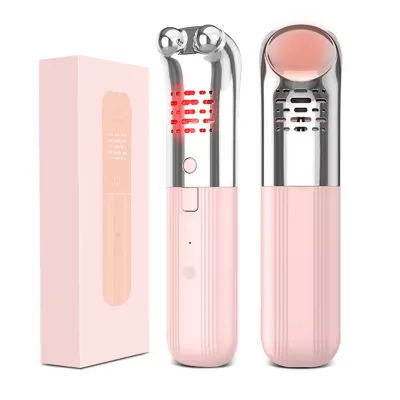
Hot and Cold Face Lifting Beauty Device Skin Tightening Facial Massager
$15.47 - $17.43
MOQ: 50 Pieces


Handheld Rechargeable Facial Massager with Hot and Cold Infusion Function
$19.90 - $25.90
MOQ: 50 Pieces




Comprehensive Sourcing Guide
Strategic Sourcing Guide for Anti-Aging Facial Massagers
The global demand for non-invasive cosmetic solutions has driven a significant shift in the beauty equipment sector, with anti-aging facial massagers emerging as a high-priority category for B2B procurement. For buyers entering this market, the distinction between generic beauty tools and specialized multi-functional devices is critical. The current landscape offers a diverse array of products ranging from simple handheld massagers to complex units utilizing advanced energy theories. This guide provides a disciplined framework for sourcing these devices, grounded in verified product attributes and industry standards, ensuring that procurement decisions are based on tangible specifications rather than marketing assertions.
Technical Specifications and Operational Mechanisms
Understanding the underlying technology is the first step in defining product requirements. The market currently features devices operating on distinct theoretical frameworks, each offering different benefits for skin rejuvenation. A primary observation in the current product catalog is the prevalence of E-Light technology, which combines light and energy sources to target skin concerns. Another significant category relies on Radio Frequency (RF) technology, designed to stimulate collagen production through thermal energy.
When evaluating technical specifications, buyers must scrutinize the output parameters. For instance, specific models in the current inventory demonstrate multi-frequency capabilities, with distinct modes targeting different skin layers. One observed configuration includes a 30kHz setting for skin rejuvenation, a 15kHz setting for contouring, and an 110kHz setting specifically for acne care. These frequencies are not merely marketing terms but represent the operational frequency of the device's transducers or emitters.
Battery performance is another critical technical variable, particularly for portable units intended for home use. The observed data indicates a variance in battery capacity, with some units utilizing a 3.7V/600mAh battery model (603040) while others feature a more robust 2500mAh capacity. This difference directly impacts the working time, with higher capacity units offering approximately six hours of continuous operation. Buyers should verify the charging specifications, noting that some units operate on a 5V 500mA input, which influences the compatibility of power adapters and the safety of the charging circuit.
| Feature Category | Observation A (Model D002) | Observation B (Model ES-1081) | Observation C (Model FA-1021B) |
|---|---|---|---|
| Primary Theory | E-Light | RF (Radio Frequency) | Multi-Functional |
| Battery Capacity | Not Specified | 2500mAh | Not Specified |
| Working Time | Not Specified | Approx. 6h | Not Specified |
| Modes | Not Specified | 5 Modes (Auto-switch) | Not Specified |
| Output Power | Not Specified | 1W | Not Specified |
| Dimensions | 1555555mm | 8912047mm | 261711.5cm |
| Weight | 378g | 100g | 0.5kg |
| Certifications | Not Listed | CE, FCC, RoHS, MSDS | Not Listed |
Compliance and Certification Verification
In the medical and beauty device sector, regulatory compliance is not optional; it is a fundamental requirement for market entry and liability protection. While some suppliers may claim adherence to broad standards like ISO 9001, buyers must prioritize specific product-level certifications that validate safety and electromagnetic compatibility.
The most critical certifications to verify are CE, FCC, RoHS, and MSDS. The CE mark indicates conformity with health, safety, and environmental protection standards for products sold within the European Economic Area. FCC certification is essential for devices sold in the United States, ensuring that the electronic emissions do not interfere with other devices. RoHS compliance confirms that the product is manufactured without specific hazardous materials, a requirement for most major markets. MSDS (Material Safety Data Sheet) documentation is crucial for understanding the chemical composition of any materials used in the device, particularly if the device involves heat or light generation.
Buyers should note that certification status varies by model and manufacturer. For example, specific units in the current supply chain have been observed with full certification suites including CE, FCC, RoHS, and MSDS. However, other models may lack explicit documentation in the initial listing. It is imperative that the procurement contract explicitly requires the supplier to provide valid, up-to-date certification documents for every unit shipped. Relying on a supplier's verbal assurance or a generic "ISO 9001" claim without specific product testing reports is a significant risk. The buyer must verify that the certifications cover the specific model number and that the testing was conducted by an accredited third-party laboratory.
Cost Drivers and Pricing Dynamics
The pricing structure for anti-aging facial massagers is influenced by a complex interplay of factors, including technology complexity, material quality, and packaging. The observed price range in the market spans from $0.70 to $530.00 USD. This vast disparity indicates that the category includes both low-cost entry-level tools and high-end professional-grade equipment.
The primary cost driver is the internal technology. Devices utilizing E-Light or advanced RF modules with multiple frequency modes (e.g., 30kHz, 15kHz, 110kHz) command higher prices due to the complexity of the circuitry and the cost of the emitters. In contrast, basic massage devices without energy emission capabilities fall into the lower price bracket. Material composition also plays a significant role; units constructed with a combination of ABS plastic and stainless steel, as observed in specific models, generally carry a higher material cost than those made solely of PVC or standard plastics.
Packaging is another substantial cost component. The market offers various packaging options, from simple paper boxes to elaborate gift boxes with custom graphics. The "Push-Pull Type Box" or "Flip Type Box" styles add to the unit cost but are often necessary for retail presentation. Furthermore, the customization of the logo and graphics on the packaging is a variable cost that buyers must account for. Bulk orders often benefit from economies of scale, but the Minimum Order Quantity (MOQ) can range from 20 pieces to 1,000 pieces, affecting the per-unit cost calculation. Buyers should analyze the total landed cost, including shipping and duties, rather than focusing solely on the unit price.
Typical Applications and Target Demographics
The application scope of these devices defines the target market and the marketing strategy required for resale. The observed product attributes indicate a clear segmentation between professional salon use and home care. Devices are explicitly marketed for use in both "Salon" and "Home" environments, suggesting a dual-purpose design that balances portability with performance.
The target demographic is predominantly female, with a specific focus on the adult age group. The primary body part addressed is the face, with functions centered on anti-aging and acne/blemish control. The versatility of the technology allows for multiple applications: skin rejuvenation, contouring, and acne care. This multi-functionality is a key selling point, as it allows a single device to address several common skin concerns, increasing its value proposition to the end consumer.
The "Massage" style of operation is a consistent feature across many models, providing a tactile experience that complements the technological functions. The portability of these devices, with dimensions ranging from compact 89mm units to larger 175mm units, makes them suitable for travel and daily home routines. Buyers should ensure that the selected product aligns with the intended application; a heavy, non-portable unit may not be suitable for a home-use brand, while a lightweight, low-power unit may lack the efficacy required for a professional salon.
Supplier Evaluation and Origin Analysis
When evaluating suppliers, the geographical origin provides initial context regarding manufacturing capabilities and logistics. The majority of the observed products originate from China, specifically from the Guangdong province and Shenzhen. These regions are established hubs for electronics and beauty equipment manufacturing, offering a mature supply chain for components like batteries, LEDs, and RF generators.
Supplier evaluation must go beyond location. Buyers should assess the supplier's ability to handle customization, as "Customization" is listed as a key attribute. This includes the ability to apply custom graphics and logos on the gift box, as well as potential modifications to the device casing or functionality. The "Custom Graphics + Logo on Gift Box" attribute suggests that many suppliers are willing to engage in OEM (Original Equipment Manufacturer) or ODM (Original Design Manufacturer) relationships.
However, buyers must be cautious of the "Low-confidence background" regarding certifications. While some suppliers may claim ISO 9001, this is a quality management system standard and does not guarantee product safety. The buyer must verify the specific product certifications mentioned earlier. Additionally, the "Q/Ty/Carton" data, such as 40 pieces per carton weighing 12kg, provides insight into the supplier's packaging efficiency and logistics planning. A supplier with inconsistent packaging data may indicate a lack of standardization in their production process.
Quality Control and Long-Term Procurement Considerations
Quality control (QC) is paramount in the beauty device sector, where failure can lead to skin injury or device malfunction. The observed specifications, such as the "5 Modes" with "Auto-Switch Every 5 Minutes" and "Voice Prompt" features, indicate a level of software and hardware integration that requires rigorous testing. Buyers should implement a QC protocol that includes functional testing of all modes, battery life verification, and safety checks for overheating or electrical faults.
Long-term procurement considerations involve the shelf life and durability of the products. The observed shelf life for these devices is typically around 2 years. This timeline is critical for inventory management; buyers must ensure that their stock turnover rate aligns with this shelf life to prevent selling expired or degraded products. The packaging, described as "Gift Box" or "Paper Box," must be durable enough to protect the device during shipping and storage, especially given the fragile nature of electronic components.
Sustainability and material safety are also emerging considerations. The use of materials like ABS and Stainless Steel is preferable to PVC for long-term durability and environmental compliance. Buyers should inquire about the recyclability of the packaging and the disposal guidelines for the batteries. The "Portable" nature of the devices suggests a need for robust construction that can withstand frequent handling. Finally, the availability of spare parts and after-sales support should be a condition of the procurement contract, ensuring that the buyer can maintain the product line's reputation over time.
Conclusion
Sourcing anti-aging facial massagers requires a meticulous approach that balances technical performance, regulatory compliance, and cost efficiency. The market offers a wide spectrum of options, from basic massage tools to advanced multi-frequency devices utilizing E-Light and RF technologies. By focusing on verified specifications such as battery capacity, output power, and certification status, buyers can mitigate risks and select products that meet high-quality standards. The diversity in packaging, origin, and customization options allows for tailored procurement strategies that align with specific brand identities and market demands. Ultimately, success in this sector depends on rigorous supplier evaluation and a commitment to quality control that extends beyond the initial purchase order.
FAQs
What technologies power anti aging facial massagers?
Devices primarily use E-Light or Radio Frequency theories to treat skin. E-Light combines light and energy, while RF stimulates collagen. Some models offer multi-frequency modes for rejuvenation, contouring, and acne care.
Which certifications are required for safe operation?
Critical certifications include CE, FCC, RoHS, and MSDS for safety and compliance. These validate electromagnetic compatibility and material safety. Buyers must verify these documents for specific models before procurement.
How long does the battery last on portable units?
Battery life varies by capacity, with some units offering approximately six hours of working time. Higher capacity batteries like 2500mAh support longer operation compared to smaller 600mAh options. Charging typically requires a 5V 500mA input.
Can I customize the logo and packaging?
Customization is available for logos and graphics on gift boxes. Options include push-pull or flip type boxes with custom designs. Buyers should confirm specific customization limits with the supplier during the ordering process.
What is the typical shelf life of these devices?
The standard shelf life for these beauty equipment units is two years. This duration is critical for inventory management to prevent selling expired products. Buyers should align stock turnover rates with this timeline.
Where are these devices manufactured?
Most units originate from Guangdong and Shenzhen in China. These regions are established hubs for electronics and beauty equipment manufacturing. The specific location impacts logistics and supply chain reliability.
What are the minimum order quantities for bulk purchase?
Minimum order quantities range from 20 pieces to 1000 pieces depending on the model. Some specific models require a minimum of 20 pieces. Buyers must check the MOQ for each selected product to plan their budget.