Source Infrared Heating Waist Muscle Massager With Remote for Pain Relief
Explore 30 Infrared Heating Waist Muscle Massager with Remote Control options featuring EMS, red light, and heating modes. Compare specifications like battery capacity, temperature settings, and certifications from verified Chinese manufacturers to find the right fit for your business needs.
Key considerations
Products List


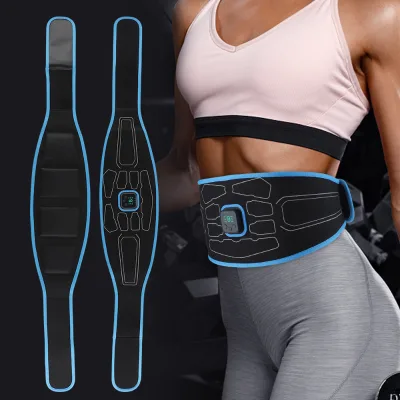
EMS Pulse Warm Massager Waist Heating Belt Hot Compress Pulse Instrument Waist Massager
$20.00 - $28.00
MOQ: 20 Pieces


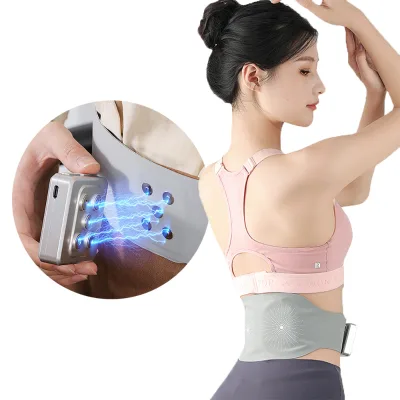
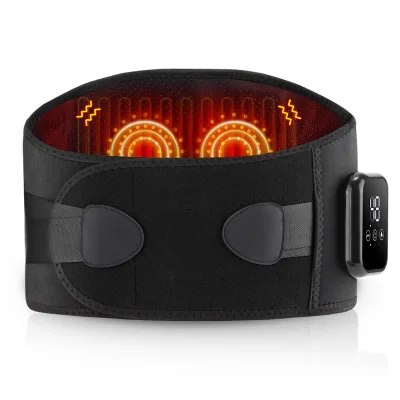
Pain Relief Hot Compress Vibration Waist Massage Belt Infrared Light Heating Back Massager
$18.70 - $21.60
MOQ: 100 Pieces


Comprehensive Sourcing Guide
Infrared Heating Waist Muscle Massager with Remote Control Sourcing Guide
Buyers must first distinguish between models that include remote control functionality and those that rely solely on manual operation, as this feature significantly impacts user convenience and market positioning. The observed product data confirms that specific units like the uLumb-9835XS explicitly list remote control as a standard attribute, whereas other variants such as the uAngel-9938 are documented without this interface. This distinction is critical for procurement strategies targeting different consumer segments, as the inclusion of a remote control often correlates with higher perceived value and ease of use for elderly or mobility-impaired users.
When evaluating the core functionality, it is essential to verify that the device integrates multiple therapeutic modes, including EMS, TENS, and infrared heating, rather than relying on a single mechanism. The available specifications indicate that successful units combine electric heating with semiconductor lasers to deliver targeted relief, often featuring adjustable temperature ranges between 38 and 44 degrees Celsius. Procurement teams should prioritize products that offer voice broadcast capabilities alongside these physical therapies, ensuring the device provides a comprehensive wellness experience that aligns with modern expectations for multi-modal home health equipment.
Product Scope and Observed Listing Signals
The market for infrared heating waist massagers presents a diverse range of specifications, with battery capacities varying from 1800mAh to 2600mAh depending on the specific model and intended usage duration. Buyers should note that working times generally exceed 60 minutes for smaller units but can extend beyond 90 minutes for models equipped with larger batteries, directly influencing the device's suitability for extended therapy sessions. Understanding these power constraints is vital for matching product capabilities with customer expectations regarding portability and continuous operation without frequent recharging.
Physical dimensions and packaging standards also vary significantly across the observed listings, with some units measuring approximately 195mm in length while others reach up to 335mm. The packaging data reveals that some models are shipped in individual color boxes, while others utilize bulk carton configurations containing up to 30 pieces, which affects logistics planning and retail display strategies. Sourcing teams must carefully review the outer box dimensions and net weights to ensure compatibility with existing supply chain infrastructure and to accurately calculate shipping costs for international distribution.
Technical Specifications to Verify
Verification of the heating mechanism is paramount, as the data indicates specific temperature tolerances of plus or minus 3 degrees Celsius around set points like 38, 42, or 44 degrees. Buyers must confirm that the electric heating mode utilizes precise control systems to maintain these temperatures safely, preventing skin irritation while ensuring therapeutic efficacy. It is also necessary to validate the input voltage requirements, which are typically standardized at 5V/1A, to ensure compatibility with global power adapters and charging cables included in the final shipment.
The integration of red light therapy and laser technology requires strict adherence to wavelength specifications, with observed data pointing to a 650nm wavelength for red light and infrared laser ranges for deeper tissue penetration. Procurement specialists should demand test reports confirming that the semiconductor lasers operate in a pulsed mode as described, ensuring the energy delivery is safe and effective for muscle relaxation. Additionally, the material composition, often listed as ABS or silicone blends, must be verified for durability and skin safety, ensuring the device can withstand repeated use without degradation of the housing or contact surfaces.
Compliance and Safety Documentation
Regulatory compliance is a non-negotiable aspect of sourcing, with the observed product data listing certifications such as FDA, CE, RoHS, and FCC for various models. Buyers must ensure that the specific units they intend to purchase carry the necessary certifications for their target markets, as the absence of these documents can lead to customs delays or legal liabilities. It is crucial to request valid certificates that match the exact model numbers, such as the uLumb-9835XS or uAngel-9938, to confirm that the manufacturing batch has undergone the required safety and electromagnetic compatibility testing.
Safety documentation must also address the electrical and thermal risks associated with electric heating and battery-powered devices. Suppliers should provide detailed risk assessments and user manuals that clearly outline the operating temperature limits and battery charging protocols to prevent overheating or electrical hazards. Buyers should verify that the product standards align with international safety norms, ensuring that the device meets the rigorous requirements for consumer electronics used in close proximity to the human body, particularly regarding the insulation of heating elements and the stability of the battery management system.
Cost Drivers and Commercial Terms
Pricing in this category is influenced by the complexity of the feature set, with models offering remote control, voice broadcast, and multi-mode therapy commanding higher price points than basic heating units. The observed price range spans from approximately 7.04 to 80 USD, reflecting the variance in battery capacity, material quality, and the inclusion of advanced therapeutic technologies like infrared lasers. Procurement teams must analyze the cost-to-value ratio of each model, ensuring that the premium features justify the higher unit cost for their specific target demographic and retail channel.
Minimum Order Quantities (MOQ) and packaging configurations play a significant role in determining the overall commercial viability of a procurement deal. The data shows MOQs ranging from 2 to 500 units, with packaging options varying from single-piece gift boxes to bulk cartons containing 24 to 30 units. Buyers should negotiate terms that align with their inventory turnover rates, considering that larger order volumes may unlock better pricing but require more storage space and capital. Additionally, the customization availability should be leveraged to tailor packaging or branding, which can add value without significantly increasing the unit cost.
Supplier Qualification and Quality Control
Supplier qualification requires a thorough review of the manufacturing origin and production standards, with all observed products originating from China. Buyers should verify the supplier's capacity to maintain consistent quality across batches, particularly regarding the precision of the heating elements and the reliability of the battery performance. It is advisable to request samples from different production runs to test for consistency in temperature regulation and battery life, ensuring that the final product meets the advertised specifications of working times and charge durations.
Quality control protocols must extend to the physical durability of the product, including the integrity of the ABS and silicone materials used in construction. Suppliers should demonstrate a robust testing regimen that includes drop tests, thermal cycling, and electrical safety checks to identify potential defects before shipment. Buyers should also assess the supplier's ability to handle customization requests, such as specific packaging or branding, without compromising the structural integrity or safety of the massager, ensuring that the final product remains reliable and safe for end-users.
Long-Term Procurement Checks
Establishing a long-term partnership requires regular audits of the supplier's quality management systems and adherence to agreed-upon standards. Buyers should implement a schedule for periodic product testing to ensure that the infrared heating and laser functions remain consistent over time, preventing performance degradation that could lead to customer complaints or returns. This proactive approach helps maintain brand reputation and ensures that the product continues to meet the high expectations of the market for effective and safe muscle relief devices.
Continuous monitoring of market trends and regulatory changes is essential for adapting the procurement strategy to evolving consumer needs and legal requirements. As the demand for multi-functional health devices grows, buyers should stay informed about new certifications or safety standards that may become mandatory in their target regions. By maintaining open communication with suppliers and staying agile in response to market shifts, procurement teams can ensure a steady supply of high-quality infrared heating waist massagers that remain competitive and compliant in the global marketplace.
FAQs
What functions does the infrared heating waist massager offer?
The device provides EMS and TENS pulse therapy combined with electric heating and red light therapy. It also features voice broadcast for operation guidance. This multi-functional design supports weight loss, slimming, and general fitness maintenance for users seeking comprehensive abdominal care.
How long does the battery last on a single charge?
Battery capacity varies by model, ranging from 1800mAh to 2600mAh. Working time is typically at least 60 minutes for standard models and up to 90 minutes for higher-capacity versions. Charging requires approximately 180 to 210 minutes using a 5V/1A input source.
Can the heating temperature be adjusted on the device?
Yes, the heating mode allows for specific temperature settings. Standard models offer temperatures around 38 or 42 degrees Celsius with a tolerance of plus or minus 3 degrees. Advanced variants provide three levels at 38, 41, and 44 degrees Celsius for customized comfort.
Is remote control functionality included with the massager?
Remote control availability depends on the specific product model. Some versions include a remote control for convenient operation, while others do not. Buyers should verify the specific model features, such as the uLumb-9835XS which includes remote control, versus models that rely on direct buttons.
What certifications do these massagers typically hold?
Products in this category commonly hold FDA, CE, RoHS, and FCC certifications. These credentials indicate compliance with international safety and electromagnetic standards. Buyers should verify specific model documentation to ensure the exact unit meets their regional regulatory requirements for import and sale.
What is the typical packaging configuration for bulk orders?
Standard packaging uses color boxes containing one piece each. Cartons typically hold thirty pieces for efficient shipping. Some premium models may use gift boxes. Outer carton dimensions and net weights vary by model, so buyers should request specific packing details for accurate logistics planning.