Source Coal Washing Gravity Jig Machine for Mining
Explore 30 Coal Washing Gravity Jig Machine listings to compare key specifications such as capacity, voltage, and feeding size. Evaluate options from carbon steel models with CE certification to find the ideal gravity separator for your mineral processing needs and ensure efficient ore recovery.
Key considerations
Products List

Gold Jig Machine for Gold Washing Machine Gravity Separation Mineral Jig
$9800.00 - $23000.00
MOQ: 1 Pieces

Mining Jig Machine Mineral Jig Separator Gravity Concentrator Jig Machine
$4000.00 - $5500.00
MOQ: 1 Pieces

Gold Jig Machine for Gold Gravity Separation and Gold Wash Plant Gold Gravity Jig Machine
$9800.00 - $23000.00
MOQ: 1 Pieces

Heavy Duty Jigging Machine Mining Gravity Separator Mineral Jig Concentrator Jig Machine
$2070.00 - $25999.00
MOQ: 1 Pieces


Gravity Gold Jig Machine for Alluvial Gold Gold Separator Gold Wash Plant Jig Machine
$9800.00 - $23000.00
MOQ: 1 Pieces


Diamond/Tin/Manganese Gemstone Mineral Separation Gravity Coal Washing Jig Machine
$15000.00 - $85000.00
MOQ: 1 Sets


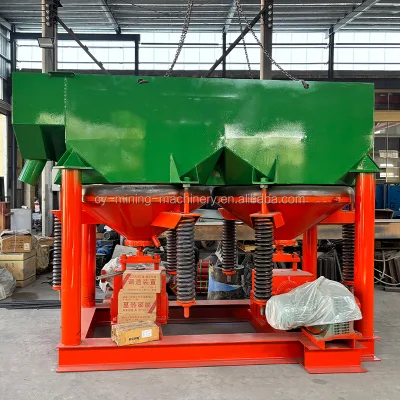
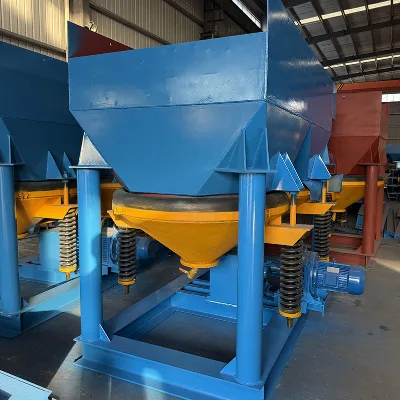


Tungsten Ore Mineral Jig Beneficiation Plant Coal Washing Ceramic Jig
$500.00 - $5000.00
MOQ: 1 Pieces

Efficient Mining Gravity Beneficiation Equipment, Diamond Barite Ore Jigger
$500.00 - $5000.00
MOQ: 1 Pieces

Comprehensive Sourcing Guide
Coal Washing Gravity Jig Machine Sourcing Guide
Procuring a Coal Washing Gravity Jig Machine requires a disciplined approach to aligning mechanical specifications with operational throughput goals. Buyers must first define the precise feed size and material density characteristics of their coal source, as these factors directly dictate the required chamber configuration and power consumption. The observed market data indicates a wide variance in capacity, ranging from small-scale units handling 6-8 tons per hour to heavy-duty models capable of processing 40-60 tons per hour. This disparity necessitates a careful audit of site infrastructure, including power supply stability and water availability, to ensure the selected machine integrates seamlessly into existing processing circuits without causing bottlenecks or excessive energy waste.
Beyond raw capacity, the physical footprint and installation requirements are critical decision points for facility planners. Gravity separators vary significantly in weight, with some units weighing less than one ton while others exceed five tons, impacting foundation design and logistics costs. Buyers should verify the feeding size specifications, which range from fine particles under five millimeters to coarser materials up to fifty millimeters, to prevent premature wear or inefficient separation. Understanding these physical constraints early in the sourcing process allows for accurate budgeting of civil works and ensures that the machinery fits within the designated plant layout, minimizing retrofitting expenses and operational delays during commissioning.
Product Scope and Observed Listing Signals
The current market landscape for gravity separation equipment reveals a diverse array of models tailored to specific mineral recovery needs. Listings frequently highlight customization options, allowing buyers to tailor voltage configurations to local standards, such as 380V or 440V systems. The observed price range is substantial, spanning from approximately $500 to $85,000, reflecting differences in chamber count, motor power, and overall build quality. Buyers should interpret this range as an indicator of scalability, where entry-level units may suffice for small-scale operations, while high-capacity models with multiple chambers and robust power ratings are necessary for industrial-scale coal washing applications requiring consistent high-volume output.
Material composition and durability features are prominent signals in product listings, with carbon steel being a common construction material due to its strength and cost-effectiveness. Many suppliers emphasize energy-saving designs and anti-rust treatments, which are crucial for maintaining performance in wet, abrasive environments typical of coal processing. The presence of certifications such as CE and ISO9001 serves as a baseline quality indicator, suggesting adherence to international manufacturing standards. However, buyers must distinguish between generic marketing claims and verified technical attributes, focusing on specific details like chamber count and power consumption to accurately assess the machine’s suitability for their specific coal washing requirements.
Technical Specifications to Verify
Verifying the technical specifications of a gravity jig machine is paramount to ensuring efficient separation performance. Buyers must closely examine the power rating, which varies from low-consumption units at 3 kW to high-power models requiring 22 kW or more. The number of chambers is a critical design element, with configurations ranging from two chambers for simpler setups to eight chambers for complex, high-throughput operations. Each chamber contributes to the separation efficiency, so the total number must align with the desired recovery rate and the specific gravity differences between coal and impurities. Additionally, the feeding size range must be strictly matched to the machine’s inlet design to prevent blockages and ensure uniform particle distribution across the jig bed.
Capacity metrics provide another layer of technical verification, with listed outputs spanning from 1-30 tons per hour depending on the model. Buyers should cross-reference these capacity figures with their actual ore throughput requirements, accounting for potential variations in feed density and moisture content. The standard surface area of the jig bed, often cited in square meters, is a key indicator of processing capability. Furthermore, the condition of the equipment, whether new or refurbished, impacts long-term reliability and maintenance schedules. Ensuring that all technical parameters are explicitly stated in the quotation prevents misunderstandings and guarantees that the purchased machine meets the operational demands of the coal washing plant.
Compliance and Safety Documentation
Compliance with international safety and quality standards is non-negotiable for industrial mining equipment. Buyers must verify that the gravity jig machine holds valid CE certification, which confirms adherence to European health, safety, and environmental protection standards. This certification is often a prerequisite for importing machinery into many global markets and ensures that the electrical and mechanical components meet rigorous safety protocols. Additionally, ISO9001 certification indicates that the manufacturer follows a certified quality management system, providing assurance regarding consistent production quality and process control. These certifications serve as essential documentation for regulatory approvals and insurance requirements at the buyer’s facility.
Beyond certifications, comprehensive safety documentation should include detailed operation manuals, electrical schematics, and maintenance guidelines. Buyers should request evidence of material durability features, such as anti-rust treatments, which are critical for equipment longevity in corrosive environments. The warranty terms, typically ranging from one to two years, offer a layer of financial protection against manufacturing defects. It is also important to verify the packing standards, ensuring that the machine is exported in a manner that protects sensitive components during transit. Proper documentation not only facilitates smooth customs clearance but also provides the operational team with the necessary resources to maintain safe and efficient machine performance throughout its lifecycle.
Cost Drivers and Commercial Terms
Understanding the cost drivers behind gravity jig machine pricing helps buyers negotiate more effectively and avoid hidden expenses. The primary factors influencing cost include the machine’s capacity, power consumption, and the number of separation chambers. High-capacity models with multiple chambers and higher power ratings naturally command a premium price. Additionally, the level of customization, such as specific voltage requirements or tailored feeding sizes, can increase the base cost. Buyers should also consider the material quality, with carbon steel construction offering a balance of durability and cost, while specialized coatings or treatments may add to the initial investment but reduce long-term maintenance costs.
Commercial terms play a significant role in the total cost of ownership, with minimum order quantities often set at one unit for these specialized machines. Buyers should clarify the packing details, as export-standard packaging or naked container shipping affects logistics costs and insurance premiums. Warranty coverage is another critical term, with options ranging from one to two years, impacting the risk profile of the purchase. It is advisable to negotiate clear terms for spare parts supply, ensuring that replacement components are available and reasonably priced. By carefully evaluating these commercial aspects, buyers can structure a deal that aligns with their budget constraints while securing reliable long-term support and operational continuity.
Supplier Qualification and Quality Control
Supplier qualification is a critical step in mitigating procurement risks for heavy industrial machinery. Buyers should prioritize manufacturers with a proven track record in producing gravity separators, verifying their production capabilities and quality control processes. The origin of the machine, often listed as China or Zhengzhou, provides context for the supply chain but does not guarantee quality on its own. Instead, buyers should request detailed information about the manufacturing facility, including equipment used for fabrication and testing procedures. Engaging with suppliers who offer customized solutions demonstrates their technical flexibility and ability to meet specific operational requirements, which is a strong indicator of their engineering competence.
Quality control measures should be explicitly defined in the procurement agreement, including pre-shipment inspections and performance testing protocols. Buyers should verify that the supplier provides a comprehensive list of spare parts, ensuring that maintenance can be performed without significant downtime. The condition of the machine, whether new or refurbished, must be clearly stated and verified through visual inspection or third-party assessment. Additionally, suppliers should provide clear documentation on the machine’s standard compliance, such as JT1010-2, to ensure it meets industry-specific requirements. Establishing a robust supplier qualification process helps secure a reliable partner who can deliver high-quality equipment and provide ongoing technical support throughout the machine’s operational life.
Long-Term Procurement Checks
Long-term procurement success depends on establishing a framework for ongoing supplier performance and machine reliability. Buyers should implement regular check-ins with the supplier to monitor warranty claims, spare parts availability, and technical support responsiveness. The availability of customized solutions and the supplier’s ability to adapt to changing operational needs are key indicators of their long-term viability as a partner. Additionally, buyers should track the machine’s performance metrics, such as separation efficiency and energy consumption, to identify any deviations from expected standards. This data-driven approach allows for proactive maintenance and optimization, ensuring that the gravity jig machine continues to meet production targets over its lifespan.
Furthermore, buyers should maintain a comprehensive record of all documentation, including certifications, manuals, and warranty agreements, to facilitate future audits and compliance checks. Regular reviews of the supplier’s quality control processes and adherence to standards like ISO9001 help ensure consistent product quality. It is also advisable to stay informed about industry advancements and technological improvements in gravity separation equipment, which may offer opportunities for upgrades or replacements. By maintaining a strategic focus on long-term procurement checks, buyers can maximize the return on investment, minimize operational disruptions, and sustain a competitive edge in coal washing operations through reliable and efficient machinery performance.
FAQs
What certifications do these gravity separators have?
These machines typically hold CE and ISO9001 certifications to ensure safety and quality standards. The product attributes confirm CE certification is available, while ISO9001 is linked to durable and anti-rust material features for reliable industrial performance.
How much does a Coal Washing Gravity Jig Machine cost?
The observed price range for these units spans from 500 to 85000 USD depending on the specific model and capacity. Prices vary significantly based on power requirements, chamber configurations, and whether the unit is customized for specific ore processing needs.
Can I get a customized gravity separator for my ore?
Yes, customization is available for these gravity separators to meet specific processing requirements. Some models are listed as non-customized while others offer customized options, allowing buyers to tailor the machine for different feeding sizes and material types like chromium ore.
What is the typical capacity of these gravity jig machines?
Capacity varies by model, ranging from 6 to 8 tons per hour up to 40 to 60 tons per hour. Some larger units can handle capacities between 20 and 25 tons per hour, with specific models supporting up to 30 tons per hour according to the model selected.
Which voltage options are available for these machines?
Available voltage options include 380V and 440V to suit different regional power standards. Buyers can select units based on their facility's electrical infrastructure, ensuring compatibility with either standard voltage configuration for optimal operation of the gravity separation process.
What warranty is provided for these gravity separators?
Warranty periods typically range from 1 year to 2 years depending on the specific model purchased. Some units come with a standard one-year warranty, while others may offer extended coverage up to two years to ensure long-term operational reliability for the buyer.
Where are these gravity jig machines manufactured?
These machines are manufactured in Zhengzhou, China, which is a known hub for mining equipment production. The origin is confirmed as China, ensuring that buyers can trace the supply chain back to a specific industrial region known for this type of heavy machinery.