Source Anti-Breathable Athletic Socks for Running, Sports, Training
Find 30 options for anti-bacterial breathable athletic socks suitable for running, daily wear, and outdoor sports. Buyers can compare features like moisture wicking, customization, and material types including cotton and nylon to select the right fit.
Key considerations
Products List


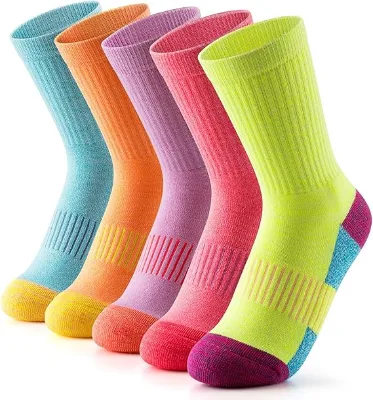
Breathable and Anti-Slip Sports Running Compression Socks Unisex Short Socks
$0.20 - $1.50
MOQ: 200 Pairs




Comprehensive Sourcing Guide
Strategic Sourcing Guide for Anti-Bacterial Breathable Athletic Socks
Defining Technical Specifications and Material Composition
When sourcing anti-bacterial breathable athletic socks, the primary objective is to align product attributes with rigorous performance requirements. The market offers a diverse range of configurations, but successful procurement begins with a precise definition of technical specifications. Based on observed product data, the core material composition for these items often involves a blend of Cotton and Nylon. Cotton provides the necessary softness and comfort against the skin, while Nylon introduces durability and structural integrity essential for high-intensity activities. Buyers must verify the specific ratio of these materials, as the balance directly influences the sock's ability to wick moisture and maintain shape after repeated washing cycles.
The physical dimensions of the socks are equally critical. Specifications indicate a Foot Length range of 22-24 cm, which is standard for adult sizing. However, the length category varies significantly across the product line, including Ankle Socks, Crew Socks, and Knee Socks. The "Ankle Socks-055Y" model represents a specific style within this spectrum, while other entries denote "Crew Socks" or "Knee Socks" as distinct length categories. Thickness is another variable, with observations noting both "Normal" and "Thin" variants. Thin thickness is often preferred for summer use or high-ventilation sports, whereas normal thickness may be required for colder seasons or added cushioning. The height of the sock, described as "Tall" in some contexts, further differentiates the product from standard athletic wear, catering to specific aesthetic or functional needs like compression or protection.
Breathability is a non-negotiable feature for athletic applications. The product attributes explicitly list "Breathable" as a key characteristic, often paired with "Mesh Ventilation" designs. This structural feature is vital for temperature regulation during activities such as running, sports, and outdoor training. The presence of "Moisture Wicking" fabric features further supports the claim of breathability, ensuring that sweat is drawn away from the skin to prevent blisters and discomfort. Buyers should scrutinize the fabric construction to confirm that the mesh ventilation is strategically placed in high-sweat areas, such as the top of the foot and the ankle, to maximize airflow without compromising the sock's structural integrity.
Compliance Standards and Certification Verification
In the B2B procurement of athletic textiles, compliance and certification are paramount for mitigating risk and ensuring product safety. While the supplied data indicates that the product origin is China and that standards can be "customized," buyers must not assume that all listed products automatically meet international safety benchmarks. The background information mentions certifications such as GOTS, Oeko-Tex, BSCI, and ISO 9001, but these are flagged as low-confidence background data. Consequently, procurement teams must treat these as verification targets rather than guaranteed attributes.
The "prod_standard" field in the product data shows values like "customized" or specific dimensions such as "30253," which likely refer to packaging or sizing standards rather than textile safety certifications. It is crucial to distinguish between internal quality standards and external regulatory compliance. For anti-bacterial claims, buyers should request specific test reports that validate the efficacy of the treatment. The "Anti-Bacterial" feature is listed as a core attribute, but the mechanism of action (e.g., silver ion treatment, natural fiber properties) and the duration of effectiveness must be confirmed through third-party laboratory testing.
Furthermore, the "Customized" standard implies that the manufacturer can tailor the product to meet specific buyer requirements. This flexibility is advantageous but requires a robust quality assurance process. Buyers should verify if the supplier adheres to ISO 9001 for quality management systems, even if not explicitly stated in the initial product listing. Similarly, if the target market has strict environmental regulations, verifying Oeko-Tex or GOTS certification becomes essential to ensure the absence of harmful substances. The "Eco-Friendly" attribute observed in some listings suggests a potential alignment with sustainable practices, but this must be substantiated with documentation rather than assumed from marketing terms.
Cost Drivers and Pricing Dynamics
Understanding the cost structure of anti-bacterial breathable athletic socks is essential for budgeting and negotiation. The observed price range in the market spans from $0.20 to $20.00 USD, a wide variance that reflects differences in material quality, production complexity, and order volume. The lower end of this spectrum typically corresponds to basic cotton blends with standard anti-bacterial treatments and minimal customization. Conversely, the higher price points likely reflect advanced moisture-wicking technologies, premium nylon blends, intricate mesh designs, and extensive customization services.
Minimum Order Quantity (MOQ) is a significant factor influencing the unit cost. The observed MOQ range is between 2 and 3000 units. Suppliers offering an MOQ as low as 2 units are likely catering to small businesses or sample procurement, which often results in a higher per-unit cost due to setup fees and lower production efficiency. In contrast, orders approaching the 3000-unit threshold can leverage economies of scale, significantly reducing the cost per pair. Buyers must balance their inventory needs with cash flow constraints to determine the optimal order size.
Customization is another major cost driver. The product data confirms that "Customization" is available, including "Custom ODM & OEM" services and the ability to "Accept Customized Logo." These services require additional setup time, design resources, and potentially specialized machinery, all of which contribute to the final price. The "prod_packing" options, ranging from "OPP Bag" to "Box" or "Customized" packaging, also impact costs. Custom packaging with branding elements will incur higher expenses compared to standard bulk packaging. Additionally, the "Service" attribute highlights the availability of ODM and OEM, suggesting that buyers can engage suppliers for full product development, which adds value but also increases the overall project cost.
Typical Applications and Usage Scenarios
The versatility of anti-bacterial breathable athletic socks allows them to serve a wide array of applications, from professional sports to daily leisure activities. The product attributes explicitly list "Running, Sports" as primary uses, but the data also includes "Daily Wear," "Outdoor Sport," and specific occasions like "Football, Soccer, Training." This broad applicability indicates that these socks are designed to meet the demands of high-performance athletes as well as casual consumers.
For running and sports, the combination of "Breathable," "Anti-Bacterial," and "Sweat-absorbent" features is critical. The "Function: Sweat-absorbent" attribute ensures that the socks can manage high levels of perspiration, keeping the foot dry and reducing the risk of fungal infections. The "Non-slip" and "Stretchy" fit features, along with a "Non-Slip Cuff," provide stability and prevent the sock from sliding down during vigorous movement. This is particularly important for activities like soccer training or trampoline sports, where foot stability is paramount.
The "Season" attribute, listing "Spring, Summer, Autumn," suggests that these socks are optimized for warmer weather conditions. The "Thin" thickness and "Mesh Ventilation" design support this seasonal suitability by promoting airflow and cooling. However, the availability of "Normal" thickness and "Cotton" material also makes them suitable for transitional seasons. The "Style" attributes, such as "Sporty," "Striped Knee High," and "Polka dot," indicate that these socks are not purely functional but also serve as fashion accessories. The "Unisex" and "Adults" classification ensures that the product can be marketed to a broad demographic, including both men and women across various age groups.
Supplier Evaluation and Service Capabilities
Selecting the right supplier is a critical step in the procurement process. The product data reveals that suppliers offer "Custom ODM & OEM" services, indicating a capacity for both original design manufacturing and original equipment manufacturing. This flexibility is a strong indicator of a supplier's ability to adapt to specific buyer requirements. The "Logo: Accept Customized Logo" attribute further confirms that suppliers are equipped to handle branding needs, which is essential for private label strategies.
When evaluating suppliers, buyers should look for evidence of their capability to handle the full range of customization options. The "prod_standard: customized" entry suggests that suppliers are willing to tailor their production processes to meet unique specifications. However, buyers must verify the supplier's track record in delivering consistent quality across different customization requests. The "prod_packing" options, including "OPP Bag," "Box," and "Customized," demonstrate that suppliers have the logistical capability to handle various packaging requirements, which is vital for retail readiness.
The "Service" attribute explicitly mentions "Custom ODM & OEM," which implies that the supplier can assist with product development from concept to completion. This is particularly valuable for buyers looking to create unique products that stand out in the market. However, buyers should also assess the supplier's communication efficiency and responsiveness. The ability to provide detailed technical specifications, such as the "Foot Length (cm)" and "Thickness" variations, indicates a level of transparency and professionalism. Additionally, the "Location: China" origin suggests that buyers should be aware of potential logistical challenges, such as shipping times and import regulations, and factor these into their procurement strategy.
Quality Control and Long-Term Procurement Considerations
Ensuring consistent quality is paramount for maintaining brand reputation and customer satisfaction. The "Feature: Anti-Bacterial" and "Fabric Feature: Moisture Wicking" attributes must be validated through rigorous quality control measures. Buyers should implement a quality assurance protocol that includes pre-production sample approval, in-process inspections, and final random sampling. The "Thickness: Normal" and "Thin" variations require specific testing to ensure that the material properties remain consistent across different batches.
Long-term procurement considerations involve building a sustainable relationship with suppliers. The "Customization: Available" and "Service: Custom ODM & OEM" attributes suggest that suppliers are open to long-term partnerships. Buyers should focus on establishing clear communication channels and setting mutual expectations regarding quality standards, delivery timelines, and pricing structures. The "prod_model" variations, such as "Ankle Socks-055Y," "1," "2. B," and "one size fits all," indicate a diverse product portfolio that can support a growing business.
Buyers should also consider the environmental impact of their procurement decisions. The "Eco-Friendly" attribute and the potential for "GOTS" or "Oeko-Tex" certification align with increasing consumer demand for sustainable products. By prioritizing suppliers who demonstrate a commitment to environmental responsibility, buyers can enhance their brand image and appeal to eco-conscious consumers. Finally, the "Fit: Stretchy, Non-Slip Cuff" and "Function: Non-slip" features highlight the importance of functional durability. Regular quality checks should ensure that these features do not degrade over time, maintaining the product's performance throughout its lifecycle.
Comparative Analysis of Product Variants
To facilitate informed decision-making, it is helpful to compare the key attributes of different sock variants. The following table summarizes the observed specifications and features across the product range:
| Feature | Variant A (Ankle Socks-055Y) | Variant B (Crew/Knee Socks) | Variant C (General Sport) |
|---|---|---|---|
| Material | Cotton, Nylon | Cotton, Nylon | Cotton, Nylon |
| Length | Ankle | Crew, Knee | Ankle, Crew, Knee |
| Thickness | Normal | Thin | Normal, Thin |
| Pattern | Polka dot, Solid | Striped, Solid | Polka dot, Solid |
| Key Features | Anti-Bacterial, Breathable | Moisture Wicking, Non-slip | Anti-Bacterial, Sweat-absorbent |
| Packing | OPP Bag | Box, Customized | OPP Bag, Box |
| Target Use | Running, Sports | Football, Soccer | Daily Wear, Outdoor Sport |
| Season | Spring, Summer, Autumn | Spring, Summer, Autumn | Spring, Summer, Autumn |
This comparison highlights the diversity in the product line, allowing buyers to select the most appropriate variant based on their specific market needs. The consistent presence of anti-bacterial and breathable features across all variants underscores the core value proposition of these products. By carefully evaluating these attributes, buyers can ensure that their procurement decisions align with both functional requirements and market expectations.
FAQs
What materials are used for anti-bacterial breathable athletic socks?
These socks typically use a blend of Cotton and Nylon. Cotton provides softness while Nylon adds durability, ensuring the product remains comfortable and structurally sound during high-intensity activities like running or sports.
Which foot lengths are available for adult anti-bacterial breathable athletic socks?
The standard foot length range is 22 to 24 cm for adult sizing. This dimension supports various styles including ankle, crew, and knee socks, accommodating different user preferences and activity requirements.
Can buyers request custom logos and packaging for these socks?
Yes, customization is available including custom logos and packaging options. Suppliers offer ODM and OEM services with packing choices ranging from OPP bags to boxes, allowing buyers to tailor products for their brand.
How does the thickness of these socks vary for different seasons?
Thickness varies between normal and thin variants to suit different weather conditions. Thin socks with mesh ventilation are ideal for spring, summer, and autumn, while normal thickness may be preferred for added cushioning.
What features ensure non-slip performance during athletic activities?
Non-slip performance is achieved through stretchy fits and non-slip cuffs. These features, combined with moisture-wicking fabric, keep the socks secure during running, soccer training, and other high-movement sports.
What is the typical minimum order quantity for custom athletic socks?
The minimum order quantity ranges from 2 to 3000 units depending on the supplier. Lower MOQs suit sample orders, while larger volumes leverage economies of scale to reduce the per-unit cost significantly.