Source Anti-Bacterial Breathable Diabetic Socks for Daily, Sport, and Recovery
Find 30 Anti-Bacterial Breathable Diabetic Socks from China suppliers. Compare OEM services, custom designs, and materials like cotton and nylon for daily wear, sports, and specialized care needs; compare the available evidence and request quotations based on your requirements.
Key considerations
Products List


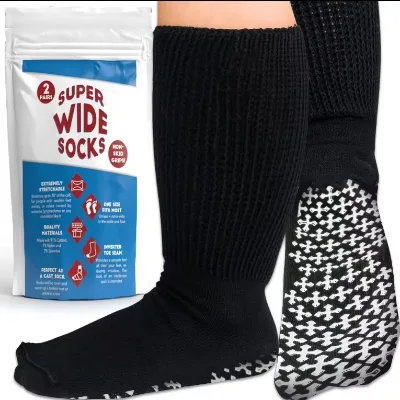
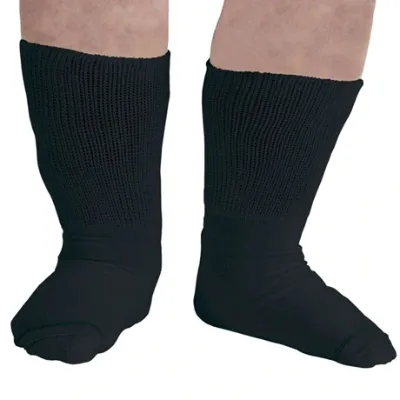


Wide Cuff Non Binding Patient Hospital Knitted Pattern Medical Diabetic Socks
$0.88 - $2.71
MOQ: 100 Pairs


Comprehensive Sourcing Guide
Anti-Bacterial Breathable Diabetic Socks Sourcing Guide
Procuring specialized hosiery for medical and daily use requires a nuanced understanding of material science and manufacturing capabilities. Buyers must distinguish between standard thermal socks and those engineered for specific physiological needs, such as improved circulation and moisture management. The market offers a variety of options, ranging from knitted cotton blends to synthetic nylon constructions, each serving different functional purposes. Understanding these distinctions is critical for selecting products that meet both comfort and clinical requirements.
This guide focuses on sourcing anti-bacterial and breathable diabetic socks, leveraging observed market data to inform decision-making. We examine product scopes, technical specifications, compliance needs, cost structures, supplier qualifications, and long-term procurement strategies. By adhering to evidence-based criteria, buyers can mitigate risks associated with quality inconsistencies and ensure that the final products deliver the promised therapeutic benefits. This approach supports informed purchasing decisions that align with brand standards and end-user health needs.
Product Scope and Observed Listing Signals
The current market landscape for diabetic socks includes diverse product types, from crew socks to stockings, often featuring custom designs and OEM services. Observed listings indicate a strong emphasis on customization, with suppliers offering customer logos and specific packaging options like color boxes or polybags. Key attributes frequently highlighted include thermal properties, eco-friendly materials, and breathability, which are essential for maintaining foot health. These features suggest a broad application range, catering to both daily wear and sport activities, while addressing specific needs like anti-slip and deodorization.
Weight and size variations are significant indicators of product differentiation, with observed weights ranging from 0.04kg to 0.12kg per pair. Sizes typically span from S/M to L/XL, with some suppliers offering custom sizing to accommodate diverse foot shapes. The origin of these products is predominantly China, with notable manufacturing hubs in Ningbo, Haining, and Zhejiang. This geographic concentration suggests a mature supply chain with established logistics networks, allowing for efficient sourcing and potential cost advantages for international buyers seeking reliable suppliers.
Technical Specifications to Verify
Verifying technical specifications is paramount to ensuring the socks meet therapeutic standards. Buyers should confirm the material composition, as observed listings show options like cotton and nylon, each offering distinct benefits such as softness or durability. The knitting technique, whether standard knitting or specialized methods, impacts the sock's elasticity and fit. It is crucial to verify that the construction avoids tight elastic bands that could restrict circulation, a common concern for diabetic patients. Additionally, the presence of seamless toes and reinforced heels can enhance comfort and prevent friction-related injuries.
Breathability and moisture-wicking capabilities are critical technical factors that must be validated. Suppliers often claim anti-bacterial and anti-fungal properties, but buyers should request evidence of these claims through material certifications or test reports. The thickness of the socks, described as normal in some listings, should be appropriate for the intended season, such as spring or autumn. Furthermore, the height of the socks, whether middle or tall, should be selected based on the user's mobility and comfort preferences, ensuring adequate coverage without causing discomfort.
Compliance and Safety Documentation
Compliance with safety standards is non-negotiable for medical-grade hosiery. Buyers must ensure that suppliers provide documentation verifying the anti-bacterial and anti-fungal properties of the materials used. This may include certificates from recognized testing laboratories confirming the efficacy of the treatments applied to the socks. It is also important to verify that the products comply with relevant textile safety regulations, such as limits on harmful substances like formaldehyde or heavy metals. These documents serve as proof of quality and safety, protecting both the buyer and the end-user from potential health risks.
Additionally, buyers should inquire about the environmental compliance of the manufacturing process, especially if eco-friendly claims are made. Certifications related to sustainable sourcing or ethical manufacturing practices can enhance brand reputation and appeal to environmentally conscious consumers. It is advisable to request sample testing results to validate claims regarding breathability and thermal retention. By prioritizing suppliers with robust compliance documentation, buyers can mitigate legal and reputational risks associated with non-compliant products.
Cost Drivers and Commercial Terms
Cost structures for diabetic socks are influenced by material quality, customization levels, and order volume. Observed price ranges vary significantly, reflecting differences in material composition and production complexity. Buyers should consider the total cost of ownership, including shipping, tariffs, and potential returns due to quality issues. MOQs typically range from 10 to 2000 pairs, offering flexibility for both small-scale trials and large-volume orders. Understanding these commercial terms helps in budgeting and negotiating favorable payment conditions with suppliers.
Customization services, such as logo printing and custom packaging, often incur additional costs. Buyers should clarify these fees upfront to avoid unexpected expenses. Lead times can vary based on order size and customization requirements, so it is essential to establish clear timelines with suppliers. Payment terms, such as deposits or letters of credit, should be negotiated to balance risk and cash flow. By carefully evaluating cost drivers and commercial terms, buyers can optimize their procurement strategy and achieve better value for money.
Supplier Qualification and Quality Control
Supplier qualification involves assessing manufacturing capabilities, quality control processes, and past performance. Buyers should verify the supplier's experience in producing medical-grade hosiery and their ability to meet specific technical requirements. Requesting references or case studies from previous clients can provide insights into the supplier's reliability and consistency. It is also important to evaluate their quality control measures, including in-process inspections and final product testing, to ensure that every batch meets the agreed-upon standards.
Establishing a robust quality control protocol is essential for maintaining product integrity. Buyers should define clear acceptance criteria for defects, such as stitching errors or material inconsistencies, and communicate these to suppliers. Regular audits or third-party inspections can help monitor compliance and identify areas for improvement. Building a long-term relationship with a qualified supplier fosters trust and ensures a steady supply of high-quality products. By prioritizing supplier qualification and quality control, buyers can minimize risks and enhance customer satisfaction.
Long-Term Procurement Checks
Long-term procurement success depends on continuous monitoring and evaluation of supplier performance. Buyers should establish key performance indicators (KPIs) to track metrics such as on-time delivery, product quality, and responsiveness to issues. Regular reviews of these metrics help identify trends and areas for improvement, allowing for proactive management of the supply chain. It is also important to stay updated on market trends and technological advancements in hosiery manufacturing, ensuring that the sourced products remain competitive and relevant.
Building a diversified supplier base can mitigate risks associated with single-source dependencies. Buyers should periodically assess alternative suppliers to ensure competitive pricing and quality options. Engaging in open communication with suppliers fosters collaboration and innovation, leading to better product development and service. By implementing long-term procurement checks, buyers can sustain a resilient and efficient supply chain, supporting business growth and customer loyalty in the competitive hosiery market.
FAQs
What materials are used for these diabetic socks?
The socks are primarily made from cotton and nylon blends to ensure comfort and durability. Cotton provides breathability and softness against the skin, while nylon adds strength and elasticity. This combination supports the thermal and anti-bacterial features required for daily wear and diabetic care needs.
Can I customize the logo on these socks?
Yes, customer logo customization is available for these products. The supplier offers OEM services, allowing you to add your brand identity to the socks. This service supports custom designs and packaging options, making it suitable for businesses looking to create branded merchandise for retail or promotional purposes.
What are the standard packaging options for these socks?
Packaging varies by model, with options including color boxes, individual PP bags, and PE polybags. Some items are packed as one pair per PP bag, while others use single-piece PE polybags. Custom packaging is also available to meet specific retail or wholesale requirements for your distribution channels.
Are these socks suitable for both men and women?
Yes, these socks are designed as unisex products suitable for adults. They are available in standard sizes such as S/M and L/XL, as well as custom sizes. The knee-high and crew styles cater to various preferences, ensuring a comfortable fit for both male and female wearers.
What features make these socks anti-bacterial and breathable?
The socks incorporate knitted techniques and specific material blends to enhance breathability and provide anti-bacterial properties. Features include thermal regulation, eco-friendly materials, and deodorization capabilities. These attributes help maintain foot hygiene and comfort, making them ideal for daily use and sport applications in various seasons.
Where are these socks manufactured?
These socks are manufactured in China, with specific origins including Ningbo, Haining, and Zhejiang. The production facilities are located in these regions, which are known for their textile manufacturing capabilities. Buyers can source directly from these locations to ensure quality control and efficient logistics for their orders.