Source anti-bacterial waterproof inflatable swimming ring for Pools, Beaches, and Water Parks
Compare 30 listings for the anti-bacterial waterproof inflatable swimming ring designed for adults and children. Buyers can review customization options, size standards, and certification details from verified Chinese manufacturers.
Key considerations
Products List


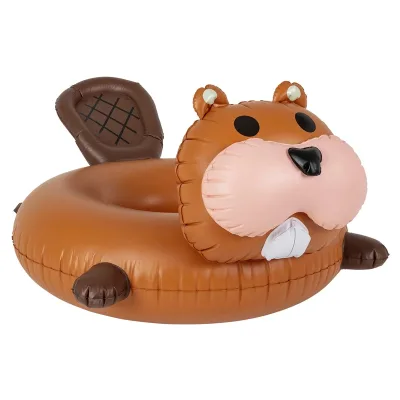
Swimming Summer Inflatable Pool Rings Beach Pool Float Water Tube Swim Ring
$1.93 - $2.11
MOQ: 10 Pieces

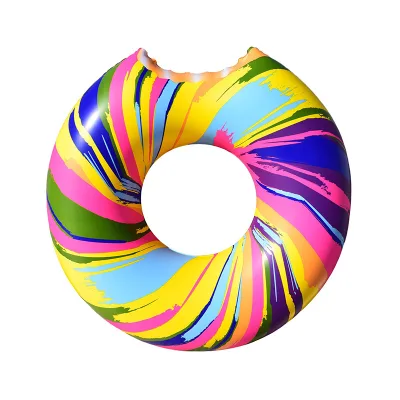
Summer Pool Parties Inflatable Pool Swimming Ring for Adults Air Swimming Ring
$3.05 - $3.99
MOQ: 500 Pieces

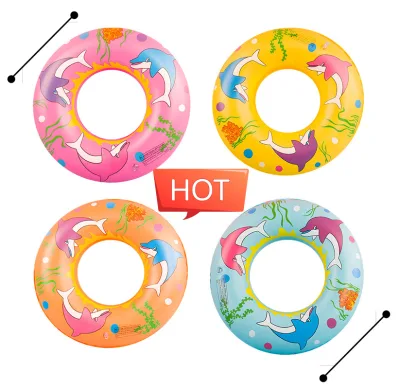
Summer Beach Party Decoration Swim Rings for Adults Pool Inflatable Swimming Ring
$6.40 - $7.06
MOQ: 1000 Pieces

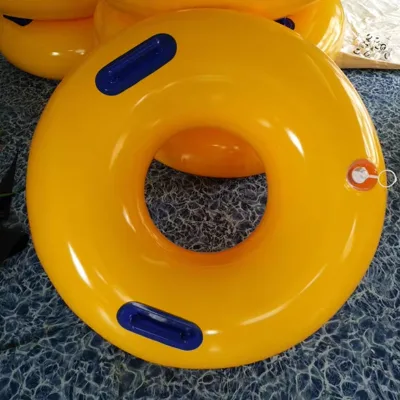
Attractive Design Air Swimming Ring Easy Inflate and Deflate Pool Swimming Ring
$2.25 - $3.90
MOQ: 500 Pieces


Professional High Quality Inflatable Swimming Rings for Kids and Adults
$1.00 - $3.00
MOQ: 1000 Pieces


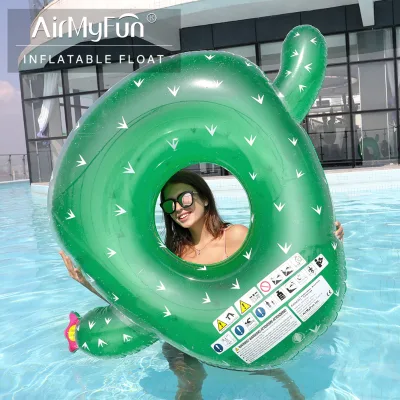
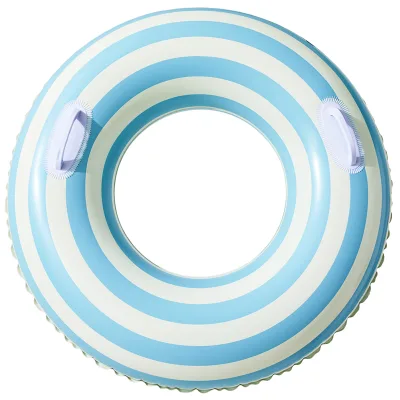
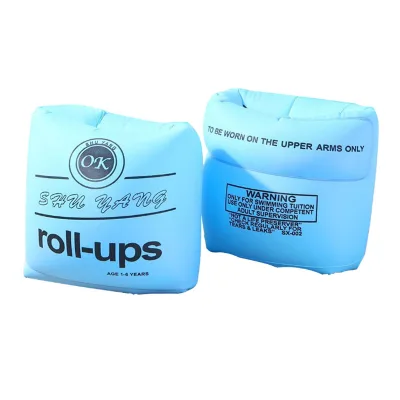
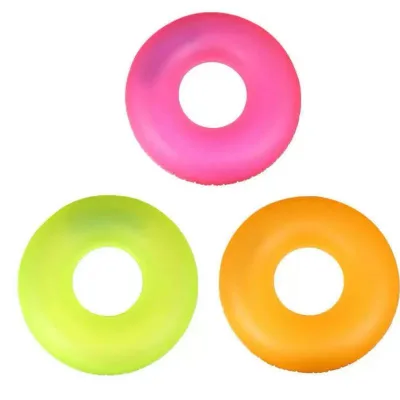
Comprehensive Sourcing Guide
Strategic Sourcing Guide for Anti-Bacterial Waterproof Inflatable Swimming Rings
Understanding Product Specifications and Core Attributes
When sourcing an anti-bacterial waterproof inflatable swimming ring, buyers must first establish a clear understanding of the product's fundamental technical specifications. The core product category is defined as an inflatable swimming ring, often categorized under swimming equipment or water amusement accessories. The primary material construction typically involves durable, nontoxic plastic designed to withstand repeated inflation and deflation cycles. A critical attribute for this specific keyword is the inclusion of anti-bacterial and waterproof features. While many standard rings offer basic waterproofing, the anti-bacterial property suggests a specialized surface treatment or material additive intended to inhibit microbial growth, which is particularly relevant for products used in shared environments like public pools or water parks.
The physical dimensions of these rings vary significantly based on the intended user demographic. Available standard sizes observed in the market include 45cm, 55cm, 65cm, 74cm, and 84cm, alongside specific metric measurements such as 71cm, 80cm, and 47.24 inches. For larger adult applications, dimensions can extend to 142x112.5x70 cm. The weight of individual units is generally lightweight, with specific observations noting a weight of approximately 0.5kg, facilitating easy transport and storage. The installation type is exclusively inflatable, relying on safety valves for air retention. Color options are highly flexible, ranging from standard blue, pink, and green to fully customized colors, including transparent variants with colorful glints. The style is consistently identified as an inflatable ring, suitable for unisex, women, men, girls, boys, and even babies, ensuring broad market applicability.
Compliance and Certification Verification
For B2B procurement, verifying compliance with international safety and quality standards is non-negotiable. The supply chain for inflatable swimming rings often mandates specific certifications to ensure the product meets regulatory requirements in target export markets. High-confidence data indicates that reputable manufacturers in this sector typically hold BSCI, ISO9001, GSV, and ICTI certifications. These certifications cover social compliance, quality management systems, and factory audits, providing a baseline assurance of ethical manufacturing practices and consistent production quality.
Buyers must also scrutinize the specific material safety claims associated with the "anti-bacterial" and "nontoxic" attributes. While the provided data confirms the product is nontoxic, buyers should request specific test reports to validate the anti-bacterial efficacy. In the broader context of toy and water safety, standards such as EN 71-1 (mechanical and physical properties) and EN 71-8 (swimming pools) are often relevant benchmarks, though their specific application depends on the destination country's regulations. Additionally, chemical compliance standards like REACH and OEKO-TEX are critical for ensuring the materials do not contain harmful substances that could leach into the water or come into contact with skin. Although CE marking is a common requirement for European markets, its specific status must be verified on a per-supplier basis rather than assumed. Procurement teams should explicitly request certificates of analysis (CoA) and third-party test reports for the anti-bacterial treatment to ensure the claims are substantiated by laboratory data rather than marketing assertions.
Cost Drivers and Pricing Dynamics
The pricing structure for inflatable swimming rings is influenced by several variable factors, making it difficult to assign a single fixed price point. The observed market price range is broad, spanning from $0.43 to $150 USD. This significant variance is driven by differences in material quality, size, customization complexity, and order volume. The base cost is heavily impacted by the MOQ (Minimum Order Quantity), which ranges from as low as 1 unit for sampling to as high as 4,000,000 units for massive industrial orders.
Customization is a primary cost driver. Options such as customized logos, specific color matching, and unique printing techniques like silk-screen or CYMK printing add to the unit cost. The packaging method also influences the final price; while standard packing involves individual color boxes, bulk shipping often utilizes carton boxes to optimize logistics. Buyers should note that discounts are frequently discussed and are often tied to volume commitments. The origin of the product, primarily Guangdong, China, offers competitive manufacturing costs due to established supply chains for PVC and other inflatable materials, but logistics costs for sea, air, or express shipping (DHL/FedEx/UPS) will vary based on the chosen method and destination. Understanding these variables allows buyers to negotiate more effectively and budget accurately for the total landed cost of the product.
Typical Applications and Usage Scenarios
The versatility of the anti-bacterial waterproof inflatable swimming ring allows for deployment across a wide array of applications. The primary usage scenarios include outdoor activities, swimming pools, and water amusement places. The product is designed for whole-year use, making it suitable for both seasonal summer markets and indoor aquatic centers. The "water sport" classification highlights its utility in recreational activities, while the "water amusement places" designation points to commercial applications in water parks and resorts.
The target demographic is extensive, covering babies, children, and adults. This broad applicability means that procurement strategies must account for different safety requirements for different age groups. For instance, rings intended for babies and young children may require stricter adherence to anti-bacterial standards to prevent infections in vulnerable populations. The feature set, including anti-friction and quick-dry properties, enhances the user experience in high-traffic environments. The inclusion of safety valves ensures that the rings remain secure during use, a critical factor for commercial operators who manage large numbers of guests. Whether for a private pool, a public beach, or a commercial water park, the ring's design supports both individual leisure and organized water sports activities.
Supplier Evaluation and Quality Control Protocols
Selecting the right supplier requires a rigorous evaluation process that goes beyond price comparisons. Buyers should prioritize suppliers who demonstrate a robust quality control (QC) framework. A key indicator of a high-quality manufacturer is the implementation of a 24-48 hour inflated air testing protocol. This process ensures that each unit is leak-free and maintains structural integrity before packaging. Suppliers should also provide evidence of their OEM/ODM capabilities, allowing for custom branding and design modifications.
When evaluating potential partners, buyers should verify the supplier's location and logistical capabilities. Most suppliers in this category are based in Guangdong, China, a hub for inflatable toy manufacturing. The ability to handle various shipment methods, including sea shipping for bulk orders and air shipping or express delivery for urgent needs, is essential. Furthermore, the supplier's adherence to the observed certifications (BSCI, ISO9001, GSV, ICTI) serves as a proxy for their operational stability and ethical standards. Buyers should request a factory audit report or a video tour to confirm that the production lines are equipped to handle the specific anti-bacterial treatments and printing requirements. The presence of accessories like safety valves should be confirmed as standard inclusions to ensure the product is ready for immediate use upon arrival.
Long-Term Procurement and Sustainability Considerations
Sourcing anti-bacterial waterproof inflatable swimming rings is not merely a transactional event but a strategic partnership that impacts long-term brand reputation. The durability of the product, characterized by features like anti-UV and waterproof properties, directly influences the lifecycle of the inventory. Products that degrade quickly due to sun exposure or material fatigue can lead to high replacement costs and customer dissatisfaction. Therefore, buyers should prioritize suppliers who use high-grade, nontoxic materials that resist UV degradation and maintain their anti-bacterial properties over time.
Sustainability is increasingly becoming a factor in procurement decisions. While the provided data does not explicitly detail recycling programs, the emphasis on nontoxic materials aligns with broader environmental goals. Buyers should inquire about the recyclability of the materials used and the supplier's waste management practices. Additionally, the packaging strategy, which typically involves color boxes and cartons, should be evaluated for its environmental impact. Optimizing packaging to reduce waste while ensuring product protection during transit is a key consideration for cost-effective and eco-conscious sourcing. Finally, maintaining a consistent supply chain relationship with suppliers who offer flexible customization and reliable lead times will ensure that buyers can respond swiftly to market demands and seasonal fluctuations without compromising on quality or safety standards.
FAQs
What certifications do these swimming rings hold?
These rings typically hold BSCI, ISO9001, GSV, and ICTI certifications. Buyers should verify specific certificates for their target market, as some regions may require additional safety standards like EN 71 or CE for toys.
How can I customize the logo and color?
Customized logos and colors are available through OEM and ODM services. Buyers can request silk-screen or CYMK printing on the rings, with options for transparent variants or specific brand colors to match their design needs.
What are the standard sizes available for these rings?
Standard sizes include 45cm, 55cm, 65cm, 74cm, and 84cm, with some models reaching 142x112.5x70 cm. Specific dimensions like 47.24 inches or 71-80cm are also common, catering to both children and adults.
Can I order samples with a low minimum quantity?
Yes, samples can be ordered with a minimum quantity as low as 1 unit. Bulk orders start at higher volumes, but the low MOQ allows buyers to test quality and customization options before committing to large production runs.
What quality control measures are used for these rings?
Manufacturers perform a 24-48 hour inflated air testing protocol to ensure leak-free performance. This process verifies structural integrity and safety valve functionality before the rings are packed in individual color boxes or cartons.
Where are these products manufactured and shipped from?
Products originate from Guangdong, China, a major hub for inflatable toy manufacturing. Shipping methods include sea freight for bulk orders, air shipping for speed, or express delivery via DHL, FedEx, or UPS for urgent needs.
Are these rings suitable for all age groups?
Yes, they are suitable for unisex, women, men, girls, boys, and babies. The design supports whole-year use in pools and water parks, with features like anti-bacterial and anti-UV properties for safety and durability.