Source anti-bacterial knitted leggings for Fitness, Gym, Yoga
Compare 30 listings of anti-bacterial knitted leggings featuring varied materials like nylon-spandex blends and polyester options. Buyers can evaluate customization, sizing, and packing details from manufacturers in China.
Key considerations
Products List


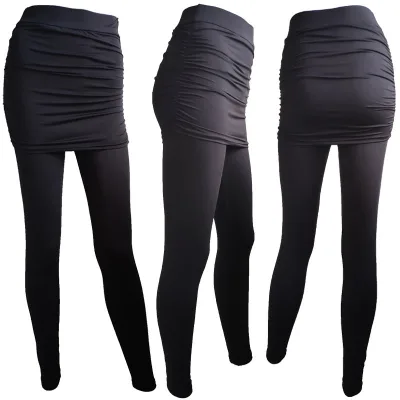
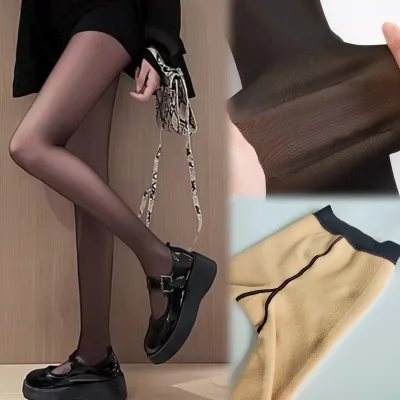

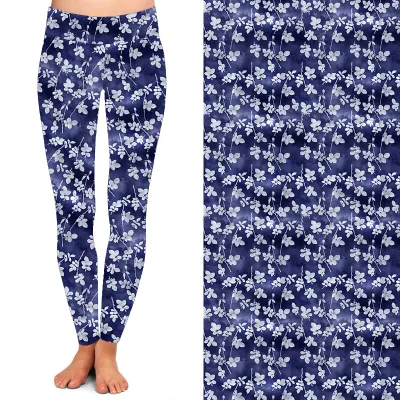


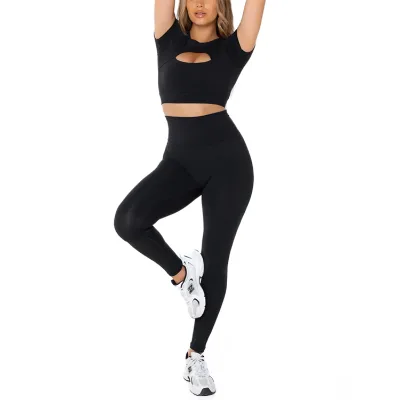
Comprehensive Sourcing Guide
Strategic Sourcing Guide for Anti-Bacterial Knitted Leggings
The global demand for performance activewear has driven a significant shift toward specialized textile solutions, particularly in the realm of anti-bacterial knitted leggings. For B2B procurement professionals, sourcing these garments requires a nuanced understanding of material composition, manufacturing standards, and supply chain logistics. Unlike casual wear, anti-bacterial leggings must balance functional performance with durability, making the selection of the right supplier and product specifications a critical business decision. This guide provides a comprehensive framework for evaluating potential suppliers and products, ensuring that procurement strategies align with both quality requirements and operational constraints.
Understanding Material Composition and Performance Standards
The foundation of any high-performance legging lies in its fiber blend. In the context of anti-bacterial knitted leggings, the material composition is paramount. While some products in the market utilize blends such as 94% Nylon and 6% Spandex, others may feature a mix of 55% Nylon, 39% Polyester, and 6% Spandex. A third variation observed includes 49% Nylon, 45% Polyester, and 6% Spandex. These specific ratios are not arbitrary; they dictate the garment's elasticity, moisture-wicking capabilities, and overall durability. The inclusion of Spandex is standard to provide the necessary stretch for activities like fitness, gym workouts, and yoga.
When evaluating anti-bacterial properties, buyers must look beyond the base fabric. While the provided data indicates materials like Polyester/Spandex and 100% Polyester, the specific anti-bacterial treatment is often a post-processing step or an inherent property of the fiber blend. Some products in the sector are noted for features such as Quick-Drying, Anti-Pilling, and Breathability, which are essential for maintaining hygiene during intense physical activity. The "Rip-Stop" and "Anti-UV" features found in certain listings suggest a robust construction suitable for outdoor or high-abrasion environments. However, it is crucial to verify that the anti-bacterial claim is backed by specific testing protocols rather than being a generic marketing term. Buyers should request detailed material breakdowns to confirm the exact percentage of functional fibers and the nature of the antimicrobial treatment applied.
Technical Specifications and Customization Capabilities
Technical specifications define the physical attributes of the product and its suitability for the target market. The sizing infrastructure for these leggings typically ranges from XXS to XXL, with some suppliers adhering to standard US sizing (S, M, L, XL, XXL). The waist type is frequently "High Waist," a design choice that offers core support and prevents slippage during movement. The length of the garment can vary significantly, with options available in both "Short" and "Long" configurations to suit different seasonal and functional needs.
Customization is a major driver in the B2B activewear market. Most suppliers indicate that color can be customized, and patterns such as "Striped" are available. The production model codes, such as RH-123, RH-118, and I20122514, suggest a modular approach to manufacturing where specific designs can be tailored. Furthermore, the packing requirements are flexible; while some products come in a standard 1 PC in a Polybag with 60-80 PCS in a Carton, others may require 1 PCS/Bag or specific carton configurations based on the buyer's logistics needs. The "Made in China" origin is a common attribute, indicating a mature manufacturing ecosystem capable of handling large-scale production. Buyers should verify if the "Customization" attribute extends to fabric weight, seam construction, and the specific application of anti-bacterial agents, as these details often differentiate premium products from standard inventory.
Compliance, Certification, and Quality Verification
In the realm of textile procurement, compliance and certification are non-negotiable, especially for products claiming health-related benefits like anti-bacterial properties. While the provided data does not explicitly list specific certification numbers for every item, the industry standard often involves adherence to safety and environmental norms. Buyers should be aware that standards such as OEKO-TEX and ISO 14001 are frequently referenced in the broader context of sustainable and safe textile production, even if they are not explicitly attached to every single product listing.
When sourcing anti-bacterial leggings, the primary verification step is to demand third-party test results. The claim of "Anti-Bacterial" must be substantiated by laboratory data demonstrating efficacy against specific bacteria strains, typically measured using methods like AATCC 100 or JIS L 1902. Without this documentation, the claim remains unverified. Additionally, the "Standard Us Size" and "Fabric Type" must be consistent with the buyer's target demographic. For instance, a product listed as "100% Polyester" with a "Woven" method might behave differently than a "Knitted" product with a "Polyester/Spandex" blend. The "Care Instructions" of "Machine Wash" are standard, but buyers must ensure that the anti-bacterial treatment survives repeated washing cycles. This longevity is a key performance indicator that should be tested before finalizing a bulk order.
Cost Drivers and Procurement Economics
The economics of sourcing anti-bacterial knitted leggings are influenced by several variables, including material costs, customization complexity, and order volume. The observed price range in the market spans from $1.10 to $14.00 USD, a wide spectrum that reflects differences in material quality, brand positioning, and the level of customization required. The Minimum Order Quantity (MOQ) is another critical cost driver, with observed ranges varying from 2 pieces to 500 pieces. Some suppliers specify an MOQ of 100 PCS per design, while others require 200 PCS per design.
Understanding the cost structure is essential for budgeting. The "40% Deposit and 60% Balance Before Shipping" payment term is a standard industry practice that mitigates risk for both parties. The "Sample Time" of 10-15 days adds a layer of lead time that must be factored into the overall project schedule. Buyers should note that customization, such as specific color requests or unique pattern applications, often increases the unit cost and may extend the sample and production lead times. Furthermore, the shipping method—whether by Express, Air, or Sea—will significantly impact the final landed cost. Sea freight is generally the most economical for large volumes, while air freight is reserved for urgent, smaller orders. The "Packing" requirements, such as the number of pieces per carton, also affect shipping efficiency and costs.
Supplier Evaluation and Operational Capabilities
Evaluating a supplier for anti-bacterial knitted leggings requires a holistic view of their operational capabilities. The "Made in China" origin suggests access to a vast network of textile manufacturers, but the quality of execution varies. Buyers should assess the supplier's ability to handle the "Customization" requests, including their capacity for color matching and pattern printing. The availability of models like RH-133, RH-121, and I20121104 indicates a diverse product portfolio, which can be advantageous for buyers looking to source multiple styles.
The "Usage" category, which includes Fitness, Gym, and Yoga, provides insight into the supplier's market focus. A supplier specializing in these areas is likely to have better expertise in the specific performance requirements of anti-bacterial leggings. The "Gender" attribute of "Unisex" suggests versatility, but buyers should verify if the sizing and fit are optimized for specific demographics. The "Closure Type" of "Drawstring" and "Trouser Leg" of "Straight" are common features, but the quality of these components can vary. Buyers should request samples to evaluate the stitching quality, the durability of the drawstring, and the overall finish of the garment. Additionally, the "Feature" set, including "Flame-Retardant" and "Quick-Drying," should be verified against the supplier's actual production capabilities to ensure consistency.
Quality Control and Long-Term Procurement Strategy
Implementing a robust quality control (QC) strategy is vital for maintaining brand integrity when sourcing anti-bacterial leggings. The "Thickness" of the fabric, described as "Normal," must be consistent across all units to ensure uniform performance. Buyers should establish clear QC checkpoints for material inspection, in-process monitoring, and final random inspection. The "Standard" of the product, whether it is a specific blend ratio or a customizable standard, must be strictly adhered to. Any deviation in the fiber composition can compromise the anti-bacterial properties and the garment's durability.
For long-term procurement, building a strategic partnership with the supplier is more beneficial than transactional buying. The "Sample Time" of 10-15 days allows for iterative improvements, but a reliable supplier should be able to maintain consistent quality over multiple production runs. Buyers should also consider the "Peculiarity" of the product, such as "Quick Dry" and "Anti-Pilling," as these are key selling points that must be maintained. Regular audits and performance reviews can help ensure that the supplier continues to meet the evolving needs of the market. Finally, the "Shipping" options and "Payment Term" flexibility should be negotiated to optimize cash flow and logistics efficiency. By focusing on these long-term considerations, buyers can secure a steady supply of high-quality anti-bacterial knitted leggings that meet both functional and commercial objectives.
Comparative Analysis of Product Attributes
To facilitate decision-making, the following table summarizes key attributes observed in the market for anti-bacterial knitted leggings. This comparison highlights the variability in specifications and helps buyers identify the most suitable options for their specific needs.
| Attribute | Observation A | Observation B | Observation C |
|---|---|---|---|
| Material Composition | 94% Nylon, 6% Spandex | 55% Nylon, 39% Polyester, 6% Spandex | 49% Nylon, 45% Polyester, 6% Spandex |
| Fabric Type | Woven | Polyester / Spandex | 100% Polyester |
| Waist Type | High Waist | High Waist | High Waist |
| Length | Short | Long | Short |
| Pattern | Striped | Customizable | Customizable |
| MOQ | 200 PCS Per Design | 100 PCS Per Design | 2-500 PCS |
| Origin | Made in China | China | Made in China |
| Key Features | Quick-Drying, Anti-Pilling | Rip-Stop, Flame-Retardant | Breathable, Anti-UV |
| Usage | Fitness, Gym, Yoga | Fitness, Gym, Yoga | Fitness, Gym, Yoga |
| Packing | 1 PC in Polybag, 60-80 in Carton | 1PCS/Bag | Carton |
This table illustrates that while the core application (Fitness, Gym, Yoga) remains consistent, the material and feature sets vary significantly. Buyers must align these attributes with their specific product requirements and target market expectations. The ability to customize color, pattern, and packing is a universal advantage, allowing for tailored solutions that meet diverse brand identities.
Conclusion
Sourcing anti-bacterial knitted leggings is a complex process that demands attention to detail in material selection, technical specifications, and supplier evaluation. By leveraging the observed data on material blends, customization options, and operational capabilities, buyers can make informed decisions that ensure product quality and market success. The wide range of price points and MOQs offers flexibility, but the critical factor remains the verification of anti-bacterial claims and the consistency of production standards. As the market continues to evolve, maintaining a rigorous approach to quality control and supplier relationships will be essential for sustaining a competitive edge in the activewear sector.
FAQs
Can I customize the color and pattern of these leggings?
Yes, color can be customized and striped patterns are available. Buyers should confirm specific design requirements with the supplier before production begins.
What is the minimum order quantity for these products?
The minimum order quantity ranges from 2 to 500 pieces depending on the supplier. Some specific designs require 100 or 200 pieces per design as a baseline.
How long does it take to receive a sample?
Sample time is typically 10 to 15 days. This duration allows for the creation of a prototype before the full production run begins.
What payment terms are standard for these orders?
Standard terms require a 40% deposit and a 60% balance before shipping. This structure protects both the buyer and the manufacturer during the production cycle.
Which materials are used to make these leggings?
Materials include blends like 94% Nylon with 6% Spandex or 55% Nylon with 39% Polyester and 6% Spandex. Some options are 100% Polyester or Polyester and Spandex blends.
Where are these leggings manufactured?
These products are made in China. This origin indicates access to a mature manufacturing ecosystem capable of handling large-scale production runs.
What sizes are available for these leggings?
Sizes range from XXS to XXL and include standard US sizes like S, M, L, XL, and XXL. Buyers should verify specific size charts with the supplier.