Source Anti-Corrosion Acid Laboratory Furniture Rack for Hospital School Lab
Compare 30 listings for anti-corrosion acid laboratory furniture rack designed for hospitals, schools, and research institutes. Options include stainless steel, epoxy coating, and custom sizes with delivery within 15 workdays.
Key considerations
Products List


Acid Chemical Laboratory Furniture Safety Storage Cabinet
$120.00 - $600.00
MOQ: 1 Pieces
Guangdong Zhijian Experimental Equipment Technology Co., Ltd.
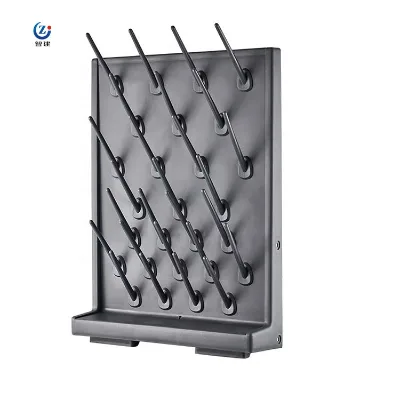
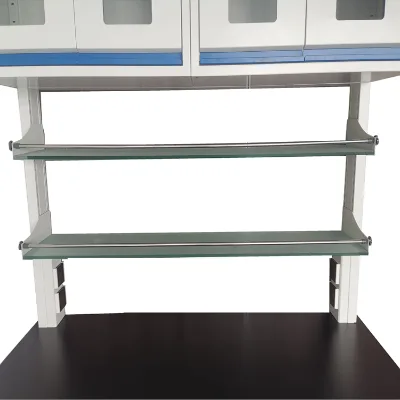


Lab Wall Overhead Cabinet Supported by Reagent Rack Laboratory Accessories
$124.00 - $138.00
MOQ: 1 Meters


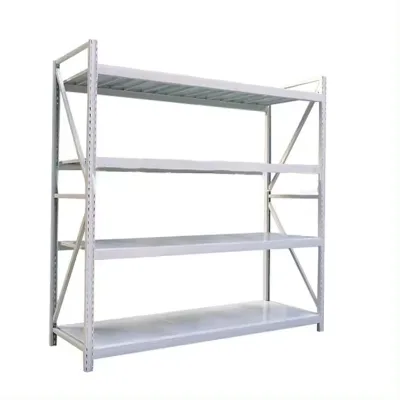
Heavy Duty 500kg Per Level 1500X600mm Compact Design Laboratory Medium Duty Rack
$25.00 - $100.00
MOQ: 10 Square Meters


Lab Furniture Lab Table Balance Table for Analytical Chemistry Laboratory
$250.00 - $500.00
MOQ: 1 Pieces

Comprehensive Sourcing Guide
Strategic Sourcing Guide for Anti-Corrosion Acid Laboratory Furniture Racks
Procuring specialized laboratory infrastructure requires a rigorous approach to ensure safety, durability, and regulatory compliance. The core keyword "anti-corrosion acid laboratory furniture rack" points to a specific subset of laboratory furniture designed to withstand harsh chemical environments while providing structural support for sensitive equipment. In the context of global B2B procurement, buyers must navigate a complex landscape of material specifications, customization options, and application-specific requirements. This guide synthesizes available market data to provide a structured framework for evaluating potential suppliers and products, focusing on evidence-based criteria rather than marketing claims.
Material Composition and Corrosion Resistance Mechanisms
The primary determinant of a laboratory rack's suitability for acid-resistant applications is its material composition. The market data indicates a strong prevalence of Stainless Steel as a core material for these units. Stainless steel is selected for its inherent resistance to oxidation and chemical degradation, making it a baseline requirement for facilities handling corrosive substances. However, the specific alloy grade is not explicitly defined in general listings, necessitating that buyers verify the exact grade (e.g., 304 or 316) with the supplier to ensure compatibility with the specific acids used in their operations.
Beyond the base metal, the surface treatment plays a critical role in anti-corrosion performance. The observed data highlights "Epoxy Coating" as a standard finishing process for many units. Epoxy coatings provide a robust barrier against chemical splashes and spills, preventing direct contact between the corrosive agent and the metal substrate. Some listings also mention "Aluminum Alloy" as a metal style option, which offers a lighter alternative but requires careful evaluation regarding its specific resistance to strong acids compared to stainless steel.
The worktop materials further influence the overall corrosion resistance profile. Available options include Phenolic, Epoxy, Ceramic, Stainless Steel, and Marble. For acid-heavy environments, Phenolic and Epoxy resins are often preferred due to their non-porous nature and high chemical resistance. Ceramic surfaces offer excellent hardness and acid resistance but may be more brittle. Buyers must ensure that the combination of the rack's structural material and the worktop surface creates a cohesive system where no weak points exist for acid penetration.
Technical Specifications and Customization Capabilities
Laboratory environments vary significantly in layout and functional needs, making customization a critical factor in the sourcing process. The data confirms that "Customization" is widely available, with options ranging from "Standard Sized" to fully "Custom" dimensions. Specific standard dimensions observed in the market include configurations like L750/1500850mm, though these should be treated as reference points rather than rigid constraints. The ability to modify the length (L), width, and height is essential for fitting racks into existing laboratory benches or creating standalone storage units.
Structural design is another key technical specification. The observed data lists "Floor Stand," "C-Frame," and "H-Frame" as available structure types. The choice of frame depends on the load-bearing requirements and the available floor space. C-frames often provide better under-bench access, while H-frames offer superior stability for heavy loads. Additionally, the design can be customized to include cabinets, drawers, or empty seating spaces, allowing for tailored storage solutions that integrate seamlessly with the laboratory workflow.
The functional attributes of the rack must also align with the specific laboratory type. For chemical laboratories, features such as "Acid and Alkali Proof" functionality are mandatory. The data also notes the inclusion of specific fittings like lab faucets, gas corks, cup sinks, and sockets. These integrated components must be constructed from materials that resist corrosion to prevent premature failure. Buyers should verify that all fittings and hardware are compatible with the anti-corrosion theme of the main structure.
Compliance, Standards, and Safety Certifications
Safety and regulatory compliance are non-negotiable in laboratory procurement. The market data references specific safety standards, including "Osha 29 CFR 1910.106" and "Nfpa" (National Fire Protection Association) standards. These standards are particularly relevant for flammable chemical storage, which is a common application for laboratory racks. While the data mentions these standards in the context of "Flammable Chemical Lab Storage Cabinet," the principles of fire resistance and safe storage apply broadly to acid-resistant furniture as well.
Buyers must verify that the supplier can provide documentation proving compliance with these standards. This includes testing reports for fire resistance, chemical stability, and structural integrity. The "Guarantee" period observed in the market is typically 2 years, which serves as a baseline for warranty expectations. However, buyers should not rely solely on the guarantee period as a proxy for quality; instead, they should request detailed test results and certification documents that validate the product's performance under specific stress conditions.
Furthermore, the "Standard" attribute in the data is listed as "Custom," indicating that while some products adhere to general industry norms, many are built to specific client requirements. This flexibility requires a more rigorous vetting process to ensure that custom specifications still meet all relevant safety codes. Buyers should explicitly ask for compliance statements regarding local building codes and laboratory safety regulations in their jurisdiction, as international standards may not automatically apply without local adaptation.
Cost Drivers and Pricing Dynamics
Understanding the cost drivers for anti-corrosion laboratory furniture is essential for budget planning. The observed price range in the market spans from $25 to $1,596 USD, a wide variance that reflects differences in material quality, customization levels, and functional complexity. The lower end of the spectrum likely corresponds to basic, non-customized units with standard dimensions and minimal fittings. In contrast, the higher end encompasses fully customized solutions with premium materials, specialized coatings, and integrated safety features.
Several factors influence the final price. First, the material choice is a primary driver; stainless steel and specialized epoxy coatings generally cost more than standard painted steel. Second, the level of customization significantly impacts pricing. Custom dimensions, unique structural designs, and tailored fittings require additional engineering and manufacturing time, leading to higher costs. Third, the inclusion of accessories such as faucets, gas corks, and specialized worktops adds to the overall expense.
Buyers should also consider the "MOQ" (Minimum Order Quantity) range, which varies from 1 to 50 units. This flexibility allows for procurement of single units for small research projects or bulk orders for large-scale facility construction. However, bulk orders may offer economies of scale, potentially reducing the per-unit cost. The "Delivery Time" is another cost factor, with a typical lead time of "Within 15 Workdays After Receiv[ing] The Deposit." Rush orders or expedited shipping may incur additional charges, so buyers should plan their procurement timeline accordingly to avoid premium costs.
Supplier Evaluation and Quality Assurance
Selecting the right supplier is as critical as selecting the right product. The data indicates that suppliers offer "OEM/ODM" services, suggesting a capability to manufacture products under the buyer's brand or to custom-design solutions. This capability is a positive indicator of a supplier's technical competence and flexibility. However, buyers must conduct a thorough evaluation of the supplier's production capabilities, quality control processes, and track record.
Key evaluation criteria include the supplier's location, which is noted as "Guangdong, China (Mainland)" in the data. While this region is a major manufacturing hub, buyers should verify the specific factory's capacity and reputation. The "Place of Origin" should be clearly stated to ensure transparency. Additionally, the "Condition" of the products is listed as both "New" and "Used," which creates a potential ambiguity. Buyers must explicitly confirm that they are purchasing new, factory-fresh units to ensure optimal performance and longevity.
Quality assurance should be a central part of the supplier selection process. Buyers should request samples or detailed specifications to verify the quality of the epoxy coating, the thickness of the stainless steel, and the durability of the fittings. The "Free Service" of "3D Design / Render" offered by some suppliers can be a valuable tool for visualizing the final product and ensuring it meets spatial and functional requirements before production begins. This service also demonstrates the supplier's commitment to customer satisfaction and technical support.
Long-Term Procurement and Maintenance Considerations
The longevity of anti-corrosion laboratory furniture depends on proper maintenance and the initial quality of the materials. The "Guarantee" of 2 years provides a baseline for warranty coverage, but buyers should consider the long-term maintenance requirements of the furniture. Regular cleaning with appropriate agents is essential to prevent the buildup of corrosive residues that could degrade the epoxy coating or metal surfaces over time.
The "Packing" methods observed, such as "Plywood Case," "Bubble Film," and "Hard Cotton+Wooden Package," indicate a focus on protecting the product during transit. However, buyers should also consider the long-term storage and handling of the furniture upon delivery. Proper storage in a dry, controlled environment can prevent premature corrosion or damage before installation.
Furthermore, the "Usage" applications listed include "Hospital," "School," "Research Institute," "Company," and "Lab." This diversity suggests that the furniture is designed for high-traffic, demanding environments. Buyers should ensure that the selected product is rated for the specific intensity of use in their facility. For instance, a university laboratory with frequent student use may require more robust construction than a private research institute with limited access.
In conclusion, sourcing anti-corrosion acid laboratory furniture racks requires a meticulous approach that balances technical specifications, compliance requirements, and cost considerations. By focusing on material quality, customization capabilities, and supplier reliability, buyers can secure furniture that ensures safety, durability, and operational efficiency in their laboratory environments. The wide range of available options, from standard sizes to fully custom designs, provides the flexibility needed to meet diverse laboratory needs, provided that buyers conduct thorough due diligence and verification at every stage of the procurement process.
FAQs
Can I customize the dimensions of the anti-corrosion acid laboratory furniture rack?
Yes, customization is available for standard and custom sizes. You can specify dimensions like L*750/1500*850mm or request fully custom measurements to fit your specific laboratory layout requirements.
What materials are used for the anti-corrosion acid laboratory furniture rack?
Stainless steel is the primary material used for the frame to ensure durability. The worktop options include Phenolic, Epoxy, Ceramic, Stainless Steel, or Marble, and an epoxy coating provides additional acid resistance.
Which certifications apply to the anti-corrosion acid laboratory furniture rack?
The products adhere to Osha 29 CFR 1910.106 and Nfpa standards for safety. These standards ensure the furniture meets requirements for fire resistance and safe storage of flammable chemicals in laboratory environments.
How long is the delivery time for the anti-corrosion acid laboratory furniture rack?
Delivery occurs within 15 workdays after receiving the deposit. This lead time applies to standard orders, though customized units may require specific scheduling based on the supplier's production capacity.
What is the minimum order quantity for the anti-corrosion acid laboratory furniture rack?
The minimum order quantity ranges from 1 to 50 units depending on the supplier. This flexibility allows buyers to procure single units for small projects or bulk orders for large facility construction.
Can the anti-corrosion acid laboratory furniture rack be used in hospitals?
Yes, the furniture is designed for use in hospitals, schools, and research institutes. It features acid and alkali proof functionality suitable for demanding environments like dental clinics and university laboratories.